
Commercial Trucks For Sale Near Pueblo, Colorado
Browse trucks for sale in Pueblo, Colorado, including flatbed, heavy haul, vocational, and on-highway trucks with varied specs and applications.
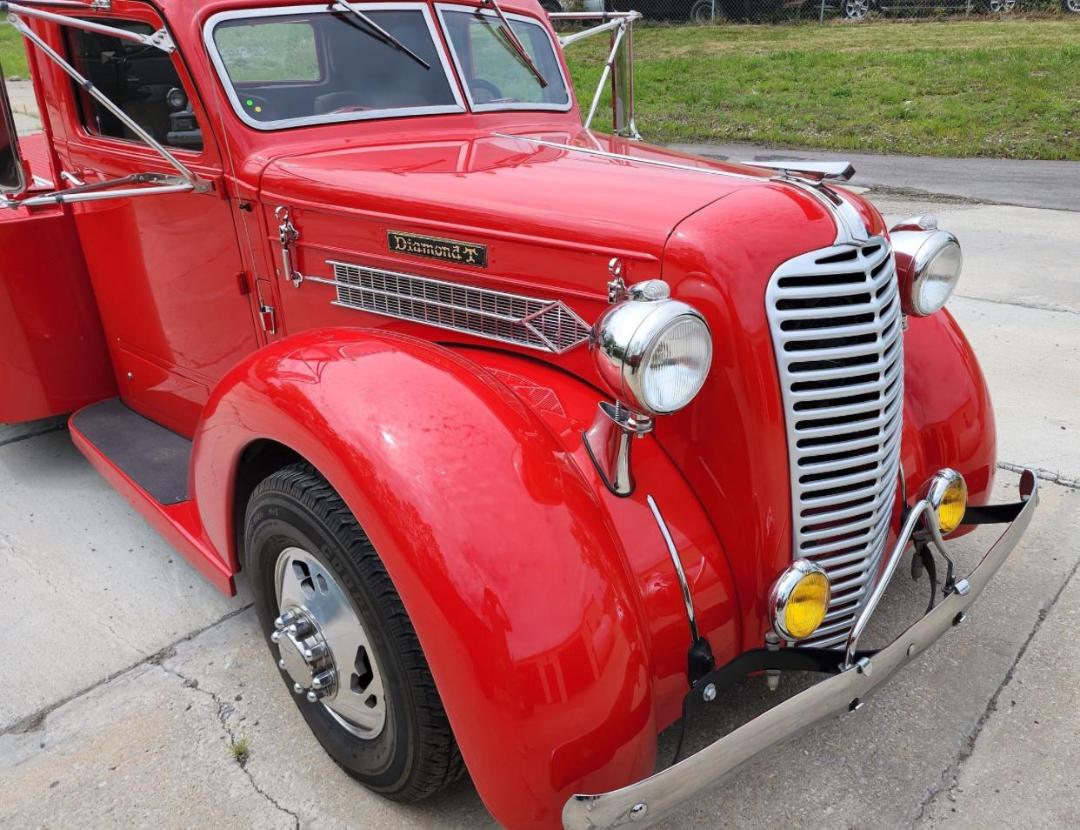
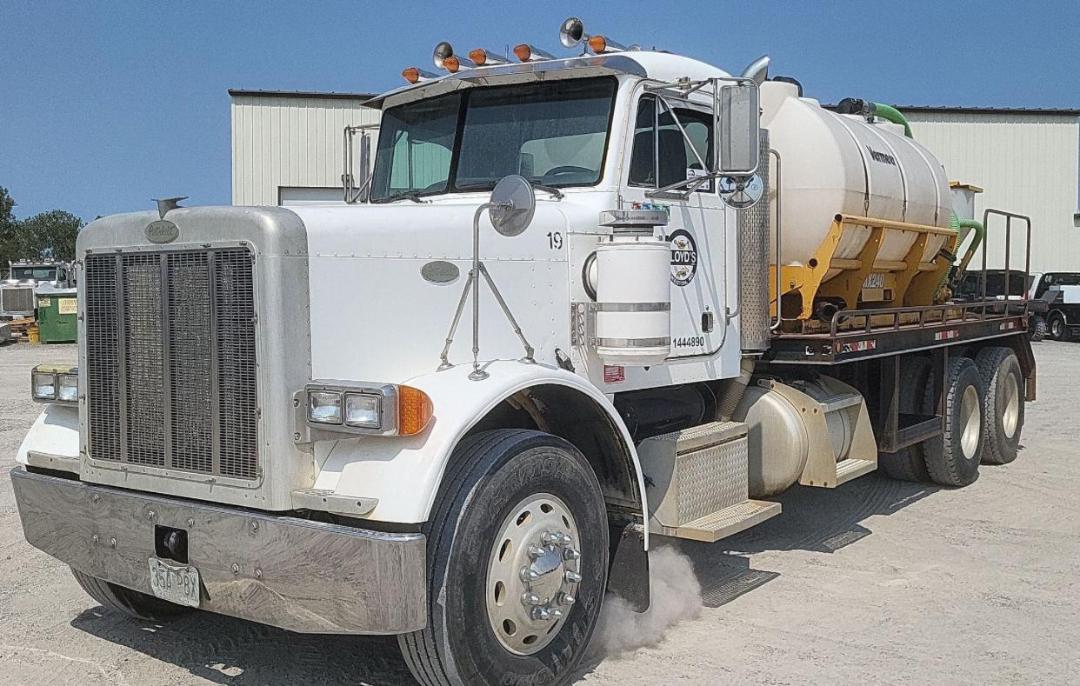
Have commercial truck to sell? List it here to reach thousands of buyers.
Commercial Trucks Near Pueblo, Colorado
Powertrain decisions matter more than brand preference on most used trucks. Common buyer checkpoints include engine family, horsepower and torque ratings, transmission type, rear axle ratio, and whether the truck is spec'd for highway speed, low-speed jobsite work, or both. Older long-hood conventionals often show up with manual transmissions, tandem axles, air ride suspension, and proven diesel platforms from Caterpillar, Cummins, or Detroit. For vocational or heavy-use applications, buyers often look for engine brakes, locking differentials, air brakes, and suspension components that are easier to service in the field. Mileage still matters, but maintenance history, rebuild documentation, and evidence of proper driveline and brake service usually tell you more than the odometer alone.
Body and equipment configuration can add as much value as the truck itself. On flatbed trucks, important details include bed length and width, flooring condition, rub rails, tie-down points, headache racks, and any mounted equipment such as mixers, tanks, compressors, or pumps. On heavy haul or specialty hauler trucks, pay close attention to frame reinforcements, hitch or deck setup, axle spacing, tire size, and whether the truck was built for legal payloads or more specialized moves. Cab condition should also be evaluated like a working component, not just a cosmetic item. Functional HVAC, gauges, lighting, mirrors, and driver controls affect uptime and safety.
For buyers comparing used trucks in this category, the best value usually comes from matching the spec to the lane or job, not simply choosing the newest unit. A truck set up for flatbed freight, oilfield support, farm use, construction support, or equipment transport will have very different strengths. Review GVWR or axle ratings, inspect the frame for repairs or corrosion, confirm tire and brake condition, and verify that the truck’s current configuration aligns with permitting, bridge law, and operating requirements in your area. A properly spec'd truck will cost less to run, be easier to keep productive, and perform better than a mismatched unit with more horsepower or newer cosmetics.
Frequently Asked Questions about Commercial Trucks Near Pueblo, Colorado
What should I look for first when buying a used truck in this category?
Start with the truck’s actual job description. The most important factors are body style, axle configuration, engine and transmission setup, suspension, and weight capacity. A flatbed truck, heavy haul truck, and general-purpose highway truck can all look similar at a glance, but they are built for very different duty cycles. Once the application is clear, inspect maintenance records, engine hours if available, brake condition, tire wear, frame integrity, and any installed equipment or upfits.
Is mileage the most important factor on a used truck?
No. Mileage is only one data point. On older commercial trucks, service history, overhaul records, clutch and transmission condition, brake system maintenance, and evidence of proper suspension and axle care are often more important. A well-maintained truck with higher miles can be a better buy than a lower-mile unit that has seen poor maintenance, extended downtime, or incorrect loading.
What makes a truck suitable for heavy haul or equipment transport?
A heavy haul or equipment transport truck needs more than just a strong engine. Buyers should look for tandem or heavier axle setups, the correct frame and suspension spec, air brakes, differential locks when needed, and gearing that supports loaded starts and grade climbing. Tire size, axle ratings, hitch arrangement, and any frame reinforcement are also important. The right truck should be matched to legal operating weight, trailer setup, and the type of equipment being moved.
What features matter most on a used flatbed truck?
The key flatbed features are deck size, bed condition, tie-down capability, rub rails, stake pockets, and overall payload-friendly chassis spec. Buyers should also inspect for deck damage, rust under the bed, and signs of repeated overload. If the truck includes mounted equipment such as tanks, mixers, or pumps, those components should be evaluated separately for condition, capacity, and usefulness to the intended operation.
Are older trucks still practical for commercial use in Colorado?
They can be, if the truck is properly maintained and correctly spec'd for the work. In Colorado, buyers should pay close attention to engine braking, cooling system health, startability in cold weather, and performance at elevation. Parts availability, local service support, and emissions requirements should also be reviewed before purchase. An older truck with a proven driveline and solid maintenance history can still be a productive choice for regional hauling, vocational work, or seasonal operations.