
Trucks For Sale Near Port Washington, New York
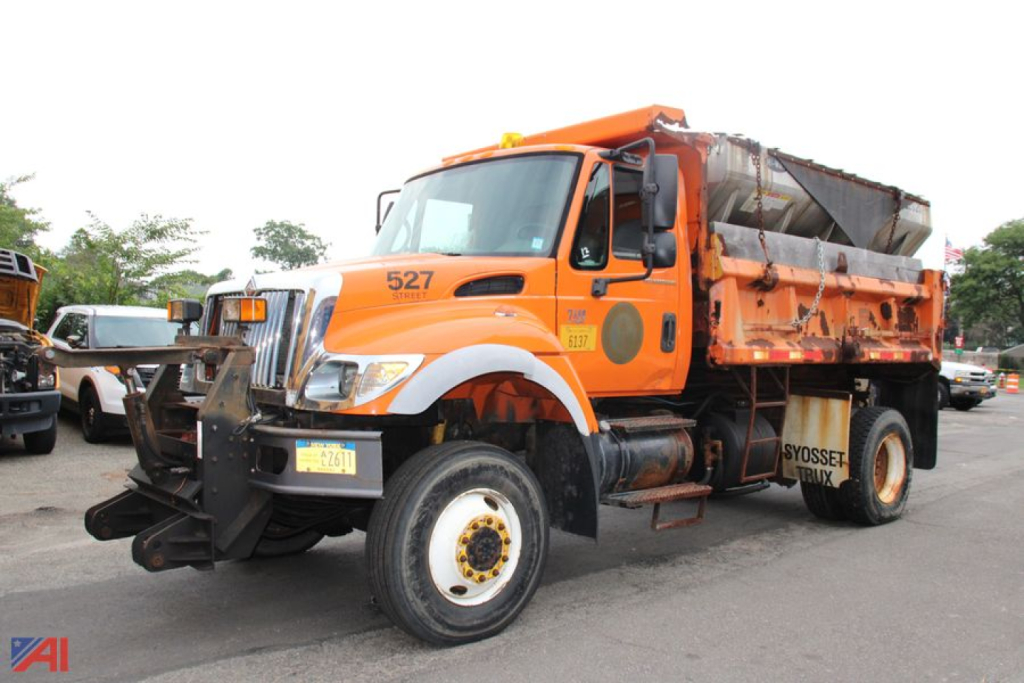
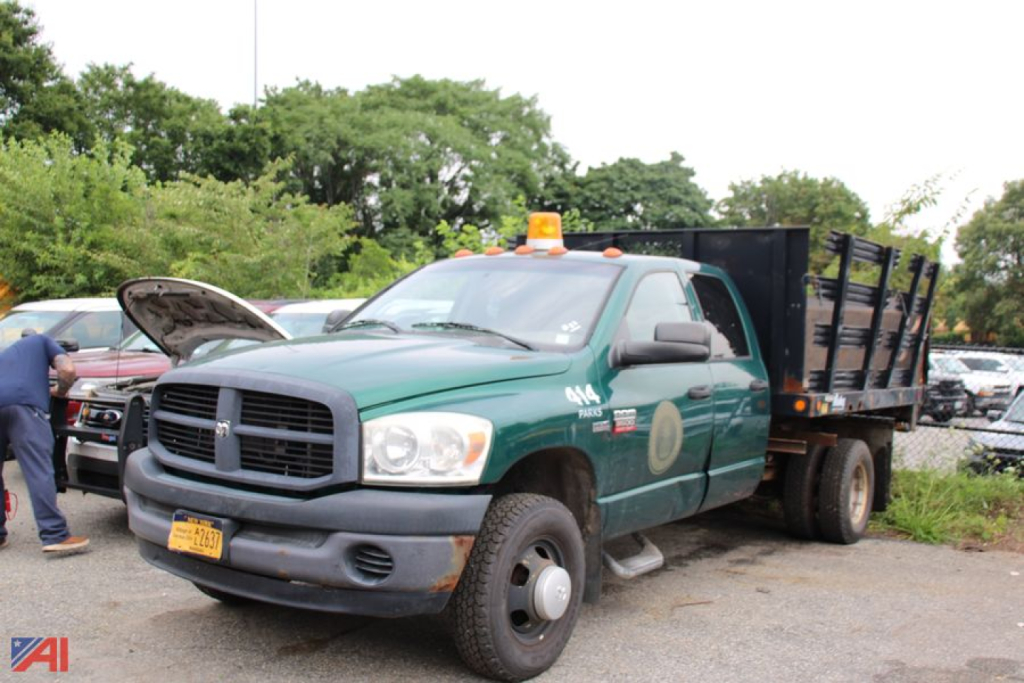
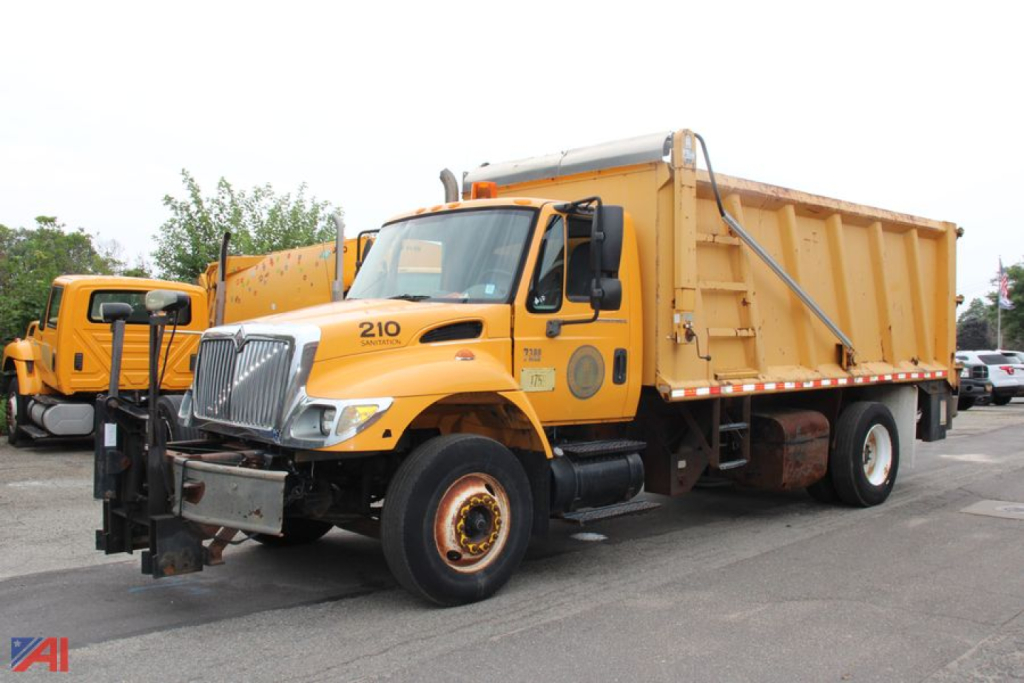
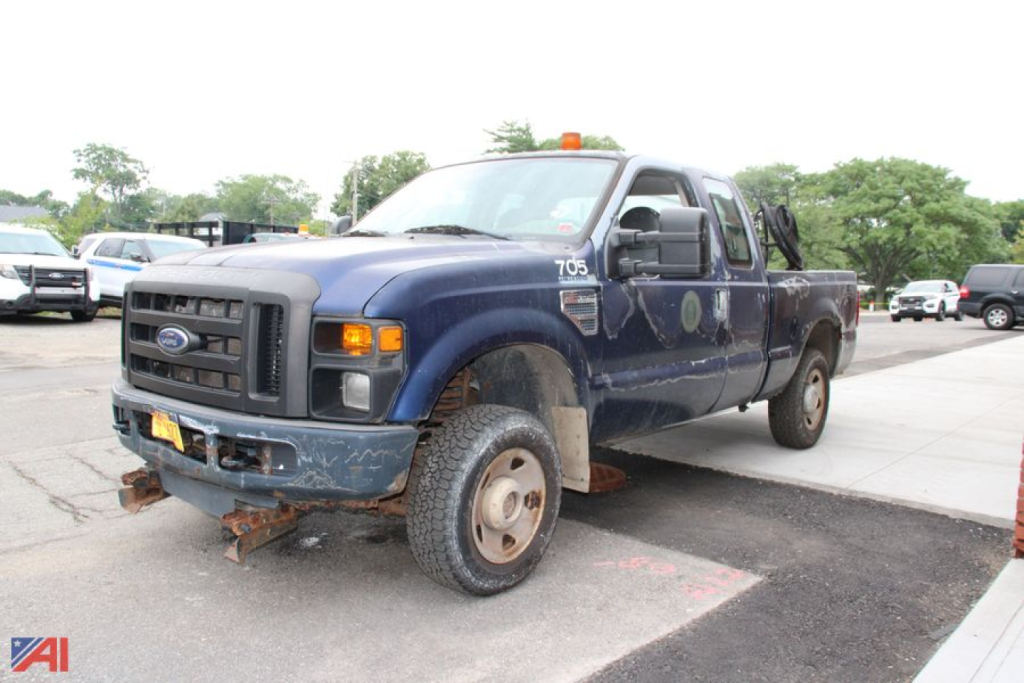
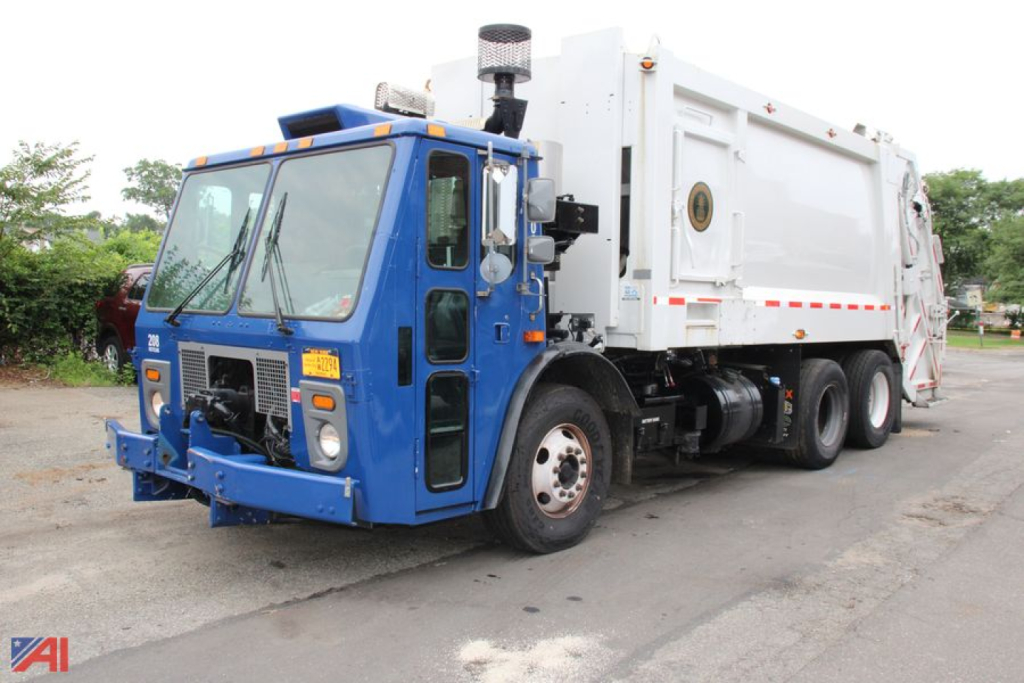
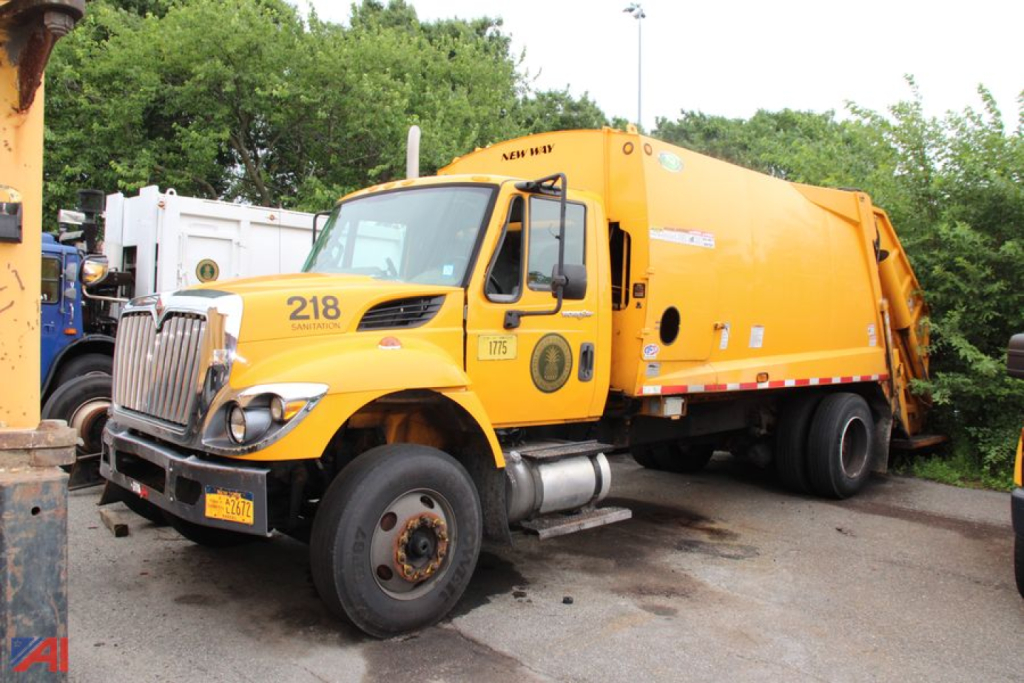
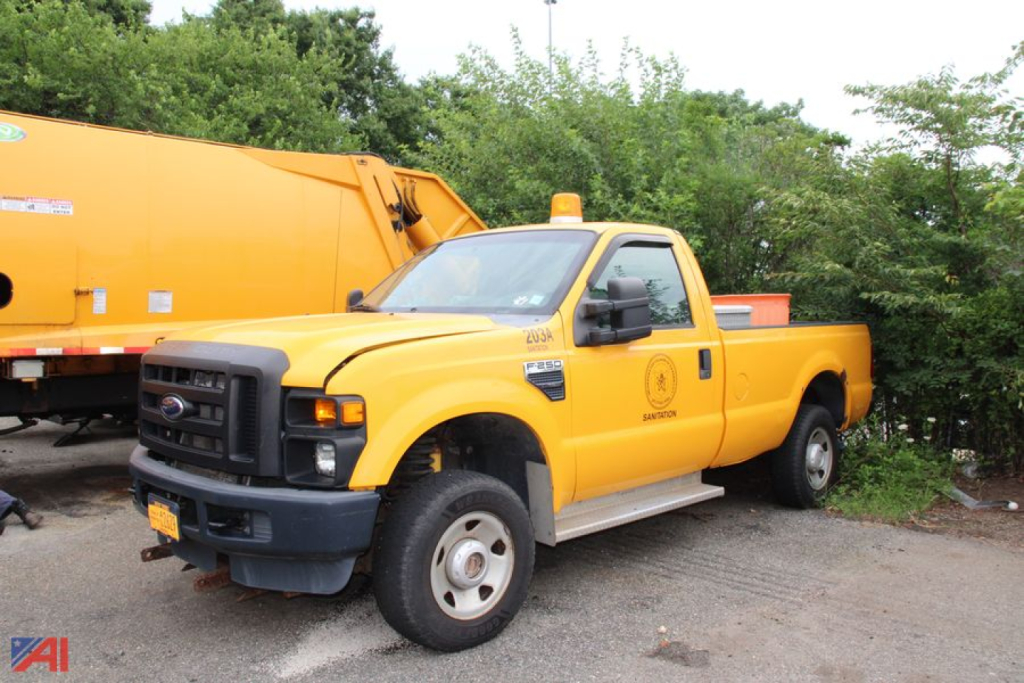
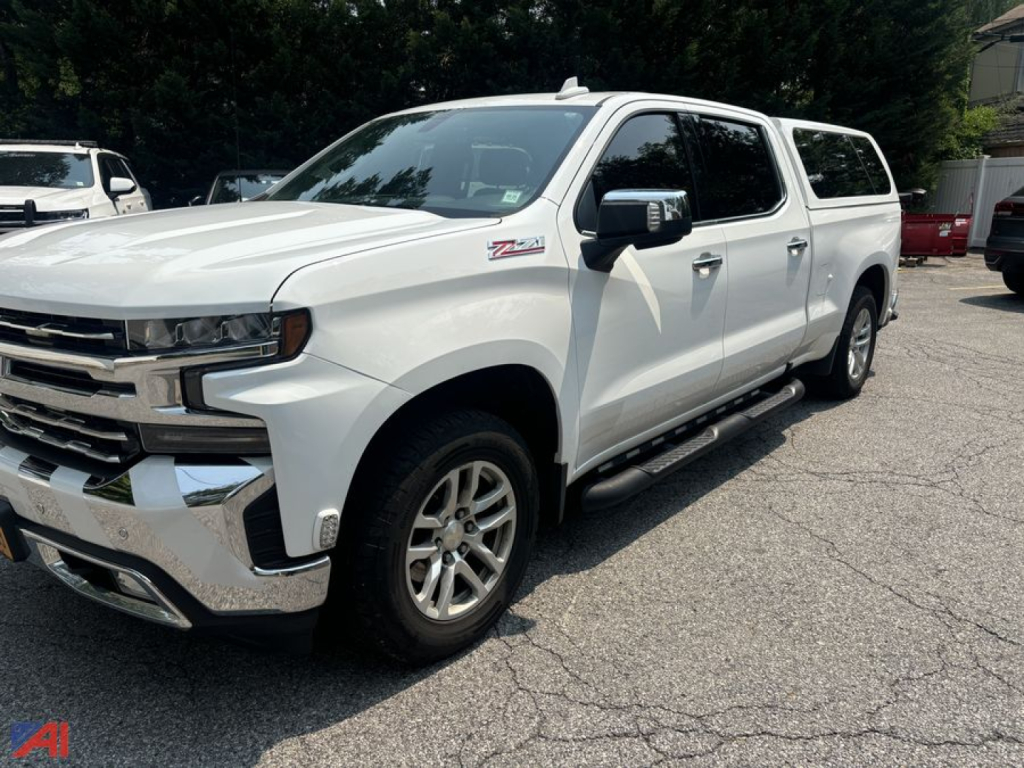
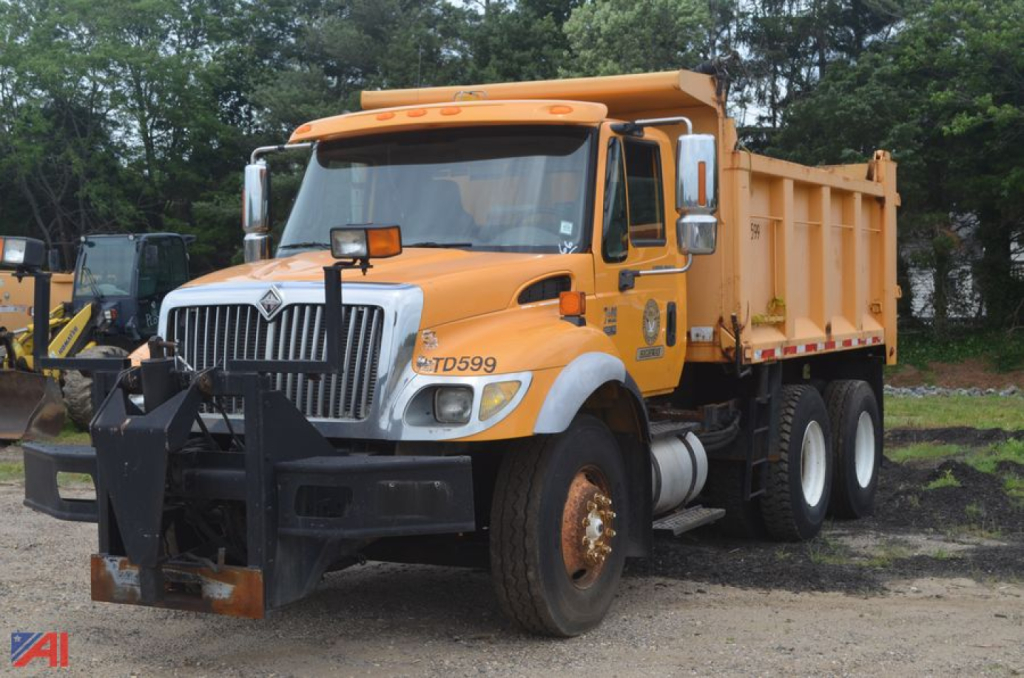
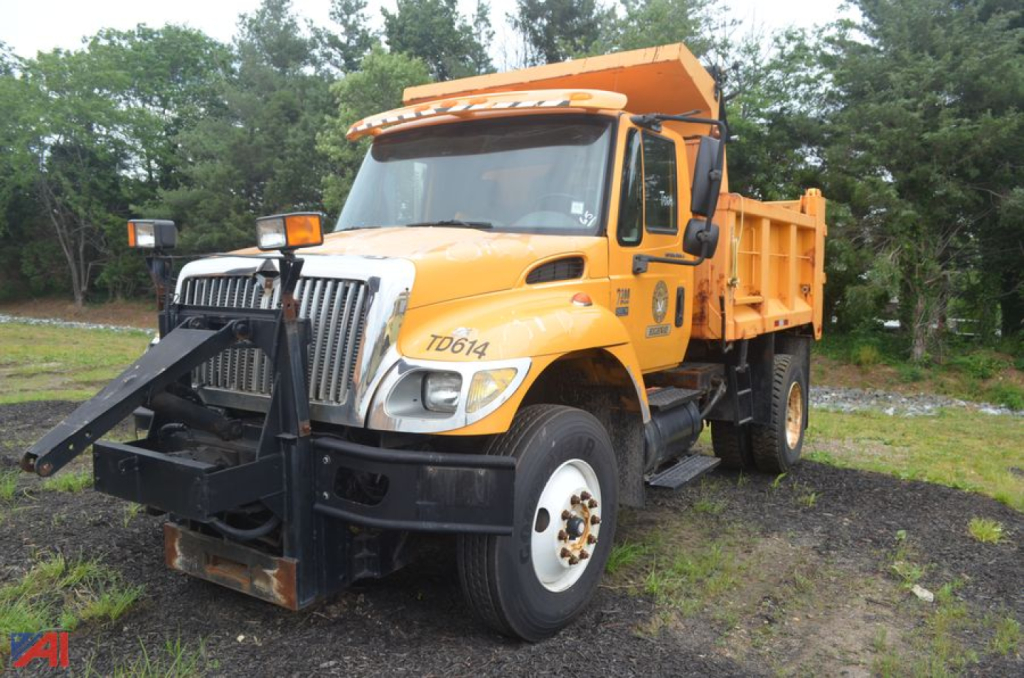
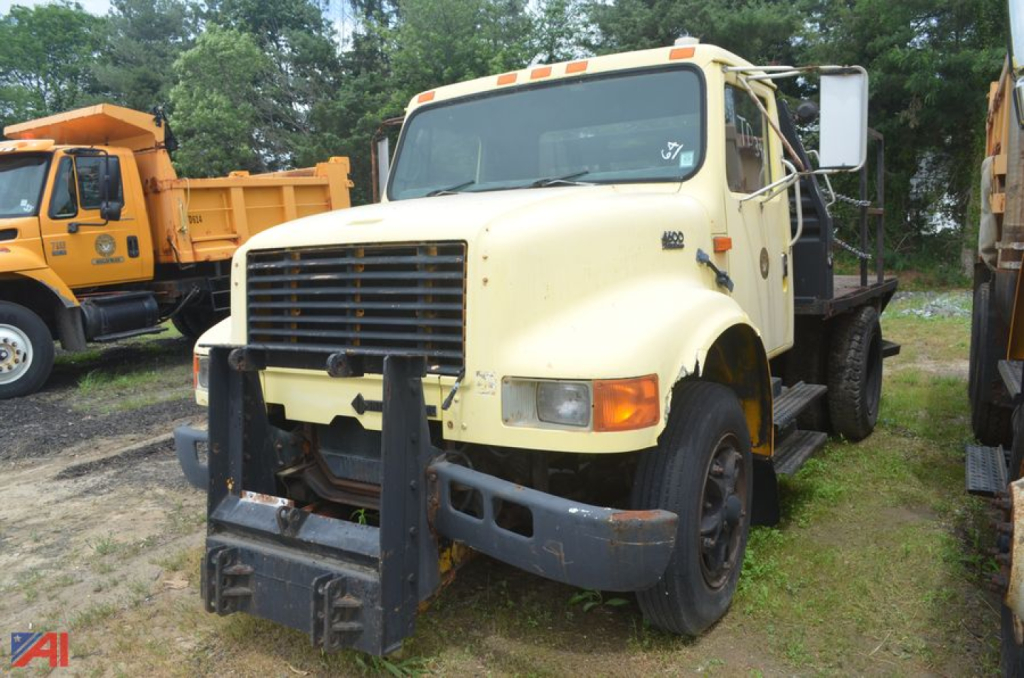
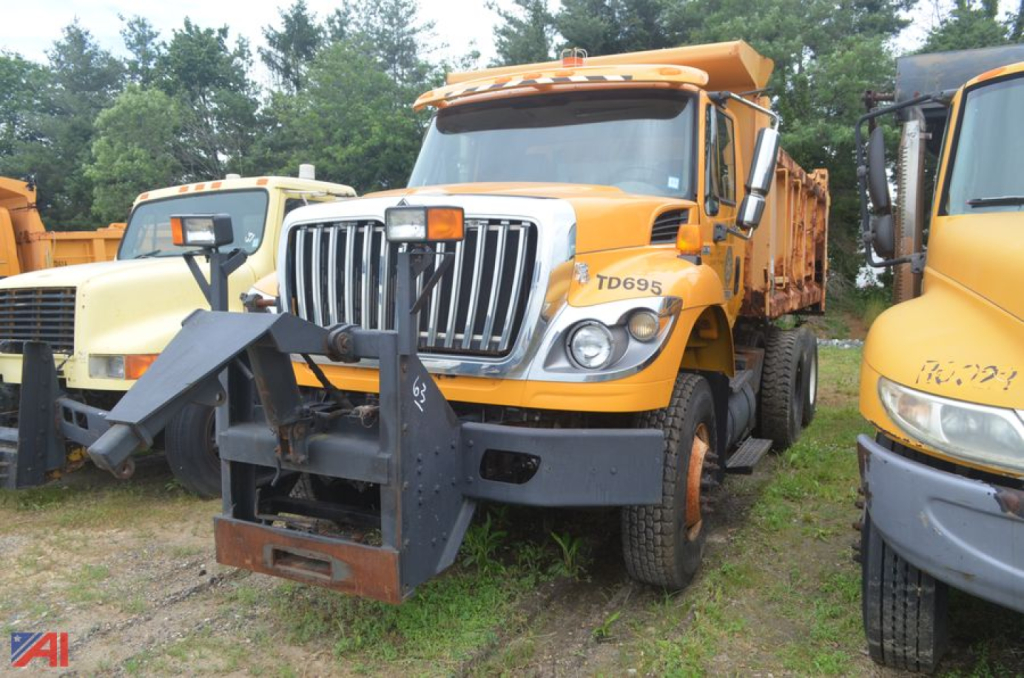
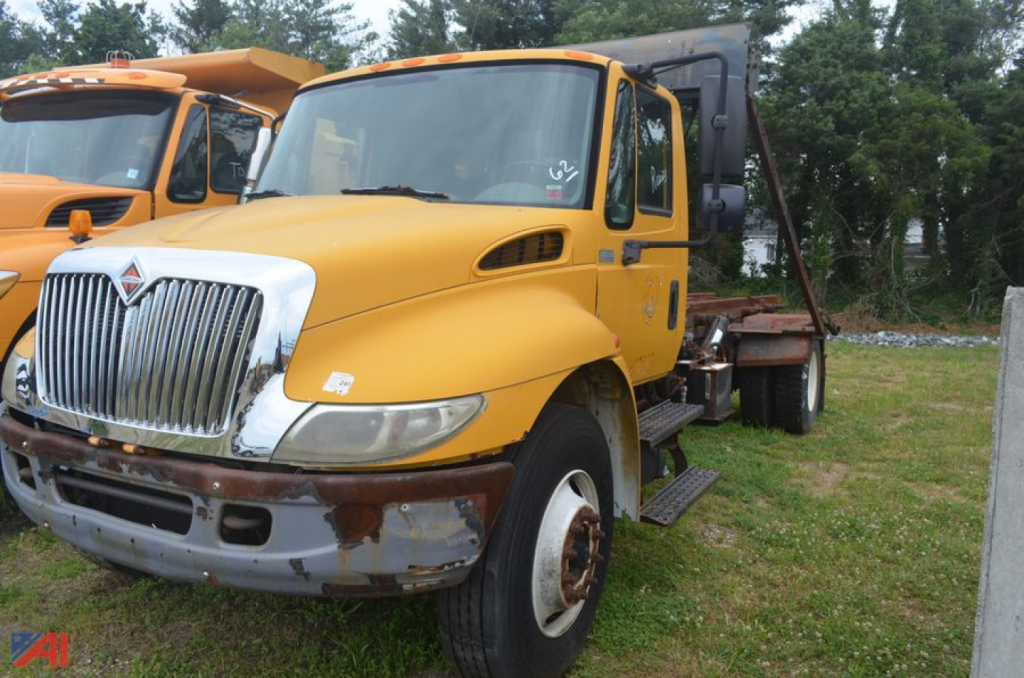
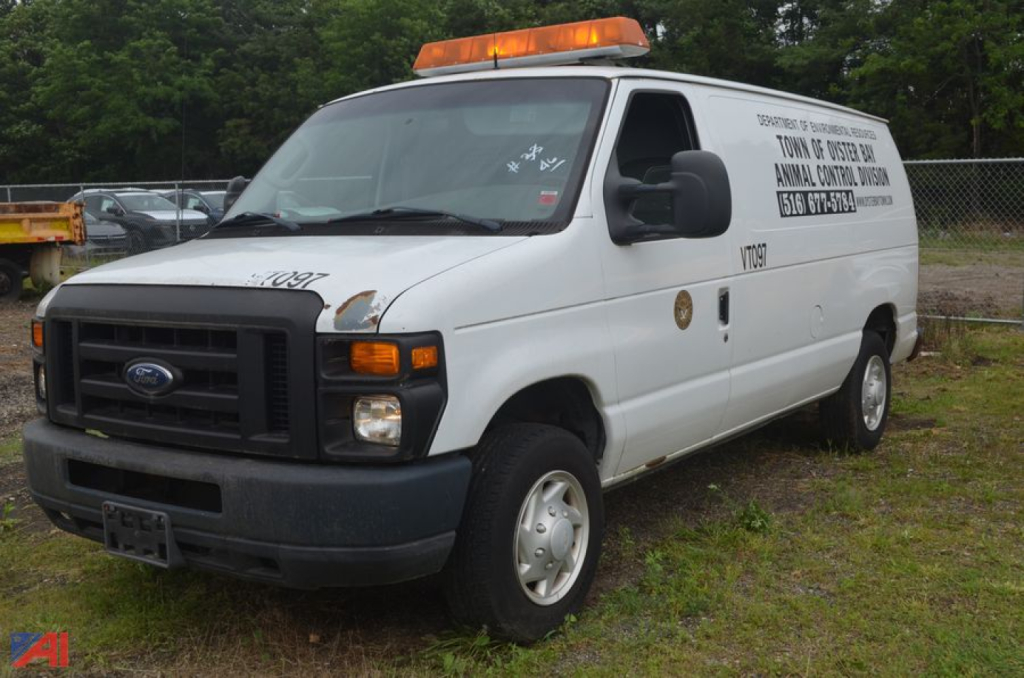
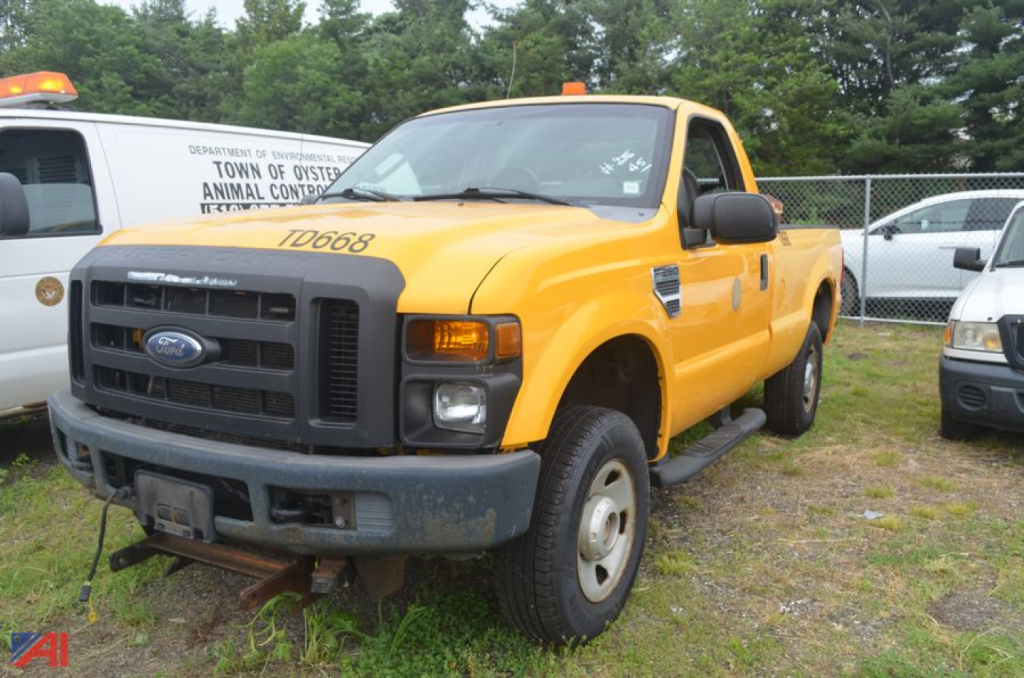
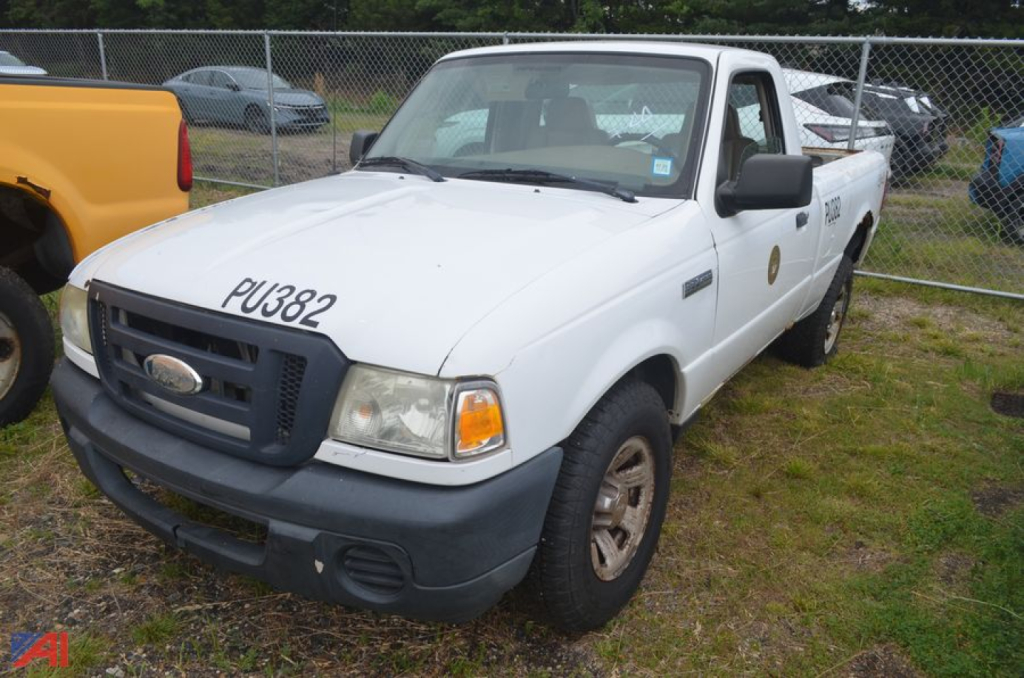
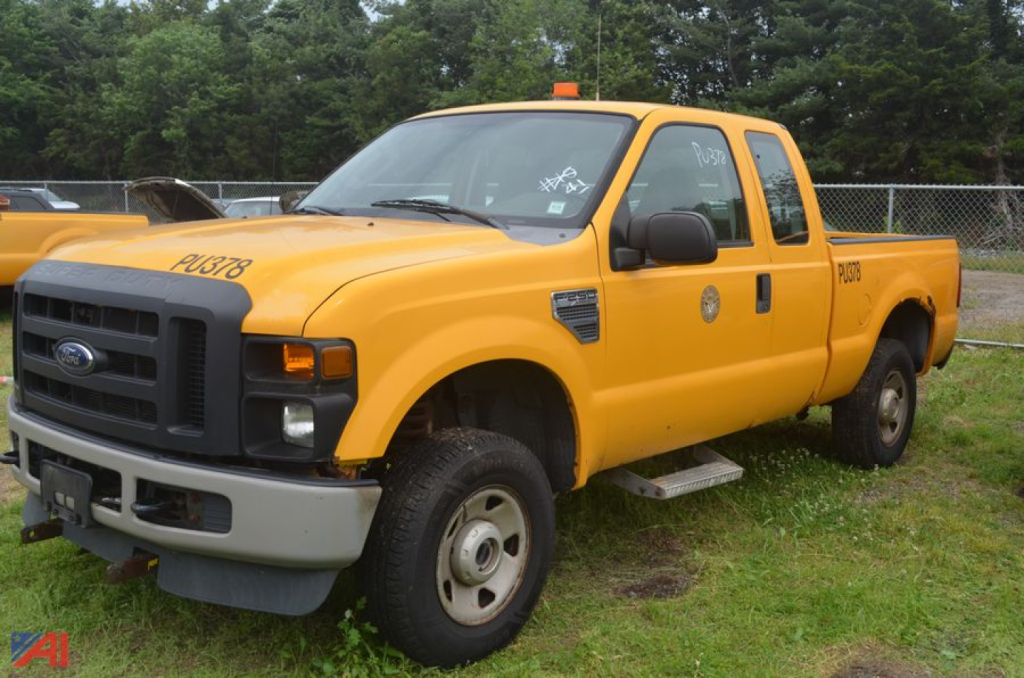
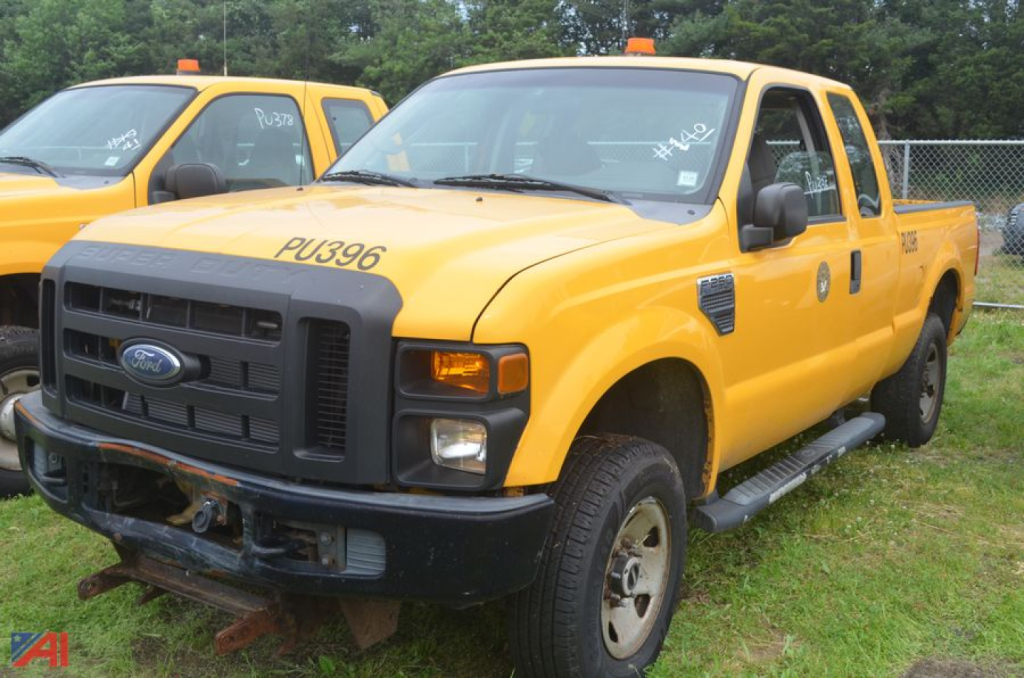
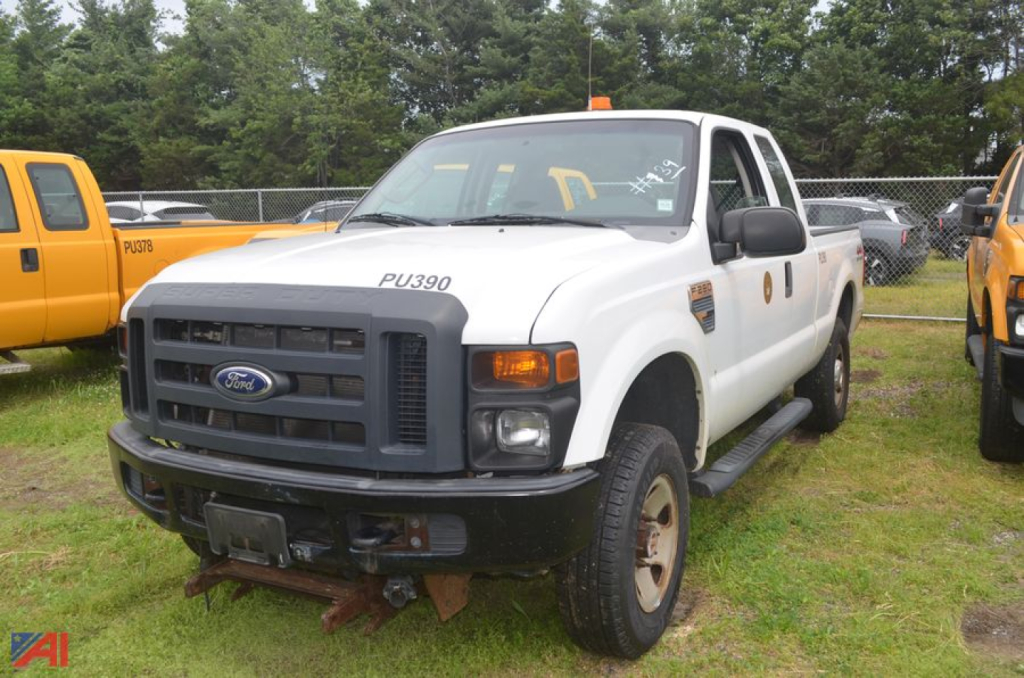
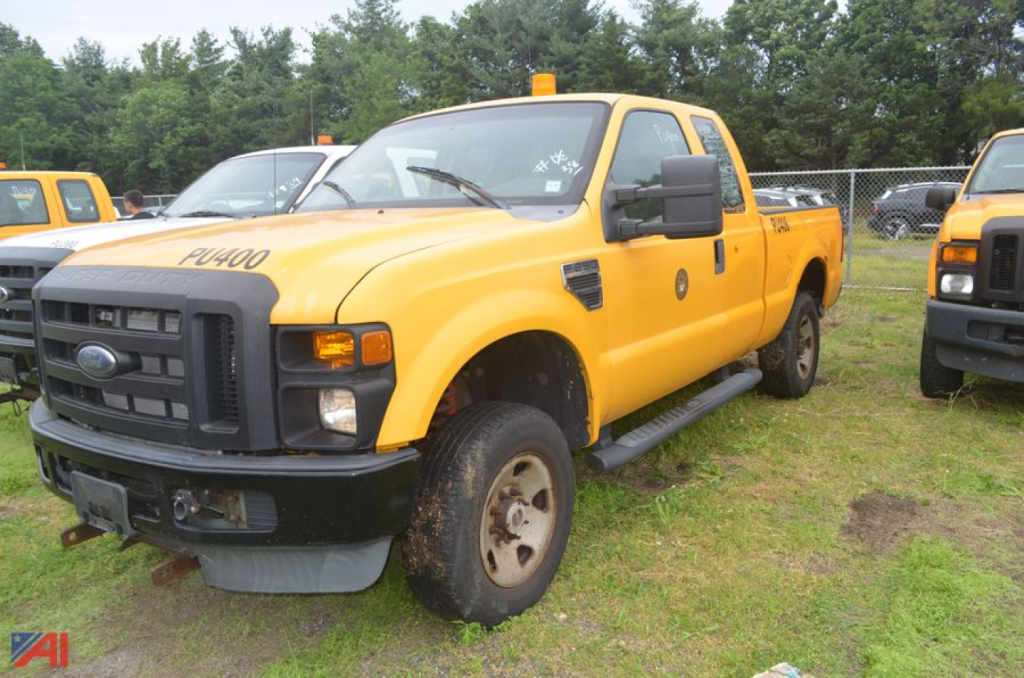
Showing 1 to 24 of 69 results
Have truck to sell? List it here to reach thousands of buyers.
Trucks Near Port Washington, New York
For over-the-road and regional hauling, buyers tend to compare conventional day cabs and sleeper trucks by engine family, transmission, and gearing. Specs like a 10-speed manual versus an automated transmission, a 3.36 to 3.55 rear ratio, and engine brake availability affect cruise speed, gradeability, fuel economy, and driver preference. On medium-duty and straight truck applications, attention usually shifts to payload, box length, liftgate compatibility, dock-height loading, turning radius, and cab access. In urban and suburban markets around Long Island and the greater New York metro area, maneuverability, visibility, and overall length can be just as important as raw horsepower.
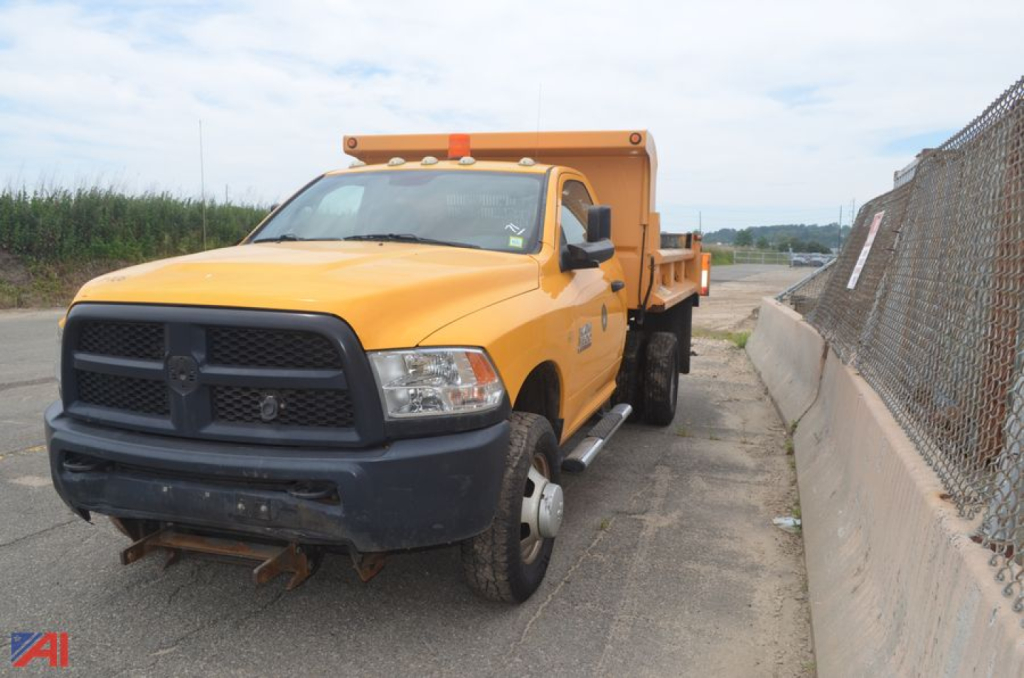
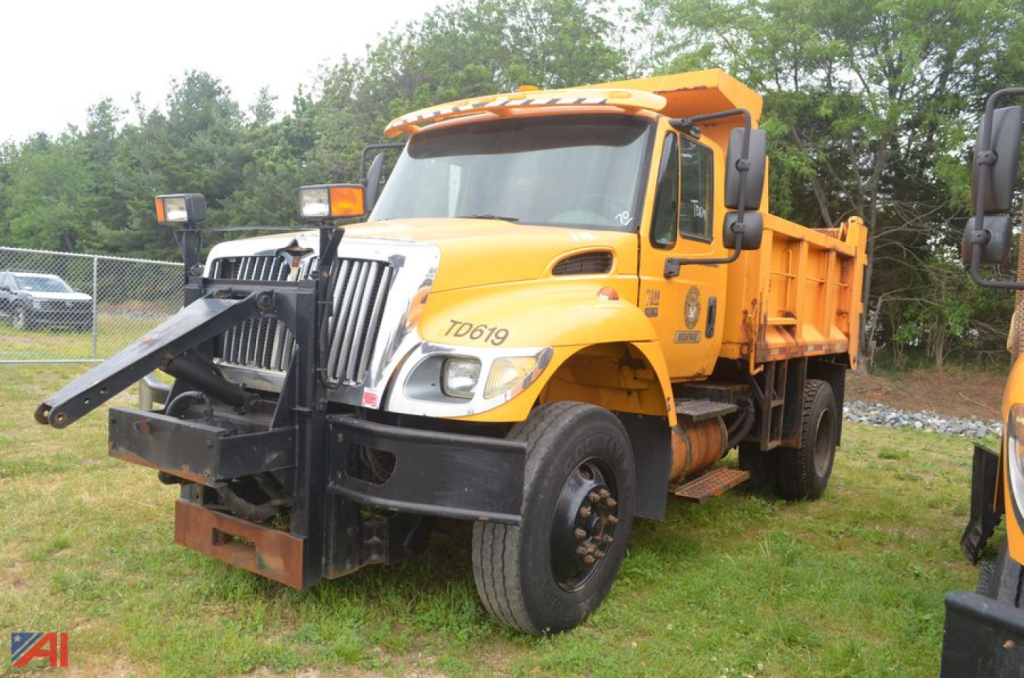
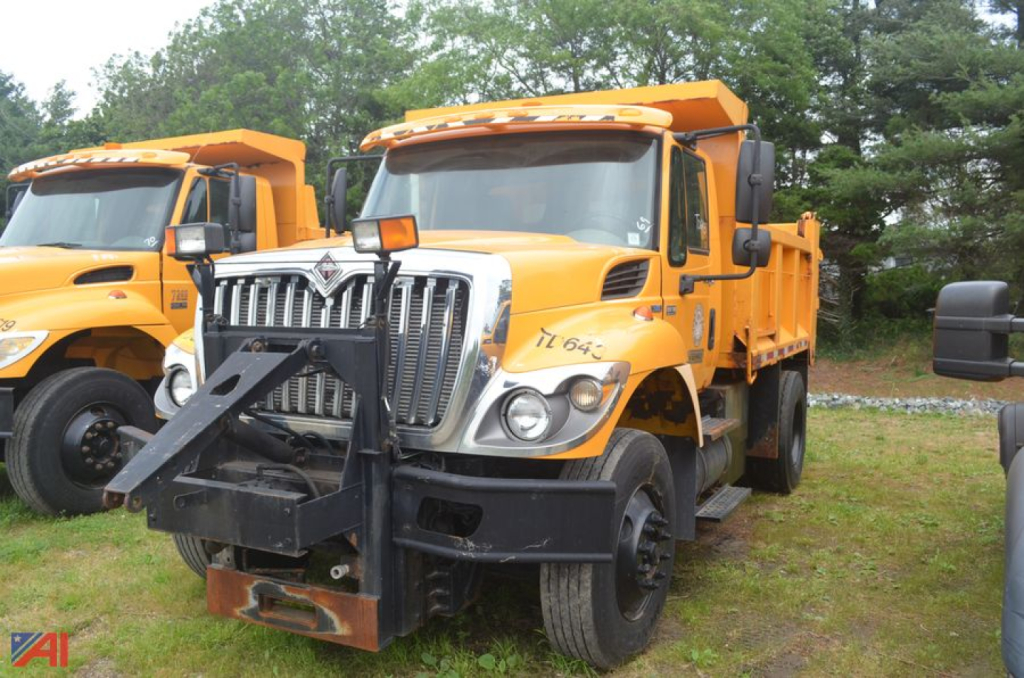
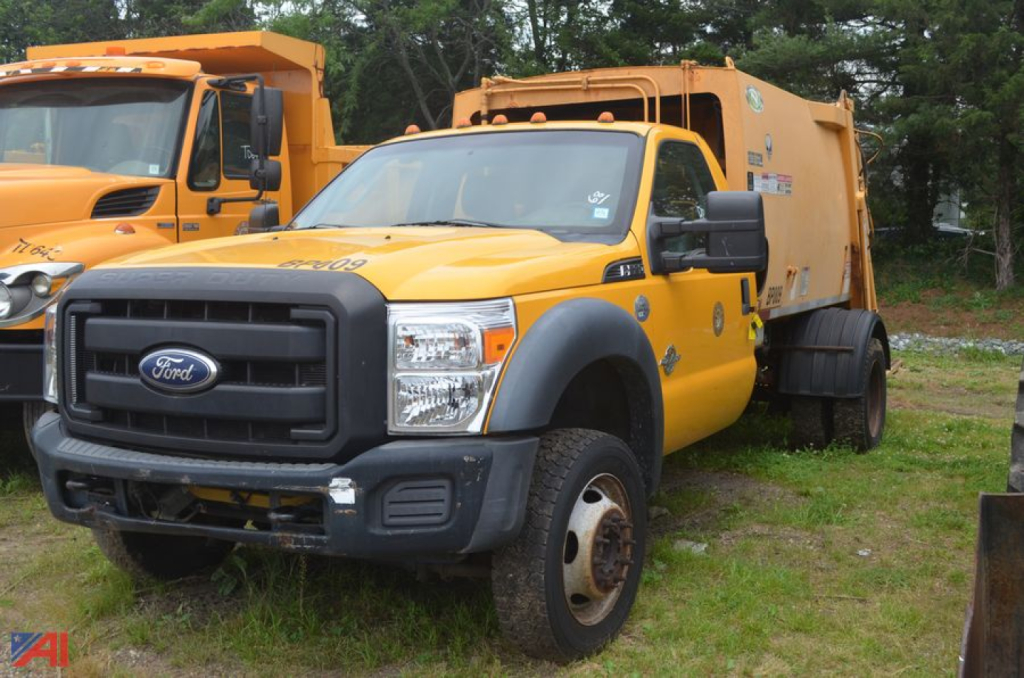
Cab and chassis trucks deserve extra scrutiny because body fitment drives the final value. Buyers should verify wheelbase, cab-to-axle dimension, frame condition, PTO provisions, suspension type, and front axle capacity before planning a dump body, rollback, service body, reefer body, or dry van. Vocational trucks such as packer trucks add another layer, since hydraulic systems, hopper condition, compaction equipment, and PTO performance matter as much as the base chassis. On any used truck, service history, rust exposure, brake condition, tire age, suspension wear, and emissions system status can tell you more than the odometer alone.
A broad trucks-for-sale category is useful because it lets buyers compare very different platforms that may still solve the same route or workload. A Class 6 box truck, a heavy-duty tractor, and a cab and chassis can all fit commercial operations, but operating cost, licensing requirements, maintenance complexity, and body flexibility are not the same. In a market like Port Washington, many buyers are balancing local stop-and-go work, bridge and street constraints, and longer regional runs into the Northeast corridor. The best choice is usually the truck with the closest spec match to the actual duty cycle, not simply the newest model year or highest horsepower rating.
Frequently Asked Questions about Trucks Near Port Washington, New York
What types of trucks are commonly found in a general trucks-for-sale category?
A broad trucks category typically includes highway tractors, day cabs, conventional sleeper trucks, box trucks, cab and chassis units, and vocational trucks such as refuse or packer trucks. Some are ready to work with a body installed, while others are sold as a platform for a future upfit. The key is to match the truck type to the job, since freight hauling, local delivery, municipal service, and construction support all require different chassis specs and operating characteristics.
How do I choose between a box truck, a tractor, and a cab and chassis?
The decision comes down to cargo type, route structure, and how much flexibility you need. A box truck is built for enclosed delivery work and is common in local and regional distribution. A tractor is the right choice when the load will be pulled on interchangeable trailers. A cab and chassis is best when you need to install a specific body such as a dump, rollback, service body, or refrigerated unit. Buyers should compare payload needs, turning radius, axle ratings, and whether the truck must be ready to work immediately or built for a specialized application.
What specs matter most when buying a used commercial truck?
The most important specs depend on the truck class, but buyers usually start with engine make and horsepower, transmission type, rear axle ratio, GVWR or GCWR, wheelbase, and axle configuration. On straight trucks, body dimensions, liftgate setup, and empty weight are also important. On tractors, sleeper size, gearing, and brake configuration play a larger role. Across all truck types, maintenance records, frame condition, tire condition, brake wear, suspension health, and emissions system status are critical because they affect uptime and total operating cost.
Why does wheelbase matter on a truck?
Wheelbase affects maneuverability, ride quality, body fitment, and axle loading. A shorter wheelbase is usually easier to handle in tight city streets, alleys, and loading areas, which is valuable in dense markets. A longer wheelbase may improve ride stability and allow a larger body or different equipment layout, but it can reduce maneuverability. On cab and chassis trucks, wheelbase and cab-to-axle dimensions must match the intended body, so buyers should confirm those measurements before purchase or upfit planning.
Are vocational trucks like packer trucks evaluated differently than standard road trucks?
Yes. With vocational trucks, the body and hydraulic equipment are often just as important as the chassis. On a packer truck, buyers should inspect the hopper, packer blade or compactor system, PTO operation, hydraulic leaks, cylinder condition, and overall body corrosion in addition to the engine and drivetrain. A strong chassis does not automatically mean the refuse equipment is in good working order, so both systems need to be evaluated together.