
Commercial Trucks For Sale Near Plant City, Florida

Have commercial truck to sell? List it here to reach thousands of buyers.
Commercial Trucks Near Plant City, Florida
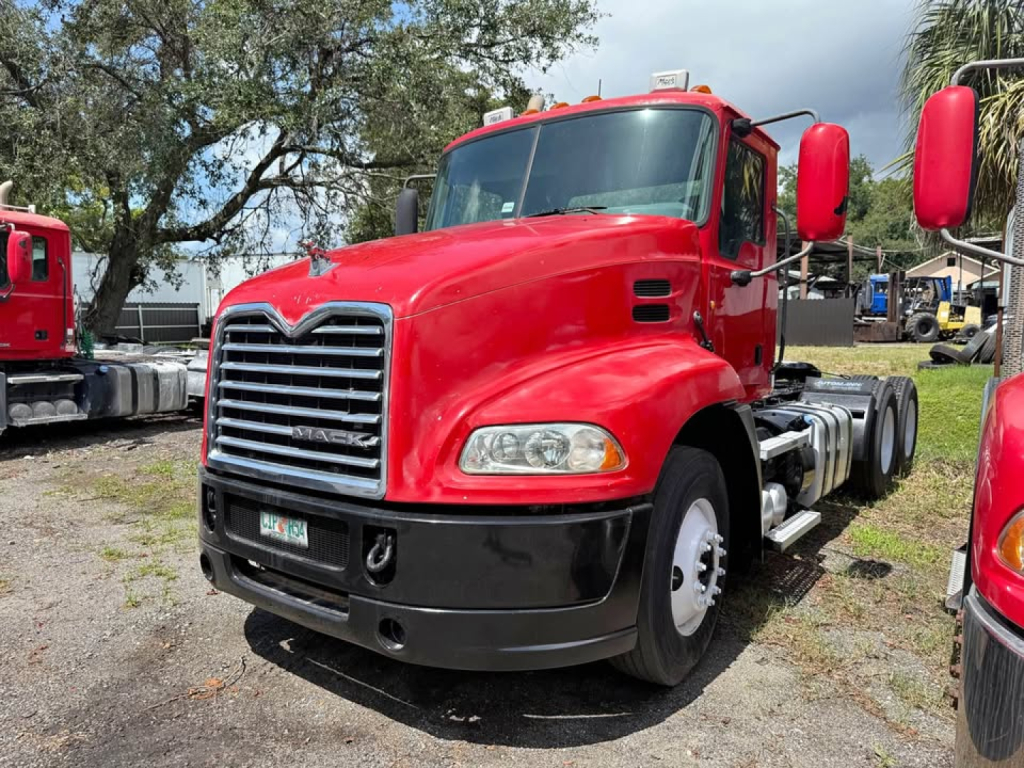
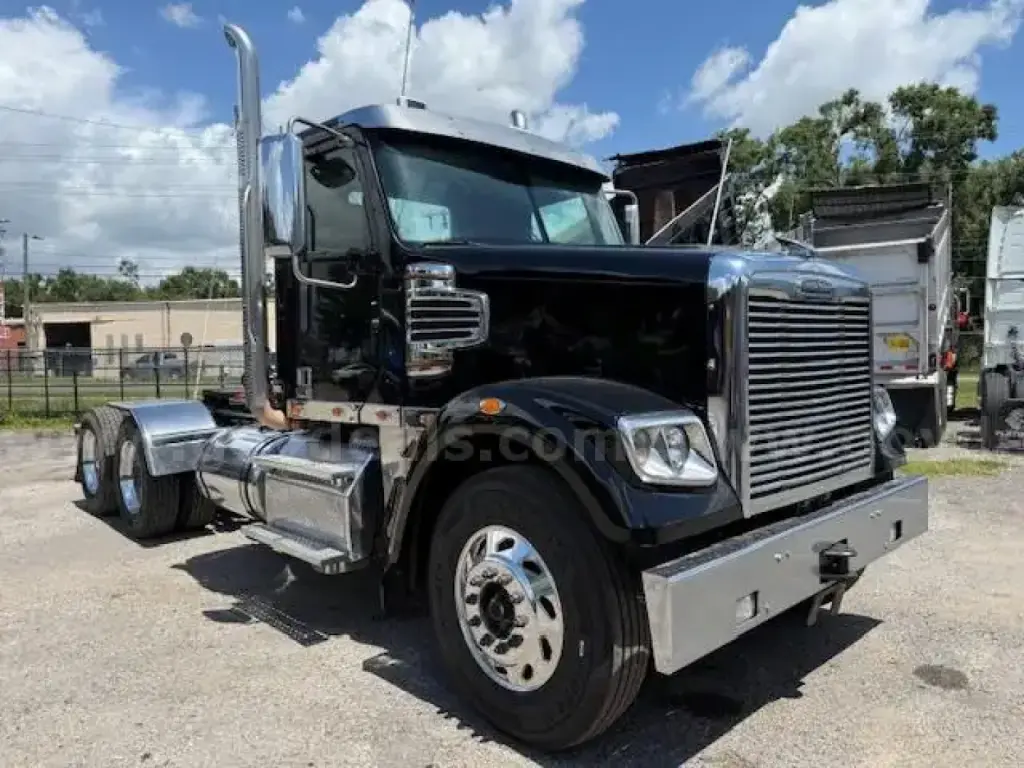
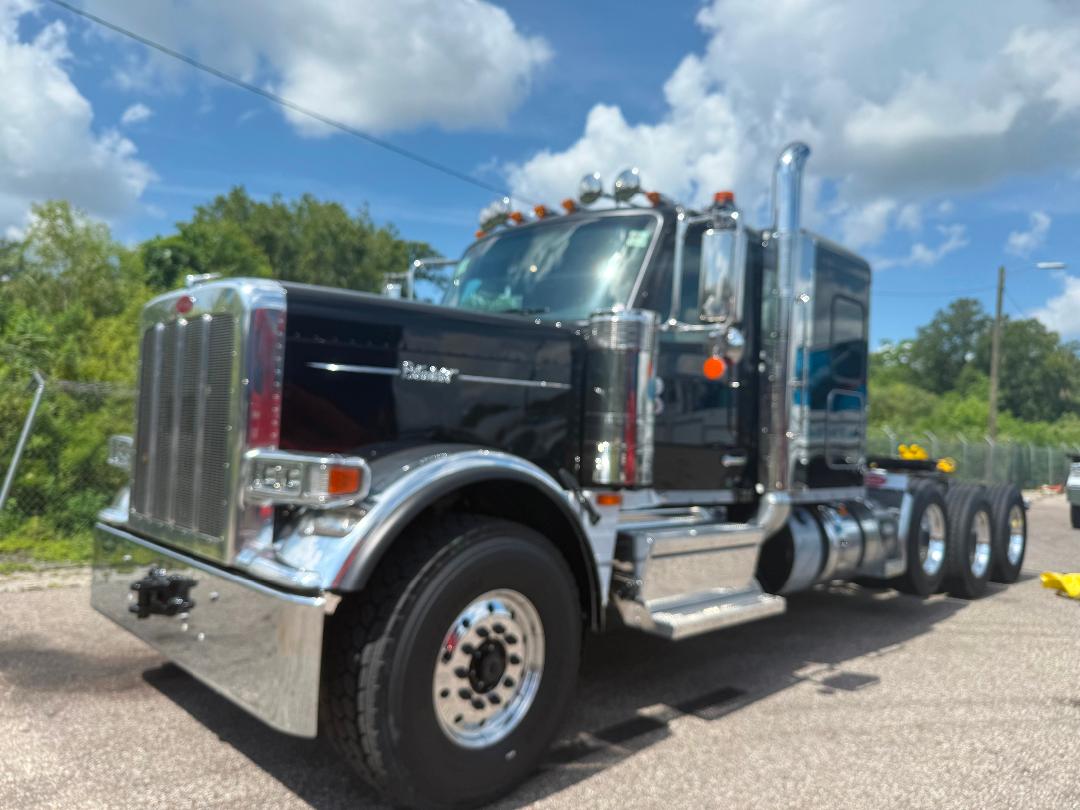
In this market, common truck configurations include tandem axle 6x4 tractors, vocational chassis, and sleeper or day cab conventionals from brands like Peterbilt and International. Engine choices often include Cummins, Caterpillar, and PACCAR platforms, usually paired with Eaton Fuller manual or automated manuals, with Allison automatics showing up in dump and vocational applications. Buyers comparing used trucks should pay attention to horsepower and torque relative to intended load, but also to less obvious factors such as engine brake presence, wet line kits, tire size, suspension condition, and wheelbase. A heavy haul or dump application may benefit from higher-capacity front axles, double frame construction, and shorter or purpose-built gearing, while regional or local tractor work may prioritize maneuverability, fuel economy, and service history.
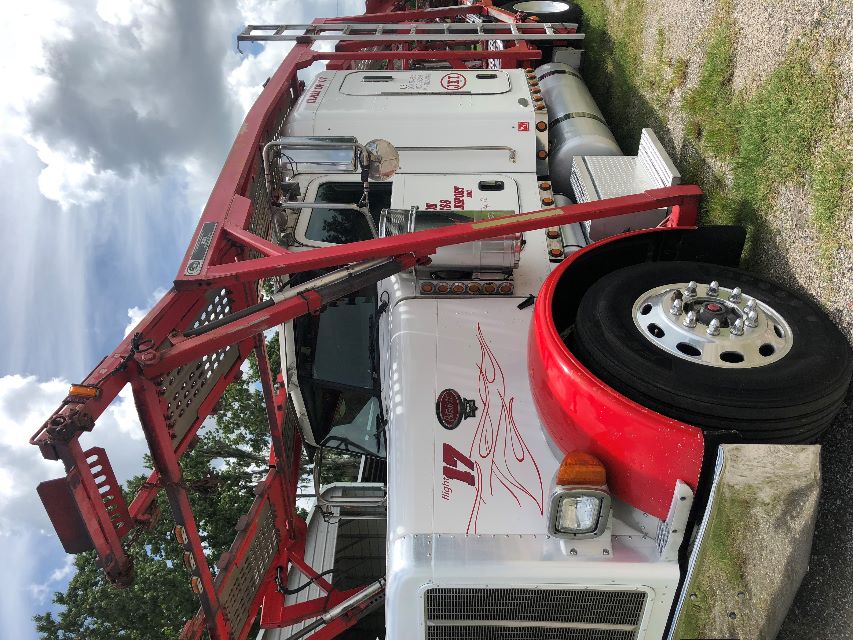
Florida operating conditions put extra emphasis on cooling system condition, air conditioning performance, corrosion exposure, and tire health. Trucks working around agriculture, aggregate, equipment transport, or port-related freight often accumulate wear in different ways than over-the-road units. For that reason, buyers should inspect clutch life, transmission operation, PTO function where applicable, frame rail condition, crossmembers, suspension bushings, and brake components in addition to engine hours and mileage. On specialty trucks such as auto carriers or wet line-equipped day cabs, the mounted equipment is just as important as the powertrain. Headache racks, hydraulic lines, toolboxes, trailer connections, and fifth wheel specs should match the trailers and loads the truck is expected to handle.
A good truck listing in this category should help a buyer evaluate spec before appearance. The useful comparison points are cab style, axle configuration, engine family, transmission model, suspension type, wheelbase, and any vocational equipment already installed. Buyers looking at older trucks should weigh mechanical simplicity and parts availability against emissions-era differences, downtime risk, and rebuild history. Buyers looking at newer trucks should verify software support, aftertreatment condition, and dealer service access. The strongest value in any truck category comes from matching the chassis and drivetrain to the actual route, payload, trailer type, and duty cycle.
Frequently Asked Questions about Commercial Trucks Near Plant City, Florida
What should I look at first when comparing trucks for sale?
Start with the truck's intended application. Axle configuration, wheelbase, axle ratings, engine horsepower, transmission type, and PTO or wet line capability matter more than cosmetic condition. A truck built for dump, heavy haul, or auto transport work needs the right frame, suspension, and gearing for that duty cycle, while a regional day cab may be better served by a lighter, more fuel-efficient spec.
What is the difference between a day cab truck and a vocational truck?
A day cab truck is usually a road tractor without a sleeper and is commonly used for local or regional hauling. A vocational truck is built for a specific work application such as dump, heavy haul, towing, utility, or construction service. Vocational units often have higher front axle ratings, PTO provisions, specialized suspensions, heavier frames, and body or hydraulic equipment that a standard road tractor may not have.
Are automatic transmissions common in trucks, or should I expect a manual?
Both are common, but the application usually decides the transmission choice. Manual and automated manual transmissions are widely used in highway tractors and heavy haul setups because they offer gearing flexibility and strong driver control. Allison automatics are common in dump trucks and other stop-and-go vocational applications where smoother operation and easier drivability are a priority.
How important are engine hours on a used truck?
Engine hours are very important because they show how long the engine has actually been running, including idle time that mileage alone does not capture. A truck with moderate miles but very high hours may have seen extensive PTO work, local idling, or severe-duty operation. Buyers should consider engine hours alongside maintenance records, overhaul history, and the condition of the cooling, fuel, and aftertreatment systems.
What Florida-specific factors should truck buyers keep in mind?
Heat, humidity, and year-round operation make cooling systems, air conditioning, tires, and brake condition especially important in Florida. Buyers should also inspect for rust or corrosion on trucks exposed to coastal air, fertilizer, aggregate, or wash chemicals. In local and vocational service, frequent starts, stops, and idling can add wear that does not show up clearly on mileage alone.