
Commercial Trucks For Sale Near Pitcher, New York
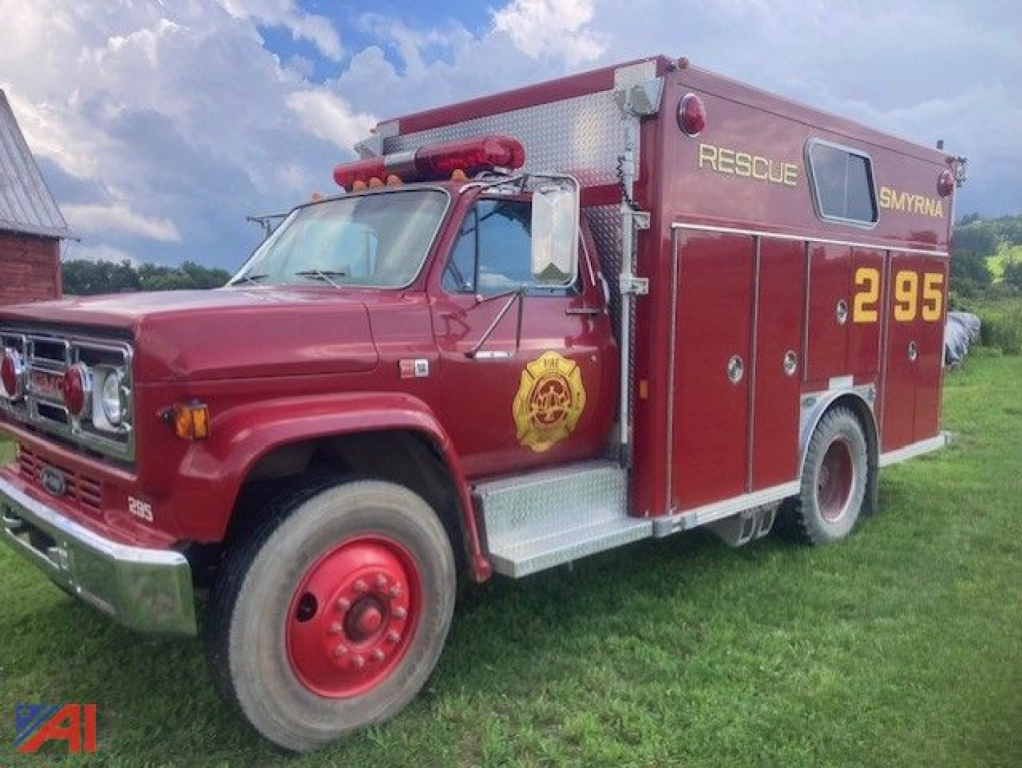
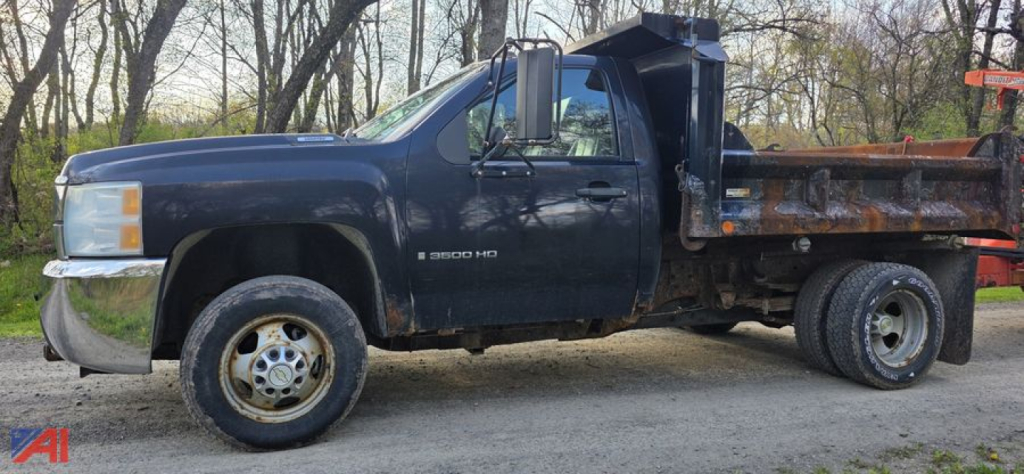
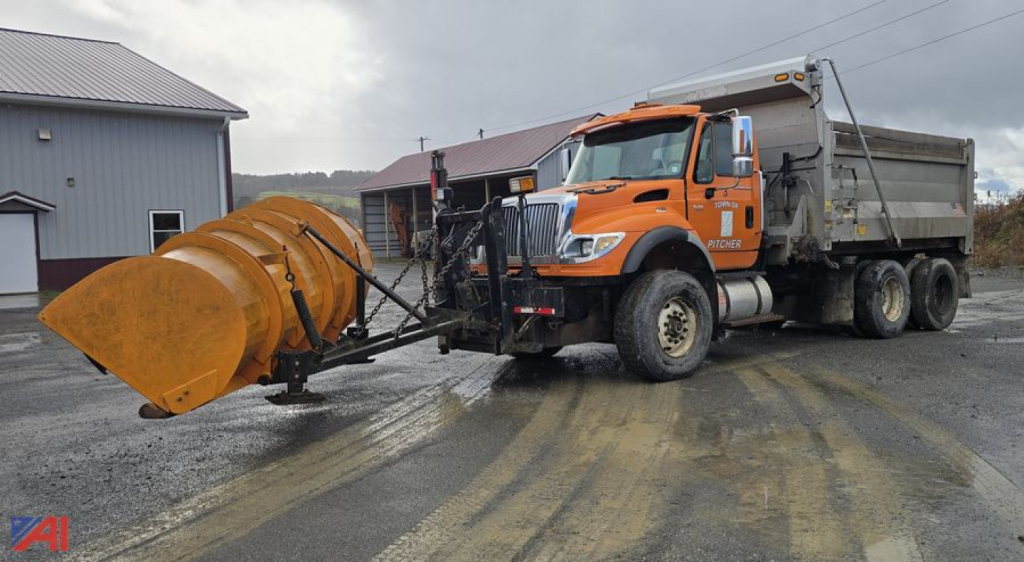
Have commercial truck to sell? List it here to reach thousands of buyers.
Commercial Trucks Near Pitcher, New York
For buyers looking at heavier trucks, common configurations include 4x2, 6x4, and tandem-axle layouts, with diesel power from established medium-duty and heavy-duty platforms. Dump trucks, including municipal-spec units, are often equipped with front plows, wing plows, central hydraulics, and reinforced frames for year-round service. In areas like central New York, corrosion, frame condition, hydraulic performance, and underbody wear deserve close attention, especially on trucks that have seen snow and salt service. Transmission choice also matters. Automatic and automated manuals are common in stop-and-go work, while manual transmissions still appeal to some operators for vocational control and lower acquisition cost.
A smart truck comparison goes beyond mileage and model year. Buyers should check engine hours, axle ratings, brake type, tire condition, spring or air-ride suspension, and the condition of the hoist, PTO, and hydraulics if the truck is body-equipped. For dump applications, body material, side height, tailgate design, liner condition, and spreader or plow integration can have a direct impact on productivity and repair cost. If the truck will run with a trailer, verify hitch type, pintle setup, trailer brake connections, and legal weight requirements for New York roads. Cab condition, visibility, and ease of entry also matter on vocational trucks that see frequent stops and multiple operators.
Used trucks in this class are bought for function first, but spec matching is what protects uptime and resale. A well-matched truck should have enough front axle capacity for attachments, enough rear suspension for payload, and a driveline geared for its actual route and speed range. Buyers in rural and municipal markets often place added value on simple serviceability, available parts support, and proven platforms such as International WorkStar, Freightliner vocational chassis, Mack Granite, Kenworth T-series, or similar regional work trucks. The best choice is the one whose frame, drivetrain, hydraulics, and body spec fit the job without forcing expensive rework after purchase.
Frequently Asked Questions about Commercial Trucks Near Pitcher, New York
What should I look for first when comparing used trucks for sale?
Start with the truck's intended job, then match the truck's GVWR, axle configuration, wheelbase, and body or hitch setup to that application. After that, focus on frame condition, engine hours, transmission type, suspension, brake system, and signs of vocational wear such as hydraulic leaks, rust, or attachment stress. A truck that is correctly spec'd for the work is usually a better buy than one with a newer model year but the wrong configuration.
Are dump trucks with plows a good choice for municipal or seasonal work in New York?
Yes, dump trucks with plows are a common fit for municipal and contractor work in New York because they can serve in multiple seasons. They are often used for snow removal in winter and aggregate, brush, or material hauling the rest of the year. Buyers should inspect plow mounts, hydraulic controls, front axle rating, electrical systems, and corrosion underneath the cab and body, since snow service can be hard on frames, wiring, and steel components.
Which axle configuration is best for a vocational truck?
The right axle configuration depends on payload and terrain. A 4x2 can work well for lighter duty and lower operating cost, while a 6x4 is more common for dump, plow, and construction applications where traction and load capacity matter. Tandem rear axles also help with legal weight distribution and durability under repeated heavy use. Front axle capacity is especially important when the truck carries a plow, heavy bumper, or other front-mounted equipment.
How important is rust and corrosion when buying a truck in upstate New York?
Rust and corrosion are critical inspection points in upstate New York because road salt can affect the frame, crossmembers, cab mounts, brake lines, wiring, hydraulic components, and body structure. Surface rust is common on older vocational trucks, but scaling, perforation, or structural damage can turn a low-priced unit into an expensive repair project. A close look underneath the truck is often more valuable than focusing only on the cab appearance or odometer reading.
What drivetrain details matter most on a used vocational truck?
Engine rating, transmission type, rear axle ratio, PTO capability, and suspension spec all matter because they determine how the truck performs under load. A truck used for hauling or snow work needs gearing and torque that fit low-speed, stop-and-go duty, not just highway travel. Buyers should also confirm that the PTO and hydraulic systems operate correctly if the truck powers a dump body, plow, spreader, crane, or other vocational equipment.