
Pierce Trucks For Sale
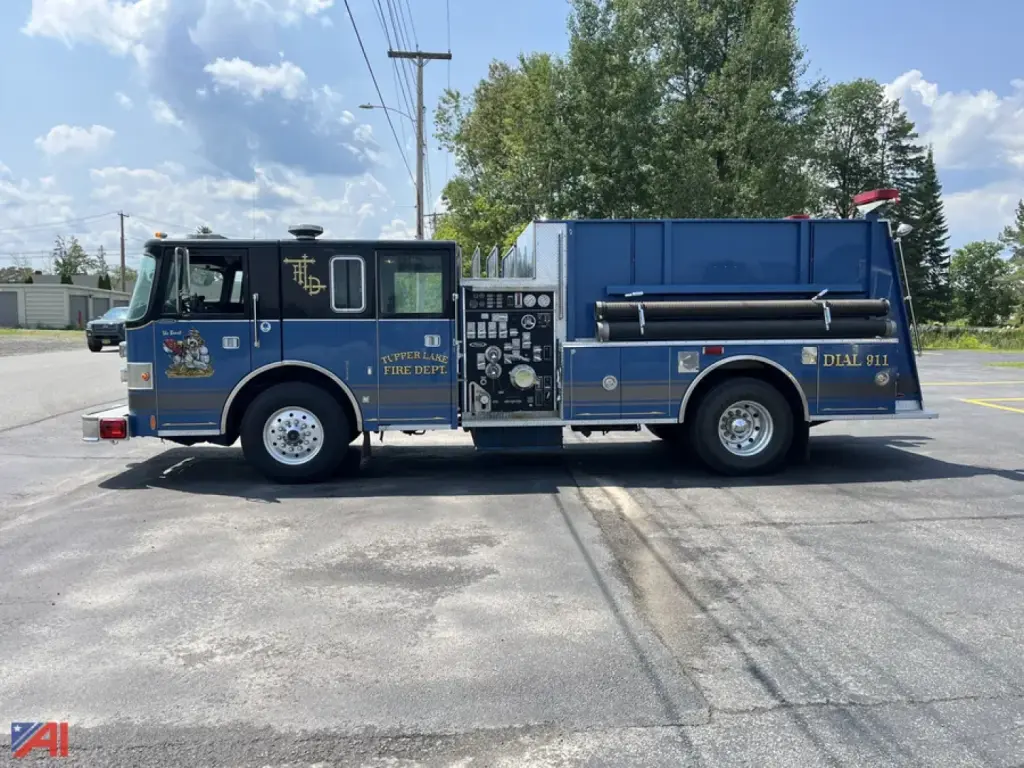
Have pierce truck to sell? List it here to reach thousands of buyers.
Pierce Trucks
A Pierce truck buyer should pay close attention to the chassis and body combination. Many units use custom fire-service chassis with purpose-built cabs, high-output electrical systems, PTO-driven pump arrangements, generator packages, scene lighting, and extensive equipment storage. Common checkpoints include engine hours, pump hours, corrosion in body compartments, frame condition, electrical integrity, and the service history of emergency equipment. On older units, replacement-part availability, emissions-system simplicity, and overall refurbishment quality can matter as much as odometer readings. On cab-over models, maneuverability in urban service is a major advantage, while larger conventional-style apparatus may offer different visibility, service access, or storage benefits depending on the build.
Spec differences between Pierce trucks can be substantial even within the same model family. Fire pumpers are often evaluated by GPM rating, water tank capacity, hosebed design, intake and discharge layout, and whether foam systems are installed. Aerial units add ladder length, platform or straight-stick design, outrigger geometry, and overall travel height into the decision. Rescue and support units shift the focus toward compartment volume, generator output, shoreline systems, air bottle storage, and tool-mounting practicality. GVWR, suspension setup, brake type, tire condition, and wheelbase all influence how the truck performs in tight municipal streets, industrial yards, or longer-distance transfer service.
Pierce has a strong reputation for application-specific builds, so condition and specification fit usually matter more than brand recognition alone. A buyer comparing used Pierce trucks should confirm compliance items such as pump test records, aerial certifications where applicable, warning-light operation, and the status of radios or add-on equipment if the truck is being repurposed. For departments and contractors alike, the right unit is the one with a documented maintenance history, a clean structural foundation, and an apparatus layout that still matches current operational needs without requiring extensive rework.
Frequently Asked Questions about Pierce Trucks
What types of Pierce trucks are most common on the used market?
The most common Pierce trucks on the used market are fire apparatus such as pumpers, tankers, aerials, rescue trucks, and command or support vehicles. Many are built on custom Pierce chassis, including cab-over-engine designs, and each one is typically configured for a specific emergency-response role. That means the buyer should evaluate the truck by its apparatus function and installed equipment, not just by make, model, and age.
What should I inspect first on a used Pierce fire truck?
Start with maintenance records, pump or aerial certification documents, engine hours, and any available service logs for the chassis and body systems. After documentation, inspect the frame, body corrosion, compartment floors, wiring condition, warning-light systems, pump operation, tank condition, and driveline. On emergency apparatus, deferred maintenance often shows up in electrical accessories, seals, valves, and corrosion around mounted equipment.
Are older Pierce trucks still practical to buy?
Older Pierce trucks can still be practical if the chassis is structurally sound, the powertrain is serviceable, and the apparatus has been maintained and tested on schedule. Many buyers prefer older units because they can be mechanically simpler and less expensive to acquire. The tradeoff is that refurbishment costs, parts sourcing, and compliance upgrades can become a larger part of the ownership decision.
How do I choose between a cab-over Pierce truck and other layouts?
A cab-over Pierce truck is usually chosen for tighter turning, shorter overall length, and better maneuverability in urban streets or confined facilities. Other layouts may offer different service access, ride characteristics, or body packaging depending on the apparatus design. The right choice comes down to route width, station space, driver preference, and how the truck’s wheelbase and body length fit the intended response area.
Do pump hours matter as much as mileage on a Pierce truck?
Yes, pump hours can be just as important as mileage, and sometimes more important, on a Pierce fire truck. A unit with modest road mileage may still have significant wear in the pump system, valves, PTO components, and related plumbing if it spent years in active service. Buyers should compare mileage, engine hours, and pump hours together to get a more accurate picture of total equipment use.