
Used 2012 Pickup 4wd Trucks For Sale
Shop used 2012 4WD pickup trucks including light and heavy-duty models. Compare cab styles, payload, towing, drivetrain, and work-ready setups.
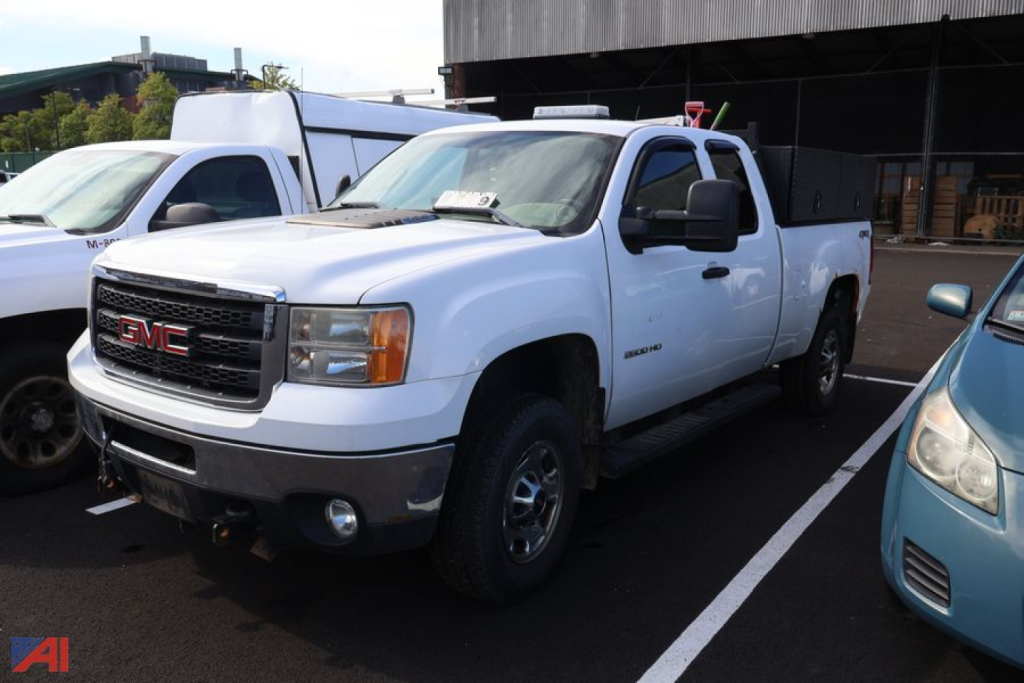
Looking for the easiest place to sell your used 2012 pickup 4wd truck? List it here to reach thousands of buyers.
Used 2012 Pickup 4wd Trucks
For 2012 pickups, the first decision is usually truck class. A 1500 or F-150 type truck fits lighter service, general transportation, and moderate trailer duty. A 2500 or 250/2500HD class truck is better suited for heavier bumper-pull trailers, tool bodies, spreaders, and plow prep. A 3500 or F-350 class truck is the right conversation when payload, rear axle capacity, or sustained towing is the priority. Cab configuration also changes usefulness more than many buyers expect. Regular cab trucks maximize bed length and often work well for municipal or utility use. Extended cab and crew cab trucks carry more personnel and gear but reduce bed length or add overall wheelbase. Common bed choices include short bed and long bed setups, and that choice affects turning radius, trailer stability, and toolbox space.
On used 2012 4x4 pickups, condition matters more than mileage alone. Many trucks in this segment have seen plow duty, salt exposure, trailer service, or idle-heavy municipal use. Frame corrosion, cab corners, rocker panels, brake lines, leaf spring hangers, and bed floors deserve close attention, especially in northern markets. If the truck is equipped with a snowplow or was used with one, inspect the front axle, steering linkage, transmission behavior, charging system, and evidence of front-end sag or mount repairs. Buyers should also verify axle ratio, tow package, integrated brake controller, receiver rating, and tire load range, because two similar-looking trucks can have very different real-world capability. On diesel models, service records for emissions components, injectors, cooling system, and fuel system are valuable. On gas trucks, pay attention to transmission shift quality, exhaust manifold issues, and overall maintenance history.
A strong 2012 4WD pickup can still be a very useful work truck when spec, condition, and intended application line up. Some are set up for plows, V-plows, or spreaders. Others are better suited for enclosed trailers, utility bodies, jobsite support, or general farm and ranch use. Buyers comparing listings should focus on GVWR, drivetrain, cab and bed layout, hitch equipment, rust level, and evidence of hard commercial use. Those factors usually matter more than trim level, and they will tell you much more about how the truck will perform in real working conditions.
Frequently Asked Questions about Used 2012 Pickup 4wd Trucks
What should I check first on a used 2012 4WD pickup truck?
Start with the truck’s intended job and confirm the chassis can actually handle it. Check GVWR, payload sticker, axle ratings, cab and bed configuration, and towing equipment before looking at appearance items. After that, inspect the frame, underbody, rocker panels, brake lines, transfer case operation, front axle components, and transmission performance. On trucks from snow-belt regions, corrosion and plow-related wear can have a bigger impact on value than odometer reading.
Is a 2012 1500 series 4x4 enough, or should I move up to a 2500 or 3500?
A 1500 series 4x4 is usually enough for lighter trailers, general transportation, service work, and moderate cargo loads. A 2500 class truck is a better fit for heavier towing, commercial equipment, snowplows, and sustained work use where stronger suspension, brakes, and axle capacity matter. A 3500 class truck is the better choice when payload and rear axle capacity are critical, especially for slide-in equipment, heavier tongue weights, or frequent hauling with minimal margin for overload.
Are used 2012 4WD pickups good for snowplow work?
Many 2012 4WD pickups are well suited for plow service, particularly three-quarter-ton and one-ton models with the proper front axle rating and plow prep equipment. The key is not just whether a plow is installed, but whether the truck was spec’d and maintained for that use. Look for front suspension wear, steering component wear, charging system capacity, transmission condition, and signs of frame or mount stress. A truck that has done years of plow work can still be serviceable, but it needs a closer mechanical inspection than a similar truck used only for highway miles.
What engine and drivetrain details matter most on a 2012 4x4 pickup?
The most important details are the engine type, transmission condition, axle ratio, and the health of the 4WD system. Gas engines can offer lower acquisition cost and simpler maintenance, while diesel engines may provide better torque for towing but come with higher repair exposure, especially if emissions systems have been neglected. Axle ratio affects towing performance, highway RPM, and launch feel under load. A proper test drive should include 2WD and 4WD operation, transfer case engagement, front-end noise checks, and confirmation that the truck tracks straight under braking and acceleration.
Does cab style really matter when buying a used 2012 pickup truck?
Yes, cab style changes how the truck works every day. A regular cab usually gives you more usable bed length and a shorter, simpler work-truck layout. An extended cab adds secure interior storage and occasional rear seating without the full footprint of a crew cab. A crew cab is best when the truck needs to carry a full crew, child seats, or jobsite gear inside, but it often comes with a shorter bed or longer wheelbase. That affects maneuverability, trailer clearance, and overall cargo flexibility.