
Used 2007 Pickup 4wd Trucks For Sale
Browse used 2007 4WD pickup trucks for sale. Compare gas and diesel options, cab styles, payload, towing capacity, and 4x4 work-ready features.
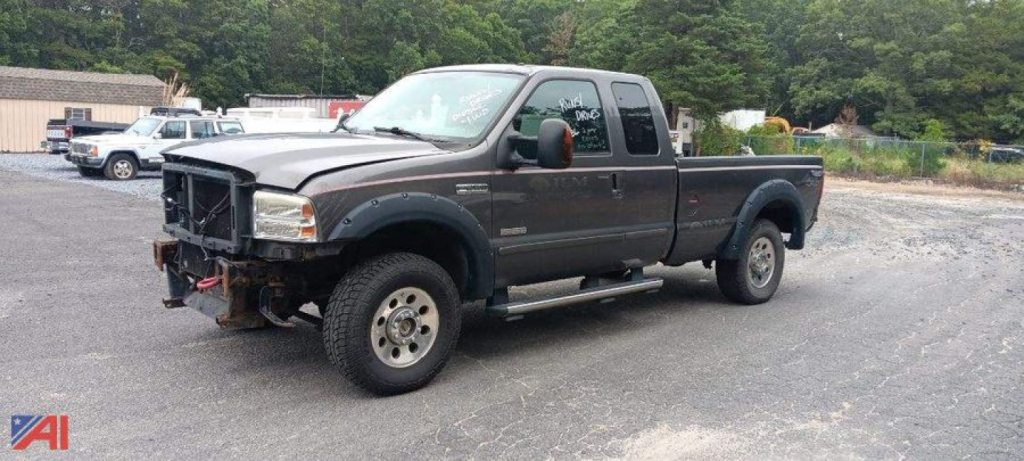
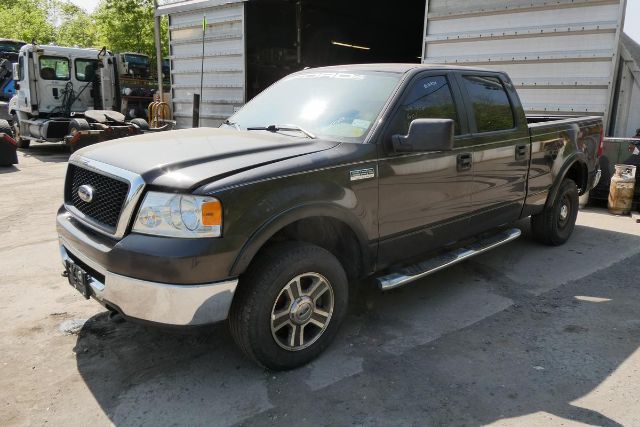
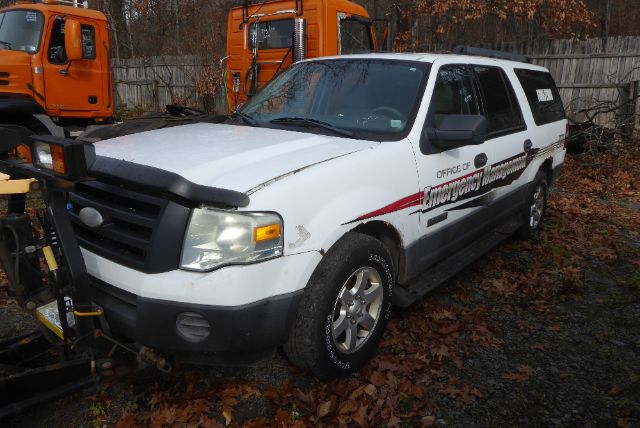
Looking for the easiest place to sell your used 2007 pickup 4wd truck? List it here to reach thousands of buyers.
Used 2007 Pickup 4wd Trucks
The first decision is usually engine and chassis rating. A 2007 half-ton 4x4 pickup is often the better fit for lighter service, mixed commuting, and occasional trailer duty, while 2500, 250, 3500, and 350 series trucks are built for heavier loads, plow setups, service bodies, and gooseneck or bumper-pull towing. Gas engines can be simpler and less expensive to maintain in older used trucks, while diesel-equipped heavy-duty pickups often bring more low-end torque and higher tow ratings but require closer attention to fuel system condition, emissions-era components, and maintenance history. Cab configuration matters too. Regular cab trucks maximize bed length and tend to suit fleet work, while extended cab and crew cab layouts add passenger space for work crews or family use.
On a used 2007 4x4 pickup, condition matters more than badge. Buyers should inspect frame and cab rust closely, especially on trucks from snow-belt states where salt exposure can affect brake lines, fuel lines, crossmembers, rocker panels, and spring hangers. Check transfer case engagement, front differential operation, locking hubs if equipped, U-joints, steering components, and front suspension wear. Heavy-duty pickups that previously carried plows or towed hard should be checked for front-end wear, transmission performance, cooling system condition, and signs of overload such as sagging springs or uneven tire wear. Bed condition, hitch setup, brake controller installation, and axle ratio are also worth confirming because they directly affect how the truck will perform in real work.
A 2007 4WD pickup can cover a wide range of applications, from a basic ranch or contractor truck to a winter-service or utility support unit. Many buyers look for practical features such as long bed configurations, tow packages, limited-slip or locking differentials, integrated trailer wiring, skid plates, and snowplow prep equipment. If the truck will spend time on tight residential routes or light service work, a smaller 4x4 pickup may offer easier maneuverability and lower operating cost. If the job includes equipment hauling, material loads, or regular trailer use, stepping into a three-quarter-ton or one-ton chassis usually makes more sense. The best used 2007 pickup 4x4 is the one with the right axle, cab, bed, and service history for the work it needs to do.
Frequently Asked Questions about Used 2007 Pickup 4wd Trucks
What should I check first on a used 2007 4WD pickup truck?
Start with the frame, underbody, and 4x4 system. Rust is one of the biggest value and safety factors on older pickups, especially around brake lines, suspension mounts, cab corners, rocker panels, and crossmembers. After that, verify transfer case operation, front axle engagement, steering play, suspension wear, transmission shift quality, and tire condition. Service records and evidence of previous plow or heavy towing use can tell you a lot about how hard the truck has worked.
Is a 2007 half-ton 4x4 pickup enough, or should I buy a heavy-duty model?
That depends on payload and towing demands. A half-ton 4x4 works well for lighter trailers, jobsite visits, property maintenance, and general use. A three-quarter-ton or one-ton pickup is the better choice for heavier tongue weights, plow work, loaded utility trailers, equipment hauling, and service body applications. Buyers should compare GVWR, rear axle rating, tow rating, and bed payload instead of assuming all 4x4 pickups in this year range perform the same.
Are gas or diesel 2007 4WD pickups better for used buyers?
Gas trucks are often easier to buy and maintain in the used market, especially if the truck will see moderate miles and lighter towing. Diesel pickups typically offer stronger torque and better performance under heavy loads, but repair costs can be higher and condition becomes more critical as the truck ages. The right choice comes down to annual mileage, trailer weight, maintenance budget, and whether the truck will be used as a daily driver or a dedicated work unit.
How important is cab and bed configuration on a 2007 4x4 pickup?
It matters more than many buyers expect because it affects wheelbase, payload balance, passenger room, and overall usability. A regular cab with a long bed is often preferred for fleet work, tools, and material hauling. Extended cab and crew cab trucks add interior space but can reduce bed length unless paired with a longer wheelbase. Buyers should match the truck layout to how it will actually be used, especially if towing, carrying crews, or working in tight spaces.
Can a used 2007 4WD pickup still be a good plow or winter-service truck?
Yes, if the front axle, suspension, cooling system, charging system, and transmission are in good condition. Older 4x4 pickups are commonly used for snowplowing because they are relatively straightforward to equip and repair. The key is confirming that the truck has not already been worn out by prior plow duty. Look for front-end wear, frame corrosion, electrical add-ons, ballast-related bed damage, and signs of repeated heavy winter use before putting a plow back on the truck.