
Used 2003 Pickup 4wd Trucks For Sale
Have used 2003 pickup 4wd truck to sell? List it here to reach thousands of buyers.
Used 2003 Pickup 4wd Trucks
Powertrain choice is a major decision in this category. Common 2003 4x4 pickups came with gasoline V8s and, in heavier-duty models, available diesel engines. Gas trucks are typically simpler and may fit lighter-duty municipal, property maintenance, and local hauling work. Diesel-powered 2500 and 3500 series pickups are usually preferred when the truck will spend more time towing equipment, hauling heavier payloads, or running long distances. Buyers should confirm transmission condition, axle ratio, locking or limited-slip differential setup, and whether the truck has a manual floor-shift transfer case or electronic shift-on-the-fly system. On older 4WD pickups, front differential seals, U-joints, hub assemblies, steering linkage, and brake line condition deserve close attention.
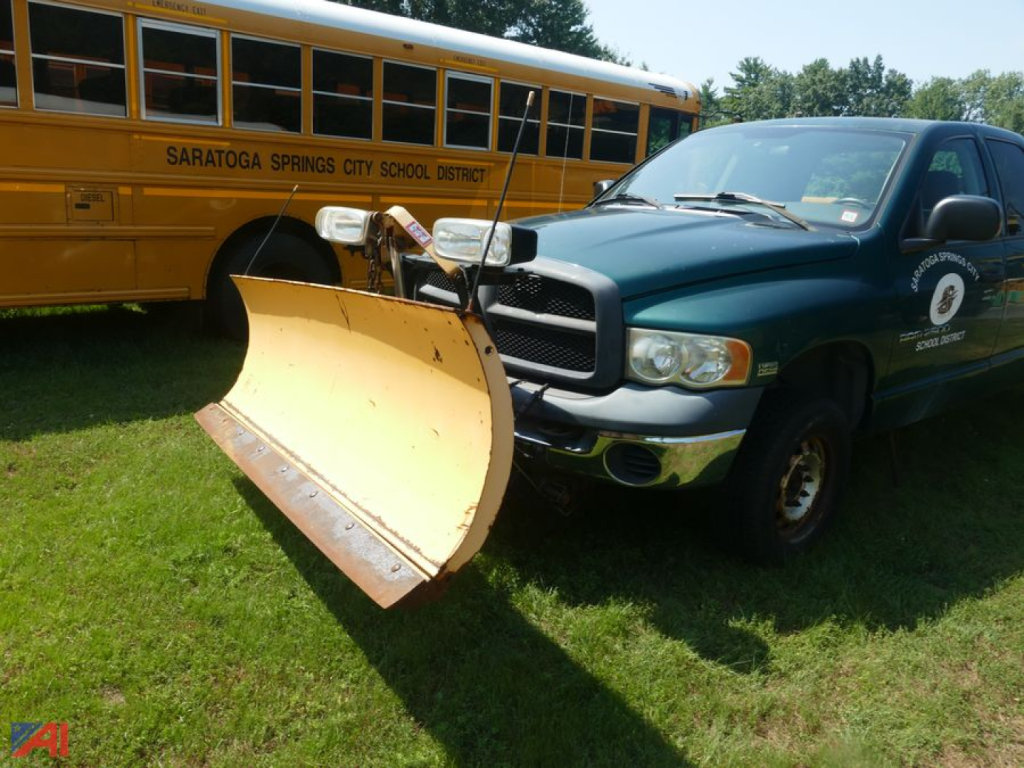
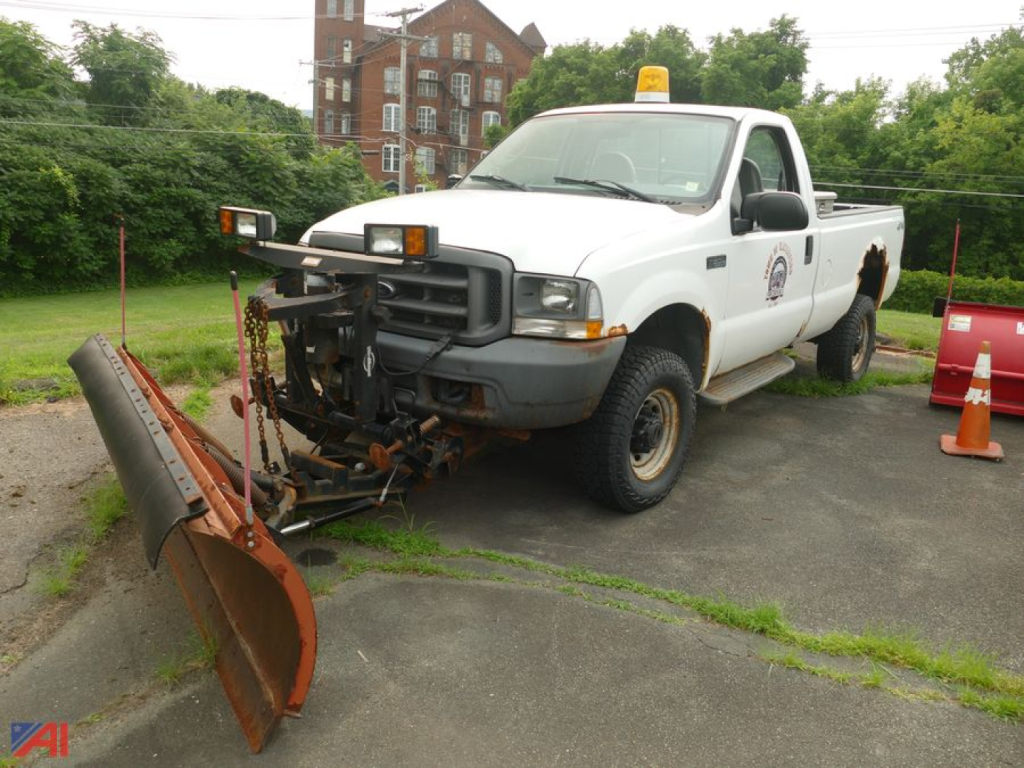
Cab configuration and bed length affect usability as much as engine size. Regular cab long-bed trucks generally maximize bed space and can be a good fit for service bodies, fuel transfer tanks, and jobsite material handling. Extended cab and crew cab models add passenger room but reduce turning ease and can change effective payload depending on trim and equipment. Many buyers also look for receiver hitches, trailer brake controllers, gooseneck or fifth-wheel prep, bed liners, toolboxes, and snow-plow mounts. If a 2003 4WD pickup has already seen plow duty, inspect the front frame horns, suspension sag, charging system, and cooling system carefully. Tire size, load range, and matching tread on all four corners are especially important on four-wheel-drive trucks to avoid driveline bind and uneven wear.
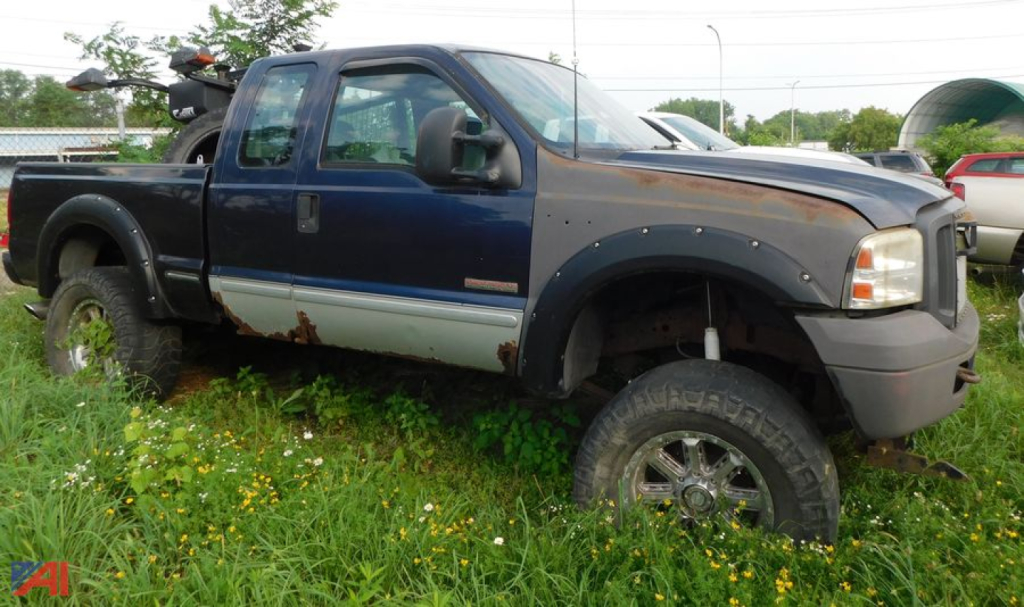
For buyers comparing listings, the smartest approach is to match the truck to the job instead of shopping by badge alone. A 1500-series 4WD pickup may be enough for light trailers, winter access, and mixed personal-commercial use. A 2500HD or 3500 class truck is the better tool when payload, tongue weight, or trailer stability are the priority. In a used 2003 pickup, lower upfront cost can be offset by deferred maintenance, so inspection of the frame, cab mounts, rocker panels, transfer case, transmission, and front-end components is essential. The best used 2003 4WD pickups are the ones with consistent maintenance, correct capacity for the workload, and no mismatch between the truck's ratings and the job it is expected to do.
Frequently Asked Questions about Used 2003 Pickup 4wd Trucks
What should I inspect first on a used 2003 4WD pickup truck?
Start with the frame, rocker panels, cab corners, brake lines, and suspension mounting points for rust or repairs. Then verify that four-wheel drive engages properly in both high and low range, with no grinding, clunking, or warning lights. On a truck of this age, front-end wear is common, so ball joints, tie rods, wheel bearings, U-joints, and shocks should be checked closely. Service records and tire condition also help show whether the truck was maintained or simply kept running.
Is a 2003 half-ton 4WD pickup enough, or should I look for a 2500 or 3500?
That depends on payload and towing demands. A half-ton 4WD pickup is usually suitable for lighter trailers, general utility work, and winter driving, but it can reach its limits quickly with heavy equipment, plows, or constant hauling. A 2500 or 3500 truck typically offers stronger axles, stiffer suspension, higher GVWR, and better durability under load. Buyers should compare the truck's actual weight ratings to the job rather than assuming all 4WD pickups perform the same.
Are diesel 2003 4WD pickups better than gas models?
Diesel trucks in this year range are often favored for heavier towing and longer-duty cycles because they generally deliver better low-end torque and can hold value well. Gas engines may be the better fit for lighter work, lower annual mileage, and buyers who want a simpler powertrain with potentially lower repair costs. The right choice depends on usage, maintenance history, and total operating cost, not just fuel type. On either engine, a thorough inspection matters more than the badge on the fender.
How can I tell if a used 2003 4WD pickup was used as a plow truck?
Look for plow mounts, extra wiring, control brackets in the cab, upgraded front springs, and wear around the front frame horns. Check for front suspension sag, charging system upgrades, rust from winter salt exposure, and stress cracks or repairs near the plow attachment points. Plow use does not automatically make a truck a poor buy, but it does increase the importance of inspecting the front axle, steering components, cooling system, and transmission condition.
What specs matter most when comparing used 2003 4WD pickup listings?
GVWR, axle ratings, cab style, bed length, engine, transmission, axle ratio, and transfer case type are the core specs to compare first. After that, look at hitch equipment, tire load range, differential setup, wheelbase, and any work-related add-ons such as toolboxes, fuel tanks, or gooseneck hardware. Those details determine how the truck will perform in real service. On older pickups, correct configuration is just as important as mileage because the wrong setup can limit towing, payload, and drivability.