
Pickup 4wd Trucks For Sale in Louisiana
Have pickup 4wd truck to sell? List it here to reach thousands of buyers.
Pickup 4wd Trucks in Louisiana
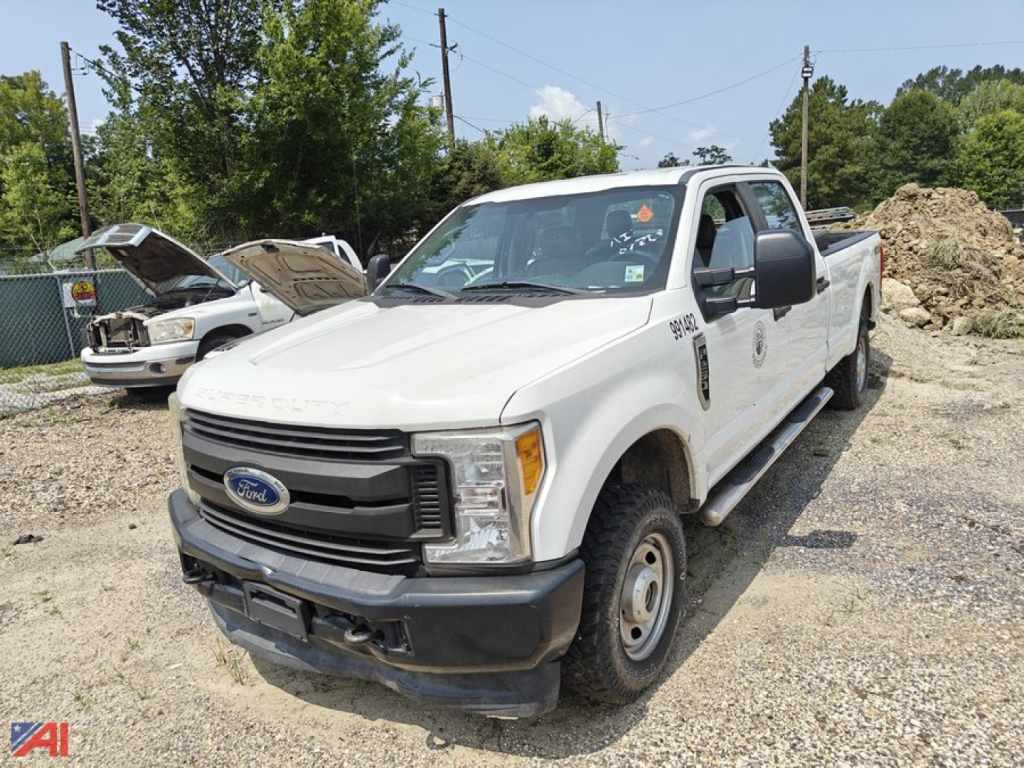
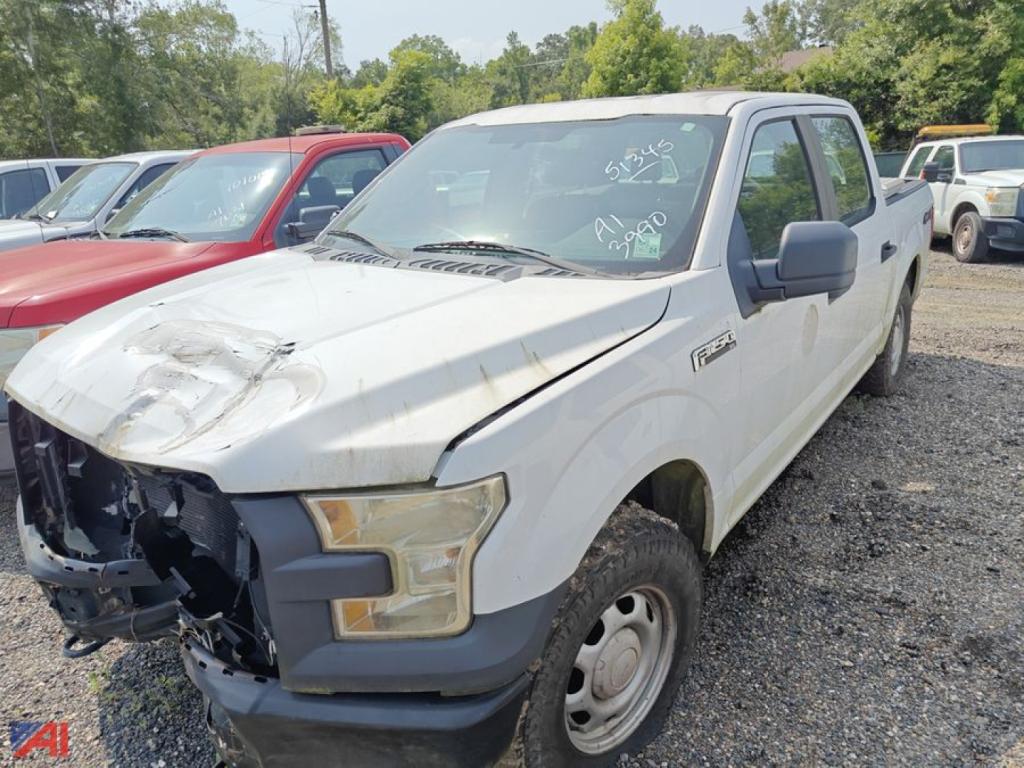
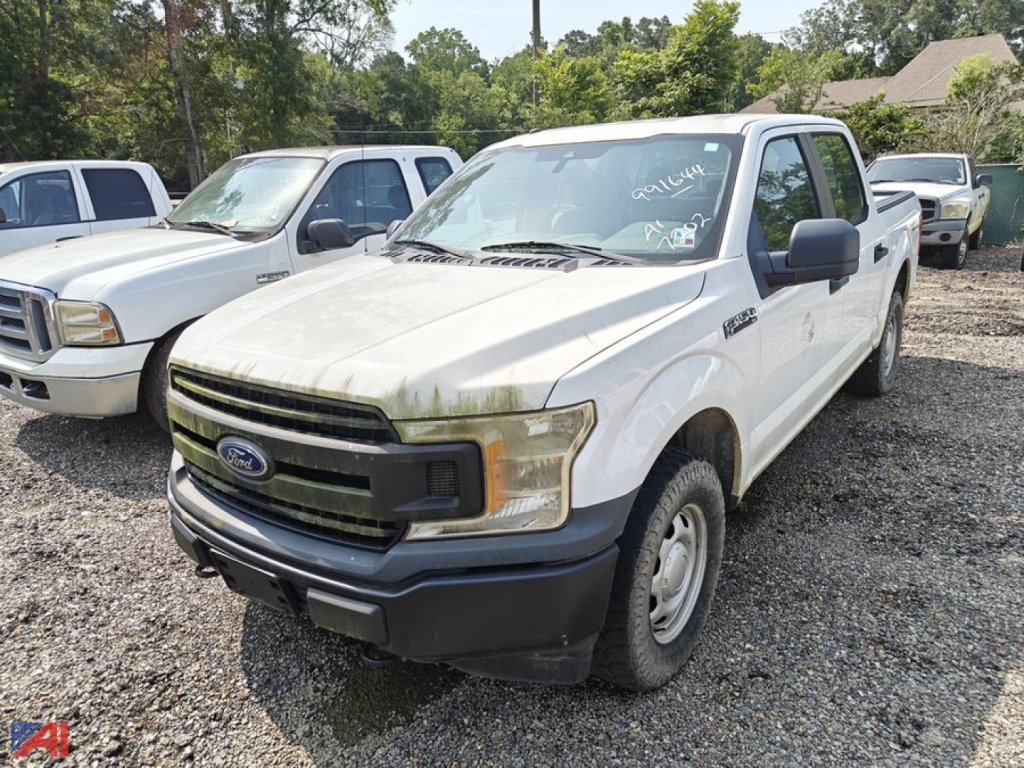
The biggest buying decision is usually half-ton versus heavy-duty. A 1500 or F-150 class truck is easier to live with as a daily driver and often fits municipal, utility, inspection, and light contractor work well. These trucks commonly offer crew cab configurations, short or standard beds, gasoline V8 or turbocharged gas engines, and towing capacity that can handle trailers, small equipment, and materials. A 2500 or F-250 class truck is better suited for heavier trailers, palletized payloads, diesel engine options, and more demanding service cycles. Buyers should compare GVWR, payload sticker ratings, rear axle ratio, wheelbase, and hitch setup instead of relying on model badge alone, since those specs determine real-world capability.
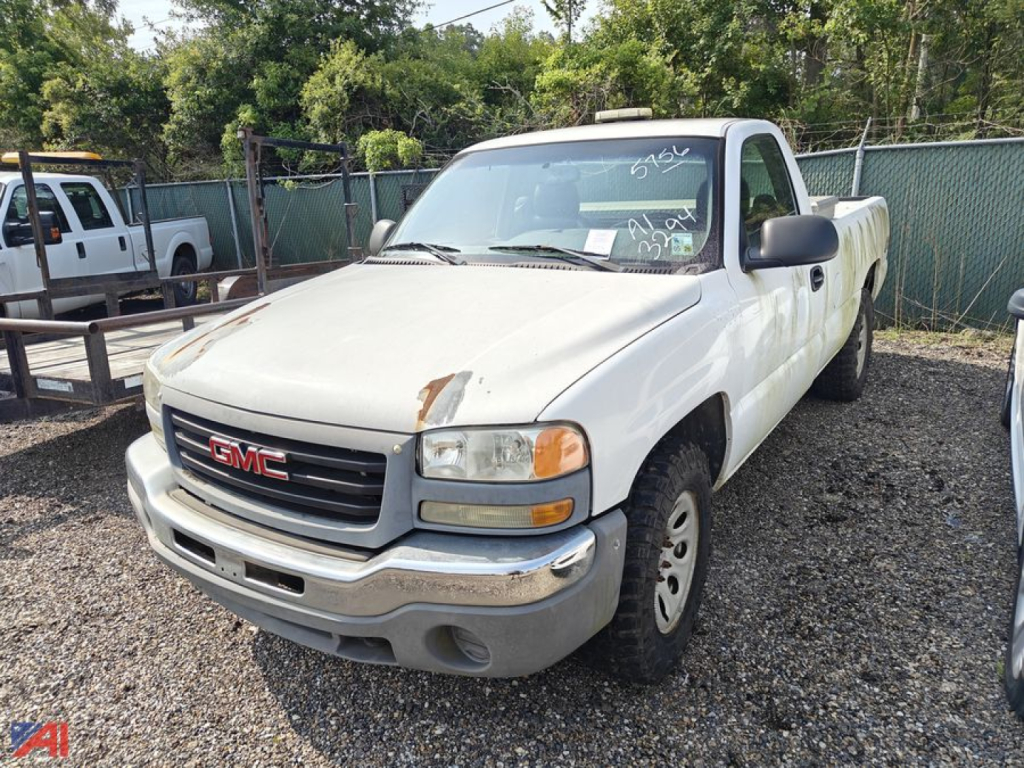
Cab and bed configuration matter as much as drivetrain. Crew cab 4WD pickups are common because they carry a full work crew while still leaving room for tools, fuel cans, and job boxes in the bed. Regular cab and extended cab layouts can make sense when bed length and maneuverability are more important than rear-seat space. Bed features like spray-in liners, gooseneck or fifth-wheel prep, tie-down points, bed covers, and headache racks can affect how ready a truck is for field service. On used 4WD pickups, pay close attention to transfer case operation, front differential condition, automatic locking hubs or actuator function, frame corrosion, suspension wear, and signs of hard towing use. In Gulf Coast service, underbody exposure to mud, standing water, and humidity makes driveline and electrical inspection especially important.
Engine choice often comes down to operating cost, towing demands, and maintenance preferences. Gas-powered 4x4 pickups usually cost less to maintain and are a practical fit for lighter annual mileage or stop-and-go municipal work. Diesel-equipped heavy-duty pickups can deliver stronger low-end torque for frequent towing, but buyers should account for emissions system maintenance, higher parts costs, and idle-hour history. Other useful specs to compare include 4WD shift type, locking or limited-slip rear differential, integrated trailer brake controller, towing mirrors, tire condition, brake life, and service body compatibility. A good 4WD pickup should match the surface conditions, trailer weight, crew needs, and duty cycle of the work it is expected to handle.
Frequently Asked Questions about Pickup 4wd Trucks in Louisiana
What is the difference between a half-ton and a three-quarter-ton 4WD pickup?
A half-ton 4WD pickup, such as an F-150 or 1500-series truck, is generally intended for lighter payloads, lower trailer weights, and more mixed daily driving. A three-quarter-ton truck, such as an F-250 or 2500-series model, is built with a heavier frame, suspension, axle, and braking package to support higher GVWR and towing demands. The actual capability depends on the exact configuration, so buyers should verify the door-sticker payload rating, axle ratio, engine, and hitch equipment.
Is 4WD worth it on a work pickup in Louisiana?
For many Louisiana buyers, 4WD is worth the added cost because traction can be the difference between reaching the site and getting stuck. Muddy right-of-ways, oilfield access roads, storm cleanup areas, wet fields, and soft shoulders are common use cases where 4WD adds real value. It also improves confidence when towing on loose or uneven surfaces, although it does not increase braking performance and should not be treated as a substitute for proper tires and load management.
What should I inspect first on a used 4WD pickup truck?
Start with the transfer case, front axle engagement, driveshafts, and evidence that the 4WD system actually operates correctly under load. Then inspect the frame, suspension, steering components, brakes, tires, and bed for signs of heavy commercial use or corrosion. Service records, idle hours if available, transmission behavior, and hitch wear are also important because many 4WD pickups spend their lives towing, hauling, or idling on jobsites.
Which engine is better in a 4WD pickup, gas or diesel?
Gas engines are often the better fit for lighter towing, shorter routes, and buyers who want simpler maintenance and lower repair exposure. Diesel engines make more torque at low rpm and are usually preferred for regular heavy towing or higher annual mileage, especially in heavy-duty pickups. The tradeoff is higher upfront cost and more complex emissions-related maintenance, so the best choice depends on trailer weight, duty cycle, and service budget.
What specs matter most when comparing 4WD pickups for sale?
The most important specs are GVWR, payload rating, towing rating for the exact configuration, rear axle ratio, cab style, bed length, wheelbase, and engine type. Buyers should also look at the 4WD system design, locking or limited-slip differential, tire size and condition, brake controller, receiver or gooseneck setup, and any work-ready additions such as toolboxes or bed liners. These details affect how the truck will perform far more than the model name by itself.