
2011 Ford Pickup 4wd Trucks For Sale
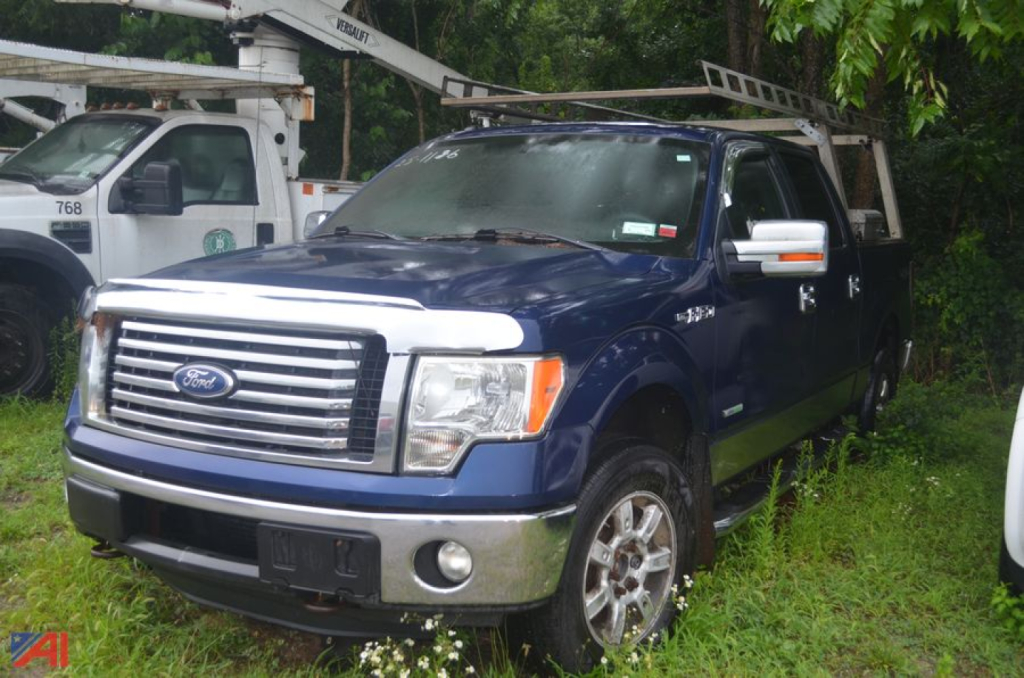
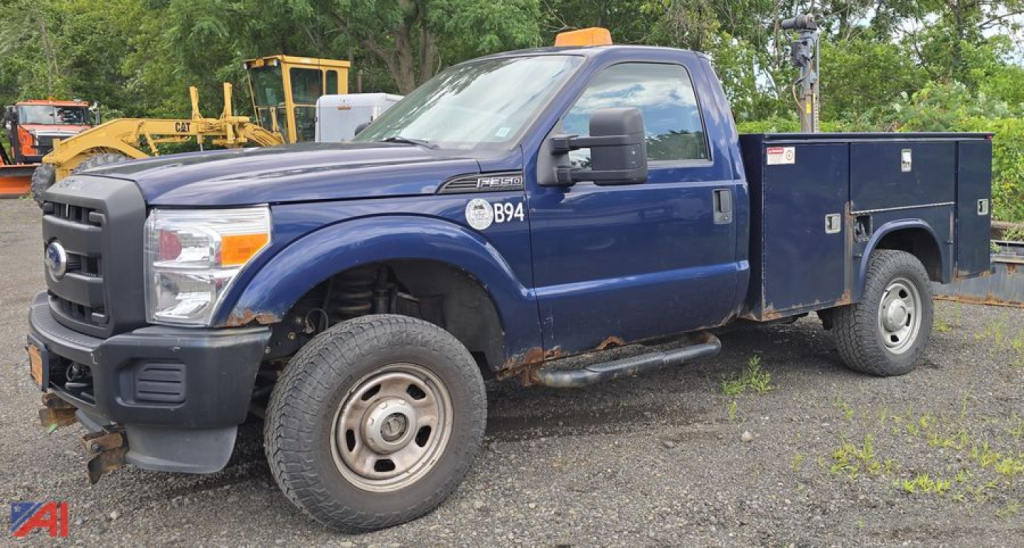
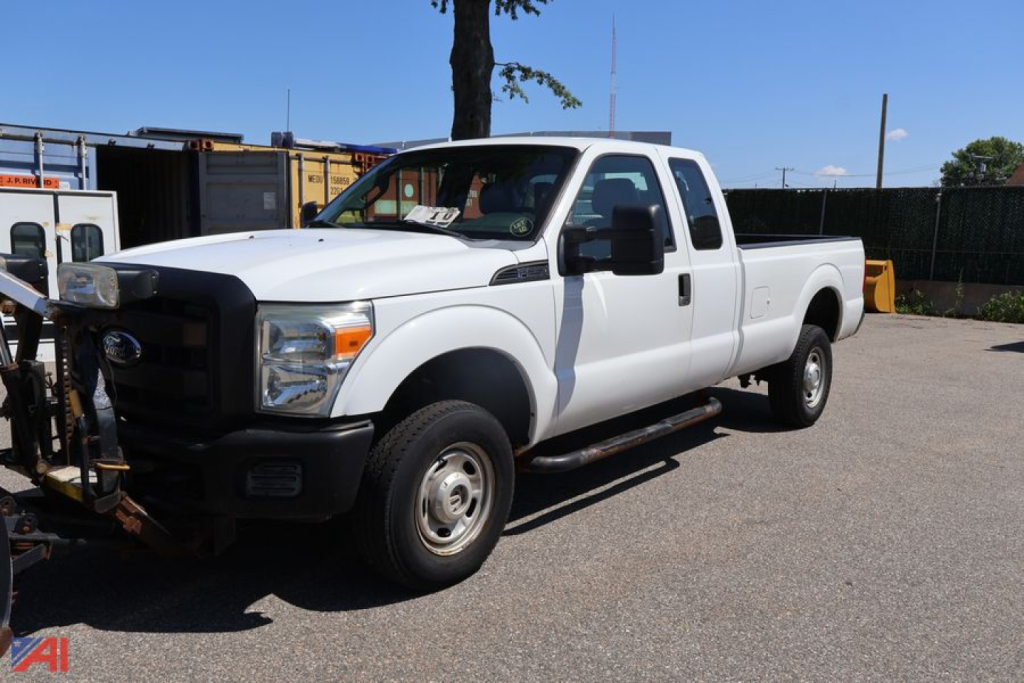
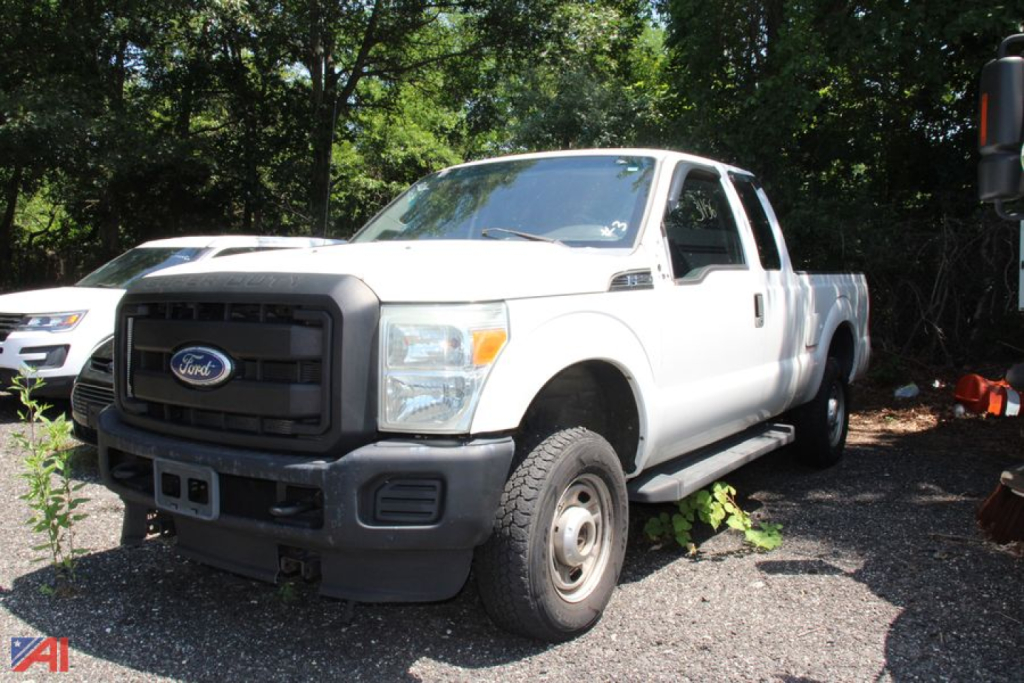
Have 2011 ford pickup 4wd truck to sell? List it here to reach thousands of buyers.
2011 Ford Pickup 4wd Trucks
Engine choice is one of the biggest buying decisions in this category. In 2011, Ford F-150 4x4 pickups were commonly found with V6 and V8 gas engines, while Super Duty models often came with gas V8 or diesel power depending on the application. Buyers looking at a work truck should pay close attention to axle ratio, transfer case operation, GVWR, and whether the truck has a factory towing package, integrated brake controller, or locking rear differential. Bed length also affects usability. A short bed crew cab works well in tighter urban service environments, while an 8-foot bed on an F-250 or F-350 is more practical for pallets, fuel tanks, compressors, and contractor equipment. If the truck has a cap, service body conversion, emergency package, or police-spec equipment, inspect how the upfit was installed and whether wiring, charging systems, and mounting points were fleet-grade.
On used 2011 Ford 4x4 pickups, condition matters as much as spec. These trucks are often bought for snow work, utility duty, construction support, farm use, and municipal service, so underbody corrosion, front suspension wear, drivetrain noise, and transfer case engagement should be checked closely. On Super Duty trucks, buyers should inspect steering components, brake condition, spring packs, and signs of repeated overload. On F-150 models, pay attention to frame condition, cab corners, rocker panels, and the overall service history. Tire size and tread wear can also tell you a lot about alignment, suspension condition, and whether the truck spent most of its life on pavement or in off-road duty.
Cab layout, trim level, and equipment package will usually determine day-to-day value more than cosmetics alone. A basic XL or fleet-spec truck may be the right choice for straightforward work use, while XLT or higher trims may add towing, comfort, and electrical features that matter for long service routes or supervisor use. If the truck is intended for a trailer, verify receiver rating, fifth-wheel or gooseneck prep if applicable, and actual payload on the door sticker instead of relying on brochure numbers. For buyers comparing listings, the best 2011 Ford pickup 4wd truck is usually the one with the right chassis capacity, clean maintenance history, and an application-specific setup that matches the job.
Frequently Asked Questions about 2011 Ford Pickup 4wd Trucks
What is the difference between a 2011 Ford F-150 4x4 and a 2011 Ford Super Duty 4x4?
The main difference is chassis capacity. A 2011 Ford F-150 4x4 is a light-duty pickup designed for general hauling, lighter trailer work, and mixed on-road use. A 2011 Ford F-250 or F-350 Super Duty 4x4 is built for heavier payloads, larger trailers, tougher jobsite use, and more demanding commercial applications. Super Duty models typically have stronger frames, heavier suspension components, higher GVWR ratings, and more serious towing capability.
What should I inspect first on a used 2011 Ford 4wd pickup truck?
Start with the frame, underbody, and 4x4 system. Check for rust, corrosion around suspension mounting points, transfer case operation, front hub engagement if equipped, driveshaft condition, and axle leaks. Then review engine performance, transmission shifting, brake wear, steering play, and tire wear patterns. On fleet or municipal units, inspect any cap, emergency lighting, auxiliary wiring, or service-body modifications to make sure the truck was upfitted properly and not altered in a way that creates electrical or structural issues.
Is a 2011 Ford 4x4 pickup a good choice for towing?
Yes, if the truck is matched correctly to the trailer. A 2011 Ford F-150 4x4 can be a solid towing platform for moderate trailer weights, while F-250 and F-350 4x4 trucks are better suited for heavier equipment, livestock, flatbed, and contractor trailers. Buyers should confirm the engine, axle ratio, hitch rating, brake controller, cooling package, and door-sticker payload before assigning towing duty. Actual truck configuration matters more than model name alone.
Are 2011 Ford 4wd pickups commonly used in fleet and municipal service?
Yes. This model year is commonly seen in municipal, police, emergency, utility, and public works applications. Many trucks were ordered in XL or fleet trims with caps, warning lights, tool storage, or special electrical systems. That can be a benefit if the truck was maintained on schedule, but buyers should inspect idle hours, wiring quality, body drilling, and evidence of hard stop-and-go service. A former fleet truck can be a practical work vehicle if its maintenance record and condition support it.
Which cab and bed configuration is best on a 2011 Ford 4x4 pickup?
The best configuration depends on the job. A regular cab with a long bed usually offers the most straightforward cargo utility and is common in fleet service. A SuperCab balances rear storage with manageable overall length. A crew cab is often preferred when carrying a full crew or using the truck as a supervisor vehicle, but it may come with a shorter bed unless paired with a longer wheelbase. Buyers should choose based on passenger needs, turning radius, trailer use, and the cargo they expect to carry every day.