
Dodge Pickup 4wd Trucks For Sale
Shop Dodge 4WD pickup trucks for sale. Compare Ram 1500, 2500, and 3500 specs, cab styles, bed lengths, engines, and towing capability.
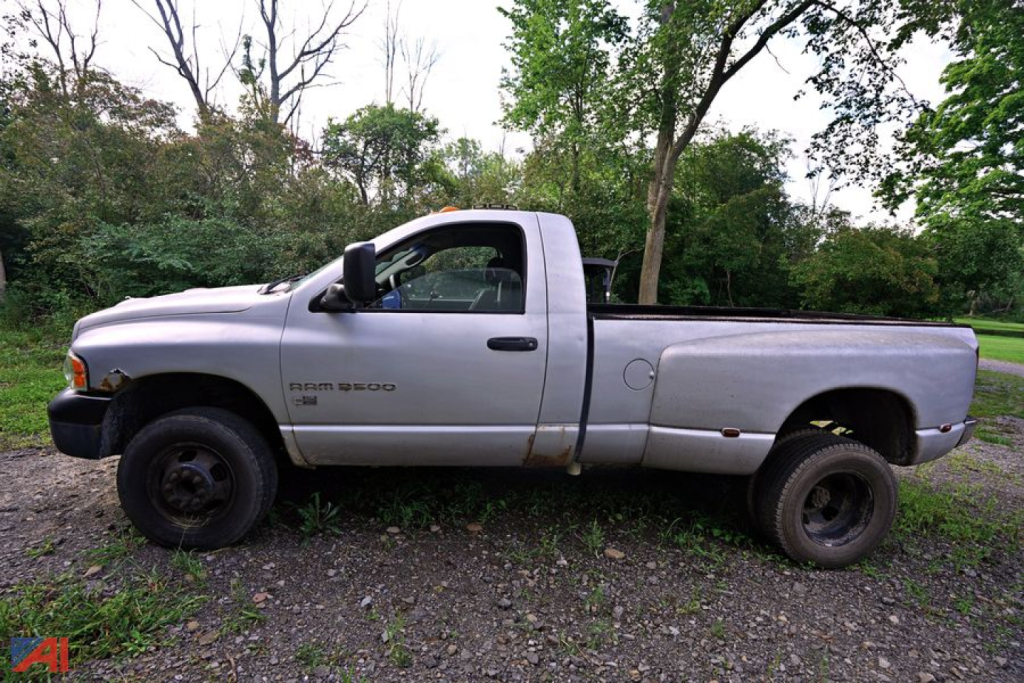
Have dodge pickup 4wd truck to sell? List it here to reach thousands of buyers.
Dodge Pickup 4wd Trucks
Powertrain choice matters because it affects towing behavior, fuel cost, maintenance, and long-term durability. Common gas engines include the 5.7L HEMI V8, which is widely known for strong everyday performance, solid towing manners, and broad parts availability. In heavier models, buyers may also come across diesel options that offer more low-end torque for pulling equipment, livestock, or enclosed trailers. Transmission type, axle ratio, and transfer case setup are worth checking closely on any 4x4 pickup, since these directly affect launch under load, highway RPM, off-road traction, and snow or mud performance.
Cab configuration and bed length should match the truck's actual job. Crew Cab trucks offer better rear-seat space for work crews or family use, while Quad Cab and Regular Cab setups can improve maneuverability or keep wheelbase shorter for tighter sites. Short bed trucks are easier to park and turn, but long bed configurations usually provide better cargo flexibility and can be preferred for toolboxes, slide-in setups, and certain hitch applications. Buyers should also look at rear suspension design, wheel and tire size, receiver hitch ratings, brake controller equipment, and trim-level features such as cloth versus leather seating, integrated trailer controls, and infotainment systems.
Condition still matters more than badges and options. On a used Dodge 4WD pickup, pay close attention to frame and underbody corrosion, front-end wear, transfer case engagement, differential noise, exhaust manifold bolt issues on HEMI-equipped trucks, and signs of hard towing use. Service records, tire wear pattern, drivetrain vibration, and any aftermarket lift, wheel, or tuning modifications can tell you a lot about how the truck was operated. A clean, correctly spec'd Dodge 4x4 pickup can serve as a dependable tow vehicle, ranch truck, contractor unit, or all-weather daily driver, but the right match comes from comparing axle, cab, bed, engine, and intended workload together.
Frequently Asked Questions about Dodge Pickup 4wd Trucks
What is the difference between a Dodge 1500 4x4 and a 2500 or 3500 4x4?
The main difference is duty rating and chassis strength. A 1500 is a light-duty pickup that usually rides better unloaded and fits mixed-use driving, commuting, and moderate towing. A 2500 or 3500 is built with heavier suspension, stronger axles, higher payload capacity, and greater trailer capability. Buyers planning to haul equipment, tow gooseneck or bumper-pull trailers regularly, or carry heavier bed loads should usually start with a 2500 or 3500 instead of a half-ton truck.
Is the 5.7L HEMI a good engine in a Dodge 4WD pickup?
The 5.7L HEMI is a common and well-regarded gas engine in Dodge and Ram pickups because it offers strong horsepower, good throttle response, and solid towing performance for many light-duty applications. It is especially popular in 1500-series trucks. Buyers should still inspect maintenance history carefully and check for common used-truck issues such as exhaust manifold bolt problems, cooling system condition, ignition component wear, and signs of neglected oil service. A well-maintained HEMI truck can be a strong choice for buyers who want gas-engine simplicity without stepping into diesel maintenance costs.
What should I inspect on a used Dodge 4x4 pickup before buying?
Start with the frame, rocker panels, cab corners, and underbody for rust or repair work. Then inspect four-wheel-drive operation, transfer case engagement, front differential condition, U-joints, CV axles where equipped, steering play, and suspension wear. Tire wear can reveal alignment or front-end issues, and uneven ride height may point to suspension fatigue or modification problems. It is also smart to verify towing equipment, receiver condition, brake controller function, and whether any aftermarket lifts, oversized tires, or engine tuning have changed the truck's original operating profile.
Which cab and bed configuration is best on a Dodge 4WD pickup?
That depends on how the truck will be used day to day. Crew Cab models are usually best for carrying passengers or work crews because they offer the most rear-seat room. Regular Cab and smaller extended cab configurations can be easier to maneuver and may leave more room for bed length within a shorter overall truck. A short bed improves parking and urban usability, while a long bed is typically better for hauling materials, adding jobsite tool storage, and supporting certain towing or slide-in cargo applications.
Are older Dodge 4WD pickups and newer Ram 4x4 pickups basically the same category?
In the used truck market, many buyers shop them together because Dodge and Ram naming overlaps across different model years. Older trucks are often listed as Dodge pickups, while newer units are commonly branded as Ram. They still fall into the same general family of full-size 4WD pickups, and buyers typically compare them by series, engine, cab style, bed length, axle setup, and condition rather than by badge alone. Understanding that naming transition helps when comparing listings across multiple years.