
Used 2008 Pickup 2wd Trucks For Sale
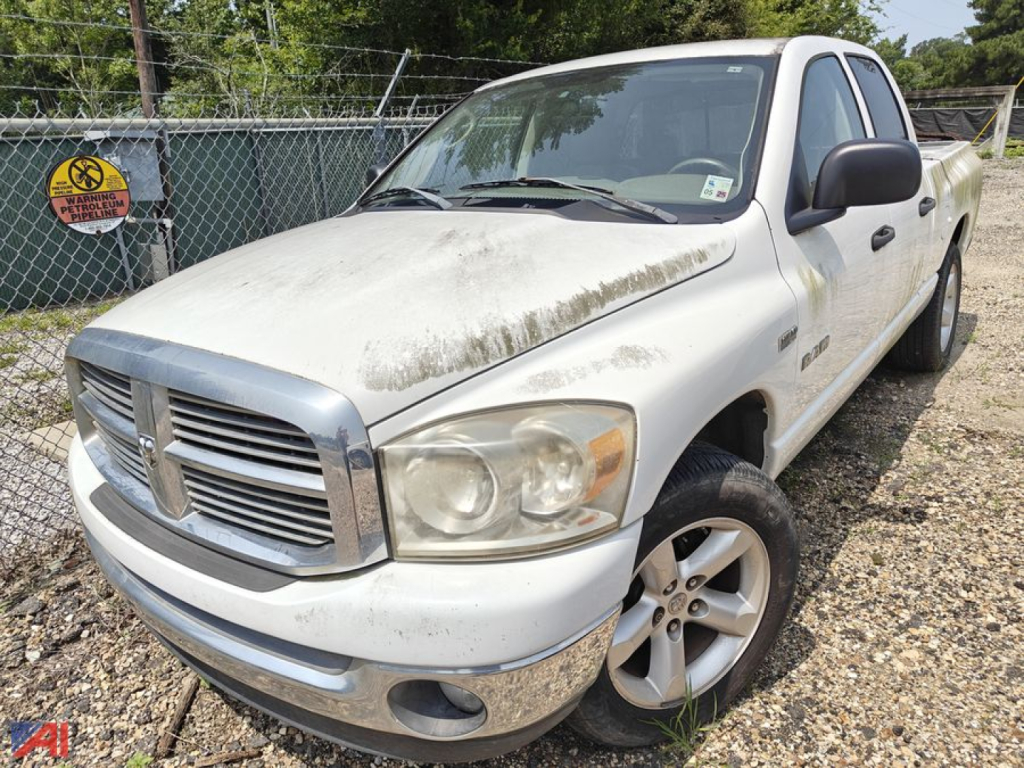
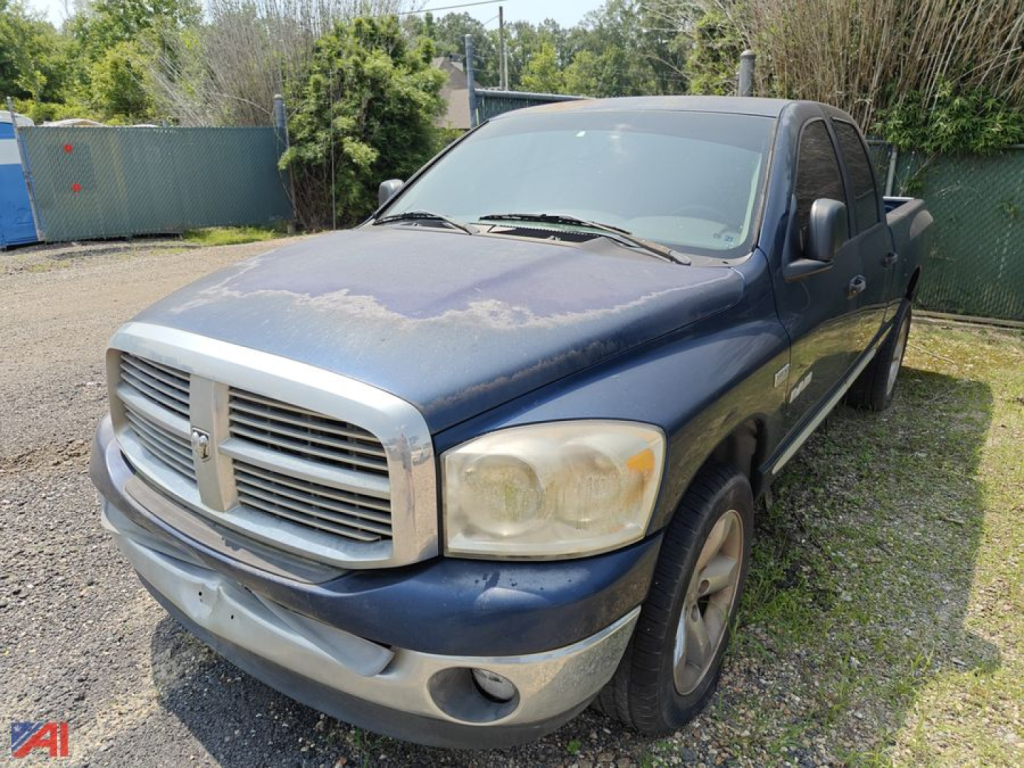
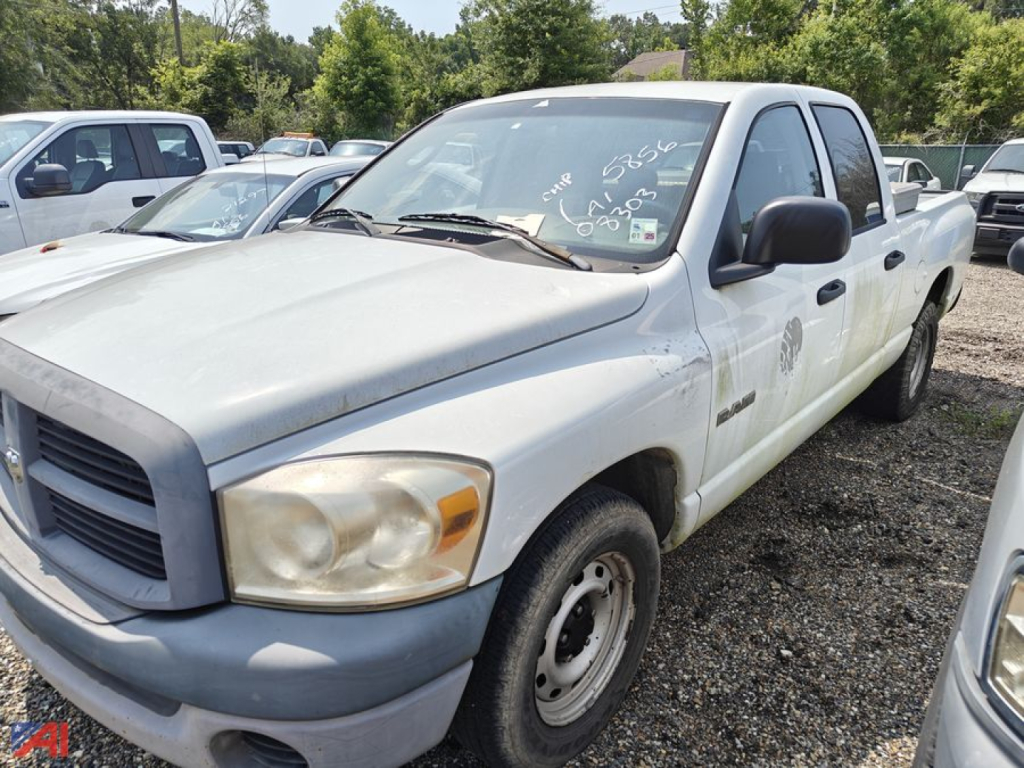
Have used 2008 pickup 2wd truck to sell? List it here to reach thousands of buyers.
Used 2008 Pickup 2wd Trucks
Powertrain and chassis details matter more than appearance on an older used pickup. Many 2008 2WD trucks were equipped with V6 or V8 gas engines, while some heavy-duty models may carry a diesel. Transmission choice is typically a 4-speed or 5-speed automatic in light-duty applications, with heavier trucks sometimes offering stronger commercial-grade automatics. Check the rear axle ratio, GVWR, wheelbase, bed length, and cab configuration because those factors determine how the truck actually works. A regular cab long bed may be the best tool for equipment, materials, or utility body conversion, while extended cab and crew cab trucks trade some bed efficiency for passenger space. On 2WD pickups, buyers should pay close attention to rear differential condition, leaf spring wear, steering play, front suspension components, brake line corrosion, and frame rust, especially on trucks that spent time in snow-belt states.
For work use, payload and bed condition usually deserve more scrutiny than trim level. Inspect the box floor, wheel housings, tailgate, hitch area, and receiver mounting points for signs of overloading or repeated trailer service. If the truck has towing equipment, confirm brake controller function, wiring condition, and any evidence of transmission heat stress. Fleet and municipal units can be good values when maintenance records are available, but idle hours, PTO history, and repeated short-trip operation still matter. On a 2008 pickup, it is also worth checking for common age-related issues such as worn seat bolsters, HVAC problems, instrument cluster faults, window regulator failure, and deferred maintenance on cooling and ignition systems. Tires should match in size and load rating, and uneven wear can point to alignment or front-end issues.
Buyers comparing used 2008 pickup 2WD trucks should match the truck to the job instead of shopping by advertised towing number alone. A midsize 2WD pickup can be easier to park, cheaper to fuel, and ideal for light cargo or service calls. A 3/4-ton or 1-ton 2WD pickup is better suited for trailers, palletized materials, utility work, and higher payload demands. If the truck will spend most of its time on pavement, a 2WD pickup can be a practical commercial platform with fewer drivetrain parts to maintain than a four-wheel-drive model. The best unit in this category is usually the one with clear service history, a sound frame, correct axle and suspension ratings, and evidence that it has been worked within its limits.
Frequently Asked Questions about Used 2008 Pickup 2wd Trucks
What are the main advantages of a 2008 2WD pickup truck compared with a 4x4?
A 2008 2WD pickup truck typically costs less to buy, weighs less, and has fewer drivetrain components to service than a comparable 4x4. That can mean lower maintenance expense over time, easier access to components, and better fuel economy in similar configurations. For buyers operating mainly on paved roads, job sites with firm surfaces, or municipal routes, rear-wheel drive is often fully adequate. The tradeoff is reduced traction in mud, snow, and unimproved terrain, so intended operating conditions should drive the decision.
What should I inspect first on a used 2008 pickup 2WD truck?
Start with the frame, suspension, brakes, tires, and drivetrain. On a 2008 model, rust and corrosion can be more important than mileage, especially around frame rails, cab mounts, brake lines, and spring hangers. Then verify engine condition, transmission shift quality, differential noise, steering looseness, and evidence of overheating or neglected fluid service. Bed damage, hitch wear, and mismatched tires can also reveal how the truck was used.
Is a 2008 2WD pickup good for towing and payload work?
Yes, but capacity depends entirely on whether the truck is a midsize, half-ton, or heavy-duty model. A 2008 Chevrolet Colorado 2WD serves a very different role than a 2008 Ford F-250 Super Duty 2WD. Buyers should confirm GVWR, rear GAWR, axle ratio, receiver rating, and manufacturer towing specifications on the door sticker or build information rather than relying on model name alone. For frequent trailer use, heavier frame, brakes, and suspension matter as much as engine output.
Are fleet-owned or municipal 2008 pickups worth considering?
They can be strong value purchases when maintenance records are available and the truck shows consistent service history. Fleet trucks are often maintained on schedule, but they may also have high idle time, extensive stop-and-go use, and cosmetic wear from jobsite duty. Buyers should look past paint and decals and focus on hours, frame condition, service documentation, and signs of overloading or repeated towing. A clean inspection matters more than a polished appearance.
Which configuration is usually best in this category: regular cab, extended cab, or crew cab?
The best cab style depends on how the truck earns its keep. A regular cab with a long bed is often the most efficient layout for cargo, tools, and material handling. An extended cab adds secure interior storage and occasional passenger room without sacrificing as much bed space. A crew cab is more useful when the truck carries a full work crew, but it can reduce bed length and increase overall size, which matters in urban service work and tight parking areas.