
GMC Pickup 2wd Trucks For Sale
Browse GMC 2WD pickup trucks built for service, hauling, and fleet use, including common specs, payload considerations, and cab-bed options.
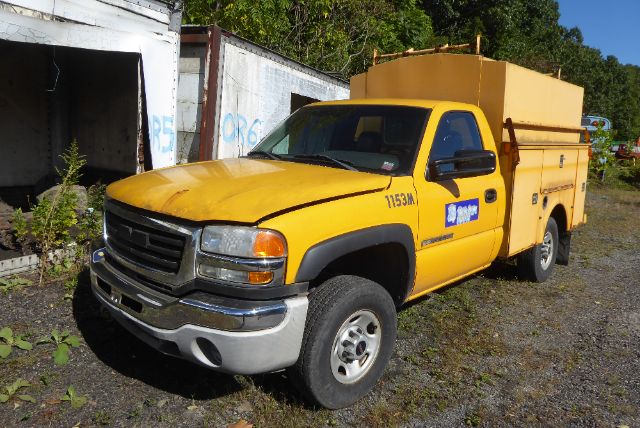
Looking for the easiest place to sell your gmc pickup 2wd truck? List it here to reach thousands of buyers.
GMC Pickup 2wd Trucks
The first decision is usually weight class and bed configuration. A 1500 series truck is typically aimed at lighter payloads, local delivery, property maintenance, and general transportation. A 2500HD or 3500 is better suited for heavier cargo, utility bodies, towing equipment trailers, and sustained commercial use. Buyers should compare GVWR, rear axle rating, wheelbase, cab style, and bed length before focusing on mileage alone. Regular cab long-bed trucks often maximize usable bed space and payload, while extended cab and crew cab versions trade some bed length for passenger room and secure interior storage. Many commercial-spec units also show up with utility bodies, ladder racks, tow packages, trailer brake controllers, or PTO-compatible upfit configurations.
On GMC 2WD pickups, the rear suspension, axle ratio, and brake setup matter more than many buyers expect. Spring suspension is common and straightforward to maintain, especially in work-truck trim. Heavy-duty models may have 8-lug wheels, larger brakes, and stronger rear axle components that make a real difference when the truck is loaded every day. Gas engines are often favored for simpler maintenance and lower acquisition cost, while diesel-equipped heavy-duty trucks can make sense for higher mileage, towing, or torque-demanding applications. Transmission history, cooling system condition, frame corrosion, bed floor wear, steering play, and evidence of hard trailer use are all worth checking closely on a used commercial pickup.
A GMC Pickup 2wd is also known simply as a 4x2 pickup or rear-wheel-drive pickup. For buyers in warmer climates or operations centered on highway driving, these trucks can offer a clean cost-per-mile advantage through lower purchase price, fewer front driveline components, and easier service access. The right truck depends on how it will actually be used: bed payload versus trailer weight, crew capacity versus cargo security, and daily route conditions versus seasonal weather demands. A clean service-body truck may be the better tool for maintenance work, while a conventional pickup bed is usually the better choice for mixed-use hauling, equipment transport, and general fleet duty.
Frequently Asked Questions about GMC Pickup 2wd Trucks
What are the main advantages of a GMC 2WD pickup compared with a 4x4 model?
A GMC 2WD pickup usually has a lower purchase cost, less drivetrain complexity, and slightly lower empty weight than a comparable 4x4 truck. That can translate into easier maintenance, better accessibility for service work, and more usable payload in some configurations. For buyers operating mainly on paved roads, highways, and established jobsites, a 4x2 setup is often the more efficient commercial choice.
How do I choose between a GMC 1500, 2500HD, and 3500 in a 2WD pickup?
The right series depends on payload, towing demands, and how often the truck works at or near capacity. A 1500 is typically better for lighter-duty hauling and general transportation. A 2500HD is a common commercial sweet spot for utility bodies, heavier bed loads, and equipment trailers. A 3500 is the better fit when rear axle capacity, higher GVWR, or more demanding trailer duty is part of the job. Always compare the actual door-sticker ratings on the specific truck, because capacity varies by cab, bed, engine, and axle setup.
Are GMC 2WD pickups good for towing and service body applications?
Yes, especially in 2500HD and 3500 configurations. A 2WD layout works well for towing on-road trailers, carrying tools, and supporting utility or service bodies when traction demands are moderate. Buyers should verify hitch equipment, axle ratio, transmission condition, brake performance, and rear suspension capacity. On work trucks with utility beds, also inspect the body mounting points, compartment condition, and any hydraulic or electrical accessories tied to the upfit.
What should I inspect first on a used GMC 2WD work pickup?
Start with the basics that affect operating cost and reliability: engine performance, transmission shift quality, brake condition, steering feel, suspension wear, and frame rust. Then check the rear axle, wheel bearings, tires, and signs of overload or frequent trailer use. On commercial units, inspect the bed floor, hitch area, electrical connections, air conditioning, and any added equipment such as toolboxes, ladder racks, or service bodies. A maintenance history is especially valuable on older high-mileage fleet pickups.
Is a gas or diesel GMC 2WD pickup better for commercial use?
A gas truck is often the better value for lighter-duty routes, shorter trips, and buyers prioritizing lower upfront cost and simpler maintenance. A diesel becomes more attractive when the truck regularly tows, runs long highway miles, or needs stronger low-end torque in a heavy-duty application. The best choice comes down to annual mileage, average load, service history, and whether the truck will spend more time carrying in the bed or pulling behind the hitch.