
Used Ford Pickup 2wd Trucks For Sale in North Carolina
Browse used Ford 2WD pickup trucks in North Carolina. Compare cab styles, gas or diesel power, GVWR, towing setup, and work-ready specs.
Learn more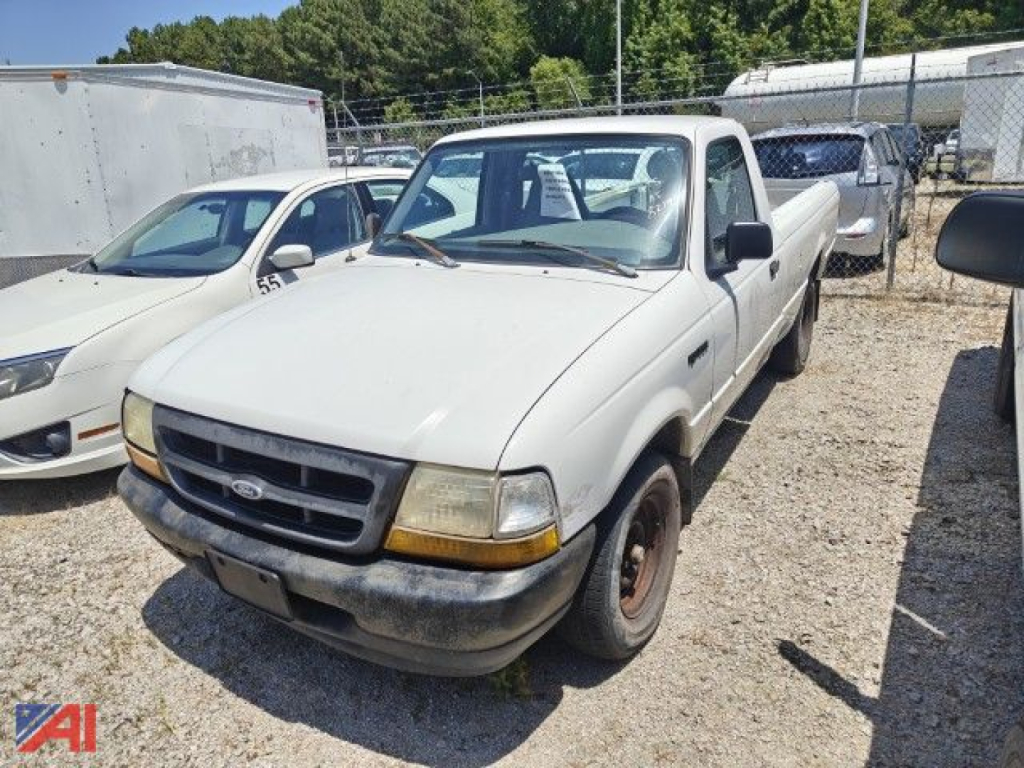
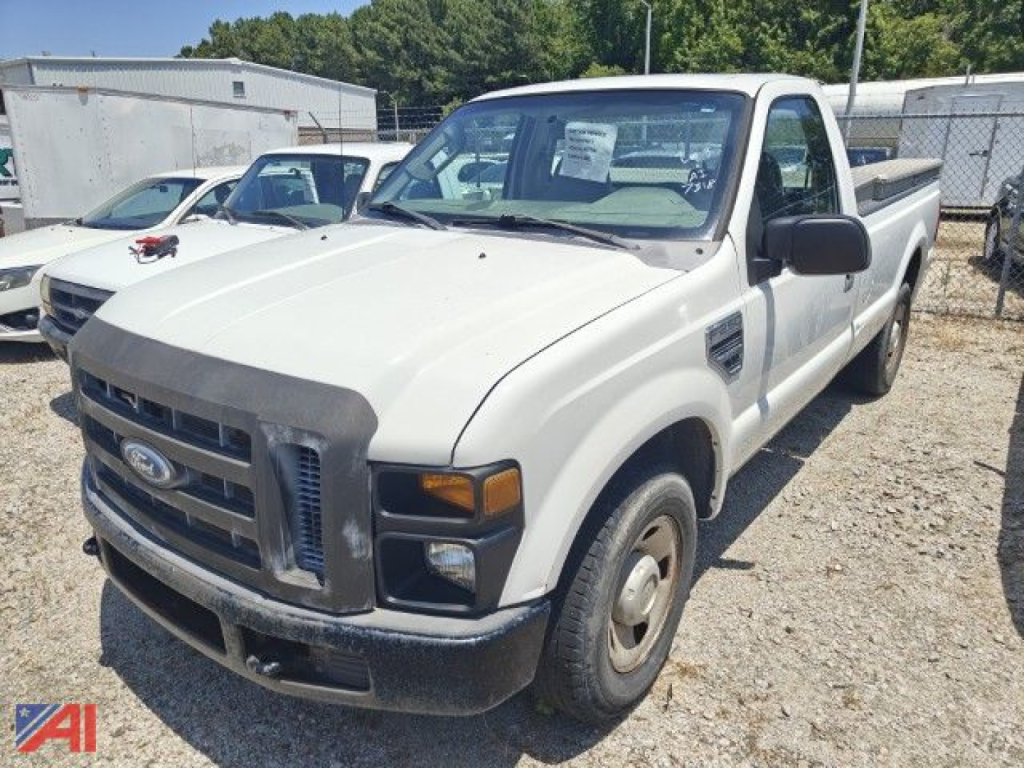
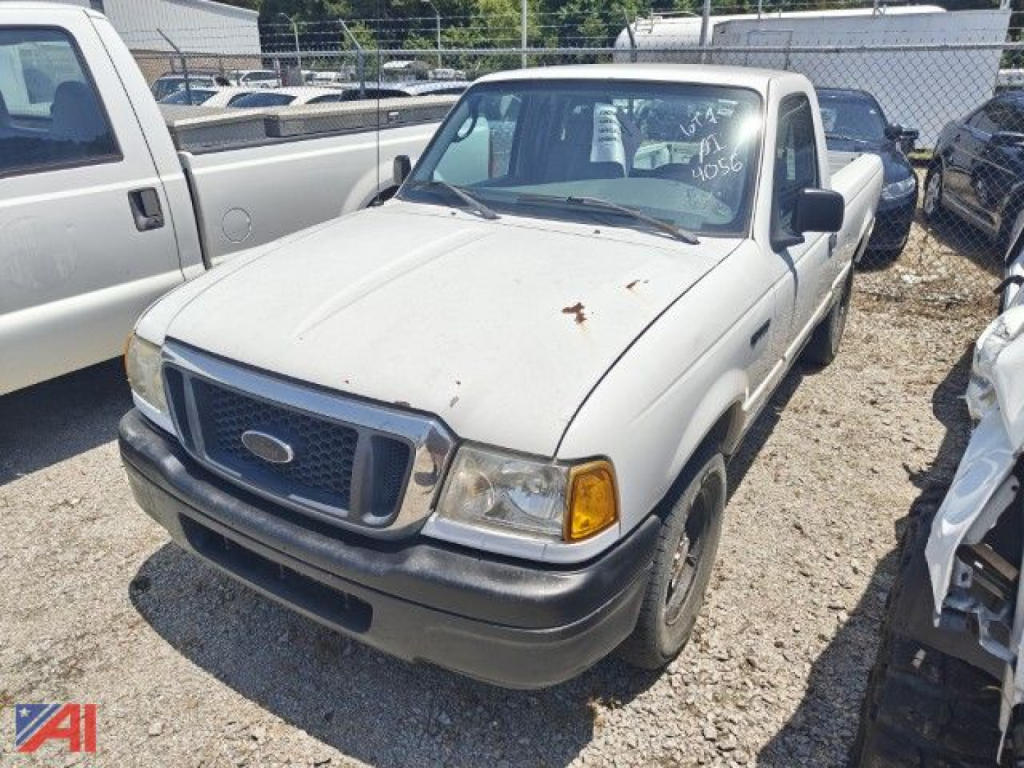
Have used ford pickup 2wd truck to sell? List it here to reach thousands of buyers.
About Used Ford Pickup 2wd Trucks in North Carolina
The most important buying decisions usually start with GVWR, engine, cab configuration, and bed length. On used Ford pickups, that means checking whether the truck is set up as a regular cab, SuperCab, or crew cab, and pairing that with an 6.5-foot, 8-foot, or similar bed depending on the model. Powertrain choices vary by generation and trim, but buyers will commonly see gasoline V8 options and, in Super Duty trucks, diesel engines aimed at higher torque output for towing and sustained work use. Rear axle ratio, automatic transmission type, receiver hitch rating, gooseneck or fifth-wheel prep, and integrated trailer brake controls can matter as much as engine choice if the truck will spend its life pulling equipment, enclosed trailers, or utility loads.
For work-truck buyers, condition and spec alignment matter more than appearance. A used Ford 2WD pickup should be evaluated for frame condition, bed floor wear, suspension sag, steering play, brake life, tire wear patterns, and signs of prior overload. On fleet or municipal units, idle hours, service records, PTO-related modifications, ladder racks, service bodies, towing equipment, and upfit wiring can tell you more than odometer mileage alone. In North Carolina, it also makes sense to look closely at corrosion on underbody components, especially on trucks that may have seen coastal exposure or long-term utility service.
Ford 2WD pickups fit a wide range of applications, including contractor use, municipal service, farm support, delivery routes, and personal towing. They are also commonly referred to as two-wheel-drive pickups, 2x4 pickups, or rear-wheel-drive pickup trucks. Buyers comparing listings should focus on how the truck is equipped for the job at hand rather than shopping by badge alone. Payload stickers, tow ratings, axle tags, wheelbase, and hitch setup will tell you quickly whether a truck is suited for light-duty transportation, daily jobsite use, or heavier commercial hauling.
Frequently Asked Questions
What are the advantages of a used Ford 2WD pickup compared with a 4x4 model?
A used Ford 2WD pickup usually costs less to buy and maintain than a comparable 4x4 truck. It has fewer drivetrain components, lower weight, and often slightly better fuel economy in similar engine and cab configurations. For buyers operating mainly on paved roads, maintained lots, and light job sites, a 2WD setup can deliver the payload, cab space, and towing capability they need without the added complexity of four-wheel drive.
Which Ford 2WD pickup is better for heavier work, an F-150 or an F-250 Super Duty?
The answer depends on payload, trailer weight, and duty cycle. An F-150 is often a better fit for lighter commercial use, local service work, and general transportation with moderate towing needs. An F-250 Super Duty is built for higher GVWR, stronger rear axle and suspension capacity, and more demanding trailer or equipment loads. Buyers should compare door-sticker payload, axle ratings, hitch equipment, and engine choice before deciding.
What should I inspect first on a used Ford 2WD work truck?
Start with the items that affect uptime and load handling. Check the frame, suspension, brakes, steering, tires, bed condition, hitch area, and signs of commercial wear such as overloaded rear springs or uneven tire wear. Review service records, engine hours if available, transmission operation, and any warning lights. On former fleet trucks, inspect added wiring, toolboxes, rack mounts, and trailer brake components to make sure previous upfits were done cleanly.
Is a 2WD Ford pickup suitable for towing in North Carolina?
Yes, if the truck is properly equipped for the trailer and load. Many used Ford 2WD pickups are well suited for towing utility trailers, equipment trailers, enclosed trailers, and similar loads on-road. Buyers should confirm tow rating, axle ratio, receiver class, brake controller, cooling system setup, and tire load range. A 2WD truck can tow very effectively on pavement, but traction on wet grass, mud, sand, or unimproved surfaces will be more limited than on a 4x4.
Why do axle ratio and cab-bed configuration matter on a used Ford pickup?
Axle ratio affects launch performance, towing behavior, and highway engine speed, so it has a direct impact on how the truck feels under load. Cab and bed configuration determine passenger space, wheelbase, turning radius, and cargo usability. A crew cab short bed may work better for mixed personal and business use, while a regular cab long bed may be better for dedicated work duty. These details often matter more to day-to-day performance than trim level alone.