
Ford Pickup 2wd Trucks For Sale in New York
Browse Ford 2WD pickup trucks for sale in New York. Compare payload, cab configurations, bed lengths, gas and diesel work-truck options.
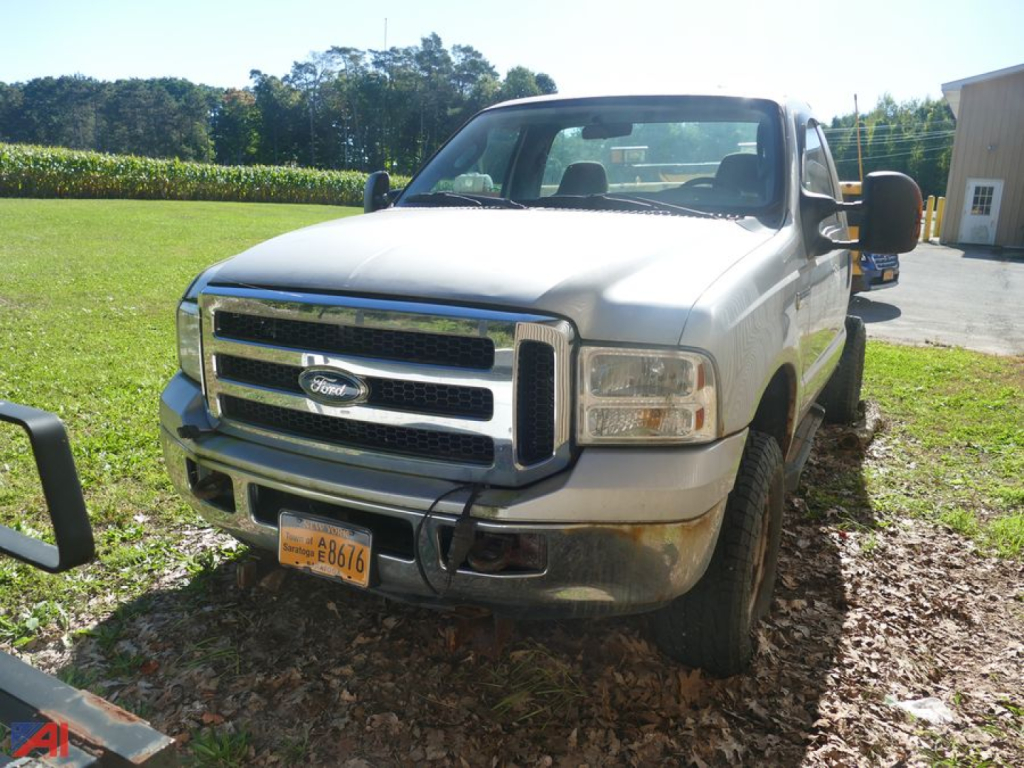
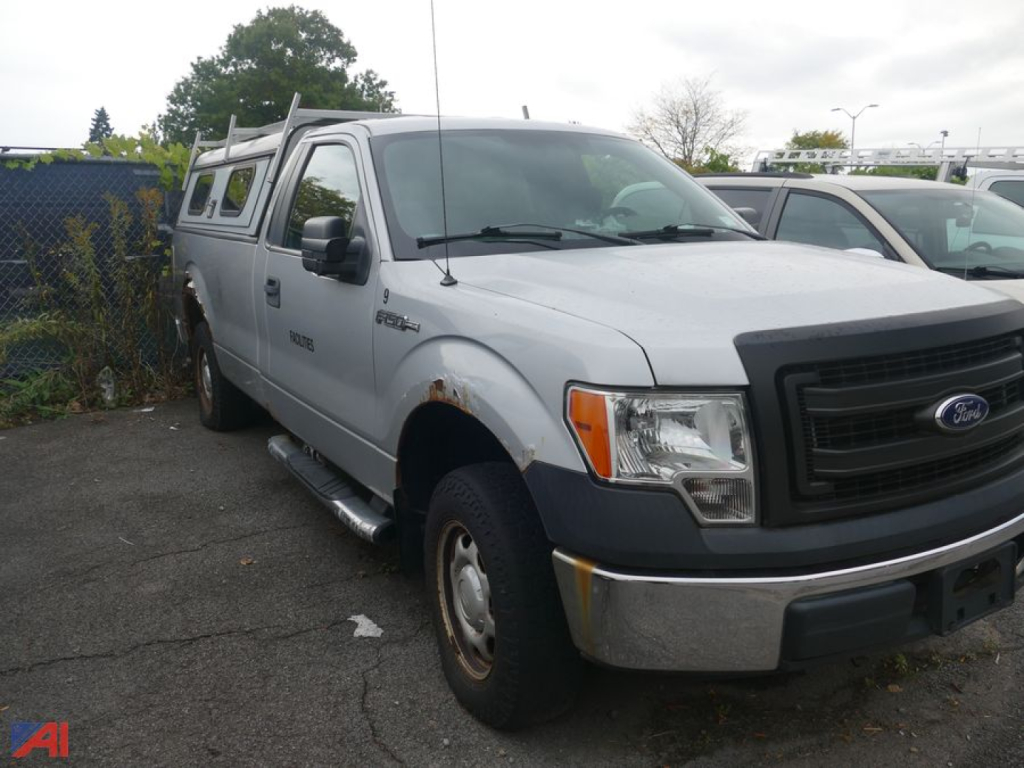
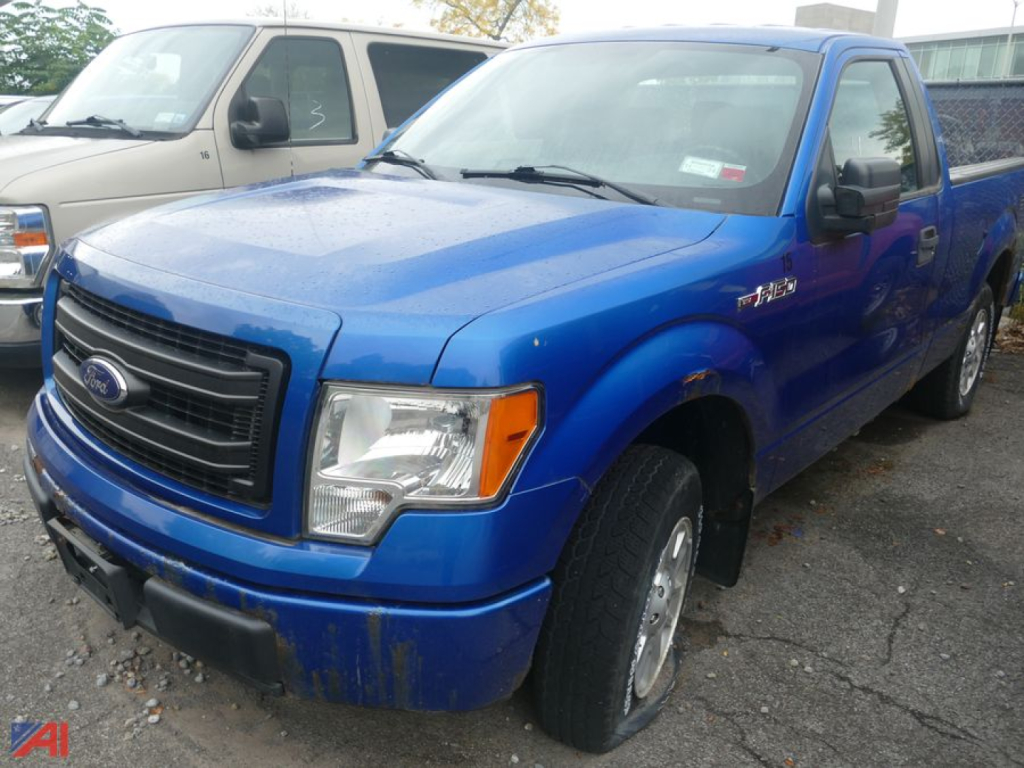
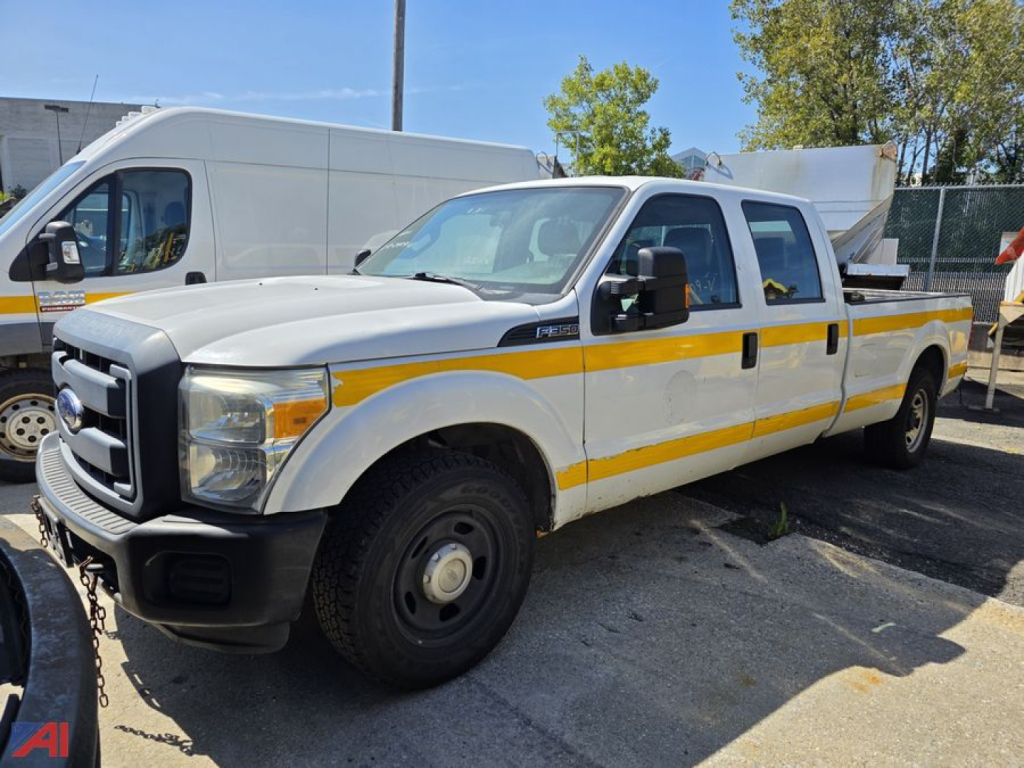
Looking for the easiest place to sell your ford pickup 2wd truck? List it here to reach thousands of buyers.
Ford Pickup 2wd Trucks in New York
The main buying decision starts with series and duty rating. Ford half-ton models such as the F-150 suit lighter payloads and mixed personal-work use, while Super Duty models like the F-250 and F-350 are built for heavier hauling, upfit work, and trailer duty. Key specs to compare include GVWR, wheelbase, bed length, cab style, rear axle ratio, and engine choice. Depending on year and configuration, buyers may see gasoline V8 options or Power Stroke diesel engines on heavier models. If towing is part of the job, pay close attention to conventional hitch ratings, gooseneck or fifth-wheel compatibility, brake controller setup, and whether the truck has the cooling and suspension package needed for repeated load cycles.
Body and equipment details matter as much as the badge. Regular cab long-bed trucks remain common in fleet service because they maximize bed space and keep cost down. SuperCab and Crew Cab configurations add passenger room for work crews but reduce bed length on some wheelbases. Bed condition, rust around cab corners and rocker panels, frame corrosion, spring condition, tire wear, and evidence of plow or trailer use all deserve a close look, especially in a state where winter road treatment can be hard on underbodies. Many commercial buyers also look for practical options such as tow mirrors, trailer wiring, ladder racks, service caps, vinyl flooring, integrated brake controllers, and PTO or auxiliary electrical provisions for fleet equipment.
For buyers comparing Ford 2WD pickups across model years, the best value usually comes from matching the truck to the job instead of buying excess capacity. A lightly equipped F-150 can be the right answer for inspections, parts runs, and light contractor work. An F-250 or F-350 makes more sense when payload, trailer weight, or upfit demands push beyond half-ton limits. Review axle tags, door-jamb payload data, and service history before making a decision, and confirm that the truck's suspension, hitching equipment, and tire ratings align with the work you expect it to do.
Frequently Asked Questions about Ford Pickup 2wd Trucks in New York
What are the advantages of a Ford 2WD pickup compared with a 4x4?
A Ford 2WD pickup usually costs less to buy, weighs less, and has fewer drivetrain components than a comparable 4x4. That can reduce maintenance complexity and improve payload efficiency slightly, depending on configuration. For buyers operating mainly on paved roads, job sites with stable access, or municipal routes, a rear-wheel-drive truck often delivers the capability they need without the added cost of four-wheel-drive hardware.
Which Ford 2WD pickup is better for heavier commercial work, an F-150 or an F-250?
The answer depends on payload, towing demand, and upfit requirements. An F-150 is suitable for lighter-duty fleet tasks, general service, and daily road use where maneuverability and lower operating cost are priorities. An F-250 is the better fit when the truck will carry heavier loads, tow equipment regularly, support a utility body or contractor setup, or operate in a more demanding duty cycle. The door sticker, axle ratio, and hitch ratings should always be checked before assigning a truck to a specific job.
What should I inspect on a used Ford 2WD pickup in New York?
Rust and corrosion should be near the top of the list. Inspect the frame, brake lines, cab mounts, rocker panels, wheel arches, bed supports, and suspension attachment points. Also check for uneven tire wear, rear spring sag, hitch wear, transmission shift quality, steering play, and any signs of commercial overloading. On diesel-equipped trucks, service records, injector performance, and emissions-system condition are also important.
Are Ford Super Duty 2WD pickups good for towing?
Yes, many Ford Super Duty 2WD pickups are strong tow platforms when properly equipped. A rear-wheel-drive configuration can be effective for conventional towing, especially on pavement, but towing performance depends more on engine, axle ratio, suspension package, brake setup, and hitch equipment than on drivetrain alone. Buyers should verify GCWR, trailer brake provisions, receiver or gooseneck ratings, and tire load capacity before relying on the truck for regular heavy trailer work.