
Trucks For Sale Near Philadelphia, Pennsylvania
Have truck to sell? List it here to reach thousands of buyers.
Trucks Near Philadelphia, Pennsylvania
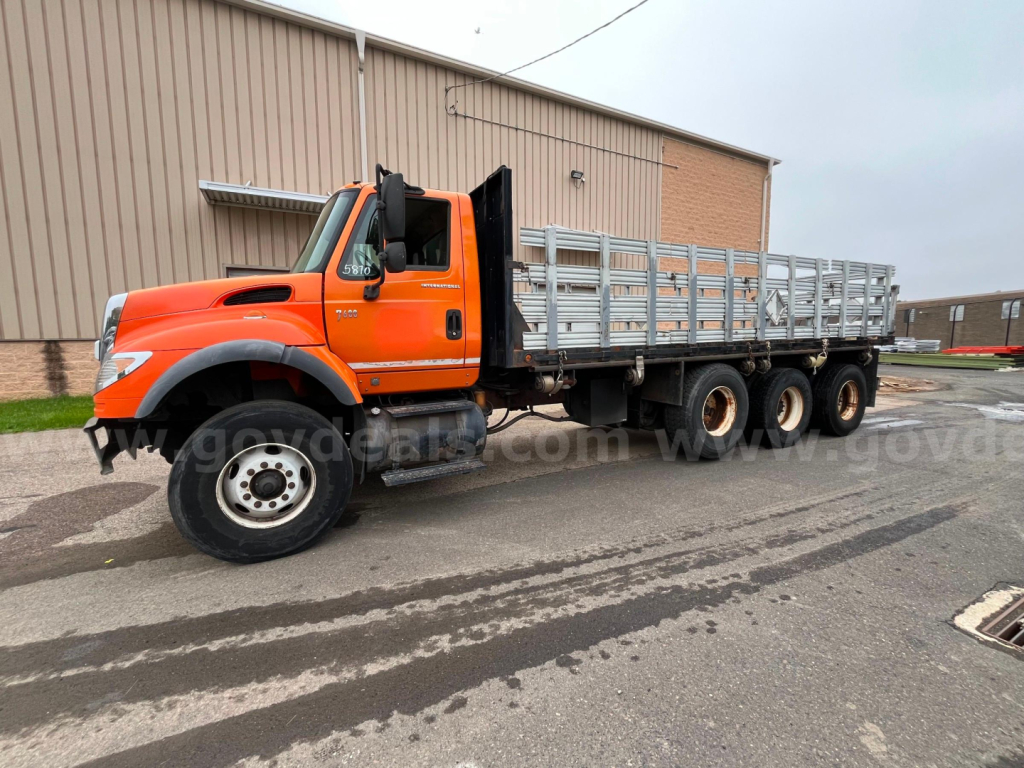
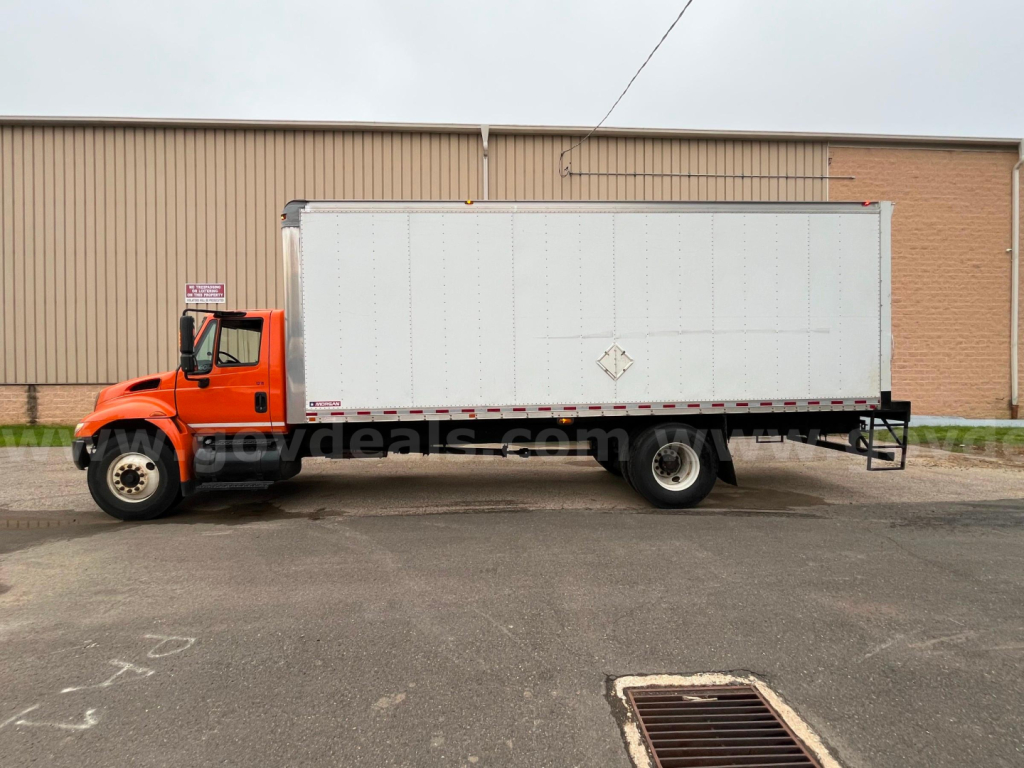
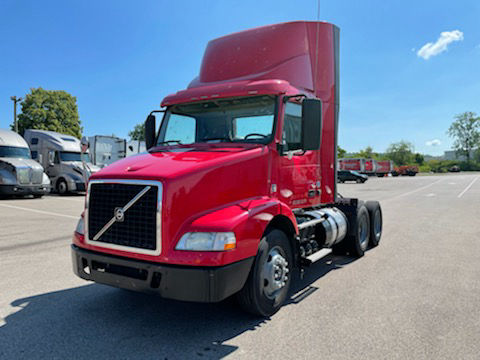
A day cab tractor is a common fit for port drayage, regional lanes, and dedicated city routes where sleeper space is unnecessary. Buyers typically compare wheelbase, axle ratio, horsepower, and transmission spec to match stop-and-go traffic or short highway runs. Box trucks are often selected around body length, door configuration, payload, and dock-height compatibility. Medium-duty models with engines like the DT466 or similar class diesels remain popular because parts support is broad and service familiarity is strong. Stake body, flatbed, and dump-style trucks are more application-sensitive, with buyers paying close attention to frame condition, hoist operation, drop axles, PTO setup, and whether the truck will spend more time on pavement or on jobsites.
Philadelphia-area buyers should also look closely at rust exposure, brake and suspension wear, and signs of hard idle or frequent cold-start operation that are common in municipal and regional fleet service. For used trucks, maintenance records often tell more than paint or interior condition. Engine rebuild history, transmission service, injector work, DPF status on newer diesel units, and body replacement or floor repair can materially affect value. On medium-duty and vocational trucks, check GVWR, front axle rating, rear axle rating, and any lift or tag axle configuration to confirm the truck is legal and productive for the load you intend to carry.
The best truck choice is usually the one that fits the route, payload, and loading method without carrying extra cost or unnecessary complexity. A city delivery operation may prioritize a low-cab-entry feel, automatic transmission, and a 24 to 26 foot box. A construction or utility buyer may put more weight on frame strength, PTO functionality, crossmember condition, and suspension type. A regional tractor buyer may focus on day cab visibility, fuel efficiency, and driveline durability. When comparing trucks for sale, narrow the field by body style, axle setup, engine family, transmission, and intended service first, then evaluate mileage, maintenance, and overall spec quality.
Frequently Asked Questions about Trucks Near Philadelphia, Pennsylvania
What types of trucks are most commonly sold in the Philadelphia market?
Philadelphia-area truck listings commonly include day cab tractors, box trucks, stake body trucks, flatbeds, dump configurations, and other medium-duty or vocational chassis. The local mix reflects regional freight, port work, municipal service, construction demand, and dense urban delivery routes. Buyers often find a broad range of diesel-powered models with different wheelbases, body lengths, and axle setups suited to city and suburban operation.
What should I check first when buying a used box truck?
Start with body condition, floor integrity, roll-up door operation, roof leaks, and dock impact damage. Then verify the truck's GVWR, payload capability, engine and transmission condition, tire date codes, brake wear, and service history. On older medium-duty box trucks, rebuilt engines, replaced boxes, and frame corrosion can significantly affect value and remaining service life.
Is a day cab better than a sleeper for regional work?
A day cab is often the better fit for local and regional work when the route does not require overnight stays. Day cabs are typically lighter, easier to maneuver in tight urban areas, and simpler to maintain because there is less cab structure and fewer auxiliary systems. Buyers focused on short-haul freight, drayage, and terminal-to-terminal routes often prefer them for efficiency and visibility.
How important are axle ratings and body length on vocational trucks?
Axle ratings and body length are critical because they directly affect legal payload, bridge compliance, maneuverability, and job suitability. A truck with the wrong axle configuration or body size may be inefficient, overloaded, or difficult to use in confined sites or city streets. On dump, stake body, and flatbed applications, buyers should confirm front and rear axle ratings, suspension type, wheelbase, and any drop axle or lift axle equipment before purchase.
What maintenance records matter most on a used diesel truck?
The most valuable records usually cover engine work, transmission service, brake replacement, suspension repairs, aftertreatment service where applicable, cooling system work, and documented preventive maintenance intervals. Records showing injector replacement, turbo work, DPF cleaning, clutch service, or a major engine rebuild provide important context on current condition and expected operating costs. A truck with clear maintenance history is generally easier to evaluate than one with low disclosed detail.