
Used Peterbilt Trucks For Sale in Oklahoma
Browse used Peterbilt trucks in Oklahoma, including 579 and 389 models with Cummins or Detroit power for sleeper and regional hauling.
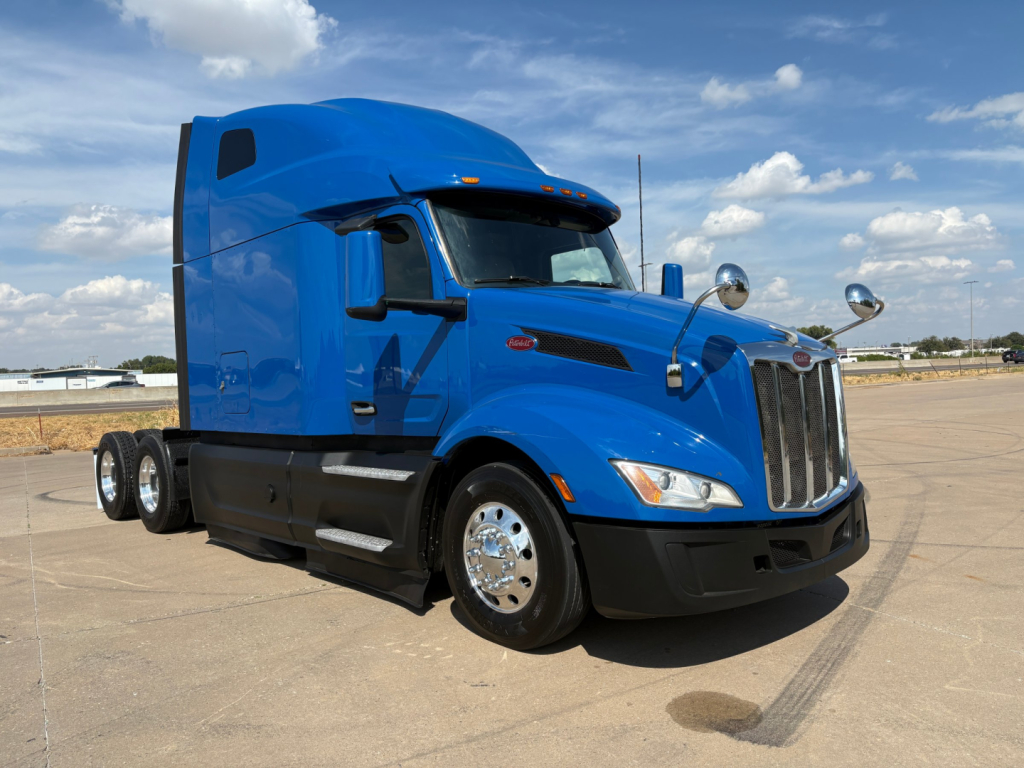
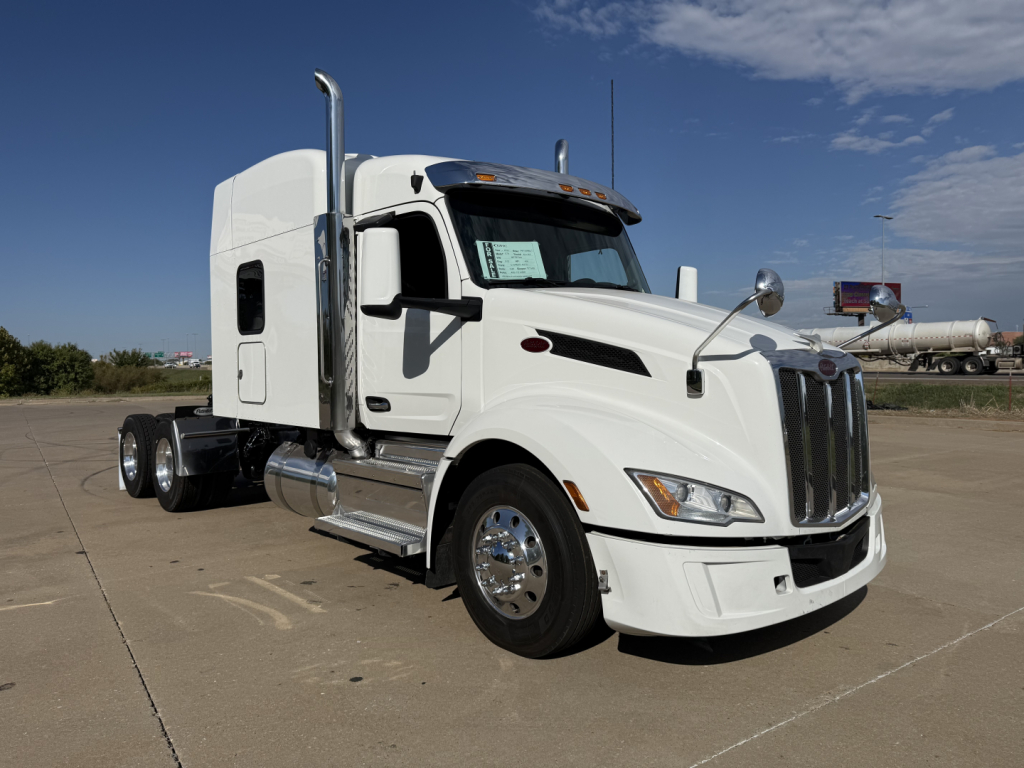
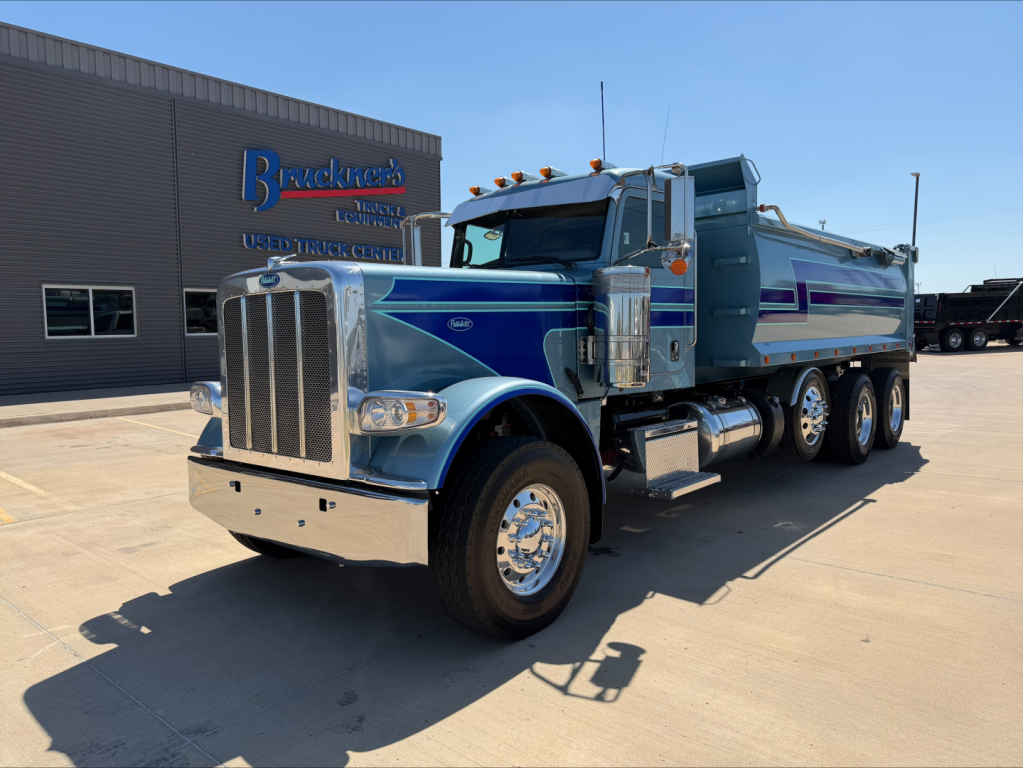

2022 Peterbilt 389
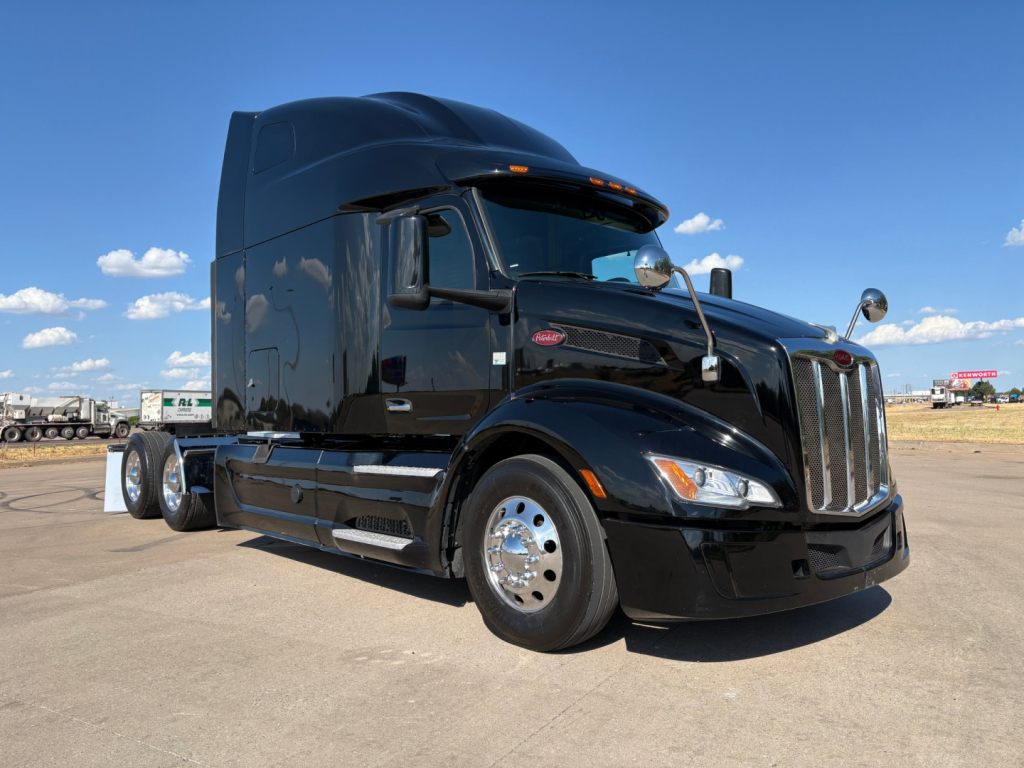
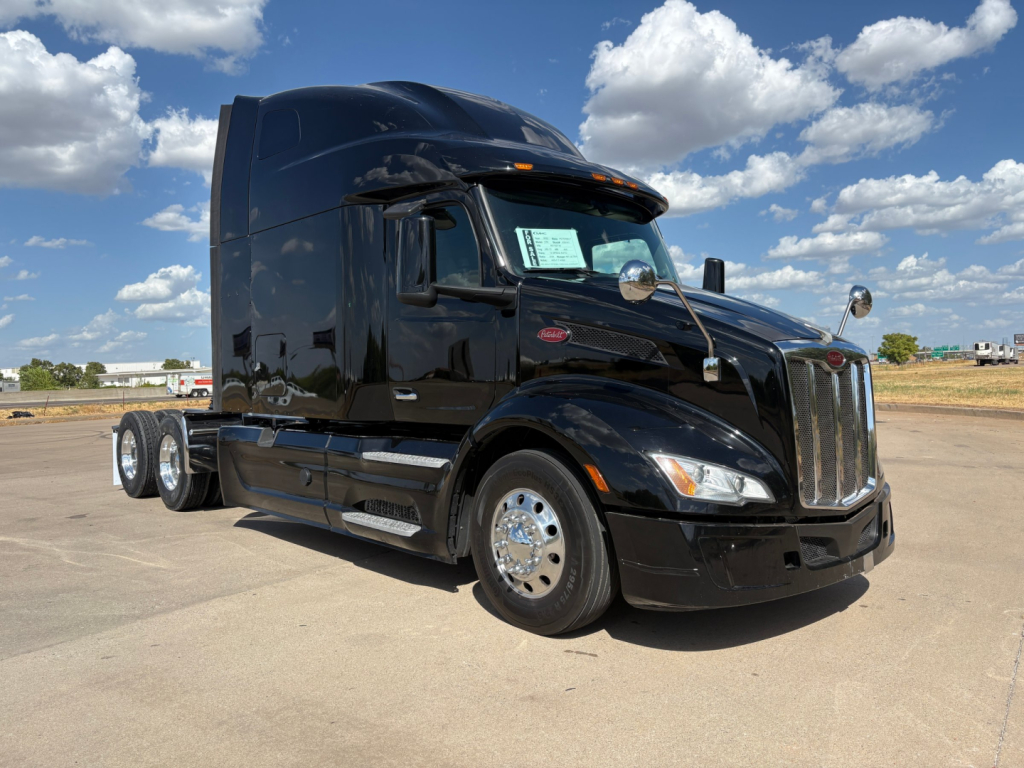
2021 Peterbilt 389
Selling a used peterbilt truck? List your used peterbilt truck for sale and reach thousands of commercial buyers.
Used Peterbilt Trucks in Oklahoma
For highway freight, the Peterbilt 579 is one of the most common late-model aerodynamic sleepers on the road. Buyers will often see Cummins X15 power in the 400 to 450 hp range, paired with Eaton Endurant automated transmissions, tandem rear axles, 12,000 lb front axles, 40,000 lb rears, and fuel-saving ratios such as 2.64. Wheelbases around 230 to 260 inches and sleeper sizes from mid-roof to 80-inch Ultraloft are typical depending on the application. That kind of spec is built for dry van, reefer, and general long-haul operations where fuel economy, driver comfort, and uptime matter more than heavy vocational gearing. For Oklahoma-based operations running I-35, I-40, and cross-border freight into Texas, Kansas, Arkansas, and beyond, that aerodynamic 579 package fits well.
The Peterbilt 389 sits at the other end of the spectrum. It is still a conventional sleeper, but buyers usually shop it for classic styling, a longer hood, and driveline options that suit heavier pulls or a more traditional owner-operator setup. Used 389s often show manual transmissions, higher horsepower ratings, and rear axle ratios like 3.55 or 3.70 that trade some fuel efficiency for stronger launch and gradeability. Wheelbase, front axle capacity, tire size, and suspension spec matter more on these trucks because the 389 is often matched to specialized freight, flatbed work, livestock, machinery hauling, or buyers who simply prefer a truck with a more mechanical driving feel.
On any used Peterbilt truck, pay close attention to emissions history, overhead records, aftertreatment repairs, clutch or automated transmission service, and signs of suspension or steering wear. A clean maintenance file can matter more than a small mileage difference. Also confirm the sleeper size, axle ratio, and wheelbase actually match the lanes you run. A 450 hp X15 with a direct-drive automated transmission and tall rear ratio can be an efficient Oklahoma road truck, but it is a different tool than a 500 hp long-hood tractor with a 10-speed and deeper gears. Peterbilt remains a strong used truck brand because parts support is broad, cabs tend to hold up well, and buyers generally understand the value of a well-specced Pete when it is time to trade or resell.
Frequently Asked Questions about Used Peterbilt Trucks in Oklahoma
What are the most common used Peterbilt truck models buyers shop in Oklahoma?
The most common used Peterbilt trucks buyers shop in Oklahoma are the Peterbilt 579 and Peterbilt 389. The 579 is an aerodynamic highway tractor commonly used for dry van, reefer, and long-haul fleet work. The 389 is a long-hood conventional popular with owner-operators and buyers who want classic styling, manual transmission availability, and specs better suited to specialized or heavier pulling applications.
Is a used Peterbilt 579 a good choice for fuel-efficient highway freight?
A used Peterbilt 579 is often a strong choice for fuel-efficient highway freight because it was designed as an aerodynamic sleeper tractor. Many late-model units are equipped with Cummins X15 engines, Eaton Endurant automated transmissions, air ride suspensions, and tall rear axle ratios such as 2.64. That combination is well suited for over-the-road lanes where lower cruise rpm, improved fuel economy, and driver comfort are priorities.
What should I check first on a used Peterbilt truck?
Start with the maintenance history and driveline spec. Confirm engine model, horsepower, transmission type, axle ratio, wheelbase, sleeper size, and emissions service records. On higher-mileage trucks, buyers should review overhead work, DPF and SCR repairs, clutch history on manual units, and any transmission replacement or calibration records on automated models. Front end wear, suspension condition, and tire wear patterns can also reveal how the truck was maintained.
What is the difference between a Peterbilt 579 and a Peterbilt 389?
The Peterbilt 579 is an aerodynamic conventional built mainly for linehaul efficiency, lower operating cost, and modern driver amenities. The Peterbilt 389 is a traditional long-hood conventional that emphasizes style, customization potential, and driveline flexibility. In practical terms, the 579 is usually the better fit for fleet highway use, while the 389 often appeals to owner-operators, heavy-haul buyers, and operators who prefer manual transmissions or deeper axle ratios.
Why do axle ratio and wheelbase matter on a used Peterbilt?
Axle ratio and wheelbase directly affect how a truck performs in its intended application. A taller ratio such as 2.64 generally supports lower rpm and better fuel economy on highway runs, while a deeper ratio like 3.70 improves startability and pulling power under load. Wheelbase affects maneuverability, trailer clearance, ride quality, and space for larger sleepers or fuel capacity. A truck can look right on paper but still be a poor fit if those two specs do not match the freight and routes you run.