
Used Peterbilt Trucks For Sale in Missouri
Shop used Peterbilt trucks in Missouri, including day cabs, sleepers, vocational, box, and refuse models with proven specs and resale appeal.
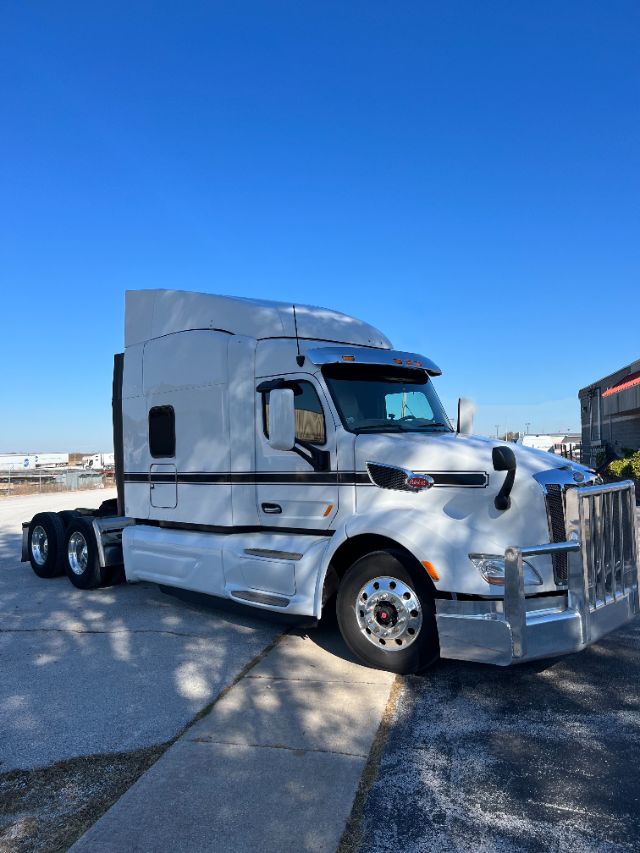
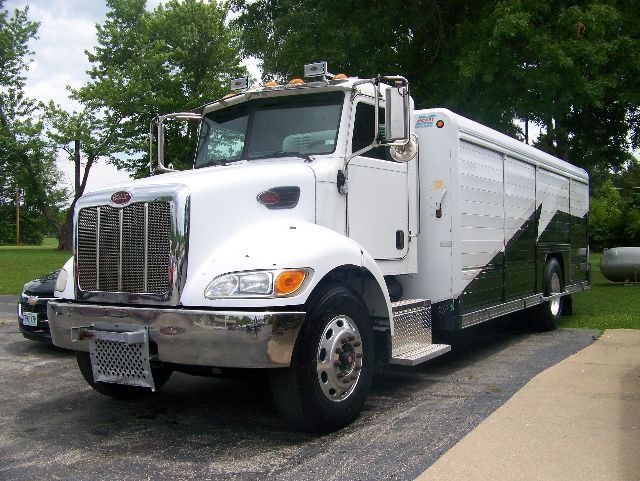
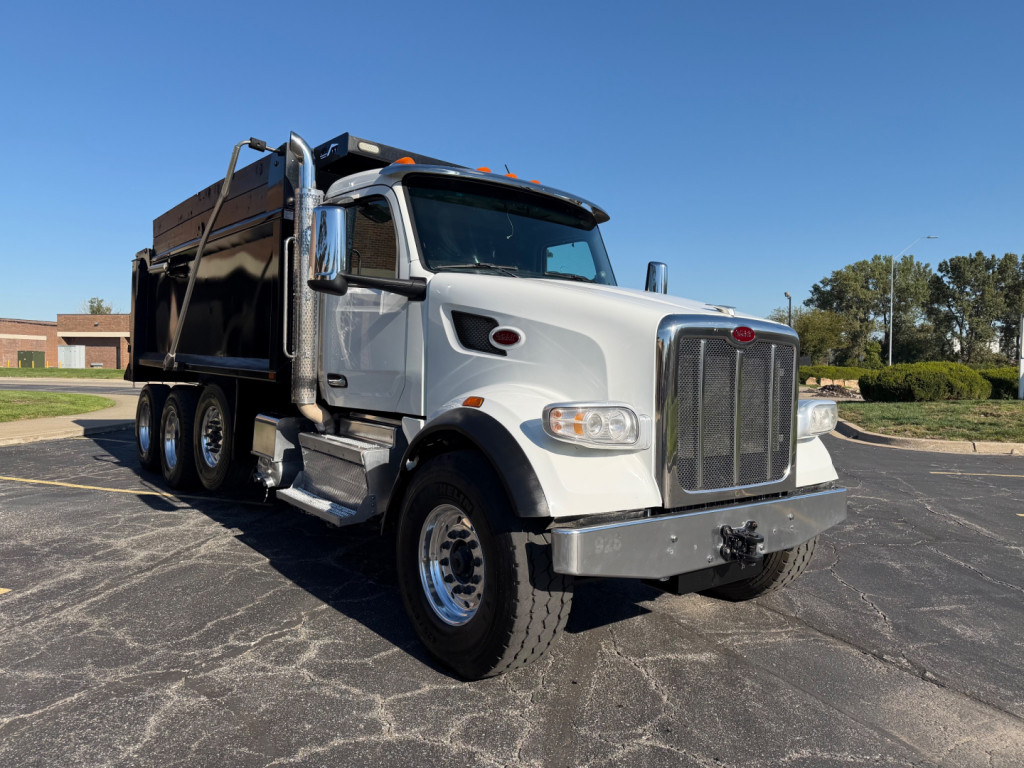
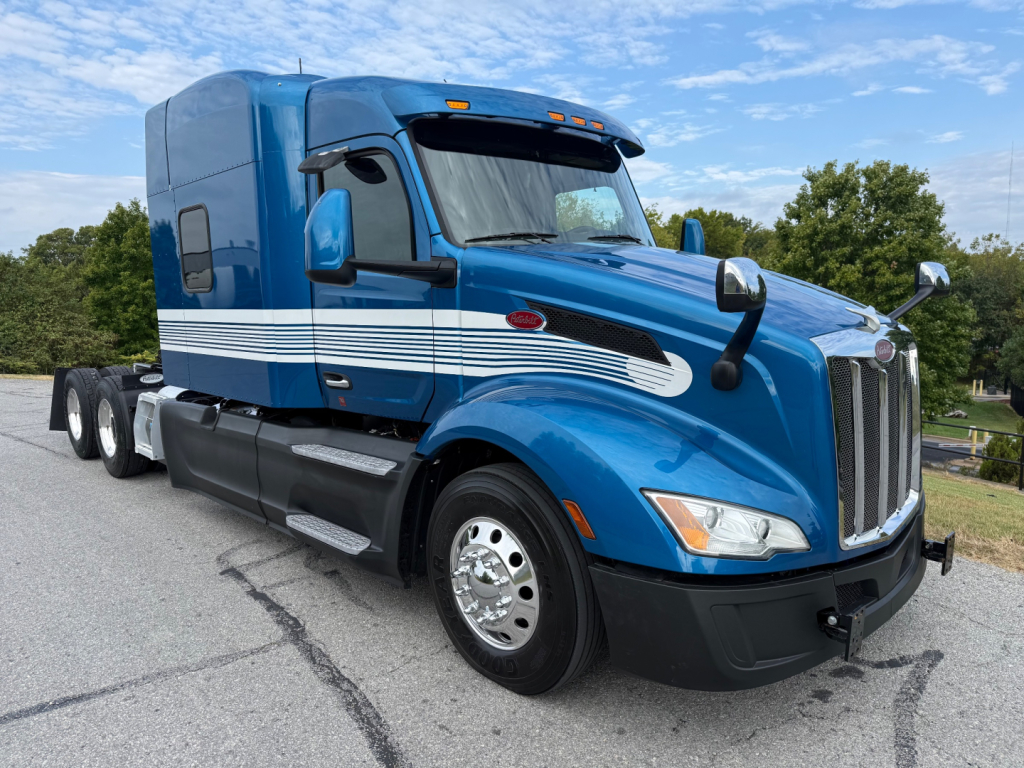
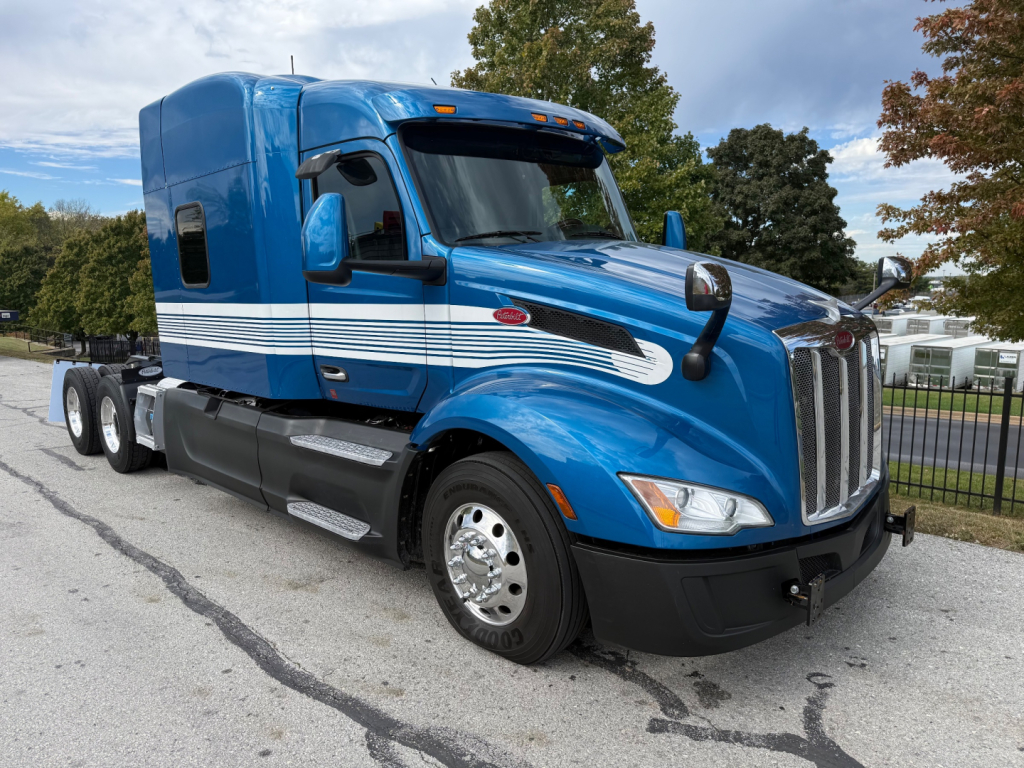
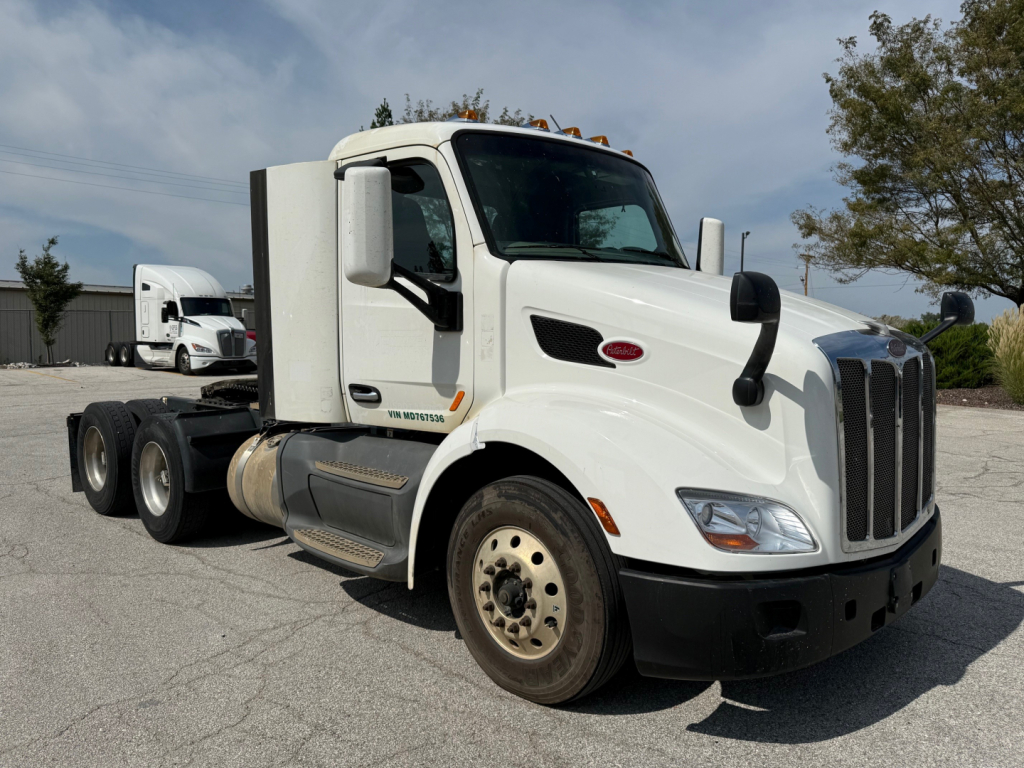
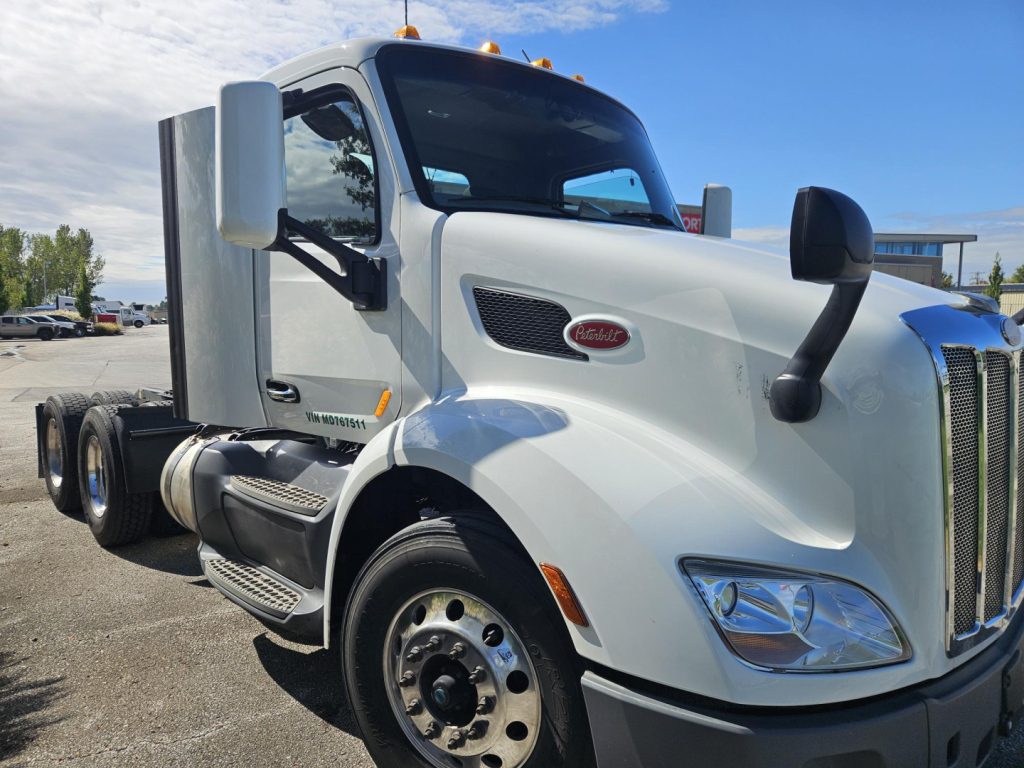
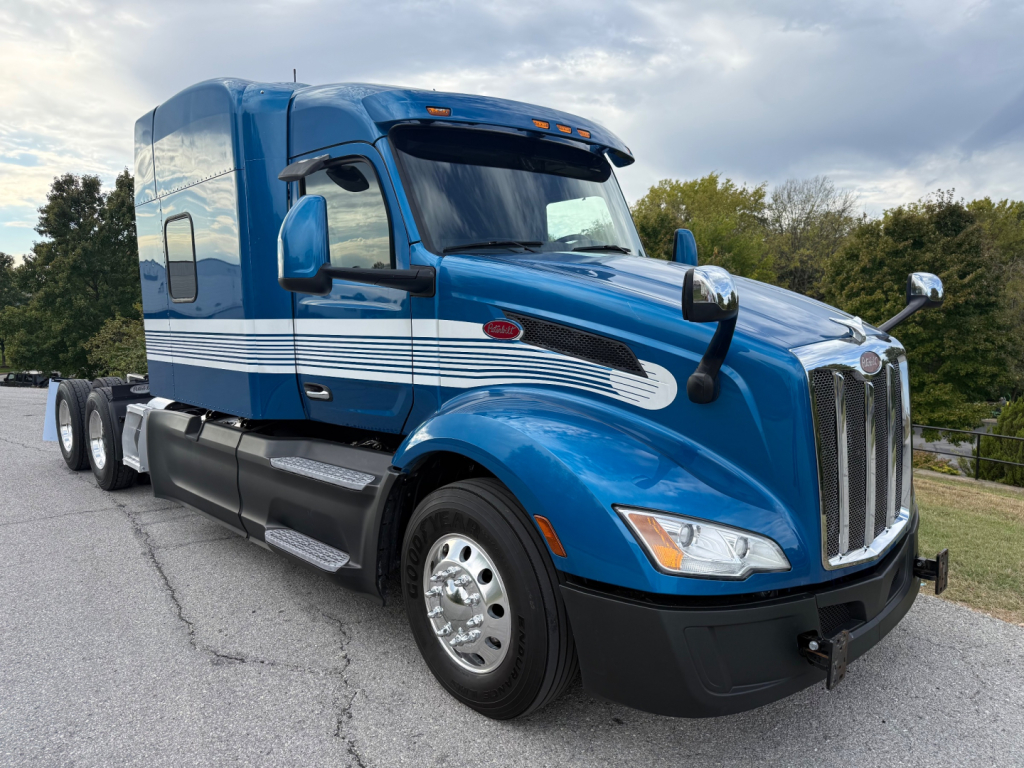

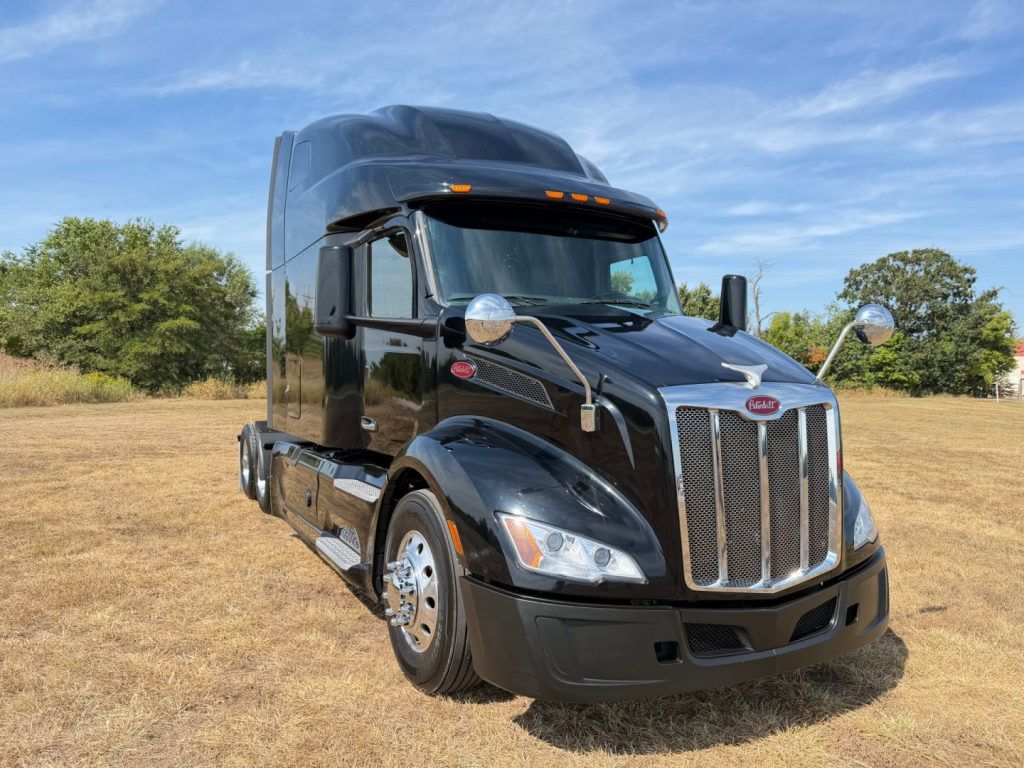

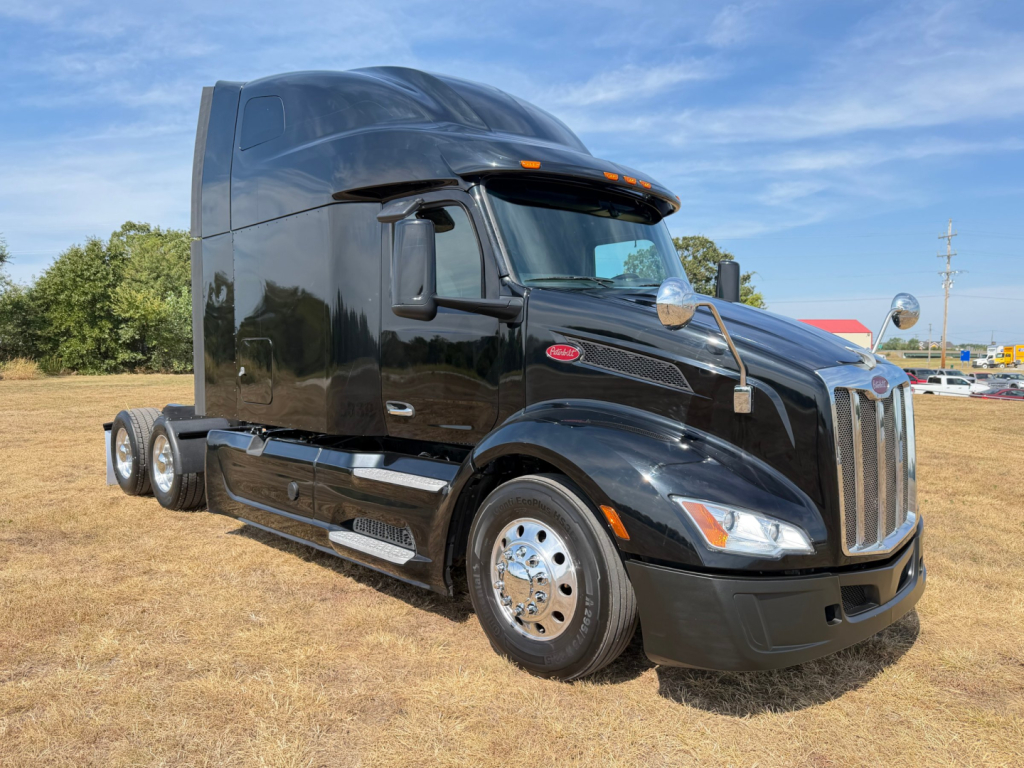

Selling a used peterbilt truck? List your used peterbilt truck for sale and reach thousands of commercial buyers.
Used Peterbilt Trucks in Missouri
The biggest buying decision is matching the chassis to the job. A used Peterbilt day cab is typically a fit for regional freight, dedicated lanes, or short-haul operations where wheelbase, fuel capacity, and gearing affect productivity more than sleeper size. A sleeper model is better suited to over-the-road work, where buyers should pay close attention to engine brake spec, transmission choice, fairings, maintenance history, and emissions system service. On medium-duty and vocational Peterbilt trucks, key items include GVWR, front and rear axle ratings, body manufacturer, PTO setup, suspension type, turning radius, and how the truck was maintained under stop-and-go duty cycles.
Missouri buyers often look for trucks that can handle a mix of interstate miles, secondary roads, and seasonal weather swings. That makes tire condition, brake life, A/C performance, and suspension wear more than cosmetic concerns. On used Peterbilt highway tractors, common checkpoints include DPF and SCR service records, clutch condition on manual transmissions, fifth wheel wear, steer axle tire pattern, and signs of idle-heavy operation. On refuse, box, and municipal units, inspect hydraulic systems, arm or packer functions, door hardware, frame corrosion, and kingpin or suspension wear points that show up after repeated urban routes and curb work.
Peterbilt remains a popular used-truck choice because the brand tends to hold value, drivers like the cab layout, and many fleets are familiar with the platform. A clean used Peterbilt can range from a medium-duty single-axle box truck to a tandem-axle sleeper or a low-cab-forward refuse truck, so listed specs matter more than the badge alone. Buyers comparing listings should focus on engine family, horsepower, transmission, axle configuration, wheelbase, maintenance documentation, and the truck's previous application. A well-matched used Peterbilt usually costs less to put to work than a poorly spec'd truck with a lower asking price.
Frequently Asked Questions about Used Peterbilt Trucks in Missouri
What are the most common used Peterbilt truck models buyers look for?
Common used Peterbilt trucks include the 579 for highway service, available as a day cab or sleeper, the 320 for refuse and other low-cab-forward vocational work, and medium-duty models such as the 335 for box truck, municipal, and delivery applications. The right model depends on the work cycle. A 579 is typically chosen for freight hauling, while a 320 or 335 is usually selected for urban routes, body equipment, and stop-and-go service.
What should I inspect first on a used Peterbilt truck?
Start with the engine, transmission, axle configuration, and maintenance records because those items determine both operating cost and application fit. On highway trucks, look closely at emissions system history, clutch or automated transmission performance, fifth wheel wear, tire wear patterns, and any evidence of chronic idling. On vocational trucks, inspect hydraulic components, PTO operation, suspension wear, frame condition, and body-specific equipment such as packers, lift arms, roll-up doors, or shelving.
Are used Peterbilt trucks good for both highway and vocational work?
Yes. Peterbilt has a strong presence in both segments, which is why the used market includes everything from over-the-road sleepers to refuse trucks and medium-duty box units. The highway models are valued for driver comfort, aerodynamics, and powertrain options, while the vocational platforms are known for durability, visibility, and compatibility with specialized bodies. Buyers should judge the truck by its exact spec and prior use, not just by make and model name.
Which engine and transmission combinations are common in used Peterbilt trucks?
Used Peterbilt trucks often come with PACCAR MX series engines in late-model highway tractors and Cummins engines in many medium-duty or vocational applications. Transmission choices commonly include Eaton Fuller manuals, automated manual transmissions, and Allison automatics on medium-duty and specialty trucks. The best combination depends on route profile, driver preference, maintenance capability, and whether the truck is used for linehaul, local delivery, or equipment-intensive vocational work.
Why do used Peterbilt trucks tend to hold value well?
Peterbilt trucks generally hold value because of brand reputation, broad service support, driver acceptance, and demand across several truck classes. Buyers recognize the name in both fleet and owner-operator markets, which helps resale. Value is still driven by the fundamentals, including mileage, service history, drivetrain spec, emissions compliance, and the condition of the chassis or body equipment, but Peterbilt usually benefits from strong market recognition.