
Used 2021 Peterbilt Trucks For Sale
Shop used 2021 Peterbilt trucks for sale, including highway and vocational models with PACCAR or Cummins power and premium driver-focused cabs.
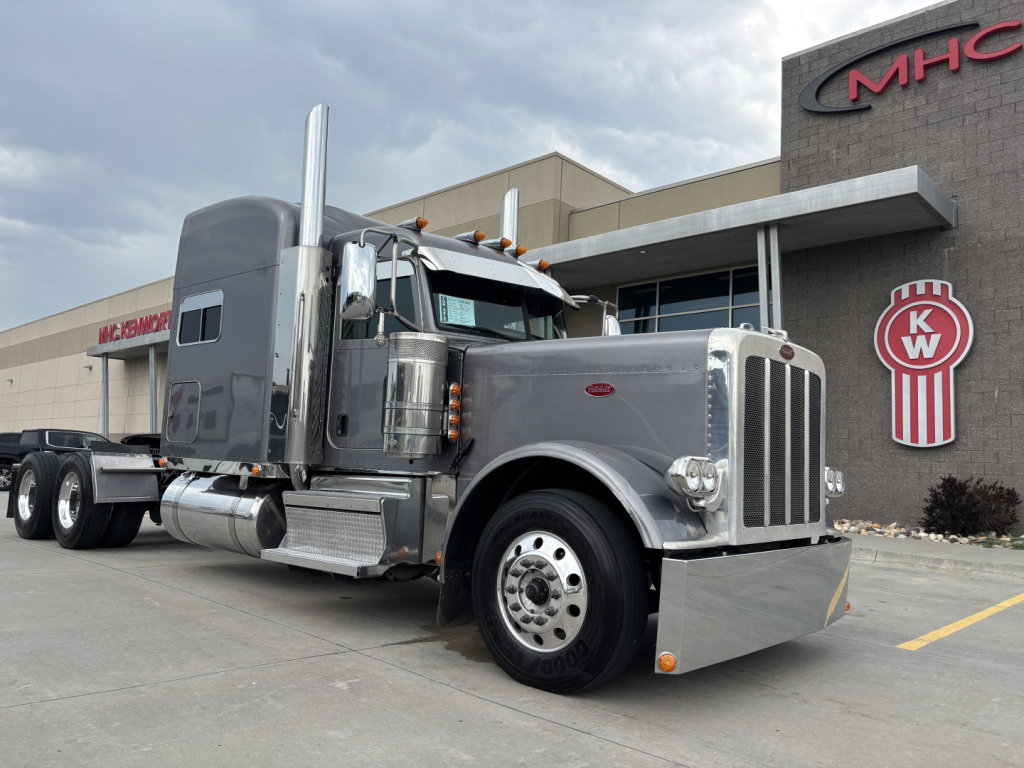
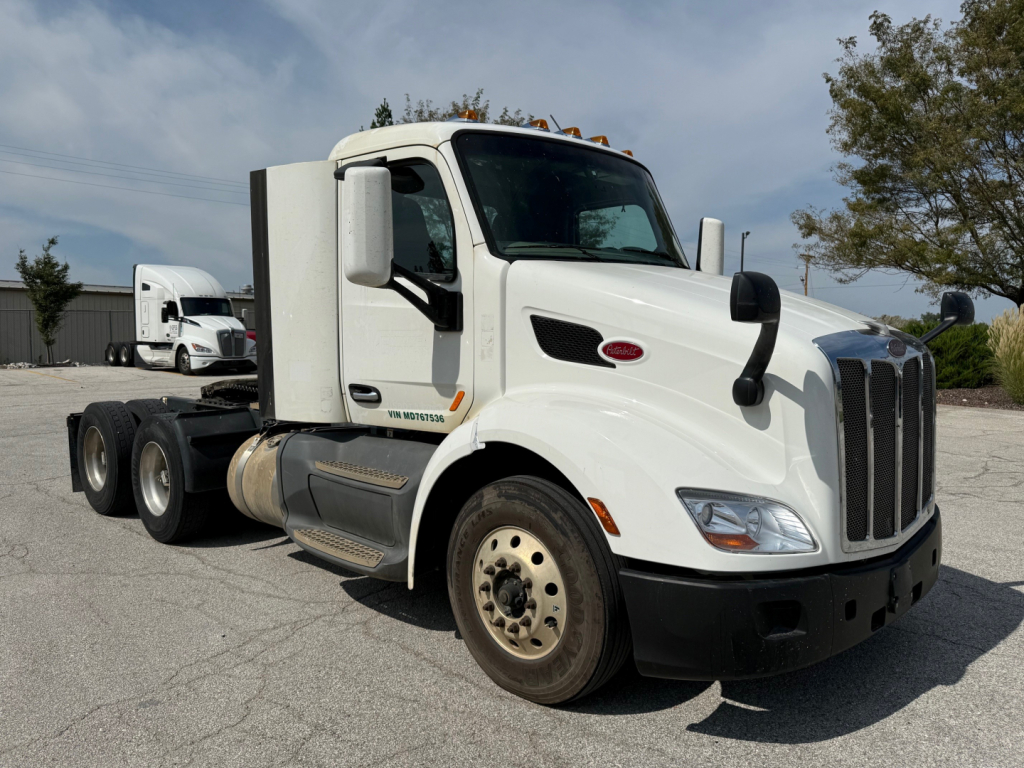
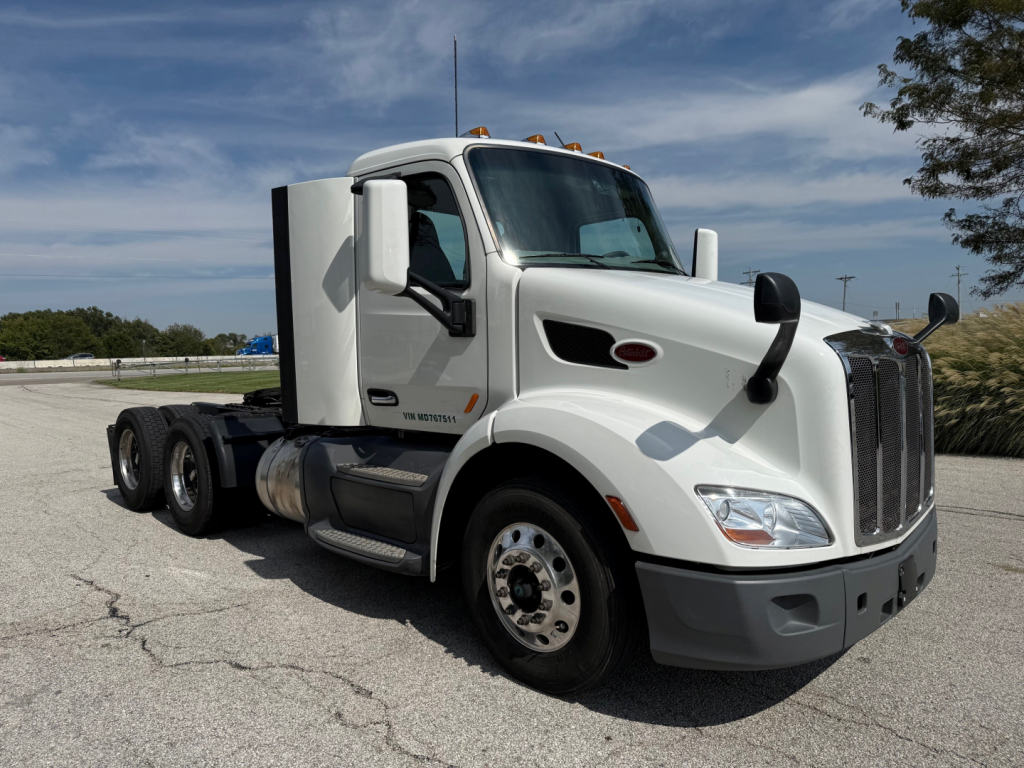
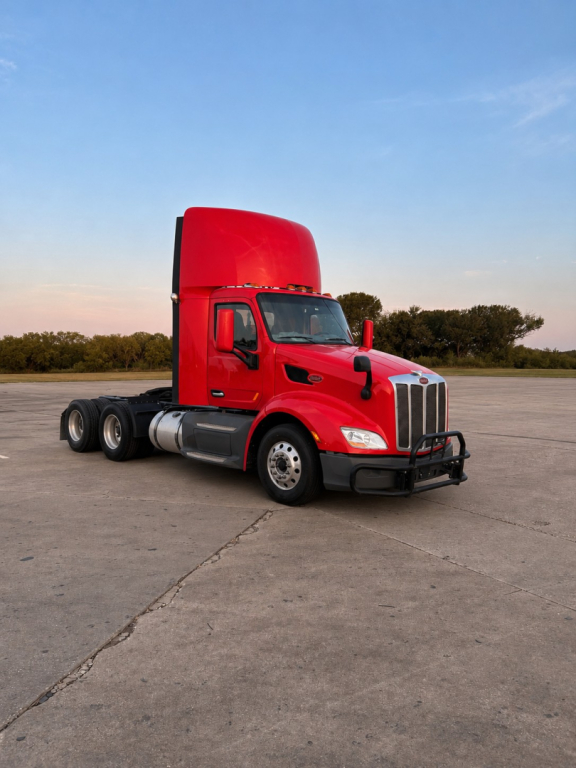
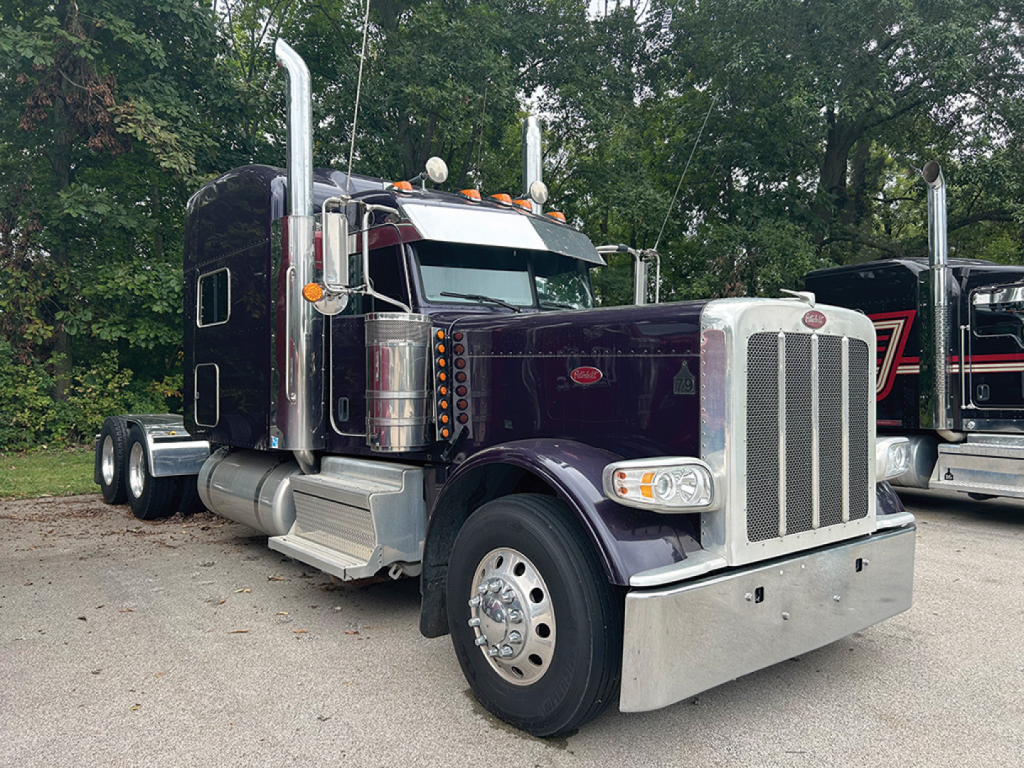
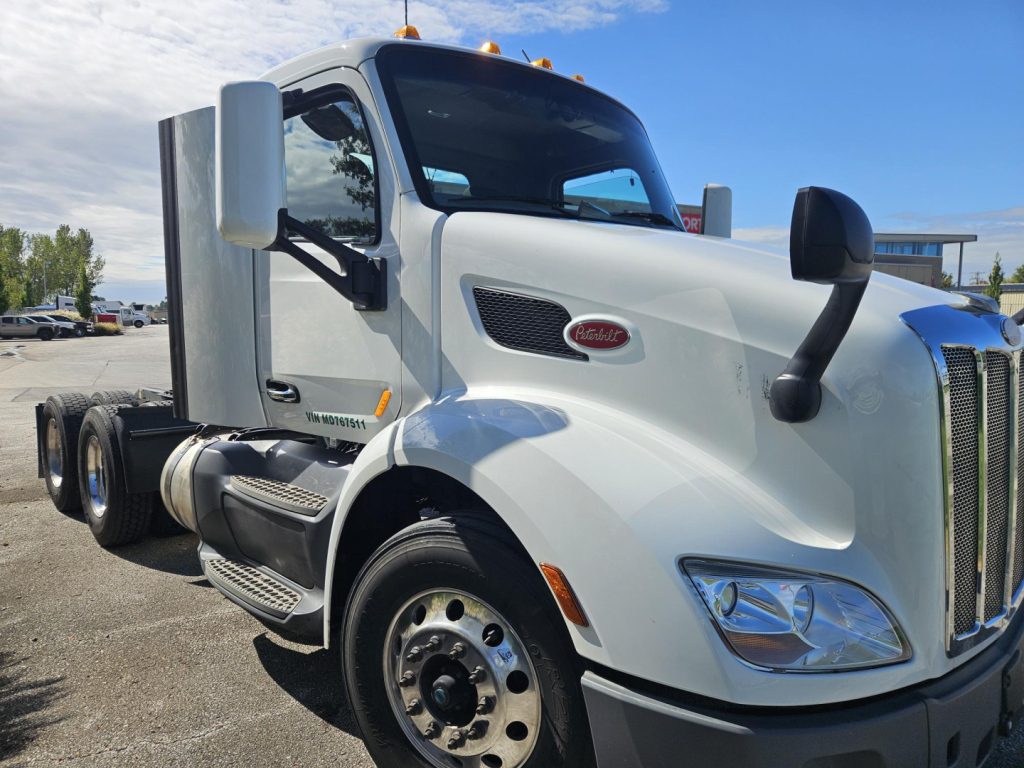
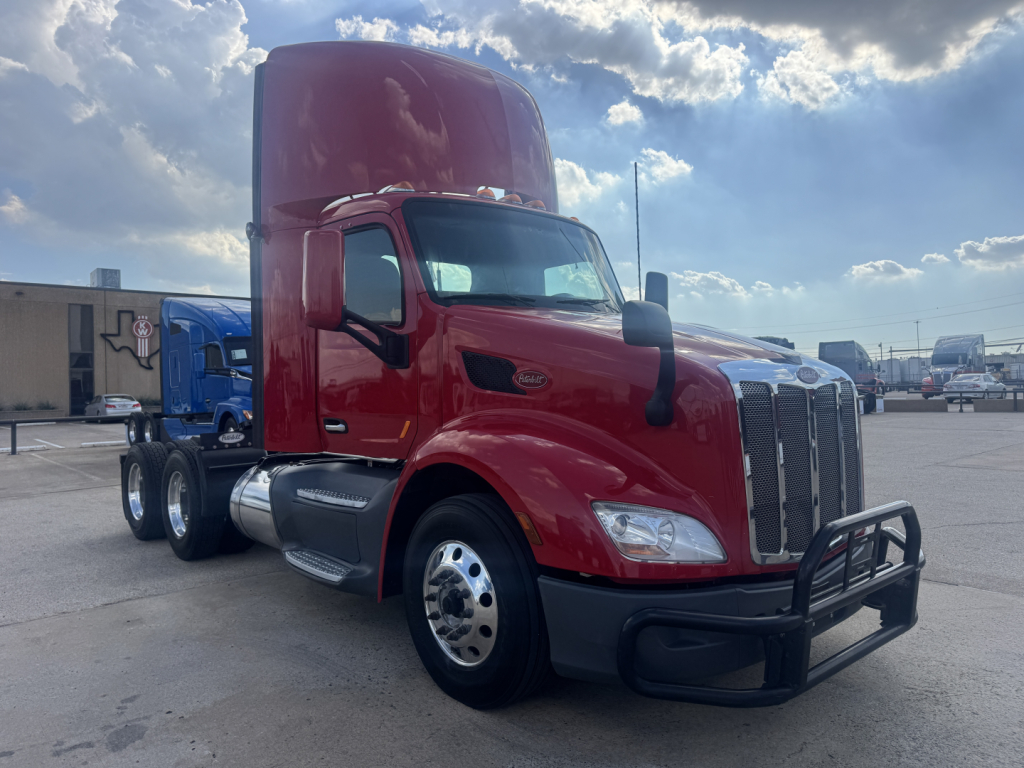
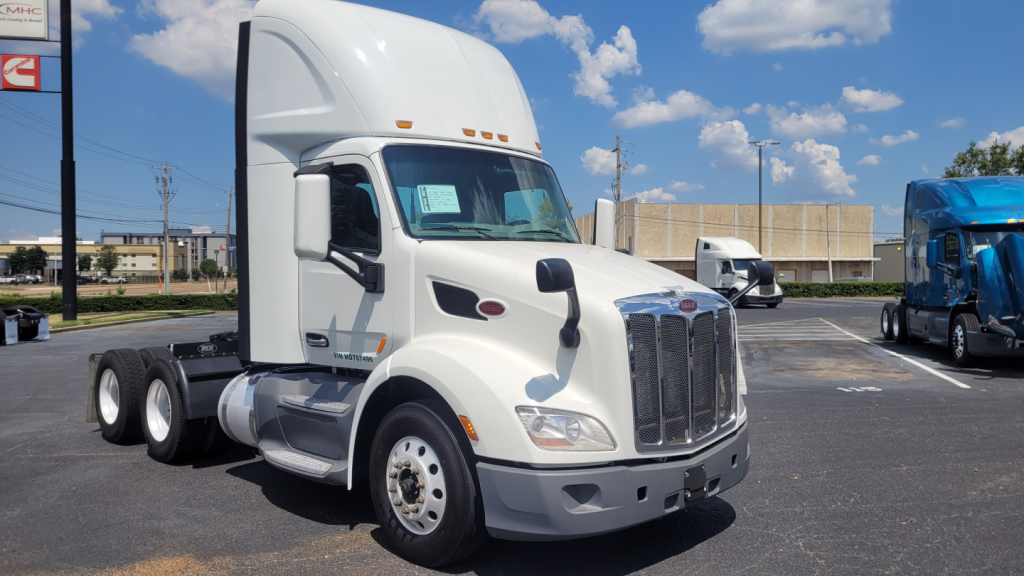
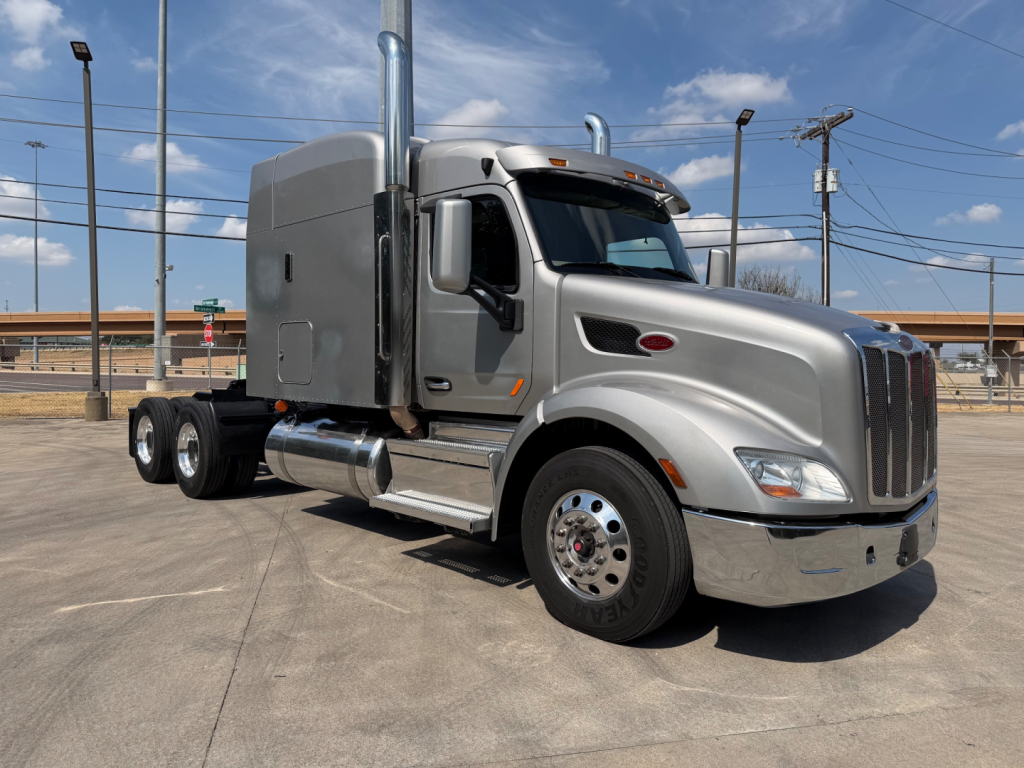
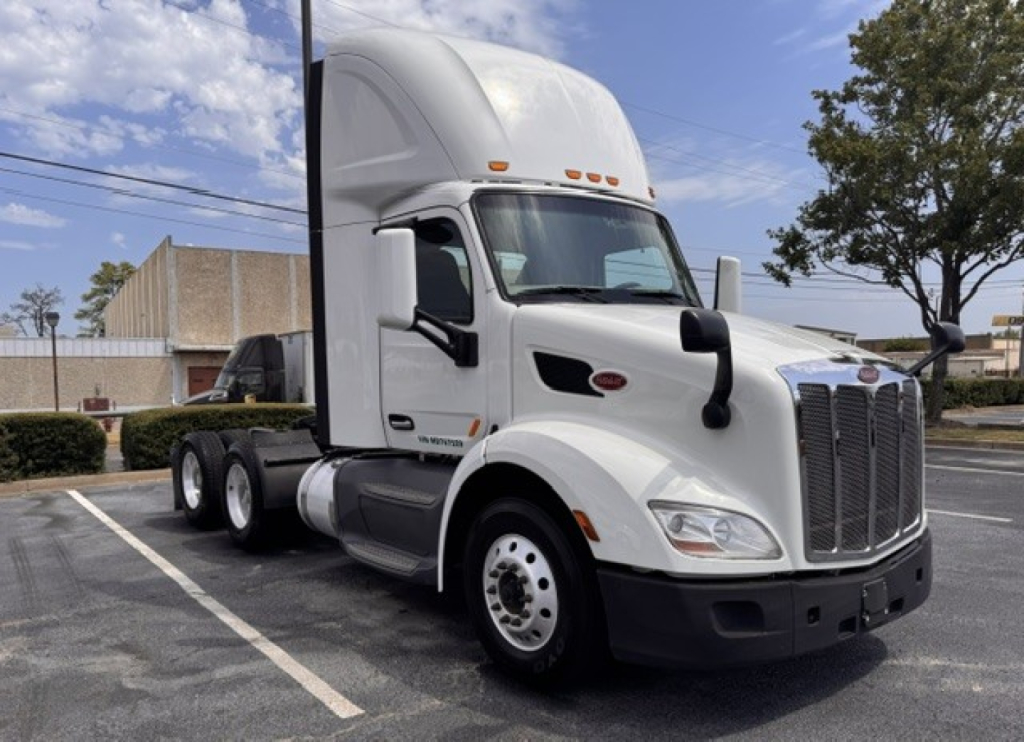
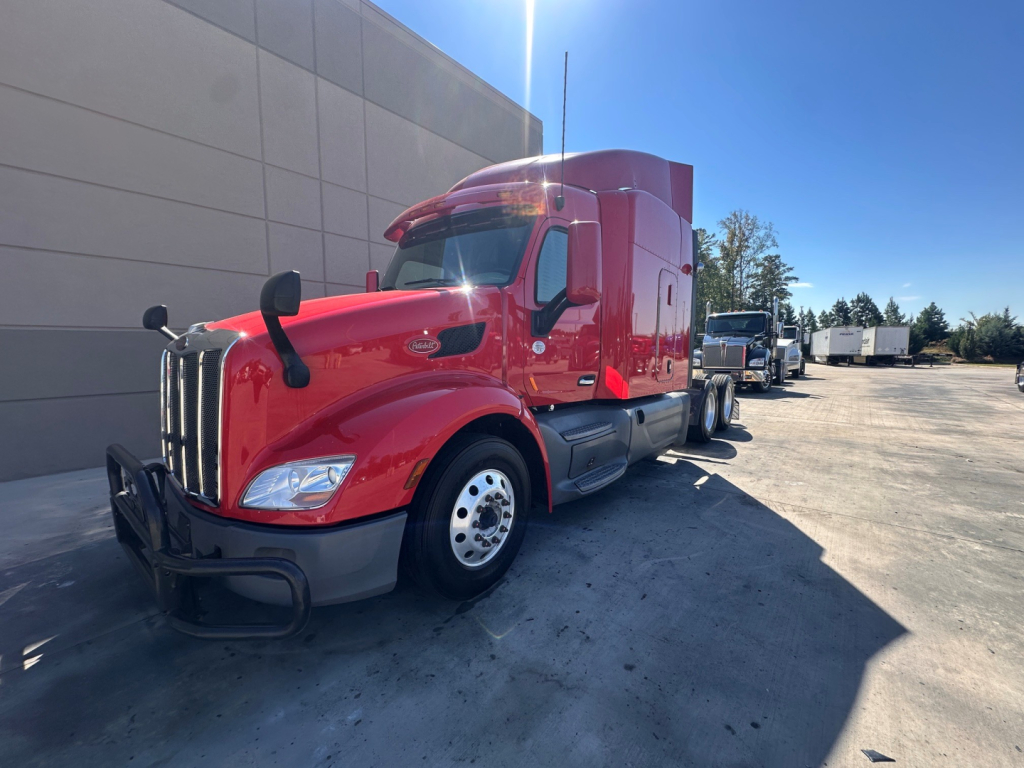
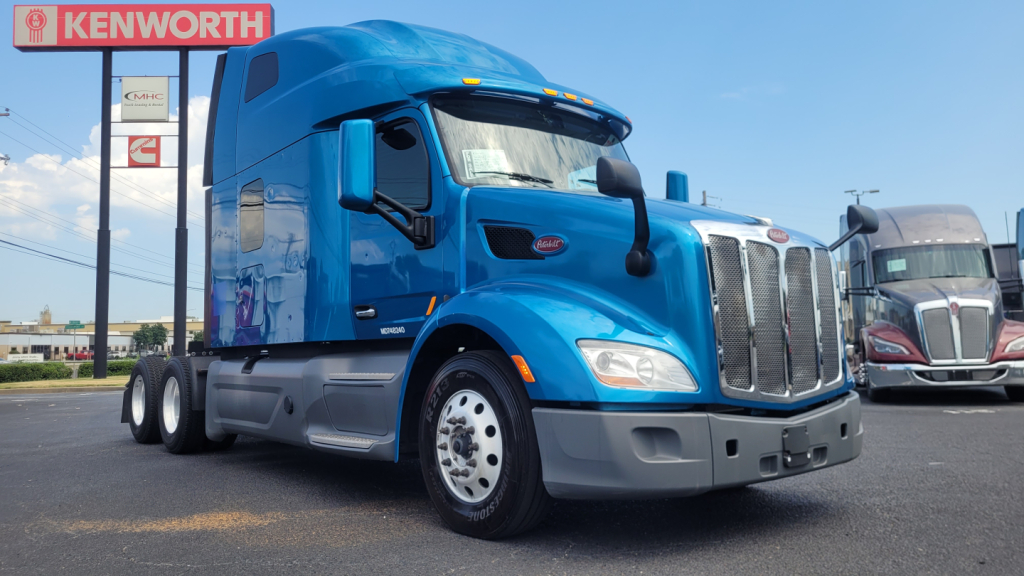
2021 Peterbilt 579
491,902 mi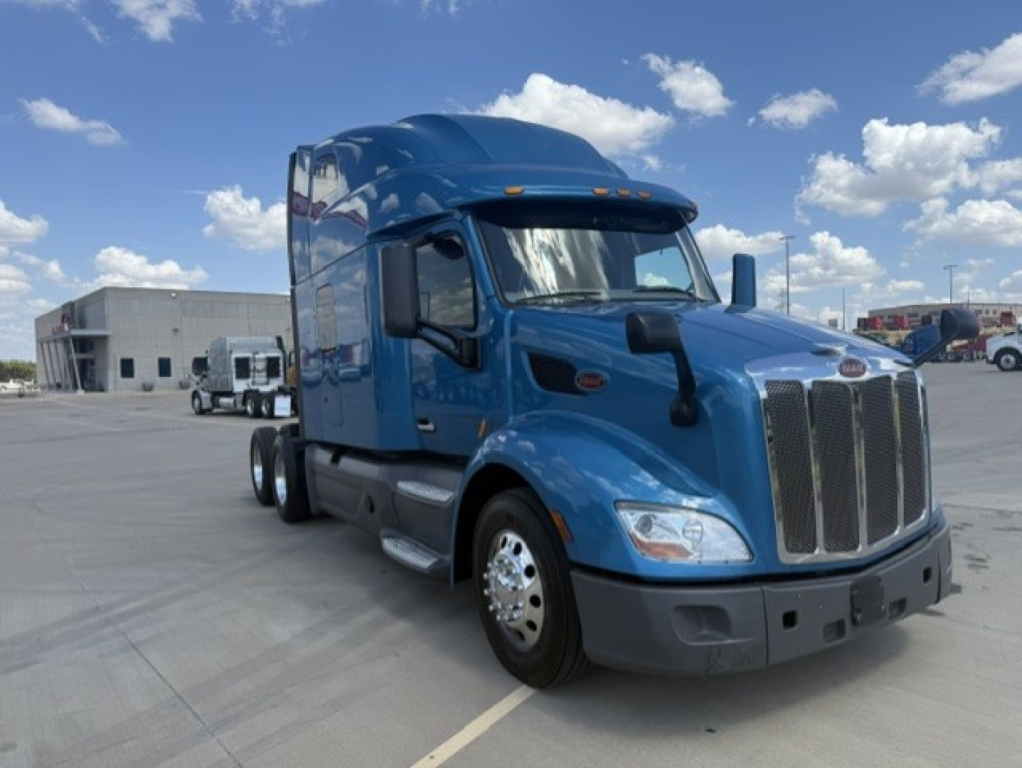
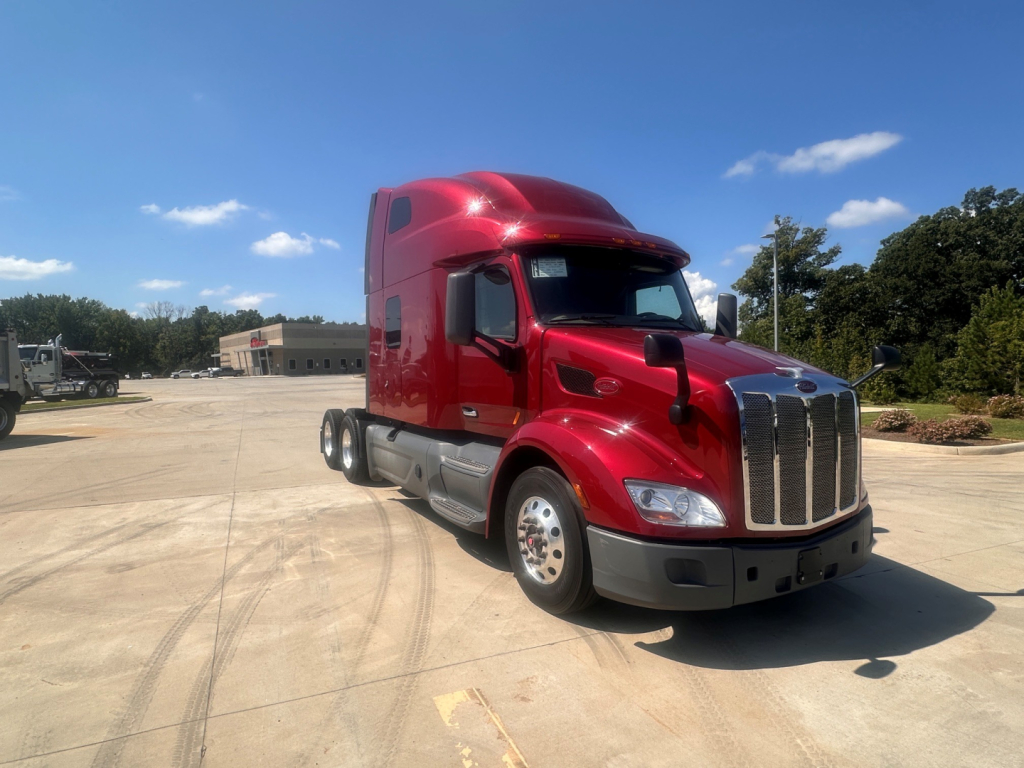
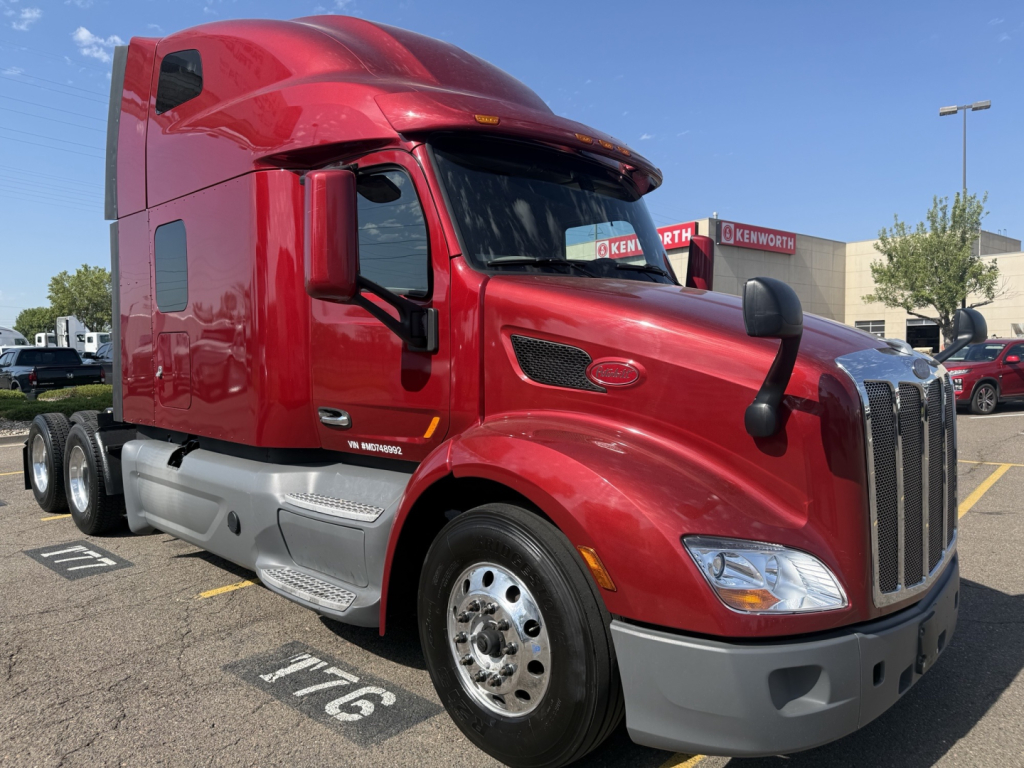
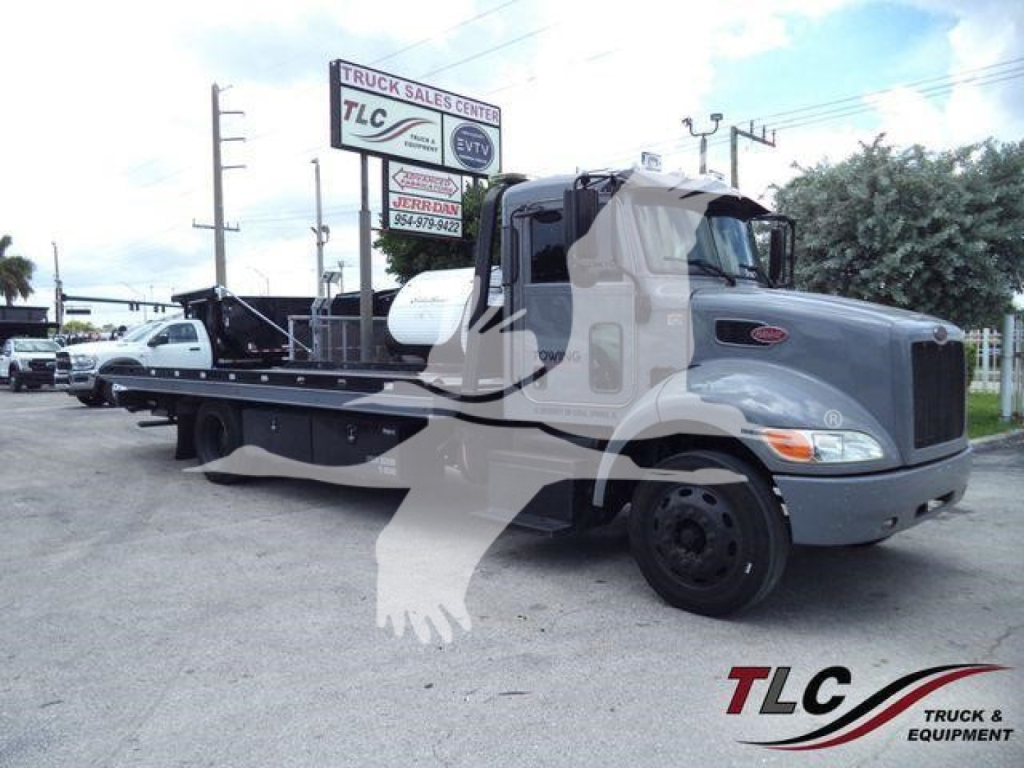
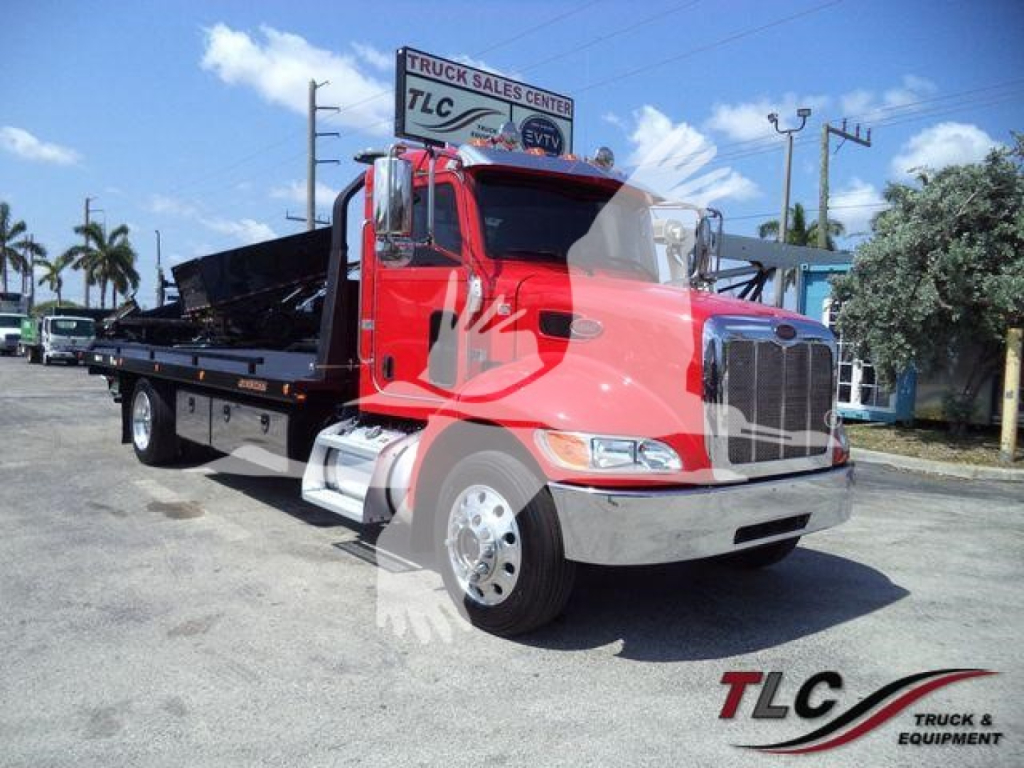

Looking for the easiest place to sell your used 2021 peterbilt truck? List it here to reach thousands of buyers.
Used 2021 Peterbilt Trucks
Spec selection matters more than badge alone. On-road tractors from this year commonly show up with PACCAR MX-13 or Cummins X15 engines, horsepower ratings in the 400 to 510 range, and automated manuals such as the Eaton Endurant or PACCAR automated transmission. Rear axle ratios often tell you how the truck was ordered. A 2.64 or 2.79 ratio usually points to fuel-focused linehaul use, while shorter ratios better suit heavier regional or vocational service. For vocational 2021 Peterbilts, buyers should pay close attention to front axle capacity, lift axle configuration, PTO provision, frame rail strength, suspension type, and body compatibility. Models set up for dump, mixer, roll-off, vacuum, or equipment hauling can look similar in photos but differ significantly in legal payload and jobsite durability.
Cab and chassis details are where used Peterbilt value often shows up. Peterbilt is known for driver-forward interiors, good switch layout, and strong resale appeal, but condition still comes down to application and maintenance history. On highway units, sleeper size, fairing package, fuel capacity, wheelbase, and fifth wheel setup affect both comfort and operating cost. On vocational trucks, look closely for frame corrosion, body mount wear, steer tire scrub, suspension bushing condition, and PTO or hydraulic system operation. If the truck has collision mitigation, lane departure, or other ADAS features, confirm that sensors and calibration are current after any bumper, windshield, or alignment work.
A 2021 Peterbilt truck is often a practical choice for fleets standardizing around late-model equipment and for owner-operators who want a premium cab with broad service support. The right truck depends less on model name and more on how it was built for the job. Engine family, transmission type, axle ratings, suspension, and body or sleeper configuration should match the freight, terrain, and average trip length. Buyers comparing multiple used 2021 Peterbilt trucks should weigh total lifecycle factors such as aftertreatment service history, idle hours, tire and brake spec, and any signs the original application was harder on the chassis than the odometer suggests.
Frequently Asked Questions about Used 2021 Peterbilt Trucks
What are the most common 2021 Peterbilt truck models on the used market?
The most common 2021 Peterbilt trucks depend on application, but buyers frequently see 579 highway tractors, 389 owner-operator and regional tractors, and vocational models such as the 567, 367, and 348. Medium-duty units may also appear in pickup and delivery, box truck, or municipal service. The model alone does not tell the full story, because Peterbilt trucks are often heavily customized at order time with different engines, axle ratings, wheelbases, suspensions, and body provisions.
Which engines are typical in used 2021 Peterbilt trucks?
Used 2021 Peterbilt trucks commonly come with PACCAR MX-series engines or Cummins engines, depending on the model and original build. Highway tractors often carry the PACCAR MX-13 or Cummins X15, while vocational and medium-duty units may use smaller displacement options depending on GVWR and duty cycle. Buyers should review not just engine make and horsepower, but also torque rating, emissions service history, idle hours, and the maintenance record for the aftertreatment system.
Are 2021 Peterbilt trucks good for both highway and vocational work?
Yes, 2021 Peterbilt trucks were built across a wide operating range, from long-haul sleeper tractors to severe-duty vocational chassis. A 579 or 389 may be suited to linehaul, regional, or specialized tractor work, while a 567, 367, or 348 may be configured for dump, roll-off, mixer, equipment transport, or municipal service. The key is to confirm that axle capacities, frame spec, suspension, PTO capability, and wheelbase match the intended application rather than assuming all trucks in the same model family are interchangeable.
What should buyers inspect first on a used 2021 Peterbilt truck?
Start with the original build spec and service records, then inspect the truck for signs that its actual use matched the intended configuration. On highway tractors, focus on aftertreatment history, transmission performance, tire wear patterns, suspension condition, and any ADAS calibration issues. On vocational trucks, inspect the frame, crossmembers, body mounts, hydraulic systems, PTO operation, front axle loading, and evidence of off-road or overload stress. A clean cab and premium trim do not offset a mismatched chassis or weak maintenance history.
Do 2021 Peterbilt trucks hold their value well?
Peterbilt trucks generally retain strong market interest because of brand recognition, driver appeal, and broad parts and service support. A 2021 model can be especially attractive because it is late-model enough to offer modern electronics and safety features while still fitting many used-equipment budgets. Resale value is strongest when the truck has a desirable drivetrain combination, documented maintenance, a clean frame and cab, and a configuration that fits common freight or vocational demand.