
Used 2015 Peterbilt Trucks For Sale
Browse used 2015 Peterbilt trucks, including on-highway and vocational models with popular PACCAR and Cummins powertrain options.
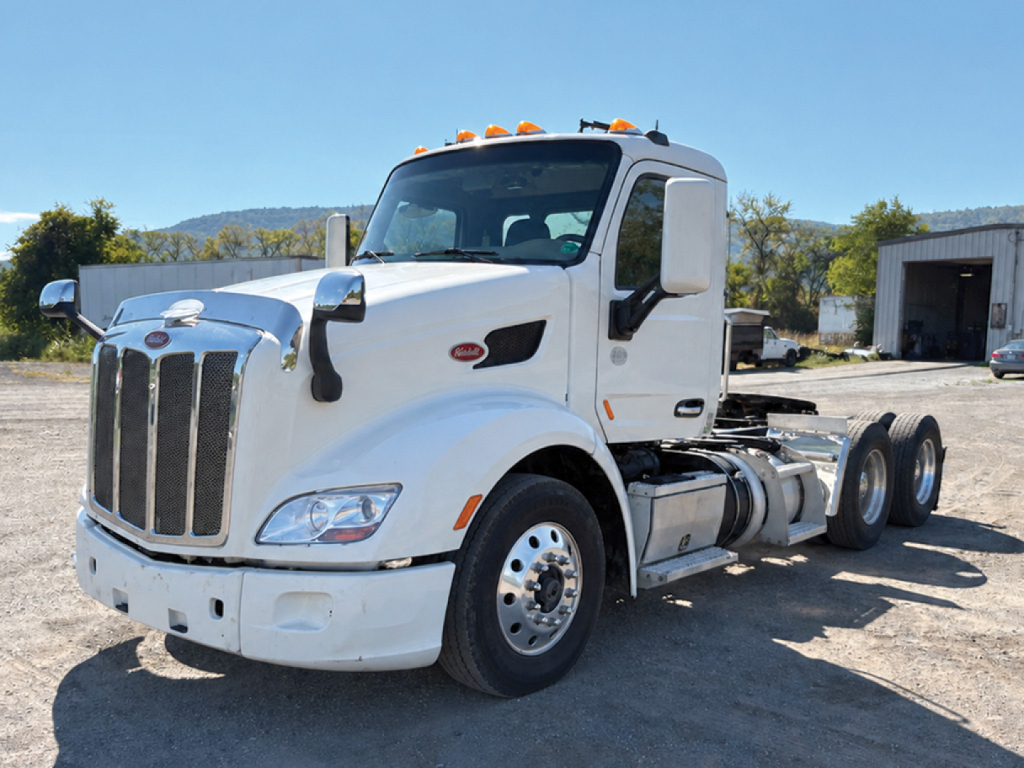
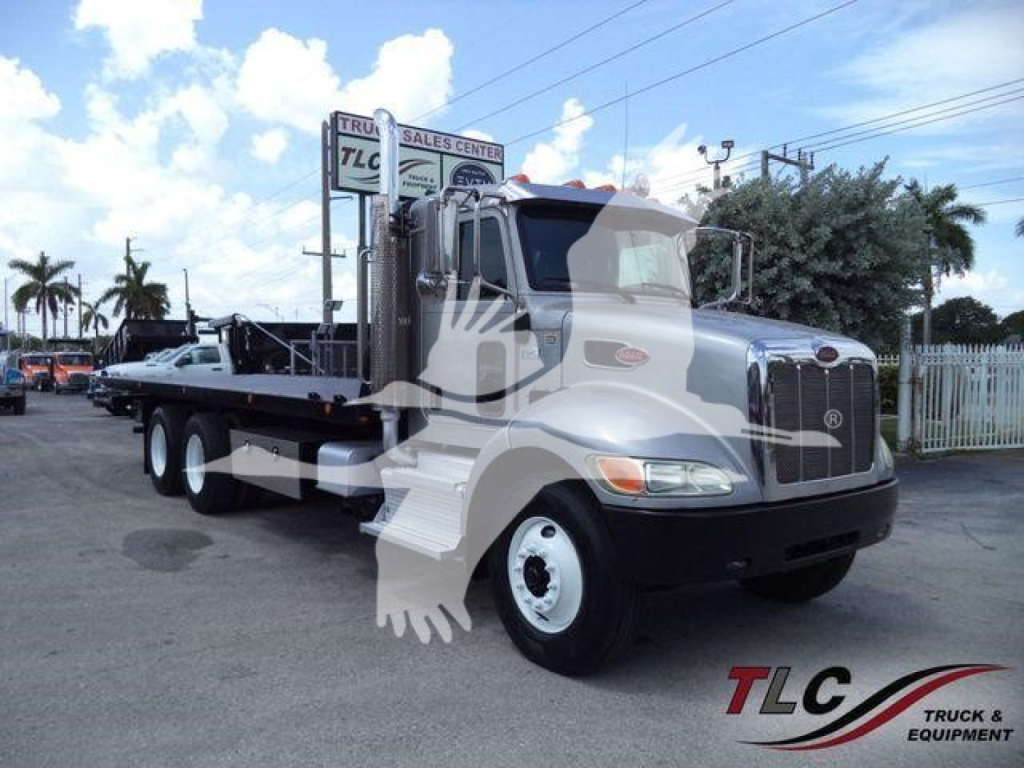
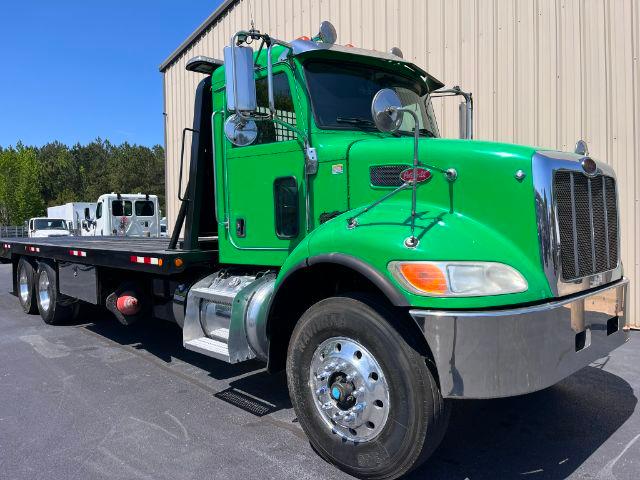
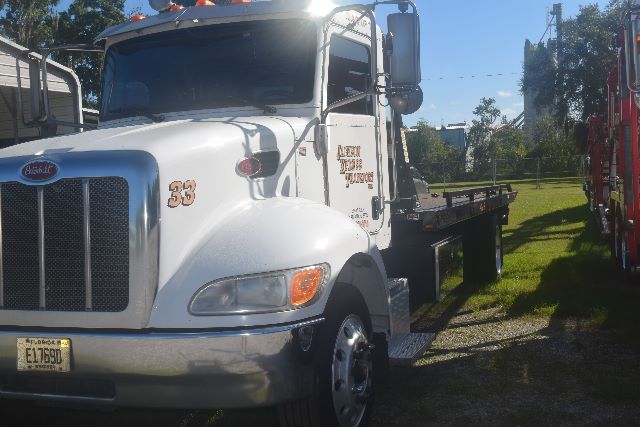

Selling a used 2015 peterbilt truck? List your used 2015 peterbilt truck for sale and reach thousands of commercial buyers.
Used 2015 Peterbilt Trucks
Powertrain choice is usually the biggest separator. A 2015 Peterbilt may be equipped with a PACCAR MX series engine, a Cummins ISX or smaller Cummins and PACCAR PX engine depending on the model and GVWR class. Transmissions in this year range often include Eaton Fuller manuals, Eaton automated manuals, and Allison automatics on medium-duty or towing applications. Rear axle ratios, horsepower, and torque ratings can vary widely, so a highway tractor set up for fuel economy will feel very different from a rollback or heavy vocational truck geared for startability and PTO work. On used units, it is worth checking service history around DPF cleaning intervals, DEF system repairs, sensors, EGR components, and any aftertreatment fault history, since 2015 trucks are fully in the SCR emissions era.
Cab and chassis specs deserve close attention because Peterbilt trucks are often ordered with very application-specific layouts. For over-the-road use, look at sleeper size, fuel capacity, fairings, wheelbase, and 5th wheel arrangement. For rollback, wrecker, or carrier applications, focus on GVWR, front axle capacity, double frame availability, PTO and hydraulic setup, body manufacturer, deck length, winch rating, and wheel-lift specs. Air ride suspension, engine brakes, aluminum wheels, and premium interior trim are common on many Peterbilts, but the real value is in how well the truck was maintained. Cab condition, frame corrosion, steering wear, suspension bushing condition, brake life, tire match, and evidence of vocational stress all tell you more than cosmetics.
Peterbilt remains a strong brand in the used market because parts support is broad, resale is typically solid, and many buyers prefer the combination of driver comfort and durable chassis design. A used 2015 Peterbilt truck can make sense for fleets, owner-operators, towing companies, contractors, and municipal buyers, but the best unit is the one with a spec package that matches the route, payload, and duty cycle. When reviewing listings, compare engine hours against miles on vocational trucks, confirm axle and bridge compliance for your state, and pay attention to upfit details that are expensive to change later. A clean 2015 Peterbilt with the right drivetrain, maintenance records, and application-specific equipment can still be a productive truck for years.
Frequently Asked Questions about Used 2015 Peterbilt Trucks
What engines are commonly found in used 2015 Peterbilt trucks?
Used 2015 Peterbilt trucks commonly appear with PACCAR MX engines in heavier highway applications, Cummins ISX engines in some road tractors, and PACCAR PX or Cummins medium-duty engines in models such as the 337 or 348. The exact engine depends on the truck’s original job, GVWR, and model family. Buyers should verify horsepower, torque, engine brake spec, emissions service history, and whether the truck was used in long-haul or stop-and-go duty, because those factors affect durability and operating cost.
Is a 2015 Peterbilt a good year to buy used?
A 2015 Peterbilt can be a strong used-truck value if maintenance has been consistent and the spec matches the intended application. This model year is new enough to offer modern aerodynamics, updated interiors, and current emissions hardware, but old enough to be more accessible on price than newer units. The biggest buying consideration is condition of the aftertreatment system, along with transmission health, suspension wear, and documented preventive maintenance.
What should I look for on a used 2015 Peterbilt rollback or tow truck?
On a used 2015 Peterbilt rollback or tow truck, focus on the complete chassis-and-body package rather than the cab alone. Check GVWR, front axle rating, frame condition, PTO engagement, hydraulic performance, deck length, winch capacity, wheel-lift operation, and any signs of structural fatigue around body mounts. Engine hours are especially important on tow and recovery trucks because idle time and PTO use can be high even when mileage looks moderate.
Are 2015 Peterbilt trucks expensive to maintain?
Maintenance cost depends heavily on the model, engine, and previous use. Highway tractors may have more predictable service needs, while vocational units can show higher wear in steering, brakes, suspension, hydraulics, and frames. Emissions-related repairs on a 2015 truck can be a meaningful expense, so buyers should review DPF service records, DEF dosing repairs, fault codes, and dealer or shop documentation before purchase. Strong parts availability helps keep most Peterbilt maintenance manageable compared with lower-volume brands.
Which 2015 Peterbilt model is best for highway use versus vocational work?
For highway use, buyers often focus on aerodynamic conventional models such as the Peterbilt 579 because they are commonly spec’d for fuel economy, sleeper comfort, and over-the-road efficiency. For vocational work, models like the 337, 348, 365, and 367 are more likely to be configured for towing, hauling, construction, or municipal service with heavier axles, PTO capability, and application-specific bodies. The best choice depends less on the model name and more on wheelbase, axle ratings, engine-transmission pairing, and body or chassis equipment.