
Used 2006 Peterbilt Trucks For Sale
Browse used 2006 Peterbilt trucks for sale, including vocational and highway models with Cummins or CAT power and classic Peterbilt styling.
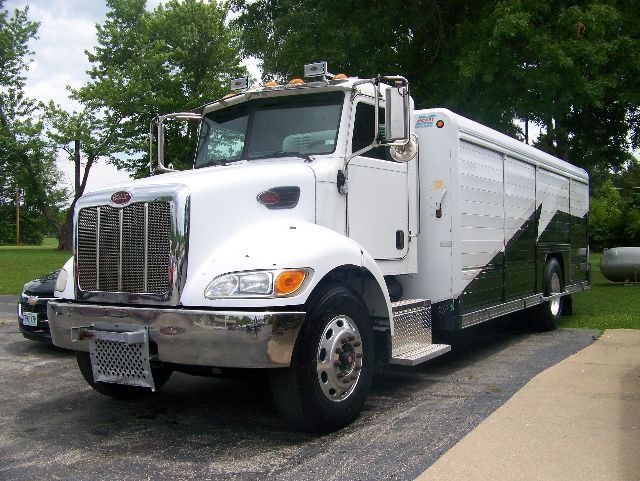
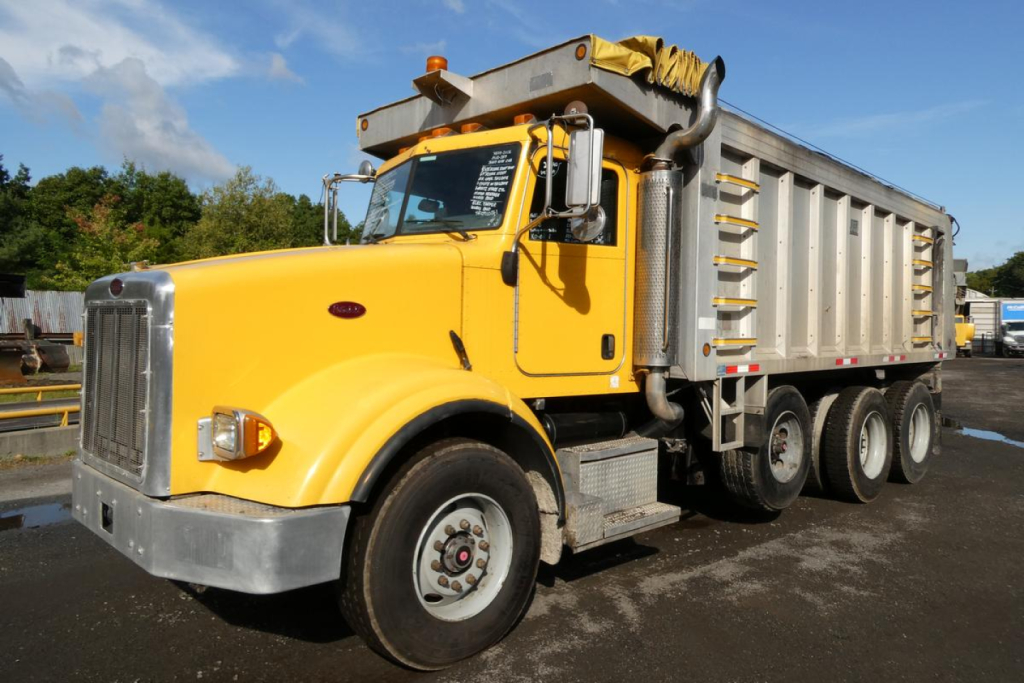

Selling a used 2006 peterbilt truck? List your used 2006 peterbilt truck for sale and reach thousands of commercial buyers.
Used 2006 Peterbilt Trucks
Powertrain choice matters more than the badge alone on a 2006 Peterbilt. Many trucks from this year were spec'd with Caterpillar C15 or C13, Cummins ISX or ISM, and occasionally Detroit Diesel power depending on application and original fleet preference. Manual transmissions are common, especially 10-speed, 13-speed, and 18-speed setups, while vocational trucks may carry Allison automatics. Rear axle ratios, suspension type, and wheelbase should be matched to the job. A long-wheelbase sleeper with tall gears fits over-the-road service, while a short-wheelbase vocational truck with double frame rails, PTO provision, and heavy front axle ratings is better suited for construction or municipal work.
Condition and prior use are critical on any used 2006 Peterbilt truck. Buyers should pay close attention to engine history, in-frame status, ECM downloads, suspension wear, steering play, crossmember condition, and signs of frame modification or corrosion. On older Peterbilts, cab mounts, hood alignment, air system leaks, wiring repairs, and interior wear can say a lot about how the truck was maintained. If the truck has a sleeper, check HVAC operation, bunk components, and electrical accessories. If it is a vocational chassis, inspect PTO function, hydraulic plumbing, body mounting, and evidence of overload use. A truck from this era can still be a productive asset, but only if the spec and mechanical condition line up with the intended route, payload, and annual miles.
A 2006 Peterbilt is often on the shortlist for owner-operators and small fleets that want a classic conventional truck with serviceable components and broad aftermarket support. The biggest advantages are familiarity, drivability, and access to replacement parts for common drivetrain and chassis components. The tradeoff is age. A buyer should budget for suspension refresh work, air and electrical repairs, and emissions-related diagnosis on later 2006 builds where applicable. When the truck has good maintenance records and the chassis spec fits the work, a used 2006 Peterbilt can still offer solid value in regional haul, farm service, vocational duty, or specialized fleet use.
Frequently Asked Questions about Used 2006 Peterbilt Trucks
What engines are common in a used 2006 Peterbilt truck?
Common engine options in 2006 Peterbilt trucks include Caterpillar C15 and C13, Cummins ISX and ISM, and in some cases Detroit Diesel engines depending on the model and original customer spec. The right choice depends on application, service history, and parts support in your area. Buyers should verify horsepower rating, engine brake setup, emissions configuration, and maintenance records rather than assuming all trucks from this year were built the same.
Is a 2006 Peterbilt considered pre-DEF?
Yes. A 2006 Peterbilt predates DEF systems, which were introduced later for heavy-duty trucks. That makes this model year attractive to buyers looking for older emissions technology with fewer aftertreatment components than newer trucks. It is still important to confirm the exact emissions label and engine family, because 2006 trucks can vary in complexity depending on engine make and build date.
What should I inspect first on a used 2006 Peterbilt?
Start with the engine, transmission, rear ends, frame, and suspension. Review ECM data if available, look for blow-by, coolant contamination, oil leaks, clutch wear, driveline vibration, and differential noise. Then inspect the frame rails, crossmembers, spring hangers or air suspension components, steering gear, kingpins, and brake system. On vocational trucks, PTO operation, hydraulic lines, and body installation quality should be checked closely because they can reveal hard use or poor upfitting.
Are 2006 Peterbilt trucks good for owner-operators?
They can be a good fit for owner-operators who want a truck with classic Peterbilt styling, a conventional layout, and serviceable mechanical components. Many buyers prefer this era because it offers strong drivability and fewer emissions components than newer equipment. The key is buying on condition and spec, not appearance alone. Repair budgeting is important because age-related issues in wiring, suspension, air systems, and cab components are common on trucks of this vintage.
Which 2006 Peterbilt models are most common on the used market?
The most commonly seen 2006 Peterbilt models on the used market are typically the 379, 386, 387, 357, 378, and 385, with both day cab and sleeper versions available. Some are set up for over-the-road freight, while others are built as dump, rollback, tow, or roll-off chassis. Model number alone does not tell the full story, so buyers should compare axle ratings, wheelbase, frame spec, and transmission setup to make sure the truck matches the intended work.