
Used 2000 Peterbilt Trucks For Sale
Shop used 2000 Peterbilt trucks for sale. Compare classic Peterbilt models, engine options, wheelbases, sleepers, and vocational specs.
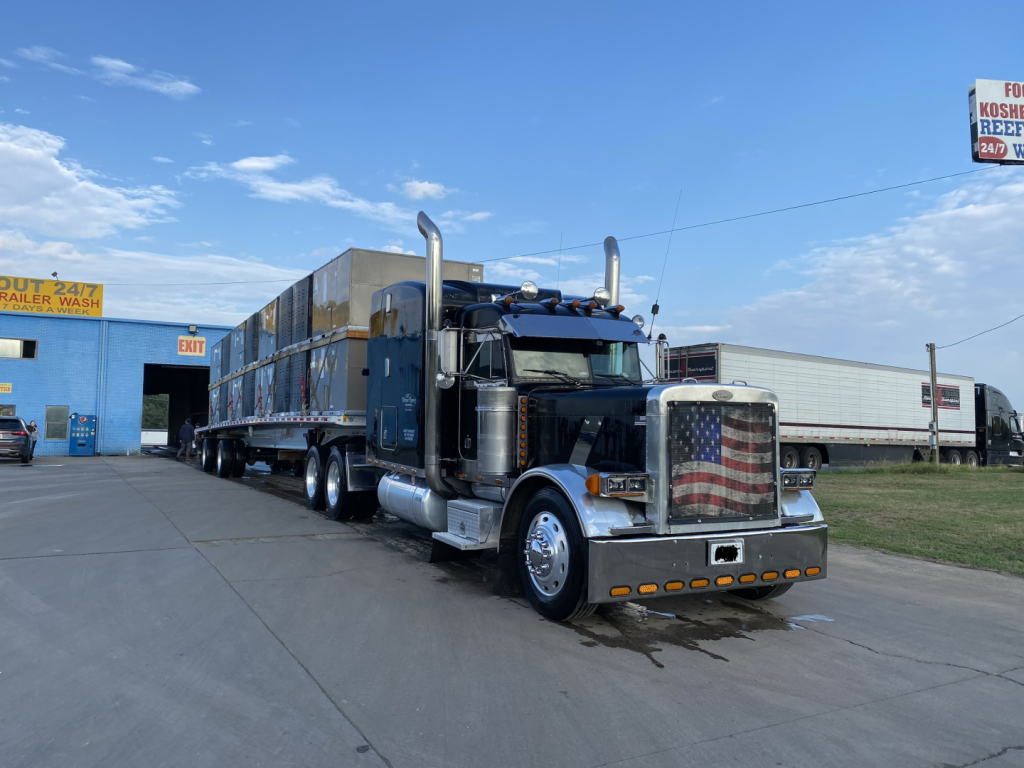
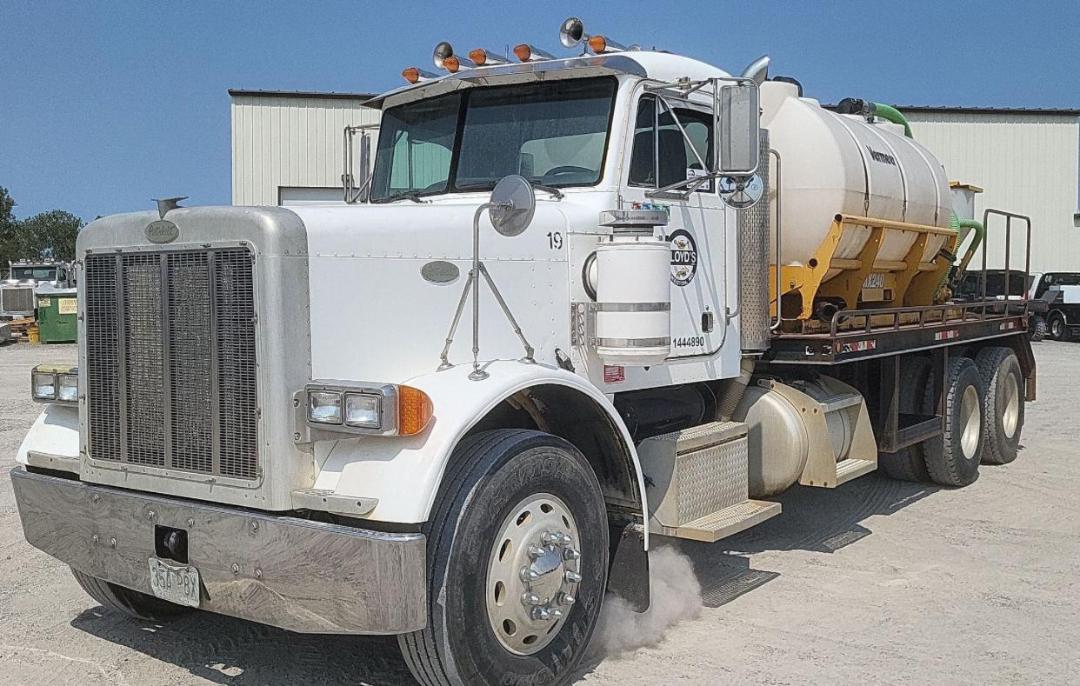
Have used 2000 peterbilt truck to sell? List it here to reach thousands of buyers.
Used 2000 Peterbilt Trucks
Engine and transmission specs are a major part of the buying decision on any used 2000 Peterbilt truck. Trucks from this era are often powered by Caterpillar, Cummins, or Detroit Diesel engines, paired with popular Eaton Fuller manual transmissions in 9, 10, 13, 15, or 18-speed setups. Rear axle ratings, gear ratios, and suspension design matter just as much as horsepower. A highway tractor with a taller ratio may be geared for fuel mileage and cruise speed, while a vocational truck may carry deep rears, heavy double frame rails, PTO capability, and severe-service suspensions for jobsite work. On many used Peterbilt trucks, buyers also pay close attention to air ride versus spring suspension, front axle capacity, wet kits, locking differentials, and whether the truck has a sliding fifth wheel, dump hydraulics, or body-specific equipment already installed.
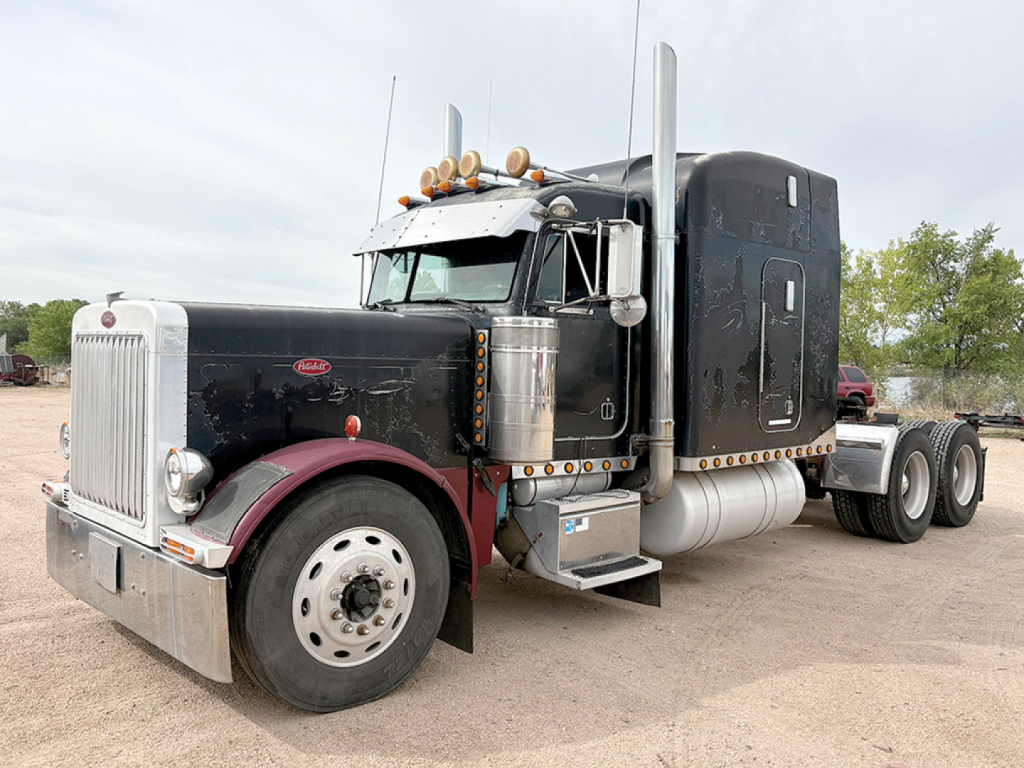
Cab layout is another important difference in this category. Some 2000 Peterbilt trucks were ordered as day cabs for local hauling and construction, while others were built with Unibilt sleepers for over-the-road service. Wheelbase, cab-to-axle measurement, fuel capacity, and sleeper size all affect how useful the truck will be in its next job. Peterbilt’s aluminum cab construction, classic interior layout, and strong resale following still appeal to owner-operators and fleets looking for serviceable older iron. For vocational buyers, body compatibility matters just as much as engine condition, especially on rollback, flatbed dump, hooklift, and work truck applications where frame length, PTO location, and hydraulic plumbing can save expensive rework.
A smart buyer evaluating a used 2000 Peterbilt truck should look beyond appearance and focus on spec consistency and mechanical history. Check engine model, brake type, axle ratings, suspension wear, frame condition, and signs of prior heavy-duty body installation or removal. Confirm wheelbase and bridge compliance if the truck will pull a trailer, and inspect for common age-related issues such as wiring repairs, air system leaks, interior wear, and corrosion around mounts, crossmembers, or underbody components. The best used 2000 Peterbilt trucks are the ones whose original spec still matches the work, because correct gearing, axle capacity, and frame setup usually matter more than cosmetic upgrades.
Frequently Asked Questions about Used 2000 Peterbilt Trucks
What engines are commonly found in a used 2000 Peterbilt truck?
Used 2000 Peterbilt trucks are commonly equipped with Caterpillar, Cummins, or Detroit Diesel engines, depending on the model and original application. Buyers often look for pre-emissions engine platforms from this era because they are simpler to service than newer emissions-equipped trucks. The right engine choice depends on the job, but it is just as important to confirm horsepower, torque rating, transmission match, and maintenance history as it is to identify the engine brand.
Is a 2000 Peterbilt better suited for highway use or vocational work?
A 2000 Peterbilt can be well suited for either highway or vocational service, but the truck has to be spec'd correctly for the intended application. Long-hood conventionals with sleeper cabs, taller rear ratios, and sliding fifth wheels are typically better for over-the-road hauling. Models with shorter wheelbases, heavier front axles, PTOs, double frames, and severe-service suspensions are generally more appropriate for dump, tow, roll-off, or construction work.
What should I inspect first on a used 2000 Peterbilt truck?
Start with the frame, engine, transmission, suspension, and axle ratings. On an older Peterbilt, those major components tell you more about long-term value than chrome, paint, or interior appearance. Buyers should also check for oil or coolant leaks, air system condition, brake wear, signs of frame modification, and whether the wheelbase and cab-to-axle dimensions still fit the intended body or trailer setup.
Are 2000 Peterbilt trucks good candidates for owner-operators?
Yes, many 2000 Peterbilt trucks are attractive to owner-operators because of their classic styling, durable construction, and strong parts support. They are especially appealing to buyers who prefer manual transmissions, simpler electrical systems, and pre-emissions drivetrains. The key is finding a truck with a sound service history and a spec that matches the lanes, weights, and trailer type it will actually run.
Why do axle ratio and wheelbase matter on a used 2000 Peterbilt?
Axle ratio and wheelbase directly affect how the truck performs, what loads it can handle efficiently, and how easily it can be used in a specific application. A highway truck with a tall rear ratio may run better at road speed but feel weak in heavy vocational use. A short wheelbase can improve maneuverability, while a longer wheelbase may be needed for sleeper setups, bridge law compliance, or certain body installations.