
Peterbilt Trucks For Sale in Oklahoma
Shop Peterbilt trucks for sale in Oklahoma, including 579 and 389 models with common specs, vocational uses, sleeper options, and drivetrain setups.
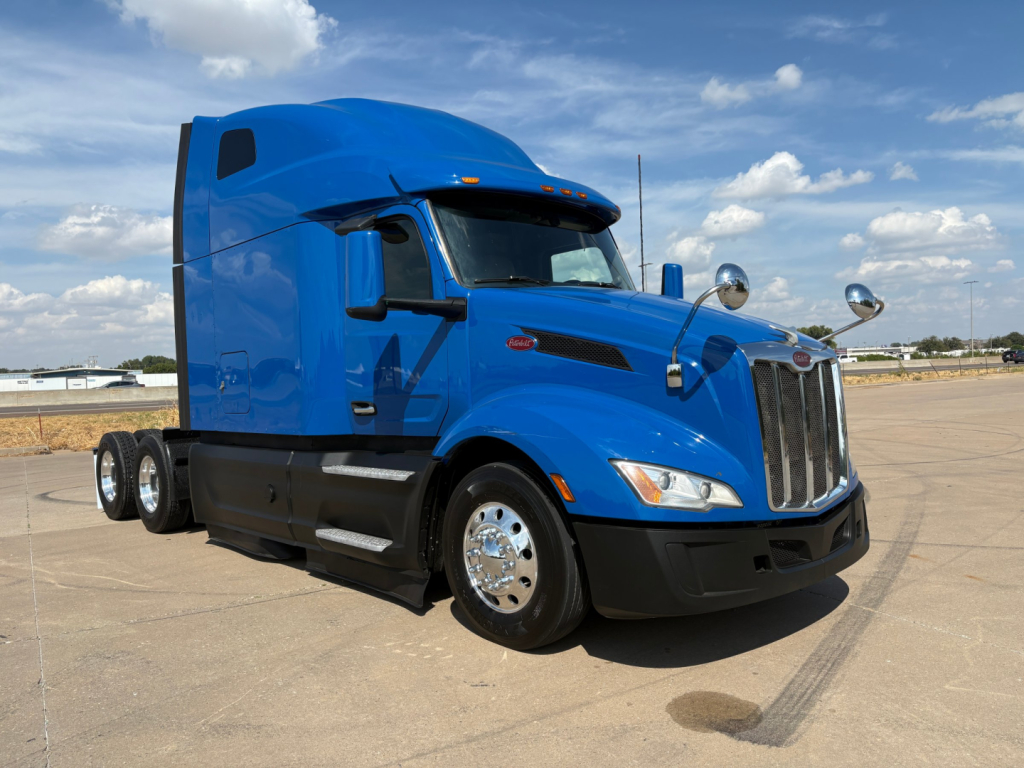
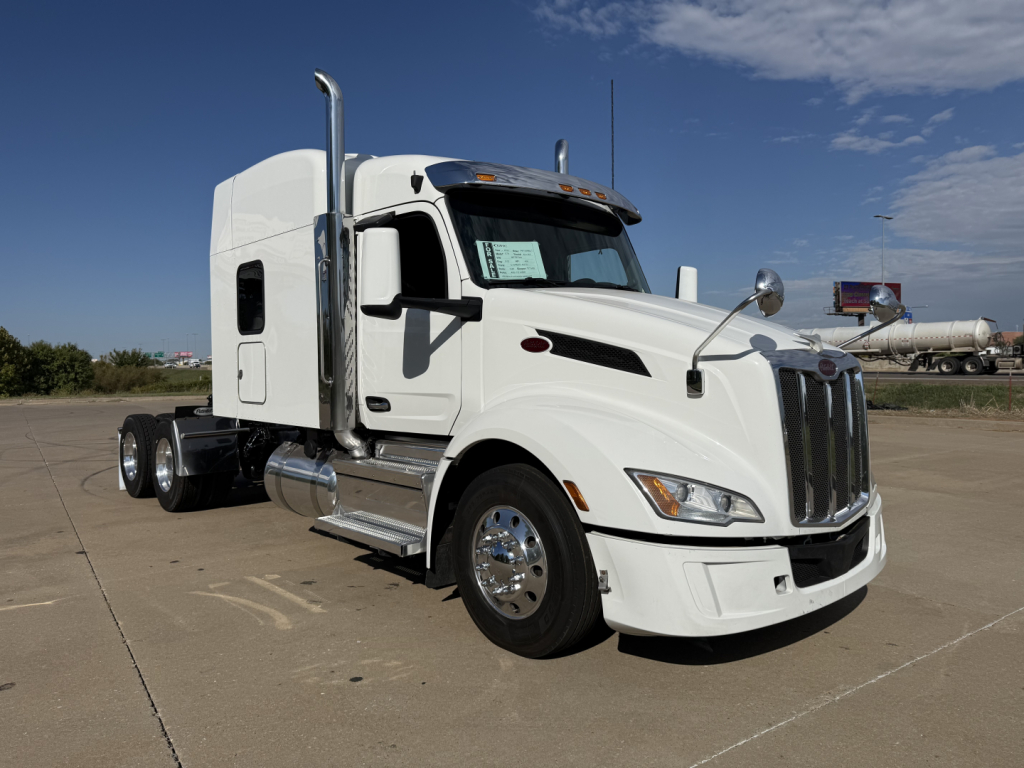
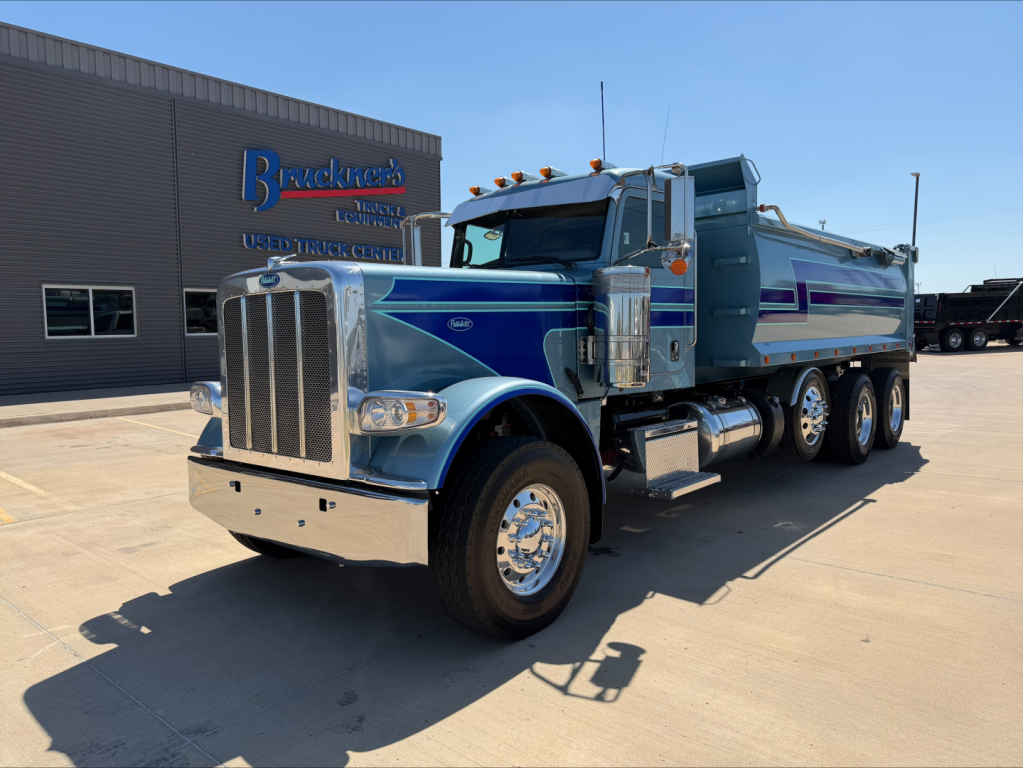

2022 Peterbilt 389
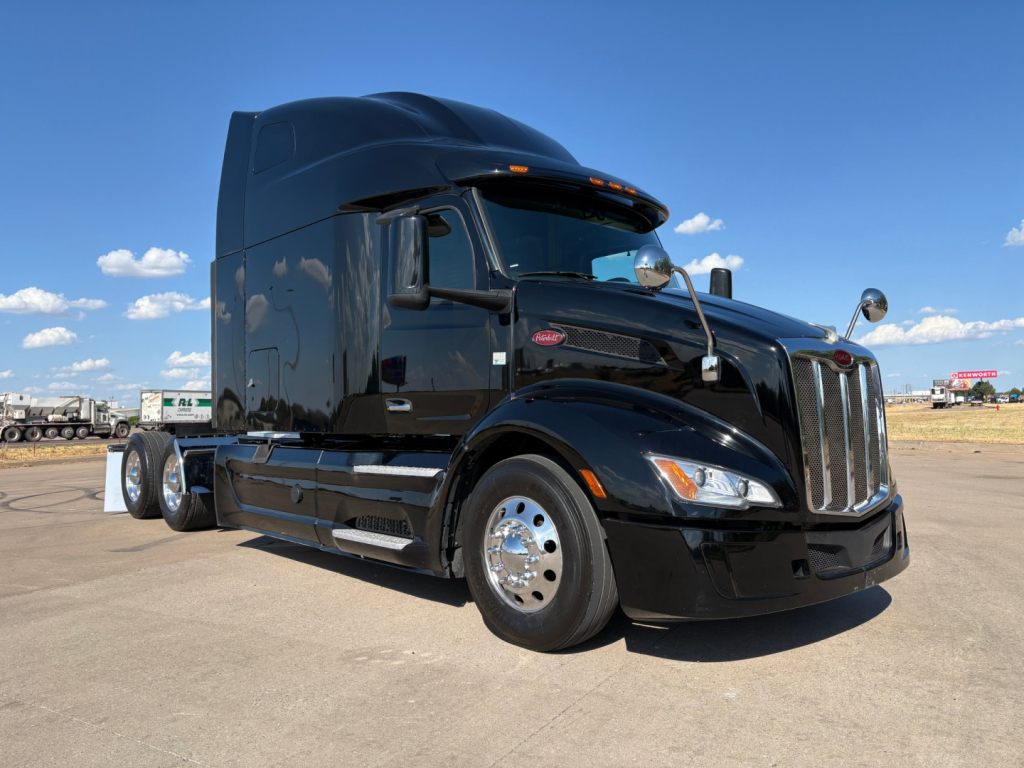
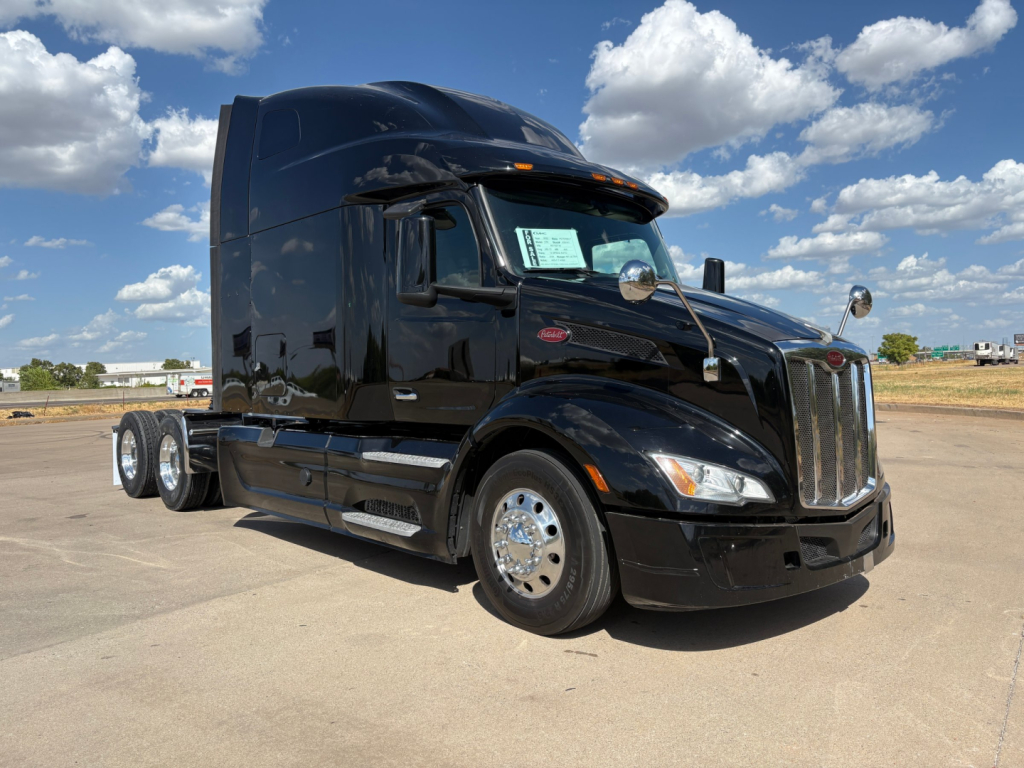
2021 Peterbilt 389
Selling a peterbilt truck? List your peterbilt truck for sale and reach thousands of commercial buyers.
Peterbilt Trucks in Oklahoma
For over-the-road freight, the 579 is often spec'd with a Cummins X15, automated manual transmission such as the Eaton Endurant 12-speed, tandem 40,000 lb rears, and wheelbases in the low-230 inch range. That combination fits general van and reefer work well, especially when matched with faster rear ratios like 2.64 for lower cruise RPM and improved highway fuel economy. Buyers should look closely at sleeper size, axle ratings, wheelbase, and suspension type because those details affect maneuverability, bridge compliance, ride quality, and how well the truck matches a dry van, reefer, or dedicated lane application. If uptime and driver turnover are major concerns, the 579's newer cab design, visibility, and service-friendly layout are often part of the buying decision.
The 389 occupies a different lane. It is commonly spec'd with higher horsepower ratings, manual 10-speed or 18-speed transmissions, heavier front axles, and rear ratios like 3.70 or 3.91 for stronger pulling performance. In Oklahoma, that can make sense for livestock, hopper, flatbed, car haul, oilfield support, and other applications where gearing, front axle capacity, and chassis layout matter as much as cab comfort. Many 389 buyers also pay attention to wheelbase, fuel capacity, tire size, and whether the truck has a flat top, mid-roof, or larger sleeper. A 389 can be built as a sharp owner-operator truck, but it is also a serious work platform when equipped with 13,200 lb to 14,600 lb front axles, 40,000 lb to 46,000 lb rears, and the right suspension and brake package.
When comparing used Peterbilt trucks, focus on the spec sheet before cosmetics. Engine model, horsepower, transmission type, rear ratio, axle ratings, and wheelbase will tell you more about real-world performance than trim level alone. Oklahoma buyers should also consider how the truck was previously used, especially on regional energy, agricultural, or long-haul routes, because duty cycle affects wear patterns on suspension, clutch components, driveline parts, and aftertreatment systems. Peterbilt remains a strong choice for buyers who value a wide service network, recognizable resale strength, and chassis configurations that can be tailored to everything from efficient highway freight to premium heavy-spec hauling.
Frequently Asked Questions about Peterbilt Trucks in Oklahoma
What is the difference between a Peterbilt 579 and a Peterbilt 389?
The Peterbilt 579 is an aerodynamic highway tractor designed for fuel-efficient over-the-road service, commonly paired with automated manual transmissions and faster rear axle ratios. The Peterbilt 389 is a long-hood conventional truck known for traditional styling, higher-horsepower specs, and flexibility for specialized applications such as flatbed, car haul, livestock, and heavy vocational work. The 579 usually makes more sense for fleet freight efficiency, while the 389 is often chosen for image, resale appeal, and heavier or more customized operating demands.
What engine and transmission combinations are common in used Peterbilt trucks?
Cummins X15 engines are very common in later-model Peterbilt highway trucks, especially in the 579 and many newer 389s. Buyers will also see Detroit Series 60 engines in older 389-era trucks and other legacy Peterbilt configurations. On the transmission side, Eaton Endurant 12-speed automated manuals are common in newer fuel-economy specs, while Fuller 10-speed and 18-speed manuals remain popular in 389 trucks built for driver control, heavier loads, or specialized hauling. The right combination depends on route profile, driver preference, maintenance plan, and the weight the truck is expected to pull.
What rear axle ratio should I look for in a Peterbilt truck?
Rear axle ratio should match the truck's intended job. Ratios around 2.64 are common in highway fuel-economy specs because they keep engine RPM lower at cruising speed and work well with aerodynamic tractors hauling general freight. Ratios such as 3.70 or 3.91 are better suited for stronger startability, off-road movement, heavier loads, or applications where low-speed pulling power matters more than fuel mileage. A buyer should consider tire size, transmission gearing, average gross weight, and operating terrain before deciding whether a faster or slower ratio is the better fit.
Are Peterbilt 389 trucks only for show or owner-operator use?
No. The Peterbilt 389 has strong appeal with owner-operators because of its appearance and customization potential, but it is also a legitimate working truck. Many are spec'd with heavier front axles, high-horsepower engines, manual transmissions, and durable suspension setups for real commercial applications. A properly spec'd 389 can be used for flatbed, cattle hauling, car hauling, oilfield service, and other demanding operations where chassis layout and drivetrain strength are critical.
What should I check first when buying a used Peterbilt truck in Oklahoma?
Start with the truck's exact specifications and service history. Verify the engine model, horsepower, transmission, axle ratings, rear ratio, wheelbase, and suspension because those determine whether the truck fits your freight and trailer. Then review maintenance records, emissions system history, brake and tire condition, and signs of frame or suspension wear from rough roads, heavy loads, or vocational use. In Oklahoma, it is especially important to understand whether the truck spent its life in highway service, agriculture, construction support, or energy-related work, because each duty cycle affects long-term reliability in different ways.