
2024 Peterbilt Trucks For Sale in North Carolina
Shop 2024 Peterbilt trucks for sale, including 579 highway tractors and 367 vocational models with modern powertrains and premium driver specs.
Learn more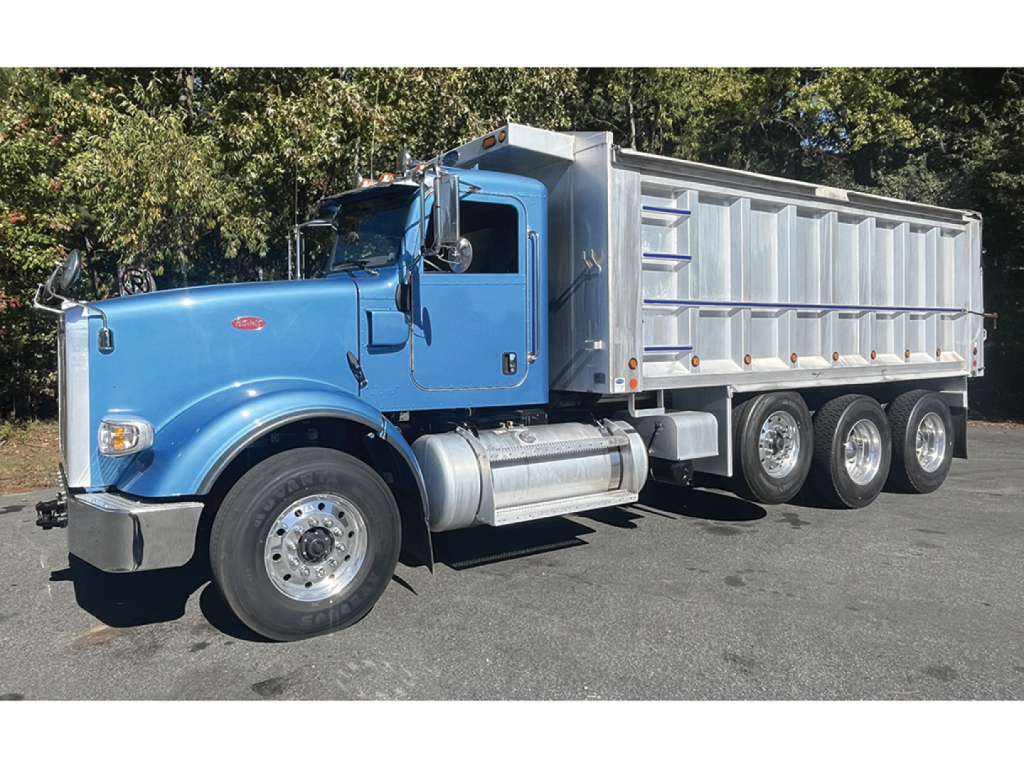

Have 2024 peterbilt truck to sell? List it here to reach thousands of buyers.
About 2024 Peterbilt Trucks in North Carolina
On 2024 Peterbilt 579 trucks, the key spec decisions are sleeper size, engine rating, transmission, and rear axle ratio. Many late-model 579s are built with Cummins X15 or PACCAR MX-13 engines in the 450 to 510 horsepower range, paired with automated 12-speed or 18-speed transmissions. Buyers looking at long-wheelbase sleepers should confirm wheelbase, fifth wheel travel, fuel capacity, and suspension type, especially when matching the truck to van, reefer, or specialized trailer work. A low numerical ratio like 2.79 is aimed at highway speed and fuel economy, while a locking rear differential setup and air leaf or air ride suspension can affect traction, ride quality, and service preference. Sleeper details like an 80-inch UltraLoft or Unibilt high-roof, bunk heater, upper bunk, and storage layout matter if the truck will stay out for extended runs.
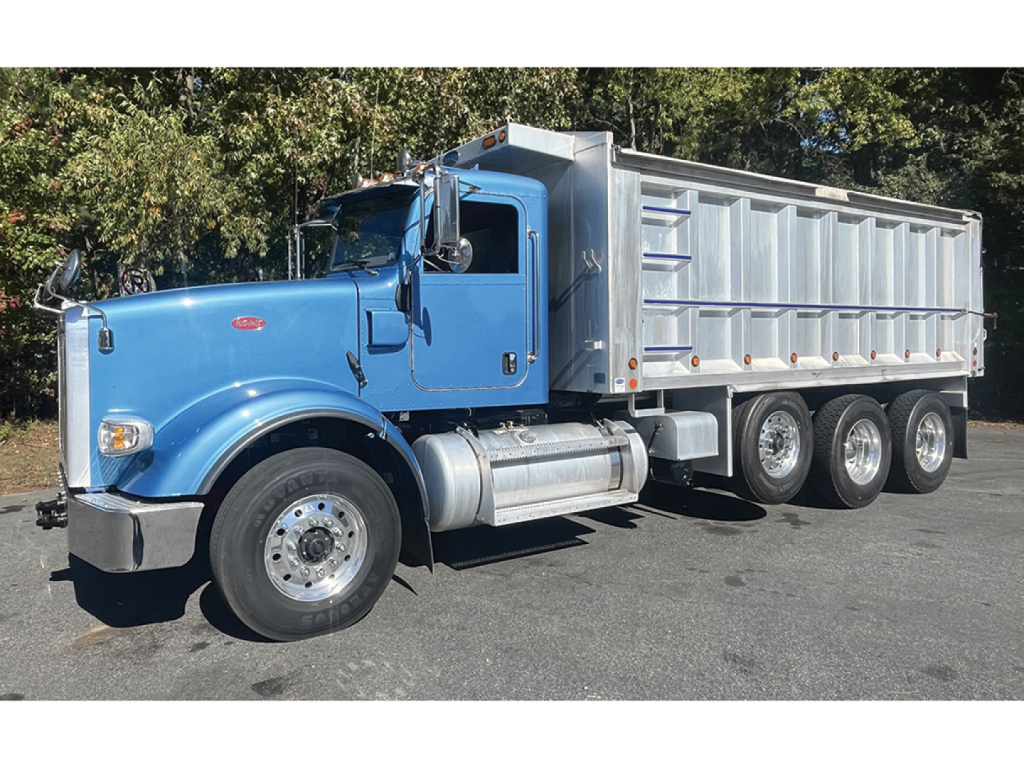
A 2024 Peterbilt 367 should be evaluated more like a production tool than a road tractor. Common specs include Cummins X15 power, heavier front axles, 44,000 lb rear ends, and tri-axle layouts with liftable pushers for dump applications. If the truck has a dump body, check body material, hoist setup, tarp system, gate design, and wheelbase relative to local bridge and axle laws. For North Carolina buyers running aggregates, site work, or municipal hauling, suspension choice, frame strength, steering setup, and transmission gearing will matter more than sleeper comfort or aero packages. Dual steering gears, 20,000 lb front axles, and vocational ratios such as 3.72 are all signs the truck was built for heavier, slower work with more start-stop cycles.
Across the 2024 Peterbilt lineup, buyers should look past the badge and focus on the exact operating profile. Peterbilt is known for premium interiors, strong resale, clean vocational upfit compatibility, and a broad service network, but the right truck is still the one with the correct axle ratings, wheelbase, powertrain, and cab configuration for the job. For over-the-road use, that means balancing horsepower, fuel economy, and sleeper livability. For vocational use, it means matching the chassis to payload, terrain, and body equipment. On any 2024 Peterbilt truck, the smartest comparison points are emissions warranty status, engine and transmission spec, suspension type, front and rear axle ratings, and how the truck was originally ordered for its intended application.
Frequently Asked Questions
What are the main differences between a 2024 Peterbilt 579 and a 2024 Peterbilt 367?
The 2024 Peterbilt 579 is a highway tractor designed for over-the-road and regional freight, with an emphasis on aerodynamics, fuel economy, sleeper comfort, and driver amenities. The 2024 Peterbilt 367 is a vocational truck built for heavier-duty applications such as dump, construction, and severe-service work, where front axle capacity, PTO support, frame strength, and body compatibility are more important than sleeper layout or aero efficiency.
What engine and transmission combinations are common in 2024 Peterbilt trucks?
Common 2024 Peterbilt truck specs include the Cummins X15 and PACCAR MX-13, typically in horsepower ratings suited for linehaul or vocational work. Highway-oriented 579 models are often paired with automated manual transmissions such as 12-speed or 18-speed units for fuel efficiency and driver ease, while vocational 367 trucks may use heavier transmission specs and gearing intended for start-stop cycles, jobsite access, and loaded performance.
What should I check on a 2024 Peterbilt 579 sleeper truck before buying?
Focus on sleeper size, wheelbase, axle ratio, suspension type, fuel tank capacity, and fifth wheel setup. An 80-inch sleeper with an upper bunk and bunk heater may be ideal for team or extended-haul operation, but the truck still needs the right rear ratio and powertrain for the lanes it will run. Buyers should also verify emissions warranty coverage, brake and tire spec, and whether the original configuration fits van, reefer, flatbed, or dedicated contract freight.
What matters most when buying a 2024 Peterbilt 367 dump truck?
The most important items are axle ratings, pusher axle configuration, transmission spec, frame and suspension setup, and the details of the dump body itself. Body length, body material, hoist design, tarp system, and gate style all affect daily productivity and legal payload. For dump work, a truck with the correct front axle capacity, vocational gearing, and steering configuration will usually be more valuable than one with extra appearance features.
Are 2024 Peterbilt trucks a good fit for buyers in North Carolina?
Yes, because North Carolina operators often need trucks that can handle a mix of interstate running, port freight, construction hauling, and regional distribution. A 579 fits carriers focused on highway efficiency between major freight corridors, while a 367 is better suited to aggregate, grading, paving, and municipal work. The best fit depends on local axle laws, terrain, daily route length, and whether the truck will spend most of its time on the highway or on jobsites.