
2011 Peterbilt Trucks For Sale
Shop 2011 Peterbilt trucks for sale, including day cabs and sleepers with common specs, engine options, axle setups, and application guidance.
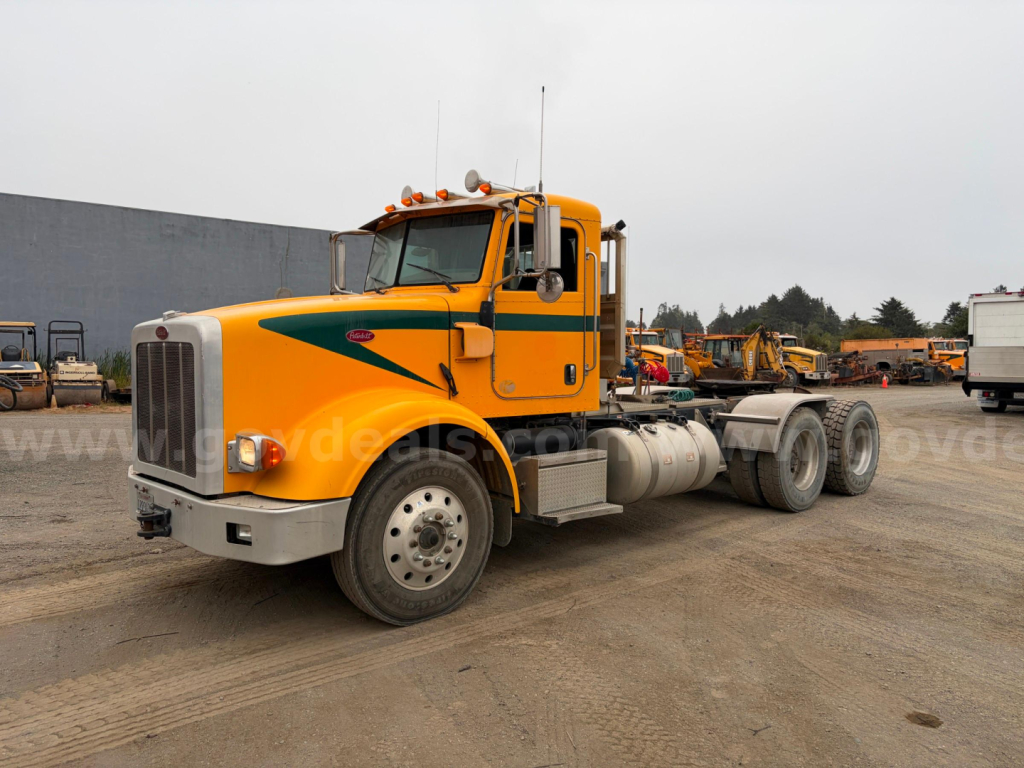
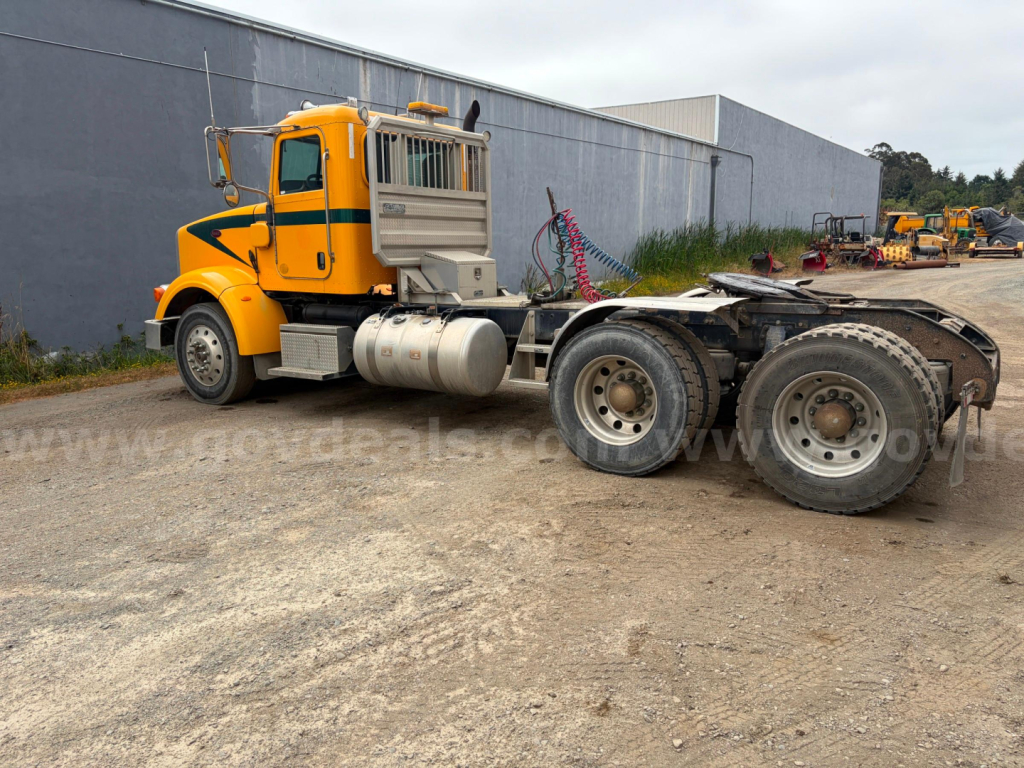
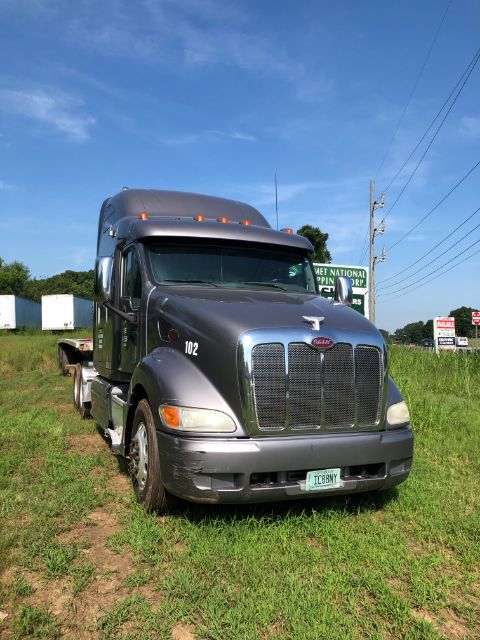
Have 2011 peterbilt truck to sell? List it here to reach thousands of buyers.
2011 Peterbilt Trucks
For highway use, many 2011 Peterbilt trucks were spec'd as day cabs or sleeper tractors with PACCAR MX, Cummins ISX, or Caterpillar power in some configurations, usually paired with Eaton Fuller manual or automated manual transmissions. Common horsepower ranges often fall around 385 to 485 hp, with tandem rear axles rated near 38,000 to 40,000 pounds on linehaul tractors. A buyer should pay close attention to rear axle ratio, especially if the truck will be used for regional hauling, heavy freight, or fuel-sensitive long-haul work. Wheelbase, fifth wheel setup, suspension type, and brake configuration all affect how well a truck fits a van, reefer, flatbed, tanker, or dedicated route application.
Because 2011 model year trucks were built in the SCR and DPF emissions era, emissions maintenance is a major buying point. Service records for the DPF, DEF system, EGR components, and any aftertreatment repairs can tell you as much as the odometer. Engine hours are also important on former fleet trucks, especially on sleeper units with hotel loads or idle-heavy operation. Inside the cab, Peterbilt models from this period are known for a driver-friendly layout, solid switchgear, and the brand's traditional appeal, but buyers should still inspect dash electronics, HVAC performance, bunk equipment, and signs of water intrusion or hard use.
Frame condition, prior collision repair, suspension wear, and tire pattern tell the real story on a 2011 Peterbilt. For vocational trucks, verify PTO operation, front axle capacity, bridge law fit, and body compatibility. For road tractors, look closely at kingpin setting, sliding fifth wheel travel, fairings, fuel tank capacity, and maintenance access around the aftertreatment system. A well-spec'd 2011 Peterbilt can still be a productive truck in regional, long-haul, construction, or specialized service, provided the configuration matches the job and the maintenance history supports the asking price.
Frequently Asked Questions about 2011 Peterbilt Trucks
What engines are common in 2011 Peterbilt trucks?
2011 Peterbilt trucks commonly show up with PACCAR MX engines and Cummins ISX platforms in highway applications, with some model and regional variation. The best engine choice depends on use case, but buyers should focus less on badge alone and more on documented maintenance, fault history, aftertreatment service, oil sample trends, and how the engine is matched to the transmission and rear axle ratio.
Are 2011 Peterbilt trucks good for long-haul use?
Yes, many 2011 Peterbilt trucks were built specifically for long-haul and regional freight, especially sleeper and day cab conventionals. Ride quality, cab comfort, fuel capacity, and driver ergonomics are usually strong points. The deciding factors are sleeper size, wheelbase, gearing, emissions system condition, and whether the truck was spec'd for van, reefer, flatbed, or heavier-duty freight.
What should I inspect on a 2011 Peterbilt before buying?
The most important inspection points are the emissions system, engine and transmission condition, frame integrity, suspension wear, brake life, tire wear pattern, and electronic faults. On tractors, also inspect the fifth wheel, frame drill pattern, driveline, and signs of heavy trailer impact. On sleeper trucks, check the bunk HVAC, inverter or APU equipment, and evidence of excess idle time or neglected interior maintenance.
Do 2011 Peterbilt trucks have emissions equipment that can be expensive to repair?
Yes. Most 2011 Peterbilt trucks operate with DPF and SCR emissions systems, and repair costs can add up if the truck has deferred maintenance or repeated fault activity. Buyers should ask for records covering DPF cleaning or replacement, DEF system repairs, sensors, dosing components, and any aftertreatment diagnostics. A pre-purchase scan for inactive and active codes is highly recommended.
Which 2011 Peterbilt truck configuration is best for regional or local hauling?
For regional or local hauling, many buyers prefer a day cab with a moderate wheelbase, tandem axles, and gearing that balances startability with highway efficiency. If the truck will see frequent stops, city maneuvering, or drop-and-hook work, a shorter wheelbase, air ride suspension, and an appropriate fifth wheel position matter as much as horsepower. The best configuration depends on trailer type, payload, and operating terrain.