
2004 Peterbilt Trucks For Sale
Browse 2004 Peterbilt trucks for sale, including vocational and highway models with Cummins or CAT power, tandem axles, and classic Peterbilt specs.
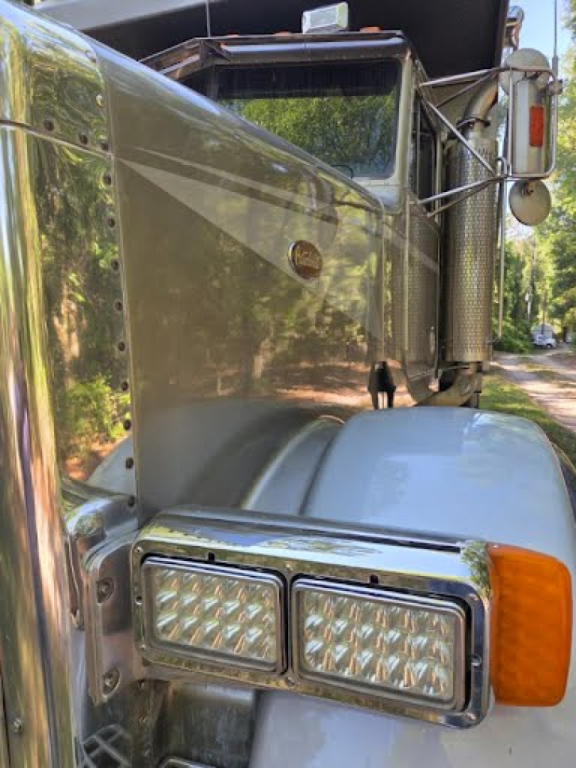
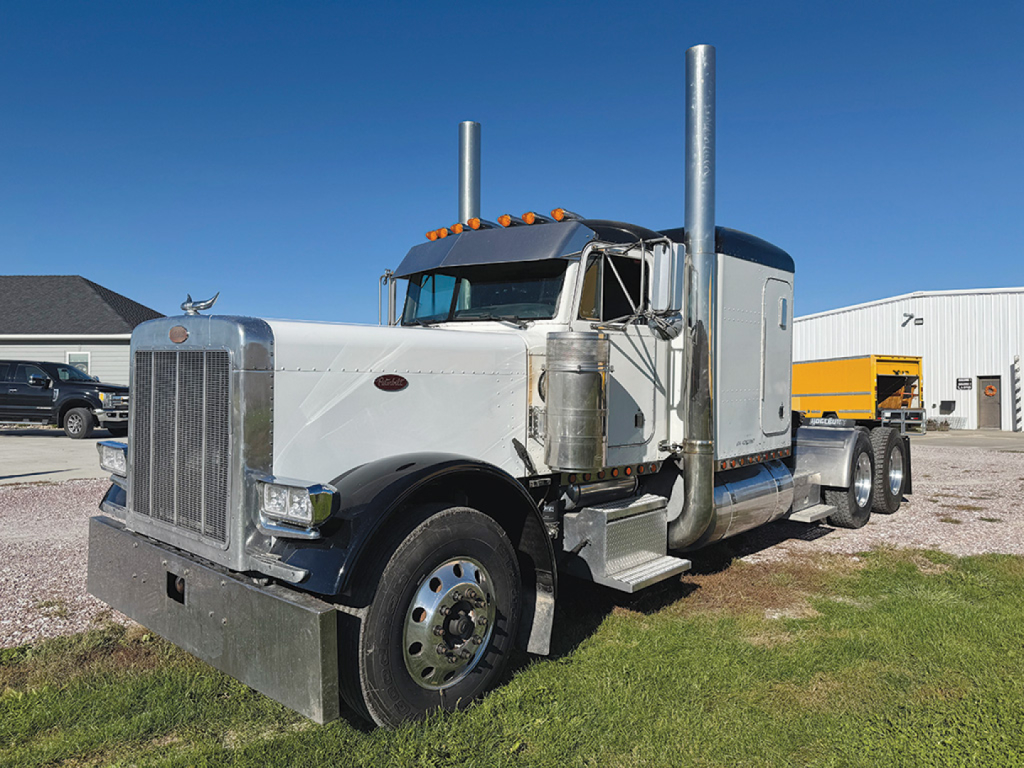
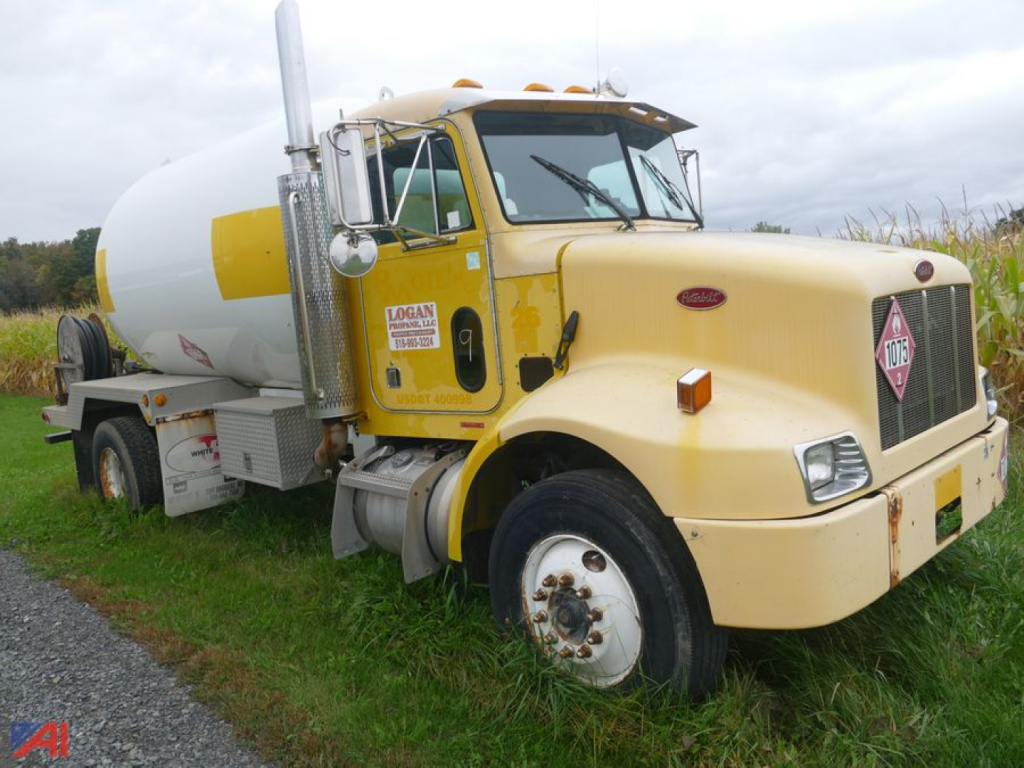
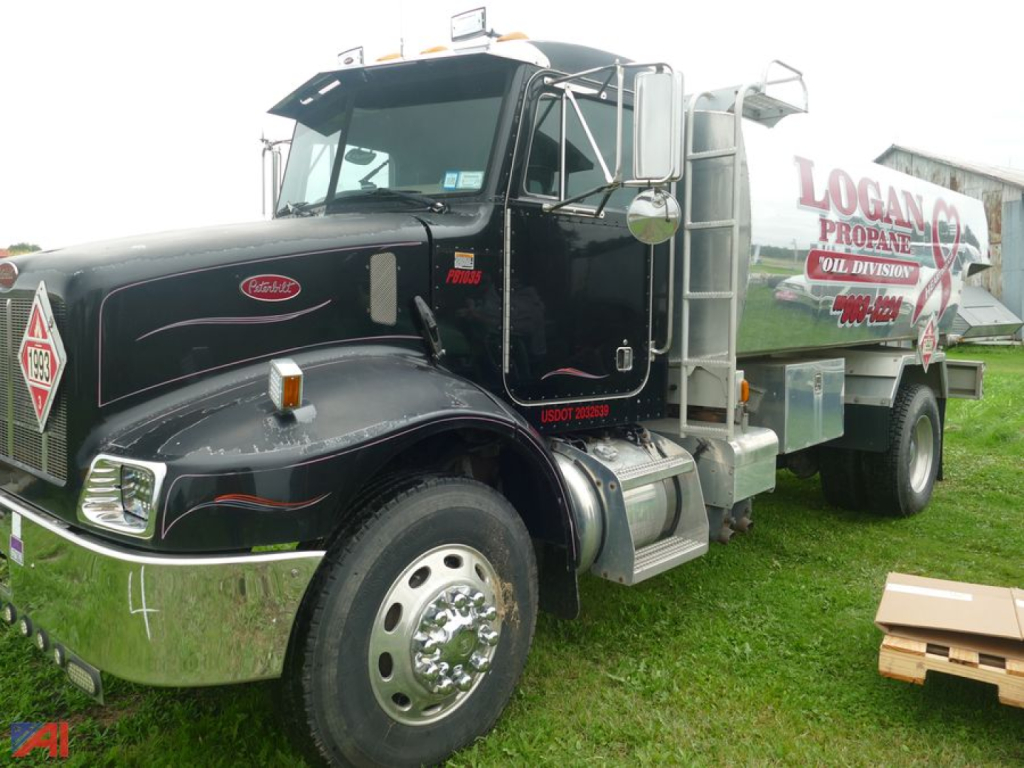

Selling a 2004 peterbilt truck? List your 2004 peterbilt truck for sale and reach thousands of commercial buyers.
2004 Peterbilt Trucks
Engine choice is a major factor. Many 2004 Peterbilt trucks were built with Caterpillar C15 or C13, Cummins ISX, N14 in some earlier carryover applications, or Detroit Series 60 depending on the model and original customer. Buyers should confirm horsepower and torque ratings, brake type, ECM history, and whether the truck still carries the original driveline. Transmission options are often Eaton Fuller 10-speed, 13-speed, or 18-speed manuals, with some automated or Allison setups in vocational service. Rear axle ratios can vary widely based on intended use, so it is important to match the ratio to your hauling needs, cruising speed, and tire size. A long-wheelbase 379 with tall rubber and a highway gear is a very different truck from a short-wheelbase vocational Peterbilt with double frame rails and low gears.
Cab and chassis spec deserves close attention because 2004 Peterbilt trucks were commonly customized at the factory. Sleeper sizes, fuel capacity, suspension type, front axle rating, and fifth wheel setup can all change the truck’s value and application. Peterbilt Air Trac and low air leaf suspensions are common, and vocational trucks may have heavier front axles, locking differentials, wet kits, pintle arrangements, or PTO provisions. On sleeper models, buyers should look at bunk layout, cab condition, and signs of long-haul wear around the dash, door hinges, seat bases, and interior trim. On day cabs and vocational units, frame condition, prior body upfit, and evidence of severe off-road or refuse-duty service are often more important than cosmetics.
For many buyers, a 2004 Peterbilt truck is attractive because it combines rebuildable components with strong parts support and broad service familiarity across the industry. That does not remove the need for inspection. Frame corrosion, suspension bushing wear, steer axle condition, air system leaks, and service brake condition should all be checked carefully, along with clutch life, differential noise, and signs of prior engine work. If the truck is a 379 or another long-hood conventional, hood alignment, cowl condition, and front-end structure are worth a close look because cosmetic repairs can get expensive. A well-spec'd 2004 Peterbilt can still make sense for regional hauling, heavy haul, farm use, construction support, hotshot support roles, and owner-operator highway work when the truck’s configuration matches the job.
Frequently Asked Questions about 2004 Peterbilt Trucks
What are the most common 2004 Peterbilt truck models buyers look for?
The most commonly sought 2004 Peterbilt models include the 379, 378, 357, 385, 386, and 387. The 379 is especially popular for long-hood conventional tractor applications, while the 357 is a common vocational platform for dump, mixer, and severe-service work. The best model depends on intended use, because hood style, setback or set-forward axle layout, wheelbase, and axle capacity can differ significantly across the lineup.
What engines are commonly found in a 2004 Peterbilt truck?
A 2004 Peterbilt truck is often equipped with Caterpillar C15 or C13, Cummins ISX, and in some cases Detroit Series 60. The exact engine depends on the model and original order spec. Buyers should verify the engine serial number, horsepower rating, emissions configuration, and service history rather than assuming all trucks of the same model were built alike. On older trucks, maintenance records and evidence of in-frame or major component replacement are often as important as the engine brand itself.
Is a 2004 Peterbilt considered pre-DEF?
Yes. A 2004 Peterbilt truck is pre-DEF, which appeals to buyers who want to avoid later diesel exhaust fluid systems and the added emissions complexity that came in newer model years. That said, 2004 trucks still need to be evaluated for their specific emissions equipment, operating region, and registration requirements. Pre-DEF does not automatically mean lower operating cost if the truck needs major engine, wiring, or driveline work.
What should I inspect first on a used 2004 Peterbilt truck?
Start with the frame, engine, transmission, rear ends, suspension, and cab structure. Check for rust, cracks, poor repairs, oil and coolant leaks, excessive blow-by, air leaks, steering play, and uneven tire wear. Review ECM data when available and compare indicated mileage or hours with the condition of pedals, seats, and steering components. On vocational units, inspect PTO operation, frame inserts, hoist or body mounting areas, and any signs of overloading or off-road damage.
Are 2004 Peterbilt trucks good for owner-operators?
They can be, especially for buyers who value classic Peterbilt styling, manual transmissions, and serviceable mechanical components. A well-maintained 2004 Peterbilt can still work in regional freight, agriculture, construction support, and some over-the-road applications. The key is matching the truck’s wheelbase, axle ratings, gear ratio, and engine spec to the actual freight. An attractive price does not help if the truck is geared wrong, under-axled, or worn out in the major components.