
2000 Peterbilt Trucks For Sale
Browse 2000 Peterbilt trucks for sale, including classic highway models and vocational specs known for durability, serviceability, and resale value.
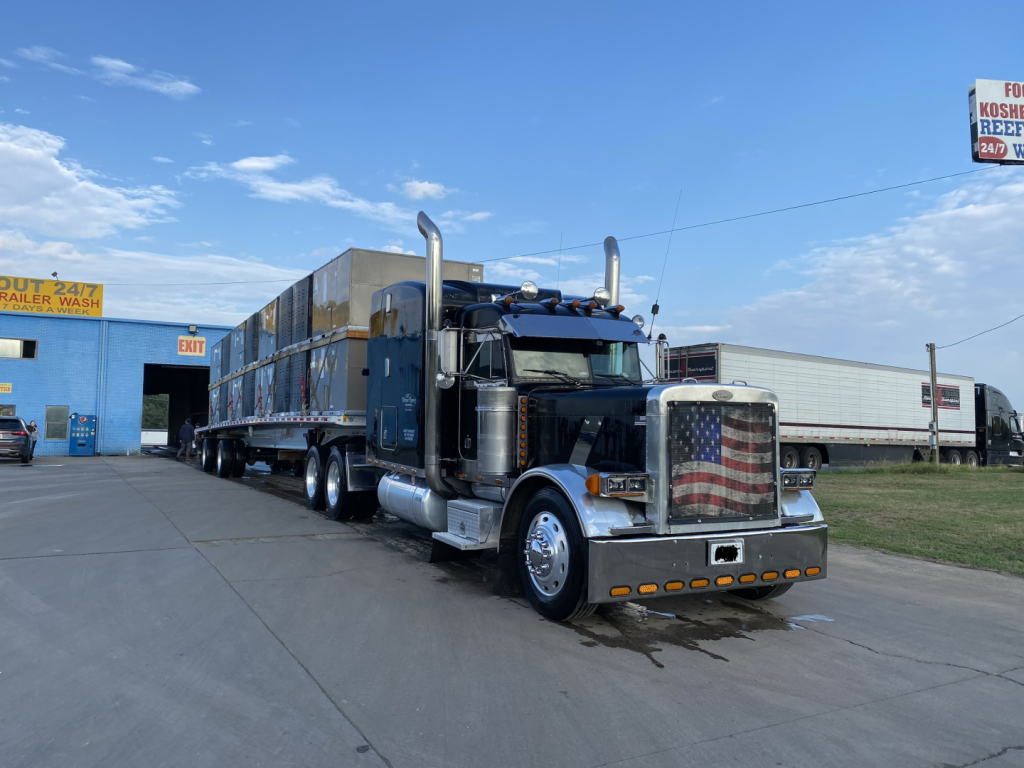
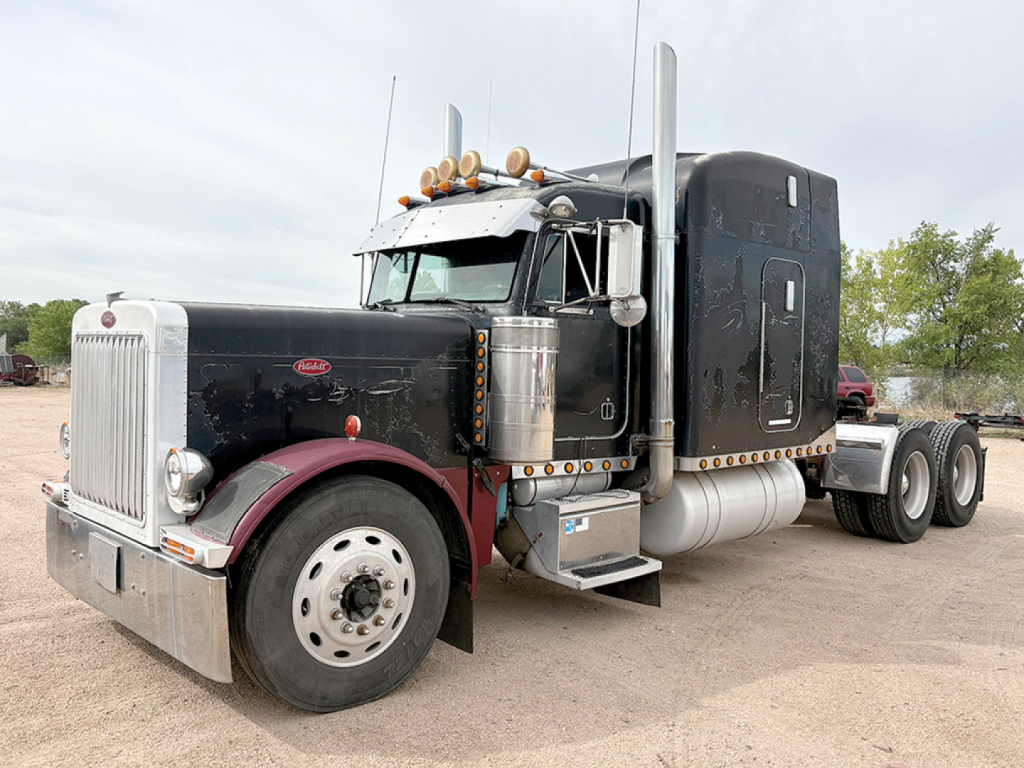
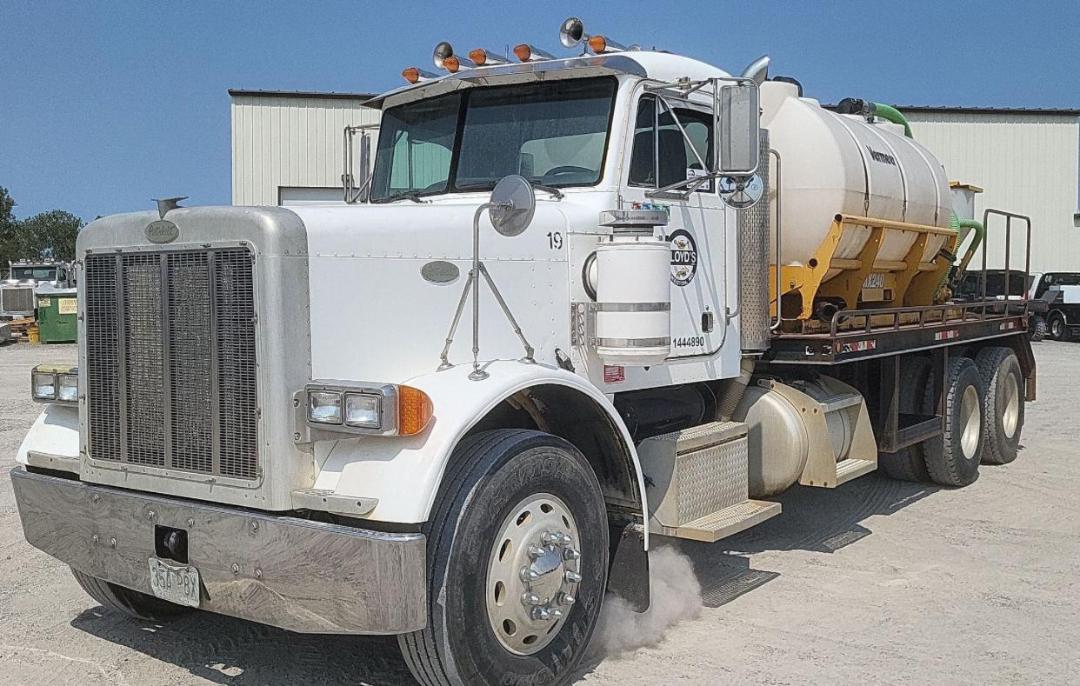
Have 2000 peterbilt truck to sell? List it here to reach thousands of buyers.
2000 Peterbilt Trucks
Engine and driveline spec matter more than age alone in this category. Many 2000 Peterbilt trucks were ordered with Caterpillar, Cummins, or Detroit power, paired to 10-speed, 13-speed, or 18-speed Eaton Fuller manual transmissions. Buyers usually focus on horsepower rating, rear axle ratio, suspension type, and wheelbase because those specs determine how the truck will perform in its intended application. A highway tractor with a lower numerical ratio may favor fuel mileage and cruising speed, while a vocational truck with deeper gearing, locking rears, and a double frame is better suited for off-road traction and payload work. Front axle ratings, rear axle capacity, wet kit presence, PTO setup, and fifth wheel type are also worth checking closely.
Cab condition and chassis integrity are especially important on a 2000 Peterbilt. Aluminum cab construction is a selling point, but buyers should still inspect for corrosion around cab mounts, battery boxes, crossmembers, and undercab components. On sleeper and day cab models alike, look at frame rail condition, evidence of prior wreck repair, suspension wear, steering play, and the state of bushings, airbags, brakes, and tires. On older Peterbilts, interior wear can vary widely, so gauge seat condition, dash function, switchgear, HVAC performance, and gauge operation against the truck's current role. A clean title, maintenance history, and proof of engine overhaul or major component work can significantly affect value.
The strongest 2000 Peterbilt trucks tend to be the ones with a clear application and a coherent spec. An owner-operator may prioritize a 379 or similar conventional with a premium interior, longer wheelbase, and higher horsepower engine. A fleet buyer or contractor may focus more on axle ratings, body compatibility, and low-cost parts access. Peterbilt holds strong brand recognition in the used market, so resale value is often supported by demand for classic models, especially trucks with desirable drivetrains and documented mechanical work. The best buying decision usually comes down to matching the truck's engine, transmission, frame, and axle package to the work it will actually do.
Frequently Asked Questions about 2000 Peterbilt Trucks
What are the most common things to check on a 2000 Peterbilt truck before buying?
Start with the engine, transmission, and rear ends, then move to frame condition, suspension wear, steering components, brakes, and tires. On a 2000 Peterbilt, buyers should also inspect for corrosion at cab mounts, crossmembers, battery box areas, and any vocational upfit mounting points. Service records, overhaul documentation, and signs of prior collision repair are especially important because age alone does not tell the full story on an older truck.
Are 2000 Peterbilt trucks considered pre-emissions trucks?
In most buyer conversations, a 2000 Peterbilt is generally viewed as a pre-emissions or early pre-emissions-era truck, which is part of its appeal. That usually means less aftertreatment complexity than later diesel platforms, but the exact engine configuration still matters. Buyers should confirm the engine model, serial number, and any modifications or repowers to understand parts support, compliance requirements, and maintenance expectations.
Which 2000 Peterbilt models are most desirable?
Desirability depends on application, but highway buyers often focus on classic long-hood models such as the Peterbilt 379 because of styling, driver appeal, and strong aftermarket support. Vocational buyers may lean toward model families built for dump, construction, or municipal work where axle ratings, frame strength, and PTO compatibility matter more than appearance. Trucks with proven drivetrains, solid maintenance records, and a spec that matches the job usually hold the strongest value.
Is a 2000 Peterbilt better for owner-operators or vocational fleets?
It can fit either role if the spec is right. An owner-operator may prefer a highway tractor with a sleeper, higher horsepower engine, and premium interior features, while a vocational fleet may prioritize frame configuration, axle capacity, suspension type, and body equipment compatibility. The key is not the badge alone but how the truck was ordered and maintained over time.
What transmission and axle specs are common in a 2000 Peterbilt?
Many 2000 Peterbilt trucks were built with Eaton Fuller manual transmissions in 10-speed, 13-speed, or 18-speed configurations, depending on the intended use. Rear axle ratios vary widely, and that ratio has a major effect on road speed, startability, and fuel economy. Tandem axle setups are common, and heavier vocational units may include locking differentials, heavier rear suspensions, and double-frame construction for demanding jobsite work.