
Commercial Trucks For Sale Near Pauls Valley, Oklahoma
Have commercial truck to sell? List it here to reach thousands of buyers.
Commercial Trucks Near Pauls Valley, Oklahoma
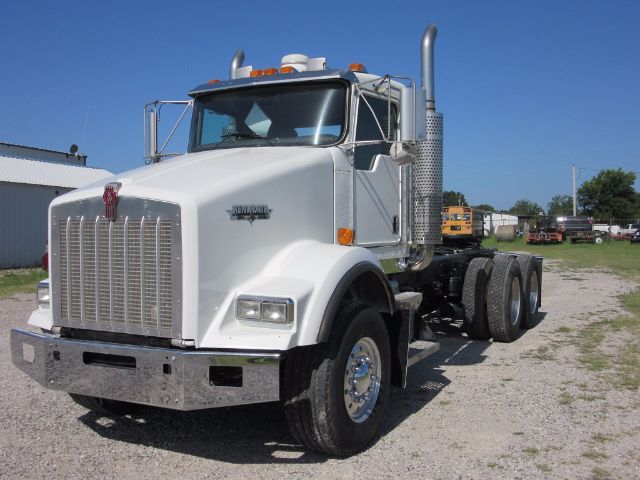
Cab configuration matters because it affects weight, maneuverability, and driver comfort. Day cabs are common for local and regional work where every pound of useful payload counts and sleeper space is not needed. Conventional trucks remain the most common layout because they are easier to service, widely supported for parts, and available in a broad range of engine and axle combinations. Buyers comparing used trucks should pay close attention to wheelbase, fifth wheel position, frame condition, and any signs of prior vocational stress such as body mounting holes, frame modifications, or heavy hitch use. On severe-service units, double frame rails, high-capacity front axles, and locking differentials can be major value points.
Powertrain spec is where the truck either fits the work or becomes expensive to operate. Engine families from Caterpillar, Cummins, Detroit, Paccar, and Volvo each have their own service considerations, emissions history, and resale patterns. Horsepower and torque should be matched to gross combined weight, terrain, and start-stop frequency. Transmission choice also matters. Manual 10, 13, and 18-speed setups still appeal in heavy haul and vocational applications, while automated manual transmissions are common in fleet service for easier training and more consistent operation. Rear axle ratios, tire size, and suspension spec all affect road speed, gradeability, and driveline stress, so those numbers deserve a close look before comparing prices.
A solid used truck evaluation should include engine hours if available, ECM history, blow-by, clutch and driveline condition, brake wear, suspension bushing play, tire match, and evidence of proper maintenance. In Oklahoma, buyers often look for trucks that can handle a mix of highway miles and rougher yard or lease-road conditions, so traction equipment, cooling performance, and frame integrity can carry more importance than cosmetic appearance. The best truck is not the one with the biggest horsepower rating. It is the one whose axle ratings, gearing, wheelbase, and cab setup match the work without creating unnecessary maintenance or fuel cost.
Frequently Asked Questions about Commercial Trucks Near Pauls Valley, Oklahoma
What should I look at first when comparing trucks for sale?
Start with the job the truck needs to do. Axle ratings, wheelbase, cab style, engine horsepower, transmission, and rear axle ratio should all match the load, trailer, and route. A truck built for local heavy vocational work may have a double frame, locking differentials, and shorter gearing, while a highway tractor may be spec'd for lower RPM cruising and fuel economy. Matching the spec to the application is more important than comparing make or paint condition first.
Is a day cab or sleeper better for a used truck purchase?
A day cab is usually the better fit for local and regional operations because it saves weight, simplifies maintenance, and improves maneuverability. A sleeper makes more sense for over-the-road use where driver rest space is required. On the used market, a day cab can also be a practical choice for buyers focused on vocational work, farm use, or dedicated lane hauling. The right choice depends on route length, driver needs, and how much value you place on payload versus comfort.
How important are axle ratings and frame specs on a truck?
They are critical because they determine what the truck can legally and safely carry, and how well it will hold up in severe service. Front axle rating, rear axle capacity, suspension type, and whether the truck has a single or double frame all affect durability and intended use. Heavier front axles and double frames are common on trucks that see off-road conditions, heavy PTO work, or concentrated loads. If the truck will be used in construction, oilfield, or heavy haul service, frame and axle spec should be reviewed before engine horsepower.
Which transmission is best in a used truck?
There is no single best transmission for every operation. Manual transmissions such as 10-speed, 13-speed, and 18-speed units remain popular for heavy vocational work, owner-operators, and buyers who want direct control over gear selection. Automated manual transmissions are common in fleet trucks because they reduce driver fatigue and can improve consistency. The best choice depends on terrain, gross weight, driver experience, and service support in your area. Condition and maintenance history matter as much as transmission type.
What inspections matter most on a used truck?
The most important checks are engine condition, driveline wear, brake system health, suspension play, tire condition, and frame integrity. Buyers should also review ECM data when available, inspect for oil or coolant leaks, look for uneven tire wear, and confirm that axle and suspension components are appropriate for the claimed application. Signs of hard vocational use, past frame repair, or poor maintenance can affect long-term cost far more than cosmetic flaws. A careful inspection helps separate a work-ready truck from one that will need immediate shop time.