
Trucks For Sale Near Patchogue, New York
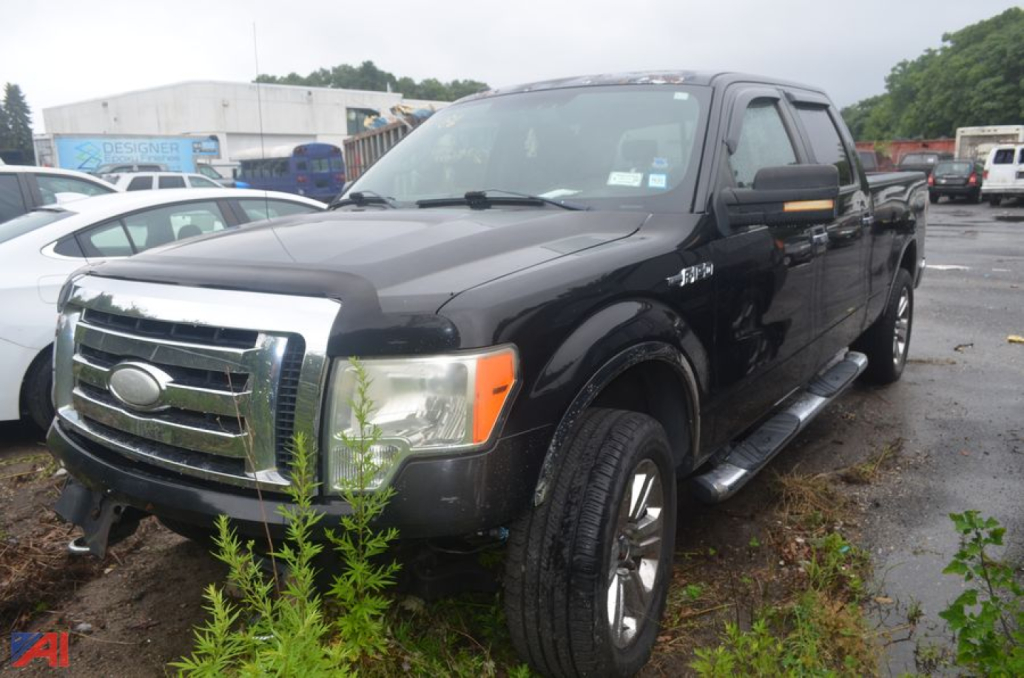
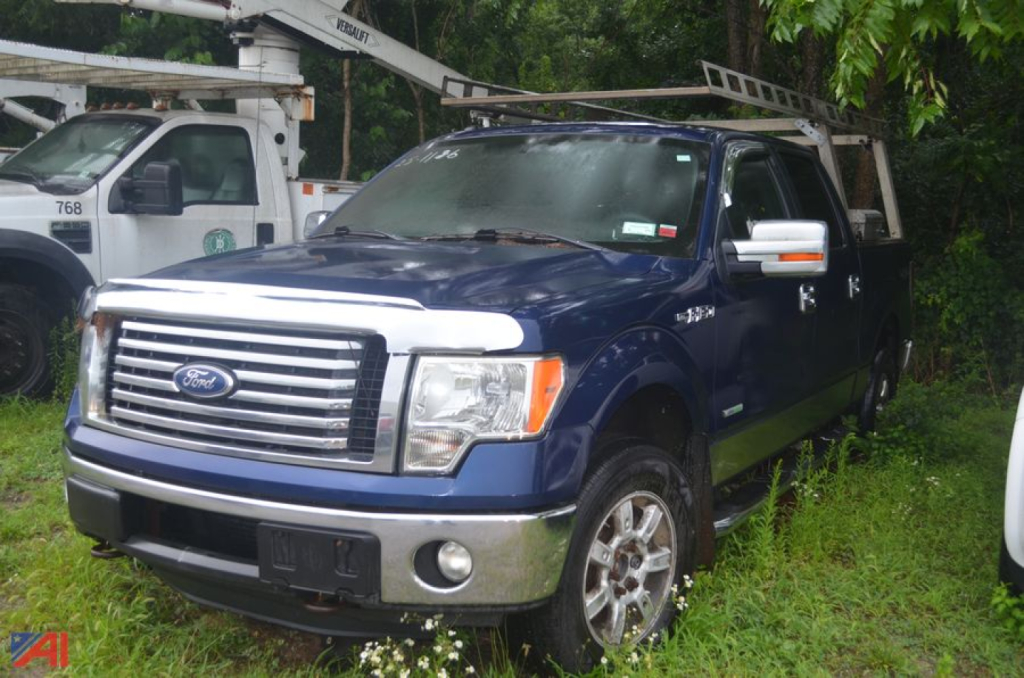
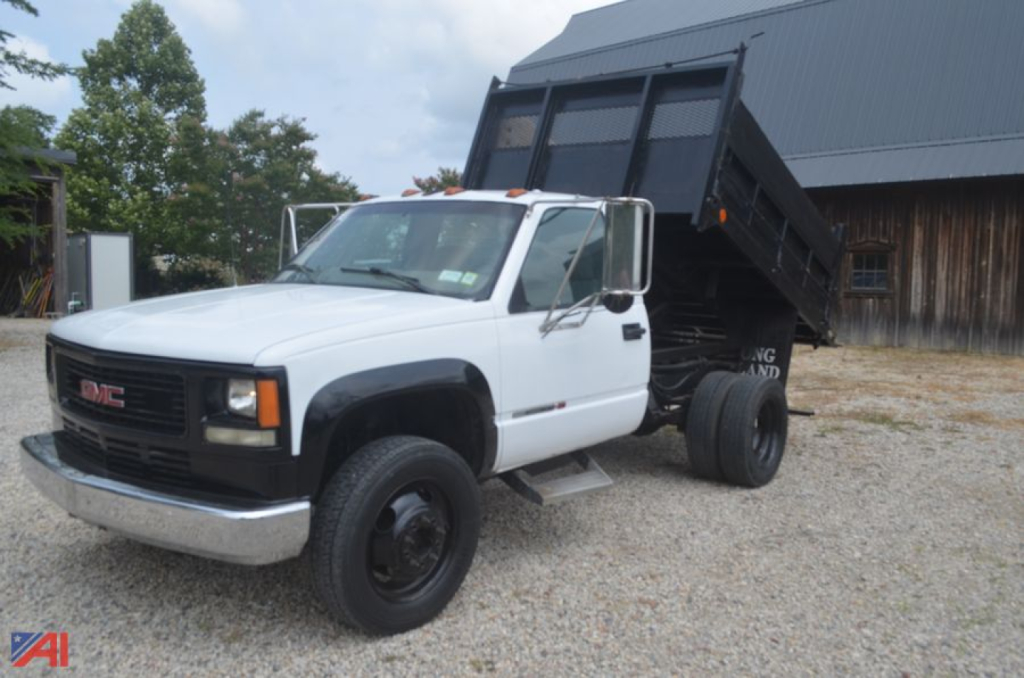
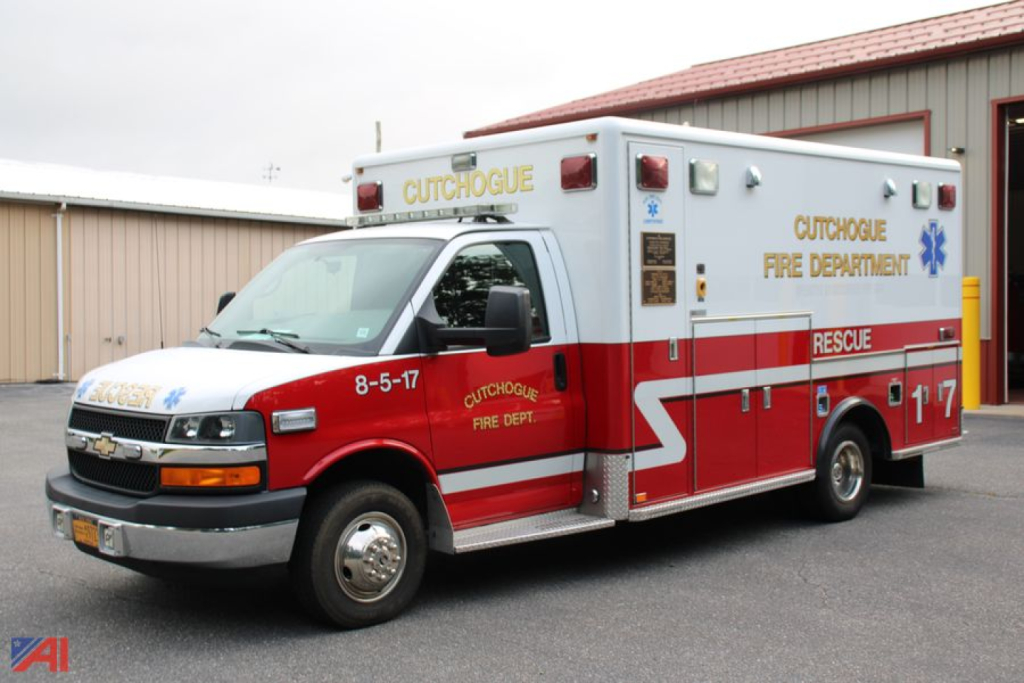

Have truck to sell? List it here to reach thousands of buyers.
Trucks Near Patchogue, New York
Used truck buyers in the Long Island market should pay close attention to chassis condition, rust, and service history. Coastal exposure and winter road treatment can accelerate corrosion on frames, brake lines, dump bodies, rocker panels, and underbody wiring. On service and utility trucks, check compartment floors, door hinges, latch condition, PTO operation if equipped, and signs of overloading. On vans, focus on cargo area wear, sliding or rear door alignment, roof condition, and the condition of the transmission and front suspension. On dump trucks, inspect hoist performance, bed floor thickness, hinge points, crossmembers, hydraulic leaks, and the condition of the tailgate and tarp system.
Powertrain and GVWR matter because they determine how the truck will perform once it is loaded, towing, or working stop-and-go routes. Common specs in this segment include gas and diesel engines, automatic transmissions, dual rear wheel configurations on higher-capacity models, 2WD or 4WD drivetrains, and wheelbases matched to the body application. Buyers comparing a utility truck to a pickup should think about enclosed storage, upfit replacement cost, and available payload after the body and equipment are installed. Buyers comparing a van to an open-bed truck should weigh cargo security, loading access, liftgate needs, and maneuverability in tight local streets and municipal yards.
The best truck choice comes down to duty cycle and total cost to put it to work. A lower-priced older unit may still fit seasonal hauling, facility maintenance, or backup fleet use if the frame, driveline, and hydraulics are sound. For daily commercial use, cleaner maintenance records, tire condition, brake life, and body integrity usually matter more than cosmetic appearance. In this category, practical details drive value: cab configuration, body condition, PTO or liftgate operation, axle rating, hitch setup, and how easily the truck can be serviced with readily available parts.
Frequently Asked Questions about Trucks Near Patchogue, New York
What type of truck is best for municipal or contractor work?
The right truck depends on the task. Utility trucks are well suited for field service, maintenance, and tool-intensive work because the body provides exterior storage and organization. Dump trucks are better for moving stone, soil, asphalt, brush, and demolition debris. Cargo vans fit delivery, technician, and support roles where enclosed storage and weather protection matter. Heavy-duty pickups work well for towing, light hauling, and jobs that need flexibility without a dedicated commercial body.
What should I inspect first on a used truck in New York?
Start with frame and underbody condition. In New York, corrosion can be a major value and safety issue, especially on brake lines, fuel lines, suspension mounts, bed supports, and wiring. After that, inspect engine operation, transmission shift quality, tire wear, steering play, brake performance, and any hydraulic or PTO systems. Body-specific wear also matters, including dump bed floors, utility compartment condition, and van cargo door alignment.
Is a van, pickup, utility truck, or dump truck better for daily fleet use?
Each serves a different daily duty cycle. Vans are efficient for urban routes and protected cargo. Pickups are versatile and easier to repurpose across departments or crews. Utility trucks reduce time lost handling tools and small parts because the body is organized for service work. Dump trucks are the correct choice when the work regularly involves loose material or debris. Daily fleet efficiency usually improves when the body style closely matches the actual task rather than trying to make one truck cover every role.
How important is GVWR when comparing trucks for sale?
GVWR is one of the most important numbers on any truck because it defines the maximum operating weight of the vehicle, including the truck, body, passengers, fuel, and payload. A truck can look physically large and still have limited usable payload once a service body, liftgate, or equipment package is installed. Buyers should compare GVWR, axle ratings, and actual curb weight to estimate legal and practical carrying capacity.
Are older used trucks still a good buy for commercial work?
They can be, if the truck matches the application and the major systems are sound. Older trucks are often a practical fit for seasonal use, lower-mile local duty, municipal backup roles, or farm and property maintenance. The key is to evaluate condition rather than age alone. A well-maintained older truck with a solid frame, dependable drivetrain, and functional body equipment can offer better value than a newer truck with corrosion, deferred maintenance, or expensive upfit problems.