
Commercial Trucks For Sale Near Palmdale, Florida
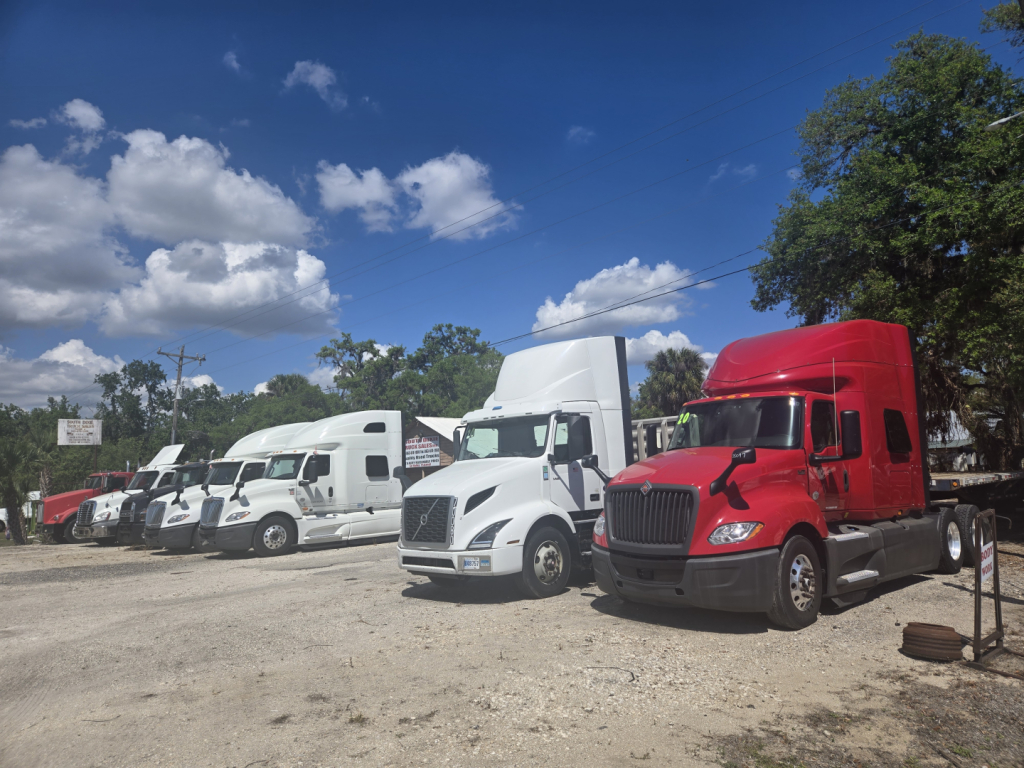
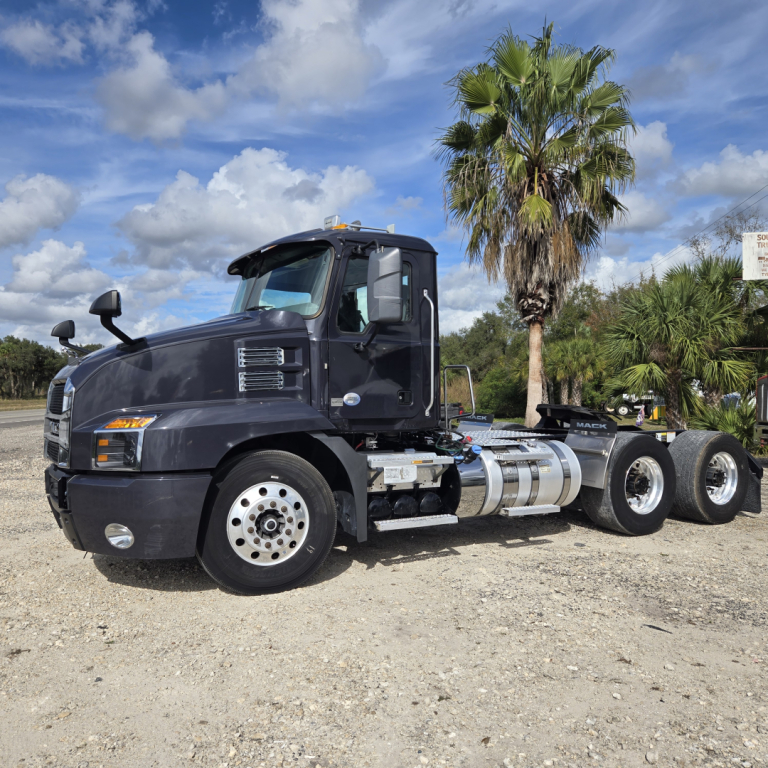
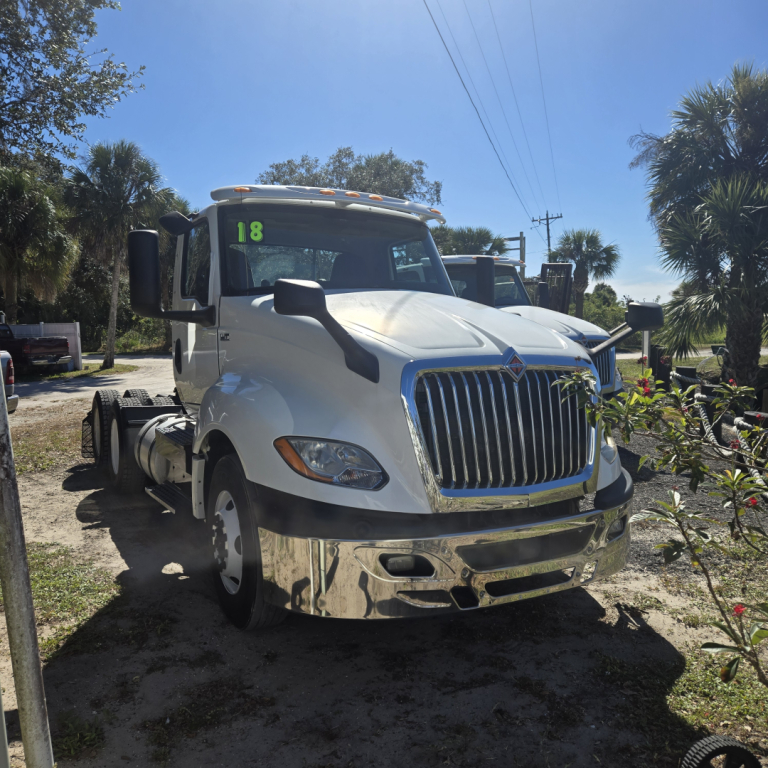
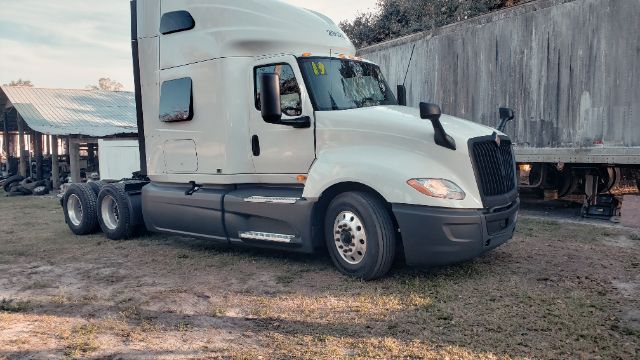
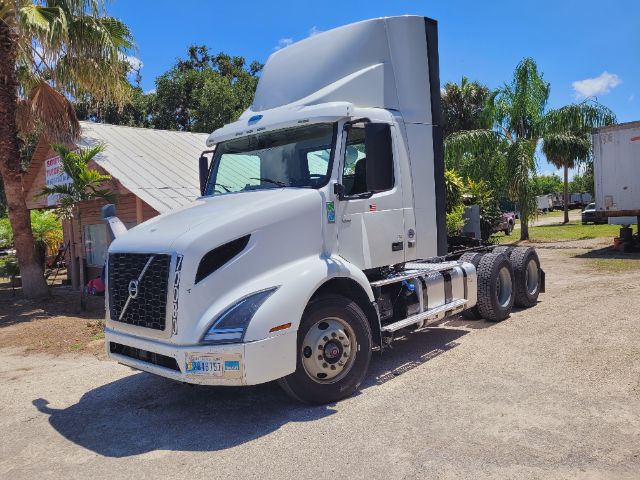
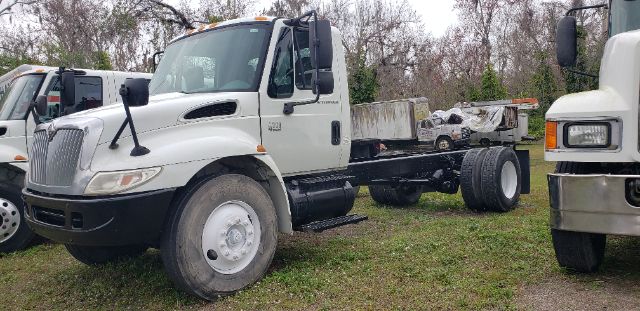
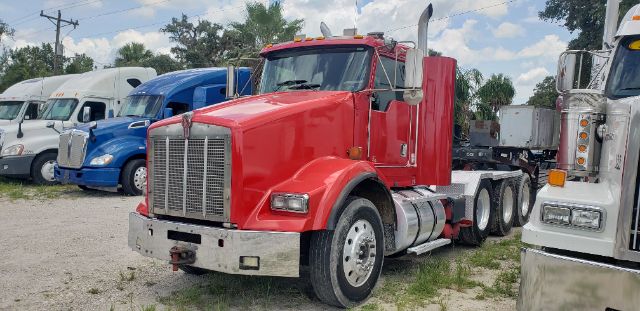
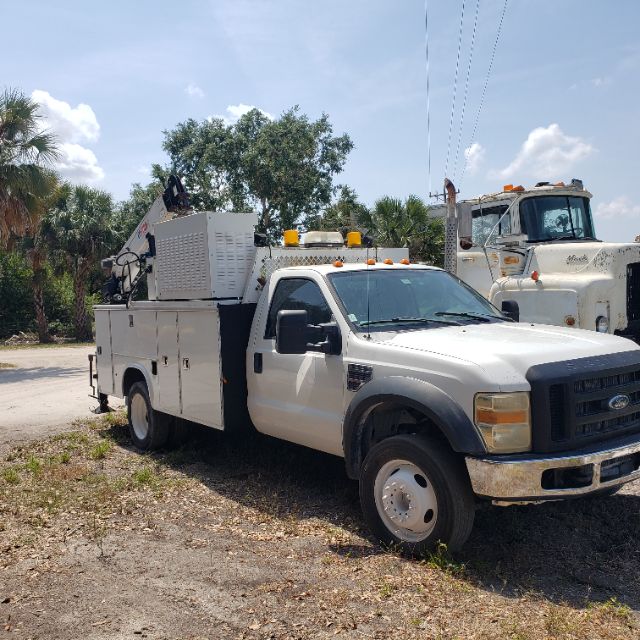
Have commercial truck to sell? List it here to reach thousands of buyers.
Commercial Trucks Near Palmdale, Florida
Powertrain choice drives long-term operating cost. In this market, common engines include the Cummins X15, Volvo D13, International DT466, and Power Stroke diesel platforms, paired most often with automatic or automated manual transmissions. For highway tractors, buyers usually focus on horsepower in the 400 to 450 range, torque curve, emissions system history, and whether the truck has an engine brake for better control on grades and reduced service brake wear. For medium-duty work trucks and cab & chassis units, wheelbase, usable frame, PTO compatibility, and front axle capacity tend to matter just as much as engine make. Mileage is important, but maintenance records, overhaul history, idle hours, and signs of frame modification often tell you more about remaining service life than the odometer by itself.
Florida operating conditions also influence what makes a good used truck. Heat, humidity, stop-and-go driving, and flat terrain put more emphasis on cooling system condition, air conditioning performance, suspension wear, and corrosion inspection around electrical connections, battery boxes, and cab mounts. Buyers looking at road tractors should check rear axle ratio, fifth-wheel setup, and suspension type to confirm the truck will pull the intended trailer and gross combination weight efficiently. Air ride suspension, cruise control, and powertrain specs can make a difference in driver retention and fuel economy, while sleepers should be checked for bunk layout, storage, and HVAC operation if the truck will stay on the road for multiple days at a time.
The broad trucks for sale category covers everything from vocational chassis to long-haul conventionals, so the smartest comparison is between trucks built for the same duty cycle. A local mechanic truck and a tandem-axle sleeper tractor solve very different problems. Buyers should compare cab configuration, engine family, transmission type, axle setup, wheelbase, and intended body or trailer before narrowing down by year and price. When those fundamentals line up with the work, a used truck can be a productive asset instead of an expensive compromise.
Frequently Asked Questions about Commercial Trucks Near Palmdale, Florida
What is the difference between a day cab and a sleeper truck?
A day cab is a conventional tractor without a sleeping compartment, typically used for local, regional, drayage, and shorter dedicated routes. A sleeper truck includes a bunk area behind the cab and is designed for over-the-road operation where the driver spends nights in the truck. Sleeper models usually weigh more and have a longer wheelbase, but they are the practical choice for extended runs and team operations.
What should I check first when buying a used cab and chassis truck?
Start with wheelbase, frame length, axle ratings, and GVWR because those determine what body can be installed and how the truck can legally work. After that, inspect the frame for extra holes, rust, repairs, or stretch history, and confirm PTO options if the future body needs hydraulic or mechanical power. Engine and transmission condition matter, but on a cab and chassis truck the fit between the chassis and the intended upfit is the first decision.
Are automatic transmissions a good choice in used trucks?
Yes, automatic and automated manual transmissions are common in both medium-duty and Class 8 trucks because they simplify driver training, reduce fatigue in stop-and-go traffic, and can help with consistency across a fleet. The key is verifying service history, clutch actuator performance on AMTs, software updates when applicable, and smooth shifting under load. A well-maintained automatic-equipped truck can be a strong fit for regional, vocational, and highway use.
Which engine specs matter most in a used highway tractor?
Horsepower and torque matter, but they should be evaluated with rear axle ratio, transmission gearing, and intended gross combination weight. Many used highway tractors fall in the 400 to 450 horsepower range, which suits a wide range of van, reefer, and flatbed applications. Buyers should also review emissions system repairs, engine brake operation, oil sample history if available, and any evidence of repeated cooling or fuel system issues.
Why does location in Florida matter when evaluating a used truck?
Florida trucks often see heavy heat, humidity, and stop-and-go service, which can accelerate wear in cooling systems, air conditioning components, wiring connections, and suspension parts. Coastal exposure can also increase corrosion risk on metal hardware and electrical terminals. A truck that looks clean cosmetically still needs a close inspection of A/C performance, radiator and charge air cooler condition, brake components, and under-cab electrical areas.