
Freightliner Other Trucks For Sale
No exact matches found for your search
Showing Other Trucks instead.
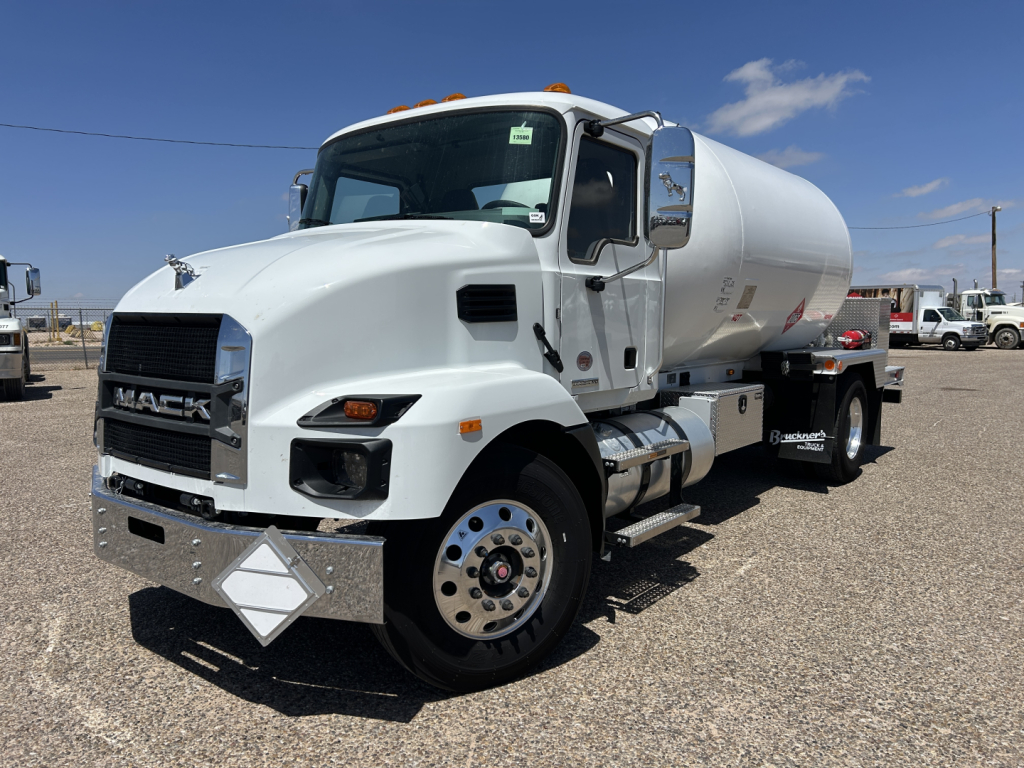
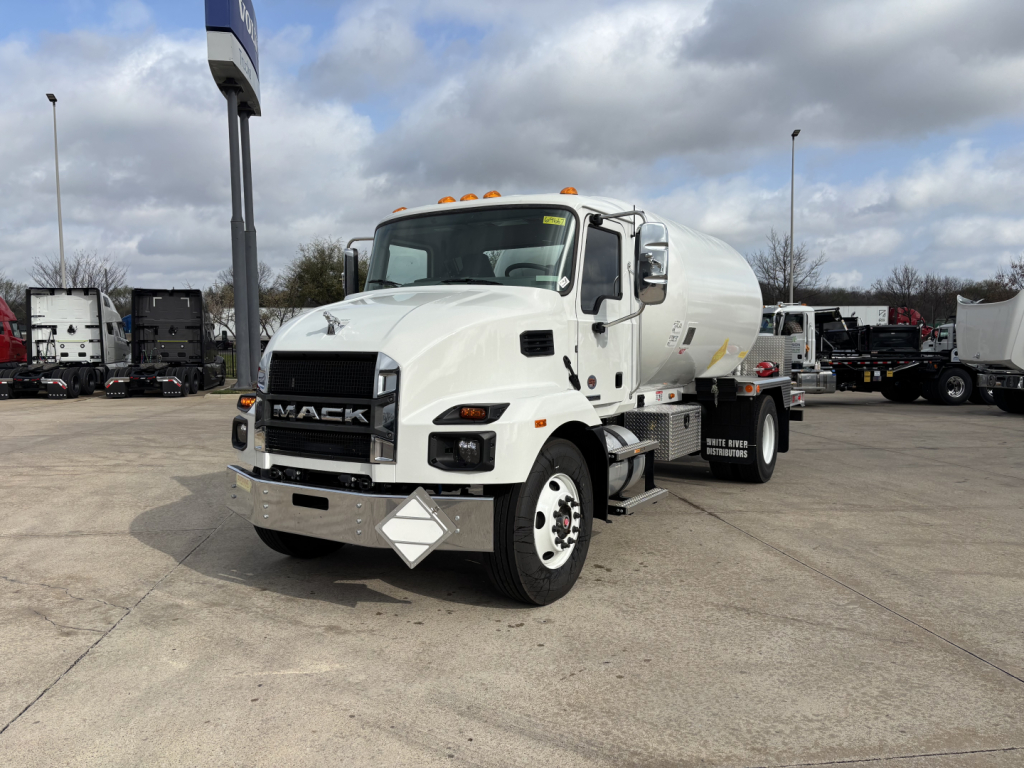
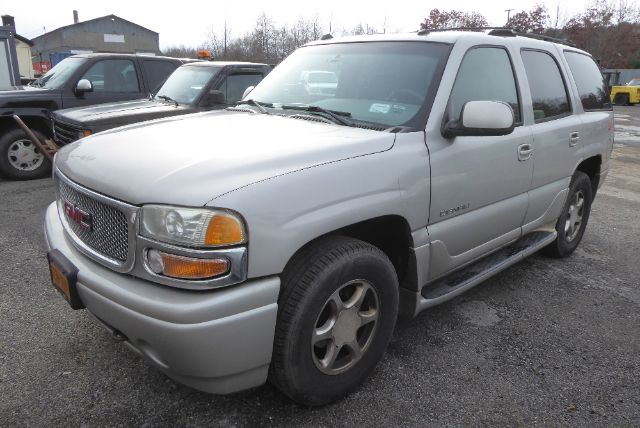
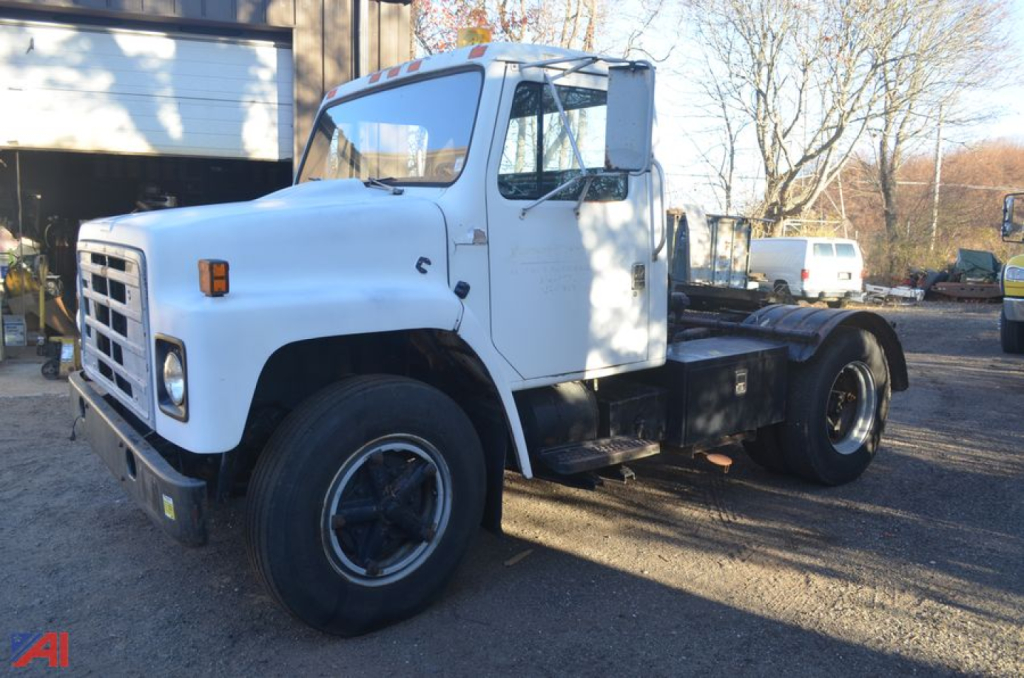
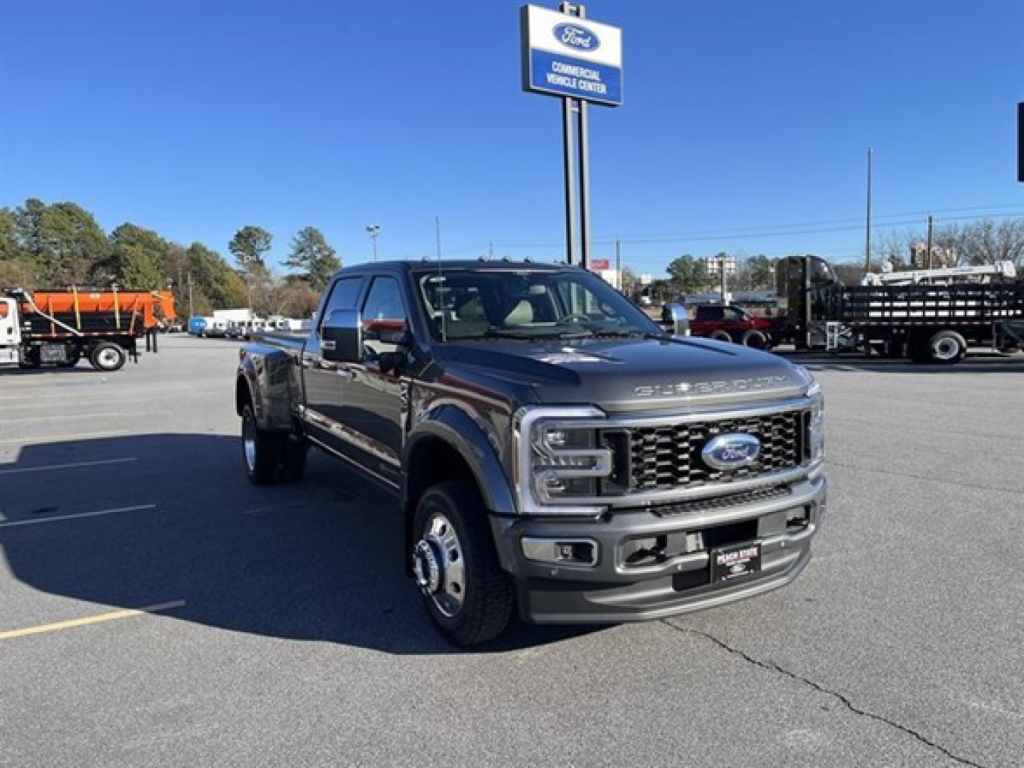

Showing 13 to 24 of 31 results
Have freightliner other truck to sell? List it here to reach thousands of buyers.
Freightliner Other Trucks
Common Freightliner platforms in this category include older FL-series trucks, Business Class models, and other medium-duty or severe-service configurations adapted for specialized work. Engine options can vary widely by year and application, with Cummins, Caterpillar, Detroit Diesel, and Mercedes-Benz power showing up depending on the build. Transmission choice matters just as much. Many specialty Freightliner trucks use manual or automated manual transmissions for vocational control, while others are spec'd with full automatics for municipal or stop-and-go duty. Wheelbase, axle ratings, PTO compatibility, frame reinforcement, and suspension type are all worth checking closely, especially if the truck carries cranes, transplanting equipment, utility bodies, vacuum systems, or other auxiliary gear.
Condition assessment on a Freightliner other truck should focus on both the truck and the upfit as separate assets. A sound engine and driveline do not guarantee that the mounted equipment, hydraulic system, controls, boom structure, or specialty attachments are ready for service. Buyers should review hours in addition to mileage when auxiliary equipment is involved, confirm parts support for older body manufacturers, and inspect for frame modifications, corrosion, electrical add-ons, and PTO operation. On older Freightliner units, cab condition, HVAC performance, wiring repairs, and brake system maintenance can have a real effect on total cost to put the truck to work.
This category can offer strong value for buyers with a very specific use case, especially when a truck is already configured for tree service, utility work, municipal maintenance, construction support, or agricultural handling. The advantage is application fit. The tradeoff is that resale and repurposing can be narrower than with a conventional truck spec. Matching the truck's GVWR, axle setup, powertrain, and body equipment to the actual job is the key decision. If the application is right, a Freightliner specialty truck can deliver far better productivity than a general-purpose chassis that still needs to be built out.
Frequently Asked Questions about Freightliner Other Trucks
What is included in the Freightliner other trucks category?
Freightliner other trucks typically includes specialty, vocational, and unusual configurations that do not fit cleanly into standard truck classes like sleeper tractors, day cabs, dump trucks, or box trucks. Examples can include municipal units, utility trucks, custom body installations, agricultural support trucks, and legacy Freightliner models carrying dedicated equipment. The defining feature is usually the truck's specific job-built configuration rather than a common body style label.
What should I inspect first on a used Freightliner specialty truck?
Start with the chassis, engine, transmission, axle ratings, and brake system, then inspect the mounted equipment as a separate system. Verify PTO engagement, hydraulic function, control operation, structural condition of the body or attachment, and any available service records for both the truck and the upfit. On older units, electrical repairs, corrosion, frame alterations, and cab systems like HVAC can significantly affect ownership cost and reliability.
Are older Freightliner FL-series and Business Class trucks still practical to buy?
They can be practical if the application is specialized and the truck is mechanically sound. Many older Freightliner vocational chassis were built with durable components and straightforward serviceability, which can make them useful in lower-mileage or seasonal work. The key is confirming engine and parts support, checking for wear in vocational systems, and making sure the truck's current configuration still fits the intended job.
How important are PTO and hydraulic specifications on a Freightliner other truck?
They are critical when the truck runs work equipment such as booms, pumps, transplanting gear, utility attachments, or other auxiliary systems. PTO type, pump capacity, hydraulic pressure, reservoir condition, and control setup directly affect whether the truck can perform its intended function. A truck can be roadworthy but still be a poor purchase if the PTO and hydraulic system do not match the operational requirements of the equipment installed.