
Commercial Trucks For Sale Near Ogden, Utah

Have commercial truck to sell? List it here to reach thousands of buyers.
Commercial Trucks Near Ogden, Utah
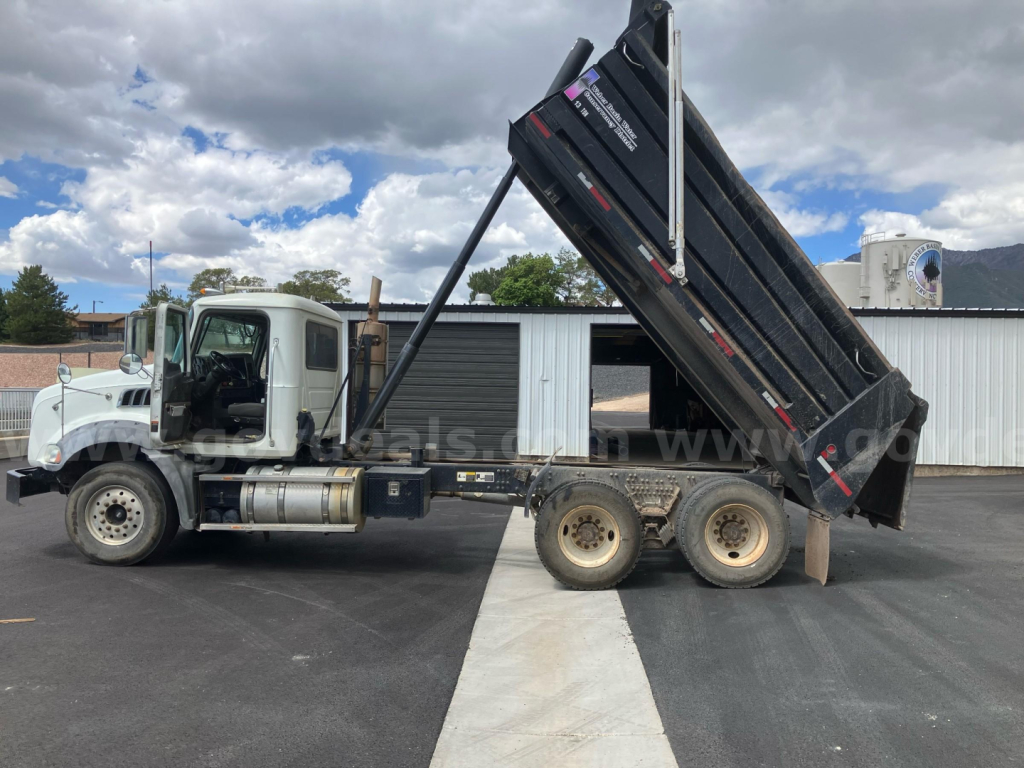
For vocational trucks, the main buying decision is often the chassis spec under the body. Buyers should look closely at front axle rating, rear axle ratio, suspension type, frame strength, PTO setup, wheelbase, and usable payload after the body is installed. Common heavy-duty platforms include tandem axle and tri-axle configurations, diesel engines from Cummins, Detroit, and PACCAR, and transmissions ranging from Allison automatics to automated manuals and full manuals. On units built for dump, plow, or spreader work, details like hydraulic condition, hoist performance, pintle or hitch setup, and corrosion around the frame, body mounts, and underbody are often more important than cosmetic appearance.
For on-highway trucks, buyers tend to compare sleeper versus day cab, horsepower and torque ratings, emissions system history, and maintenance records. A regional haul truck in Utah may benefit from a balanced spec with manageable wheelbase, fuel capacity that matches route length, and gearing suited for grades without sacrificing fuel economy. Front tire and rear tire sizes, brake type, locking differentials, and steer axle capacity all affect operating cost and job fit. If the truck is being added to an existing fleet, it also makes sense to check shop familiarity with the engine platform, parts availability, and compatibility with current trailers, body equipment, or telematics systems.
Condition still comes down to the same fundamentals across the truck market: engine hours, idle time, mileage, transmission operation, suspension wear, brake life, tire condition, electrical function, and signs of hard vocational use. Buyers looking at used trucks should pay attention to service history, regen and aftertreatment performance, PTO engagement, and any evidence of frame repair or body damage. A well-matched truck will carry the right ratings for the job, hold up to the route and climate, and stay economical to maintain over time.
Frequently Asked Questions about Commercial Trucks Near Ogden, Utah
What should I look at first when comparing trucks for sale?
Start with the truck's intended job. The most important filters are GVWR, axle configuration, cab style, wheelbase, engine rating, and transmission type. A dump truck, day cab tractor, and service body truck can all be called trucks, but the correct spec depends on payload, terrain, duty cycle, and any body or trailer the chassis needs to handle.
How important is axle configuration on a used truck?
Axle configuration is one of the biggest value and usability factors. A single-axle truck may be easier to maneuver and less expensive to run, while a tandem-axle truck generally offers higher payload capacity and better suitability for construction, municipal, and heavy vocational work. Front axle rating, rear axle ratio, differential type, and suspension design should all match the application, especially in hilly areas and seasonal conditions like those found in Utah.
Are engine hours as important as mileage on a truck?
Yes. Mileage tells part of the story, but engine hours and idle time are critical, especially on vocational trucks that spend long periods running PTO-driven equipment or idling at jobsites. A truck with moderate mileage can still show heavy engine wear if hours are high. Buyers should consider miles, hours, maintenance records, oil sample history if available, and the condition of the transmission, driveline, and aftertreatment system together.
What are common transmission choices in trucks?
Common transmission options include Allison automatics, automated manual transmissions, and traditional manual gearboxes. Allison automatics are popular in dump, plow, refuse, and municipal work because they perform well in stop-and-go operation and PTO applications. Automated manuals are common in highway and regional hauling where fuel economy matters. The best choice depends on route profile, driver experience, maintenance preference, and the type of work the truck performs.
Why does regional location matter when buying a truck?
Regional location affects spec needs and condition. In Ogden and across Utah, buyers often consider mountain grades, temperature swings, snow equipment use, and corrosion exposure from winter road treatment. These factors can influence engine cooling demands, gearing preference, brake selection, and underbody rust levels. A truck that has worked in municipal snow and ice service may need closer inspection around the frame, spreader or plow connections, wiring, and hydraulic components.