
Commercial Trucks For Sale Near Odessa, Texas

Have commercial truck to sell? List it here to reach thousands of buyers.
Commercial Trucks Near Odessa, Texas
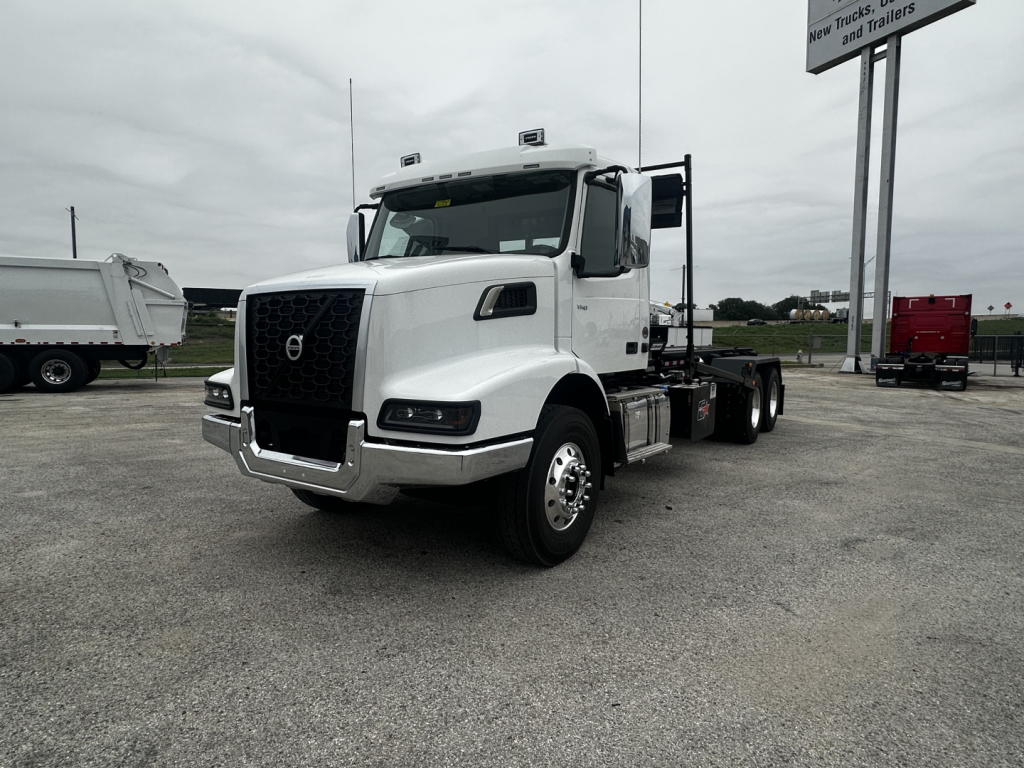
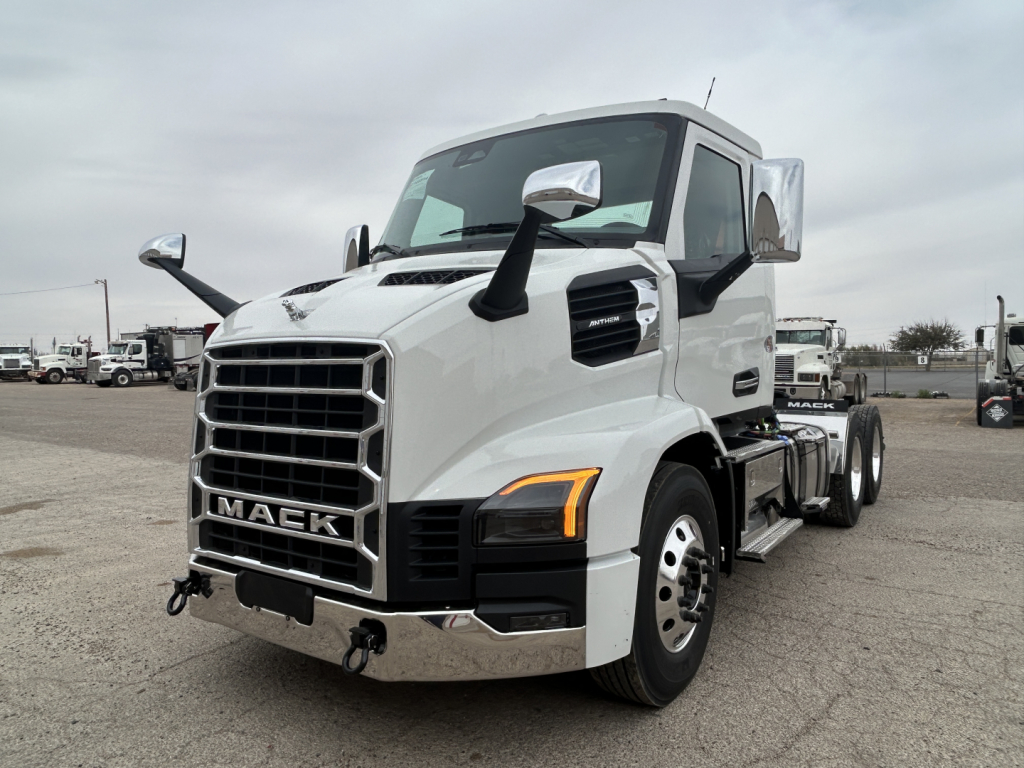
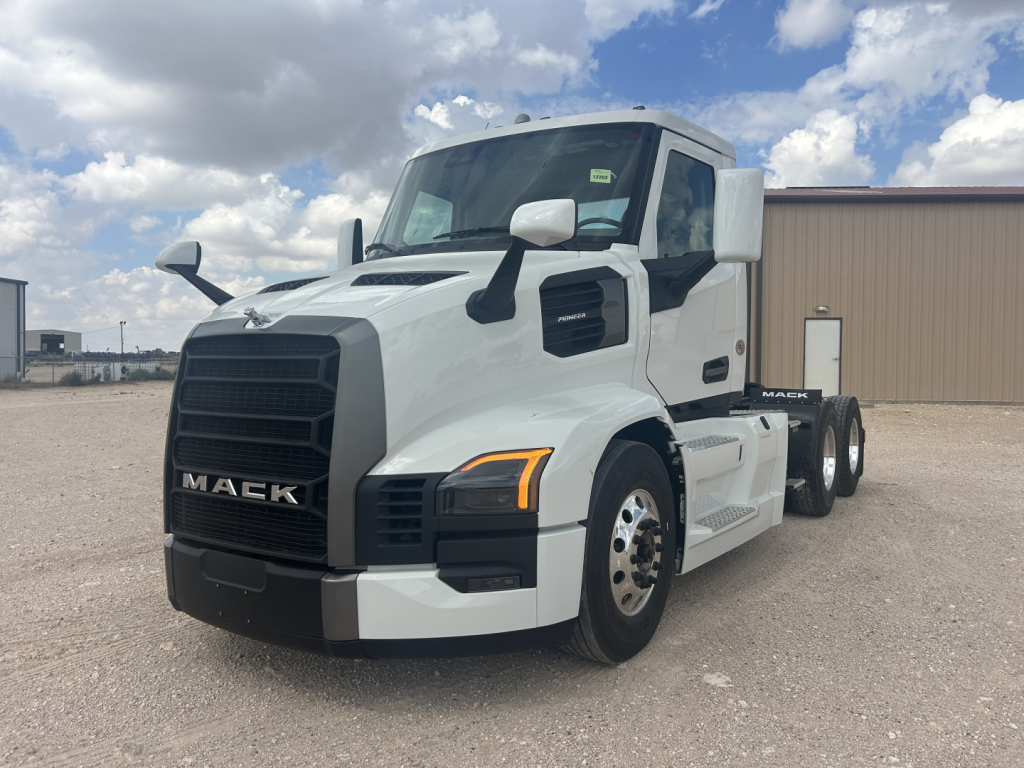
For highway and regional tractor work, conventional day cabs are a common choice. Popular specs include tandem rear axles rated around 40,000 pounds, front axles from roughly 12,000 to 13,200 pounds, wheelbases in the 175-inch to 191-inch range, and automated manual transmissions such as Mack mDrive or Volvo I-Shift. Buyers should pay close attention to rear axle ratio because it directly affects launch performance, cruise RPM, and fuel economy. Ratios such as 2.47, 3.08, and 3.25 each fit different duty cycles. Lower numerical ratios generally favor fuel-efficient linehaul use, while deeper ratios can be better for heavier starts or more vocational work. Cab configuration, fifth wheel setup, tank capacity, and suspension design also matter if the truck will see local drop-and-hook, tanker, flatbed, or short regional lanes.
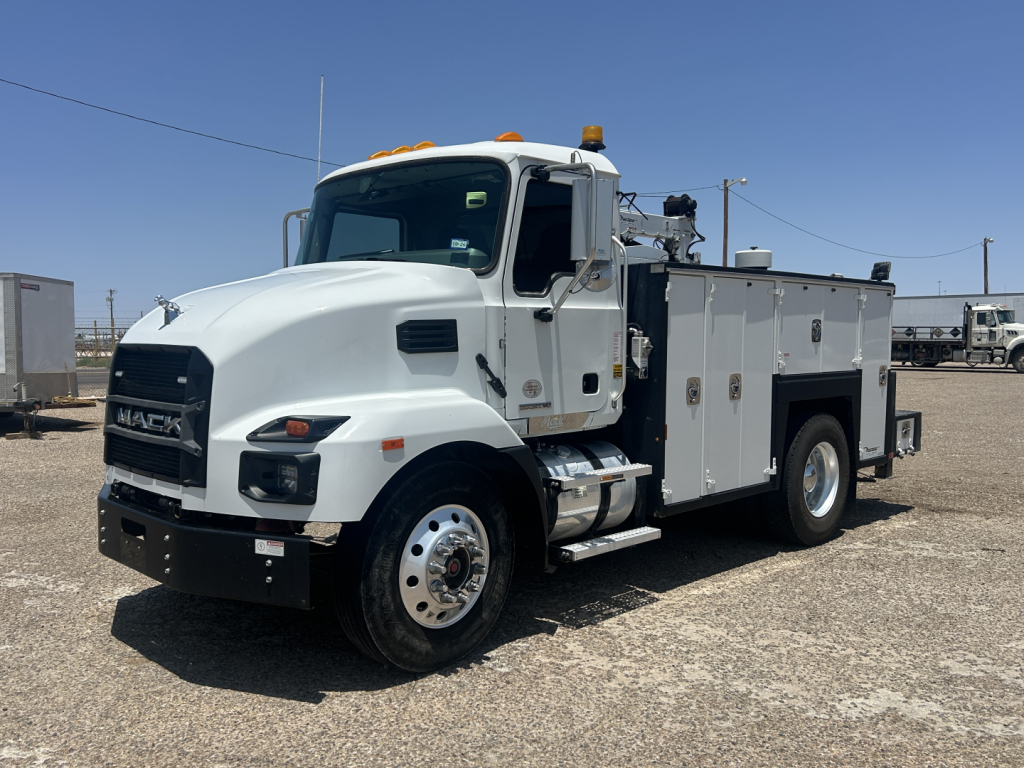
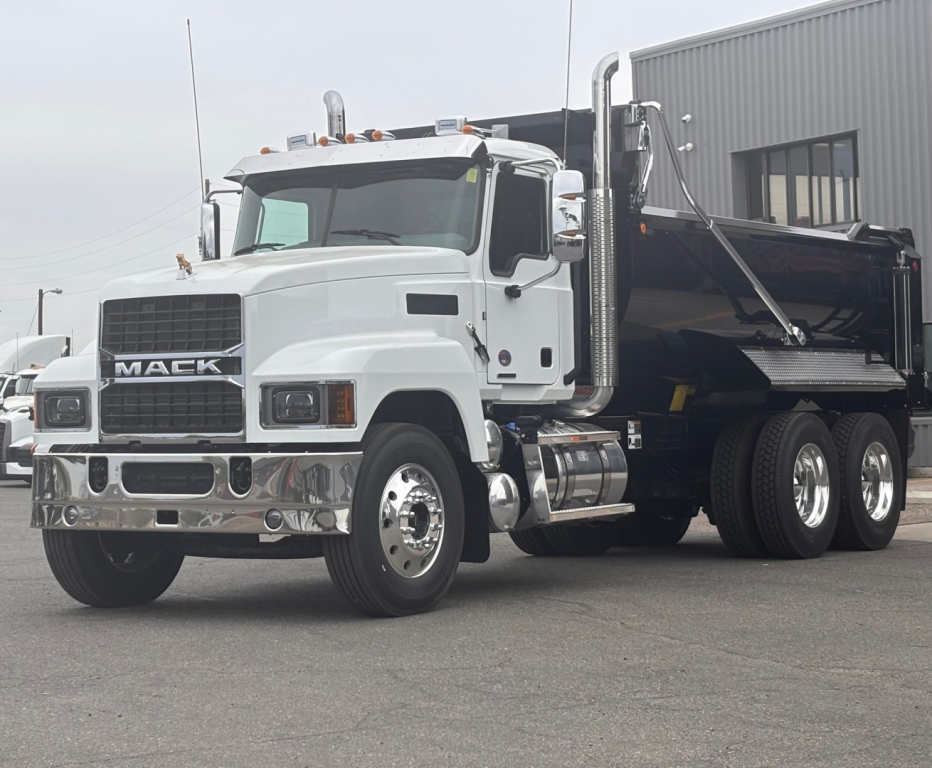
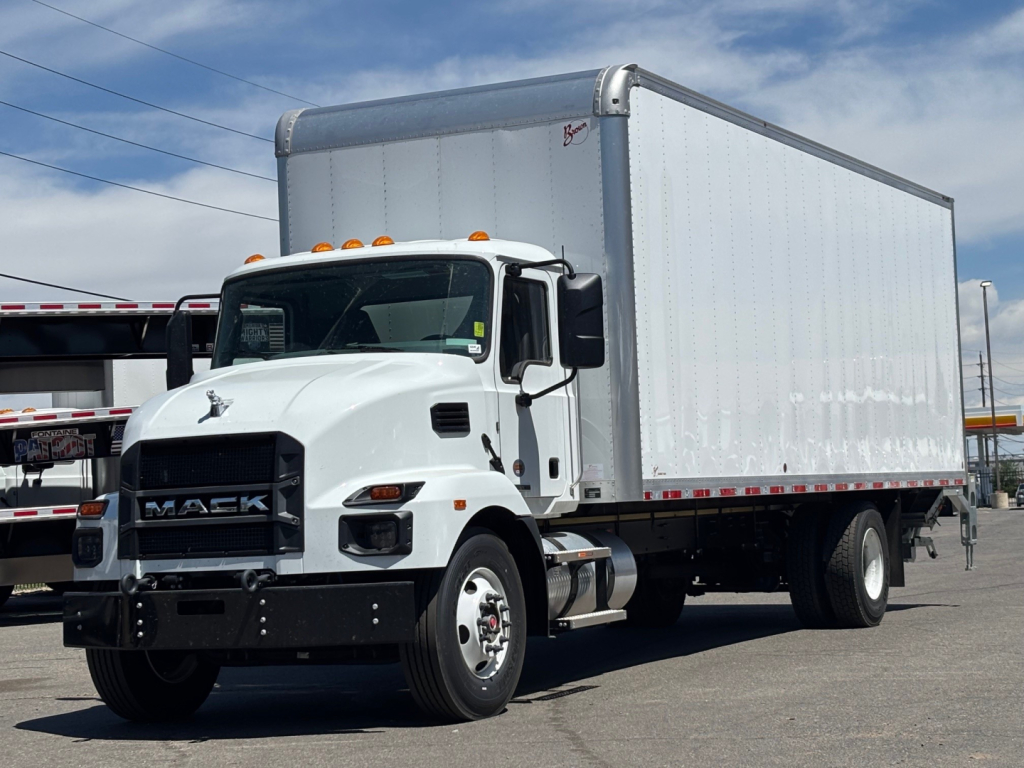
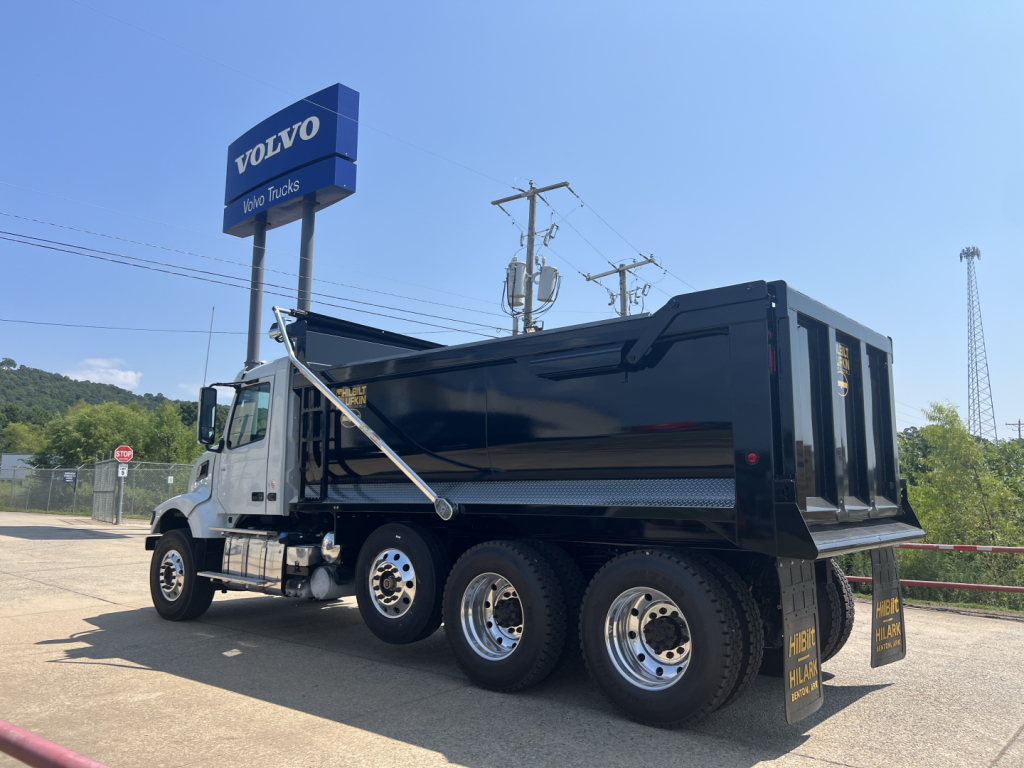
Medium-duty and vocational trucks require a different buying approach. A box truck in the 33,000-pound GVWR class is often specified with a Cummins ISB6.7 and an Allison automatic, plus a long wheelbase to carry a 24-foot to 26-foot van body. On this type of truck, body length, payload, door configuration, brake type, and spring versus air suspension will have a bigger effect on daily usability than cab trim. For mixer and construction applications, buyers should focus on front axle capacity, frame strength, PTO compatibility, rear suspension rating, and locking differentials. A mixer chassis with a 23,000-pound front axle, 46,000-pound rears, and an Allison automatic is built for stop-and-go jobsite work, barrel weight, and durability under constant load shifts.
Used and new trucks in this category can vary widely in emissions systems, driver-assist technology, and maintenance planning. It is worth checking engine family, horsepower, transmission model, and software support, especially on newer powertrains with integrated telematics and uptime systems. In Odessa, many buyers also consider how easily a truck can be serviced, how well it is geared for interstate speed versus off-road access, and whether the spec leaves room for future body changes or trailer assignments. The right truck is not just the one with the most horsepower. It is the one with the correct GVWR, axle package, wheelbase, suspension, and drivetrain for the work it will actually do.
Frequently Asked Questions about Commercial Trucks Near Odessa, Texas
What types of trucks are commonly found for sale in Odessa, Texas?
Odessa truck listings often include heavy-duty day cab tractors, medium-duty box trucks, and vocational trucks used in construction and industrial service. The local market is shaped by regional freight, oilfield support, municipal work, and ready-mix applications, so buyers will usually see a mix of highway specs and severe-duty chassis. That variety makes it important to shop by application first, then compare engine, axle, and suspension details.
What should I look at first when comparing day cab trucks?
Start with the rear axle ratio, axle ratings, wheelbase, and transmission type. These four items will tell you a lot about how the truck will perform with a loaded trailer, how it will cruise at highway speeds, and how well it fits your trailer mix. A tandem axle day cab with a 40,000-pound rear, a 12,000-pound or heavier front axle, and a 12-speed automated manual is a common regional spec, but the ideal setup depends on trailer weight, terrain, and stop frequency.
Is an automated manual transmission a good choice for a highway truck?
Yes, automated manuals such as Mack mDrive and Volvo I-Shift are widely used in highway and regional trucking because they improve shift consistency, reduce driver fatigue, and often support better fuel economy. They also help fleets standardize operation across multiple drivers. The key is matching the transmission calibration and rear ratio to the truck's intended load and route profile, especially if the truck will pull heavy loads out of low-speed job sites or spend most of its time at interstate speeds.
What matters most on a box truck for local delivery or route work?
On a box truck, buyers should focus on GVWR, payload capacity, wheelbase, body length, door style, and transmission choice. Many medium-duty box trucks are spec'd with automatic transmissions for frequent stop-and-go driving, and that can be a major advantage in urban or regional delivery service. Suspension type, brake setup, and fuel tank capacity also matter because they affect ride quality, maintenance, and route range.
How do I choose the right vocational truck for mixer or construction work?
For mixer and severe-duty applications, front axle capacity, rear suspension rating, frame rail strength, PTO provisions, and locking differentials are critical. These trucks carry shifting loads and operate on uneven surfaces, so the chassis must be built for high front-end weight and repeated low-speed starts. An engine and transmission package that works well in stop-and-go duty is usually more valuable than a spec aimed mainly at highway fuel economy.