
Commercial Trucks For Sale Near Oakland, California

Have commercial truck to sell? List it here to reach thousands of buyers.
Commercial Trucks Near Oakland, California
Cab and chassis trucks are often the most flexible choice because they are built to accept bodies such as van bodies, flatbeds, service bodies, dump beds, or specialty municipal equipment. Buyers comparing gas, diesel, and electric trucks should look closely at route length, idle time, refueling or charging access, maintenance requirements, and total payload after the body is installed. In urban California service, electric cab chassis units can make sense for predictable local routes with overnight charging, while diesel and gasoline models still fit mixed-use fleets that need longer operating range or easier deployment across multiple jobs. On medium-duty trucks, important specs include rear axle ratio, suspension type, brake configuration, cab style, and turning radius, especially for dense streets and industrial yards.
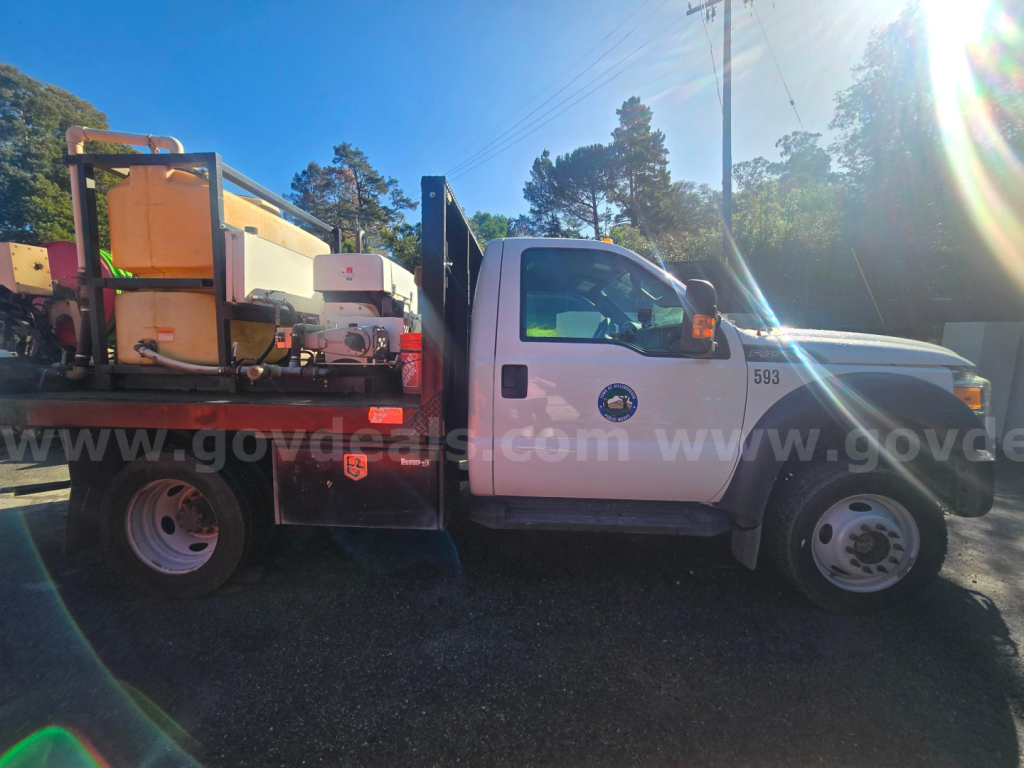
For vocational trucks, body equipment matters as much as the chassis. A water truck, jetter, pressure wash skid, service body, or contractor body changes payload distribution, center of gravity, and operating cost. Buyers should confirm tank capacity, pump output, hose reel setup, power source, body mounting quality, and remaining legal payload once the truck is fueled and fully equipped. On used trucks, pay attention to frame condition, corrosion, PTO operation, hours on auxiliary equipment, tire wear, brake life, and signs of hard municipal or utility service. Service records and emissions compliance are especially important in California, where operating requirements can affect where and how a truck is used.
A good truck purchase is usually a fit decision, not just a price decision. A Class 3 or Class 4 platform may be ideal for lighter service work and easier maneuverability, while a Class 5 or higher chassis often gives more body options and payload margin. Buyers running local freight or delivery should compare cargo capacity, cab comfort, and door-to-door efficiency. Buyers in utility, public works, or construction support should spend more time on hydraulics, body integration, and duty cycle. The best trucks in this category are the ones matched correctly to route density, payload demands, upfit needs, and California operating conditions.
Frequently Asked Questions about Commercial Trucks Near Oakland, California
What should I look for first when buying a truck for commercial use?
Start with the job the truck needs to perform every day. Payload, GVWR, body type, wheelbase, and powertrain should be matched to the application before comparing brand or model. A truck that is too light will struggle with legal payload and durability, while an oversized truck can raise operating costs, reduce maneuverability, and limit efficiency on local routes.
Is a cab and chassis better than a completed vocational truck?
A cab and chassis is usually better when you need flexibility for a custom body or a fleet-standard upfit. It lets you choose the exact body length, equipment package, and vocational setup required for your operation. A completed vocational truck can be the better choice when the body is already configured properly and the truck is ready for immediate service, but buyers should verify that the existing upfit matches payload needs, frame dimensions, and PTO or electrical requirements.
Are electric commercial trucks practical for Oakland and Bay Area operations?
Electric trucks can be practical for urban and regional work with predictable mileage, regular return-to-base scheduling, and dependable charging access. They are often well suited for local delivery, municipal service, and other stop-and-go operations where lower noise and reduced fuel use are valuable. Buyers should confirm real-world range under payload, charging time, battery warranty terms, and how auxiliary loads such as liftgates, refrigeration, or hydraulic equipment affect daily operating range.
What matters most when buying a used vocational truck?
The condition of the chassis and the mounted equipment both matter. Check engine and transmission performance, brake condition, tire wear, suspension, steering, and frame integrity, then inspect the body or auxiliary system for leaks, pump wear, hose condition, corrosion, and signs of poor installation or heavy-duty abuse. Maintenance records, engine hours, PTO function, and emissions compliance can be just as important as mileage on trucks used in municipal, contractor, or utility service.
How do I choose the right truck class?
Truck class should be based on legal payload, body weight, and operating environment. Lighter classes can be easier to drive, park, and service in city applications, while heavier classes provide more capacity and more room for specialized upfits. The right choice usually comes down to how much equipment the truck will carry, whether it needs a vocational body, and how often it will operate in tight urban areas versus open road or industrial sites.