
Trucks For Sale Near Nyack, New York
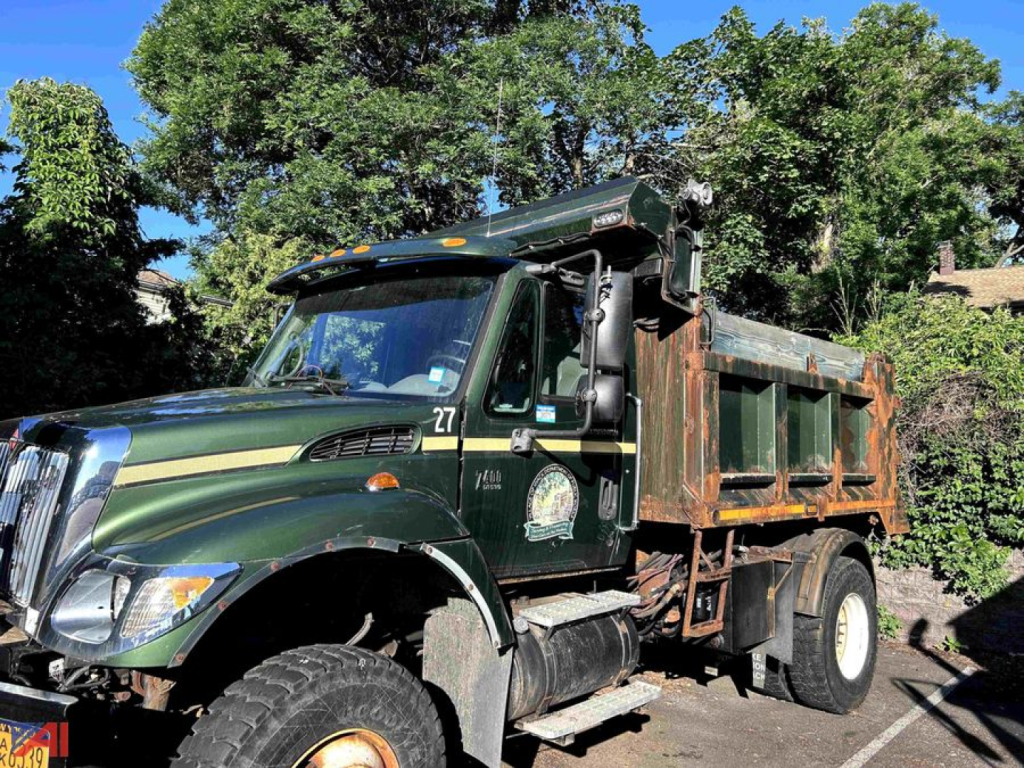
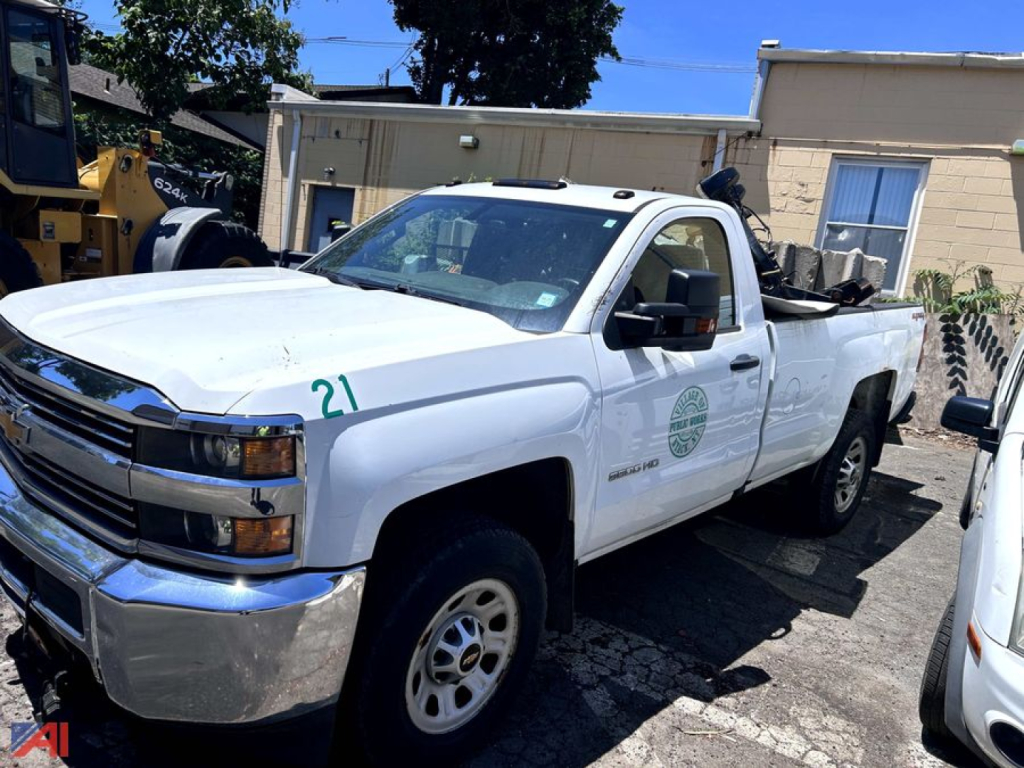
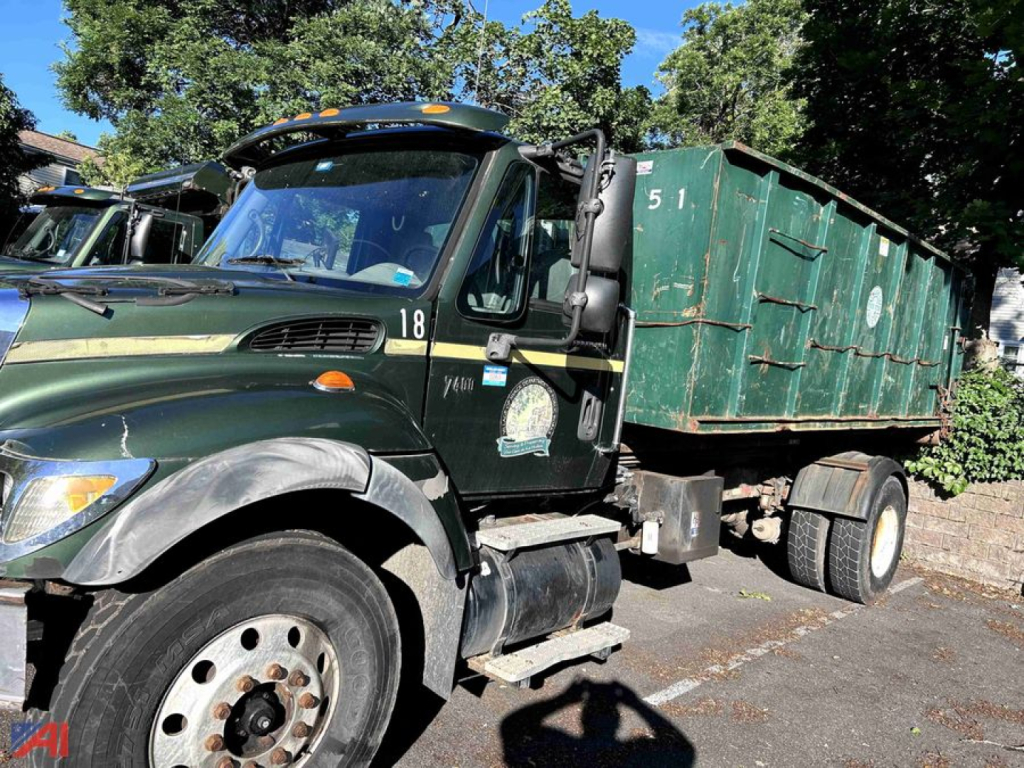
Browse trucks for sale in Nyack, New York, including vocational, medium-duty, and heavy-duty work trucks for hauling, utility, towing, and dump use.
Learn more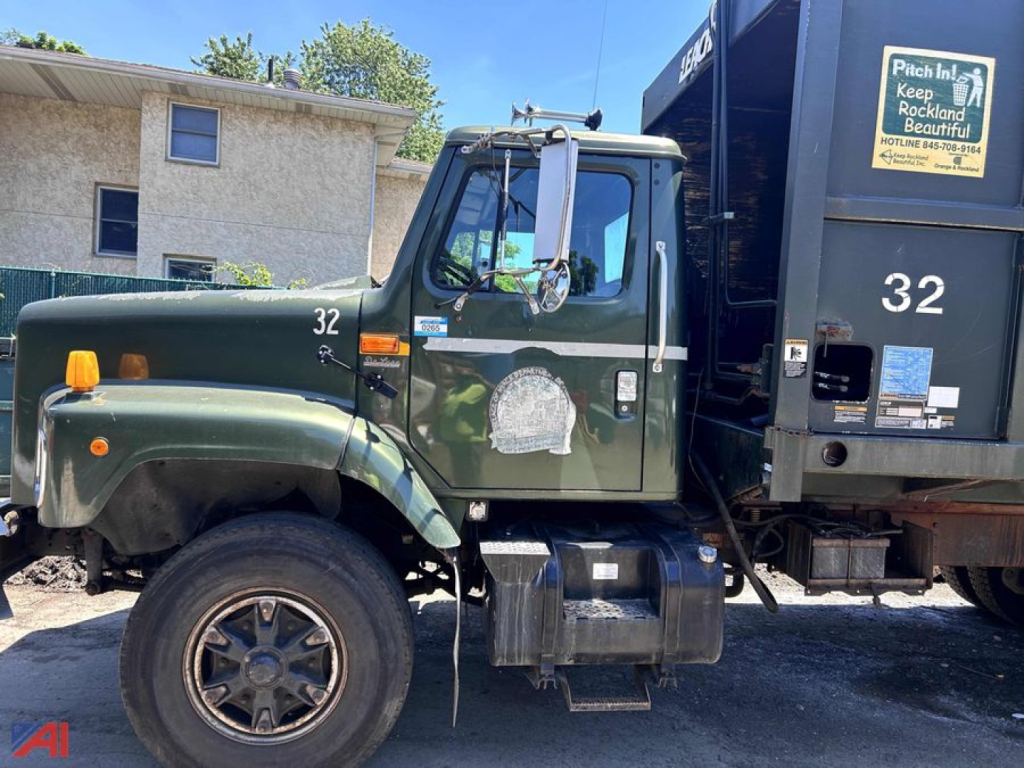
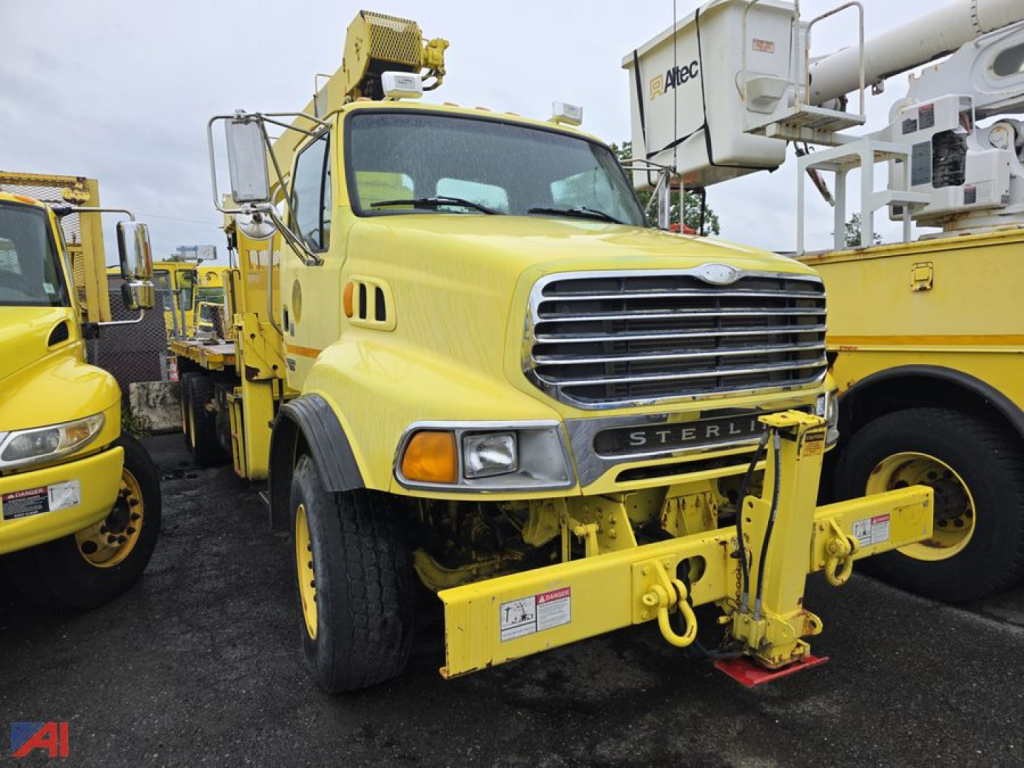
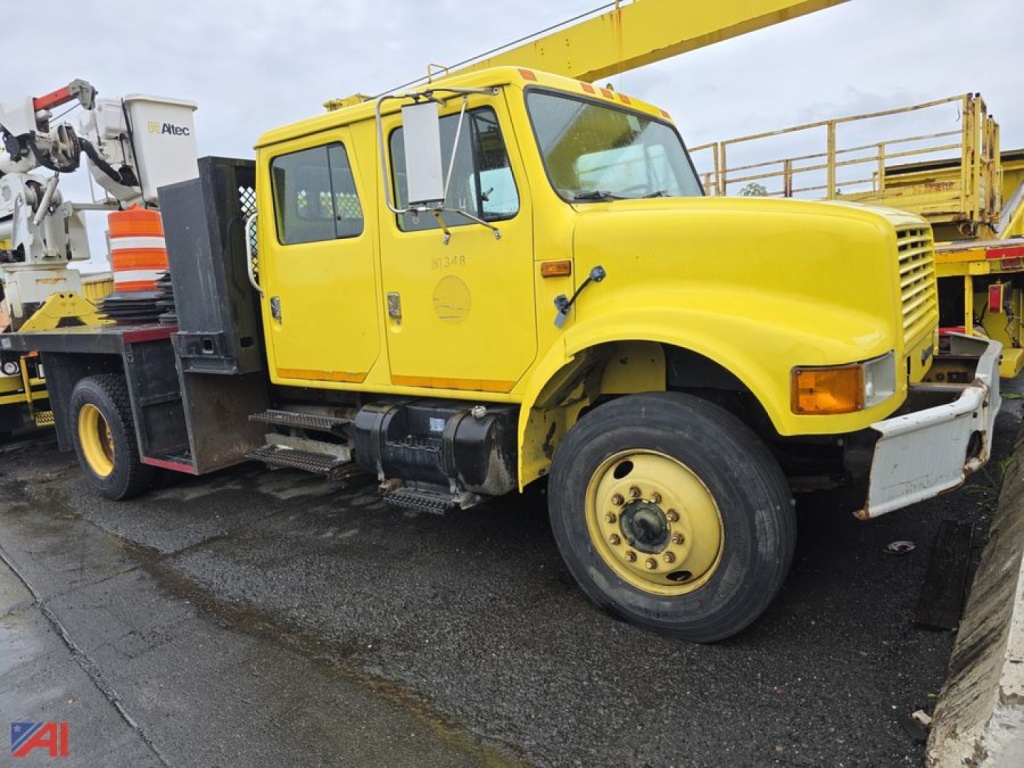
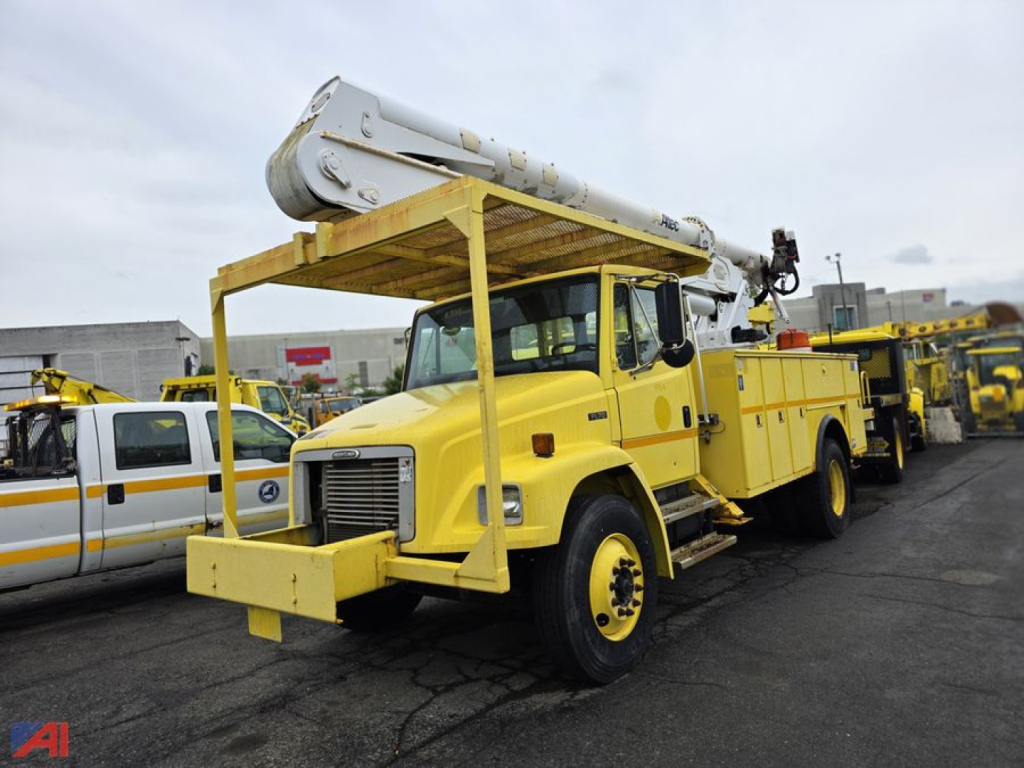
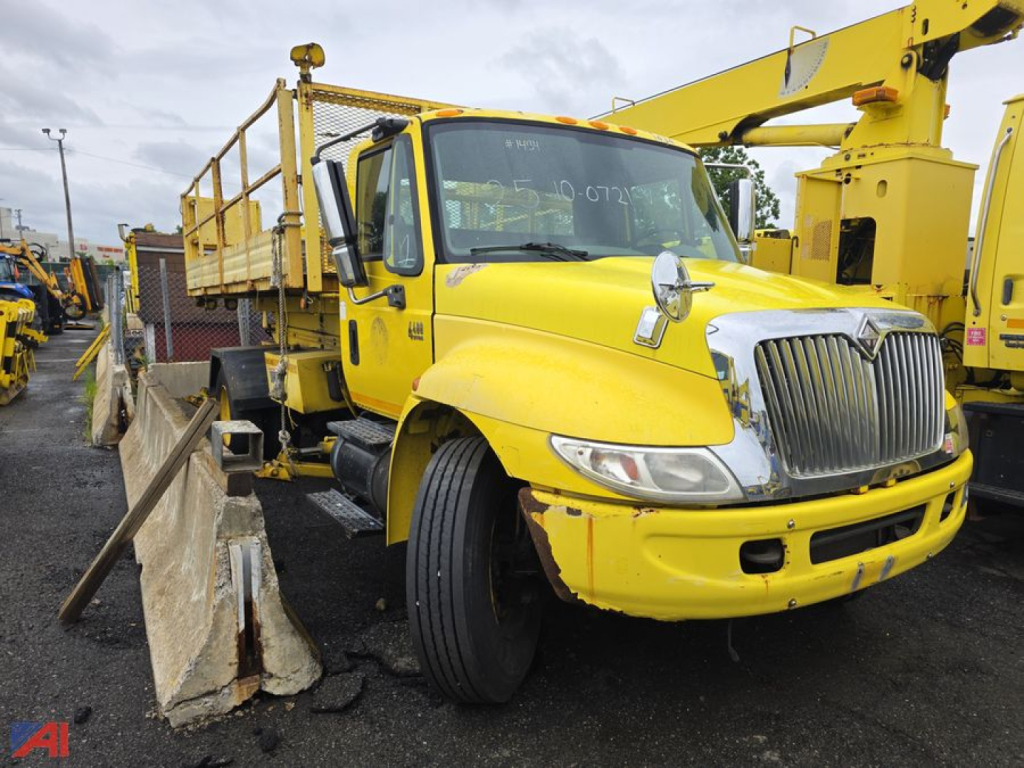
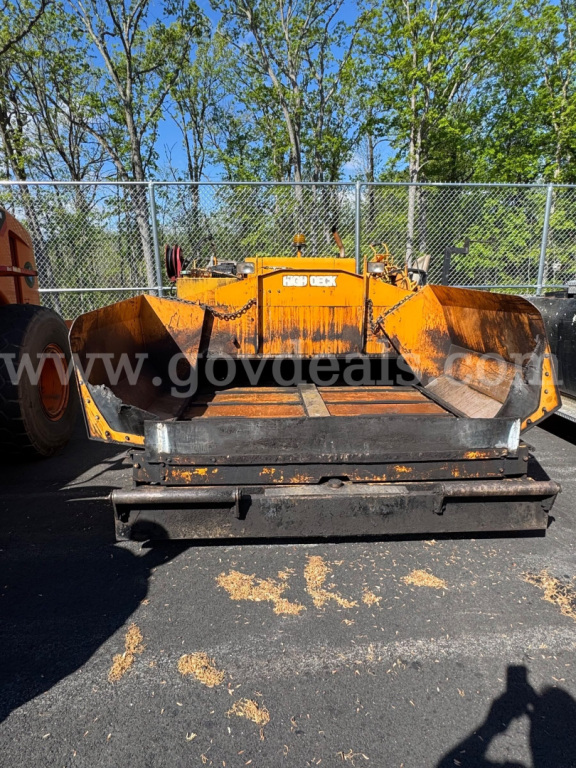
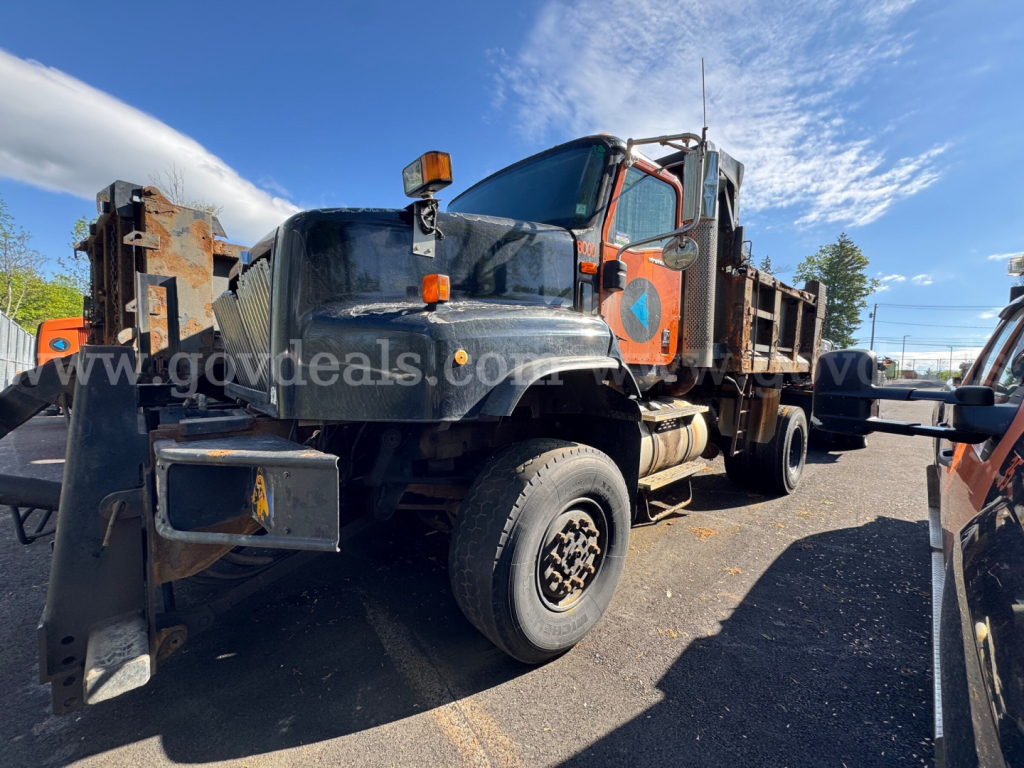
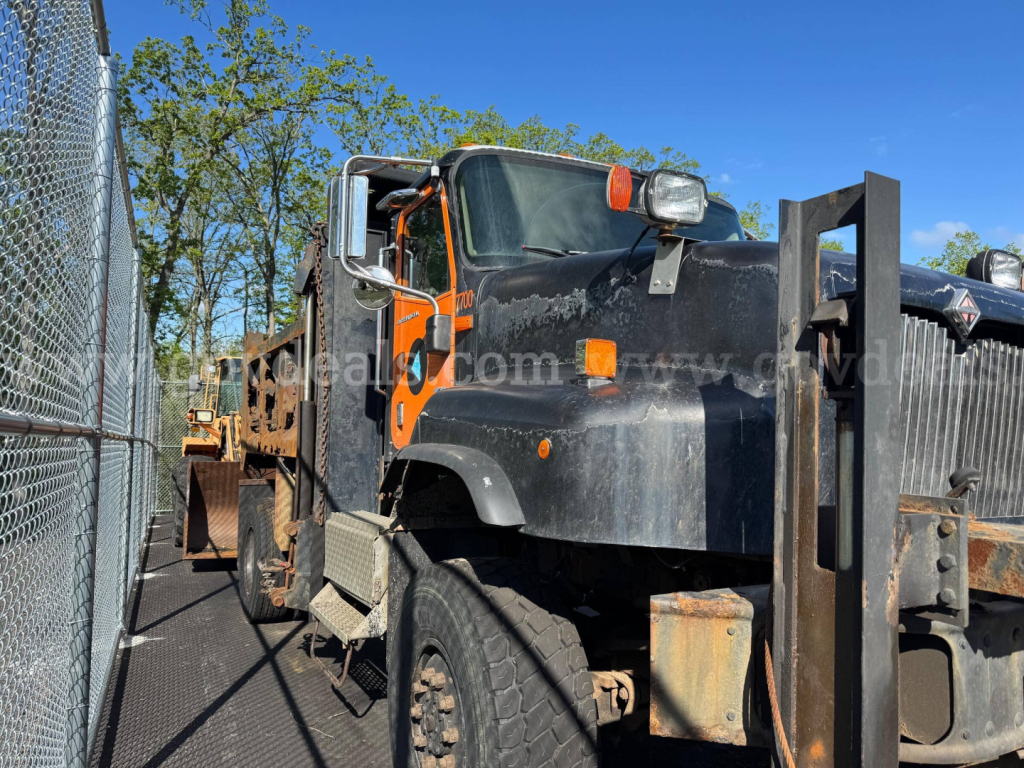
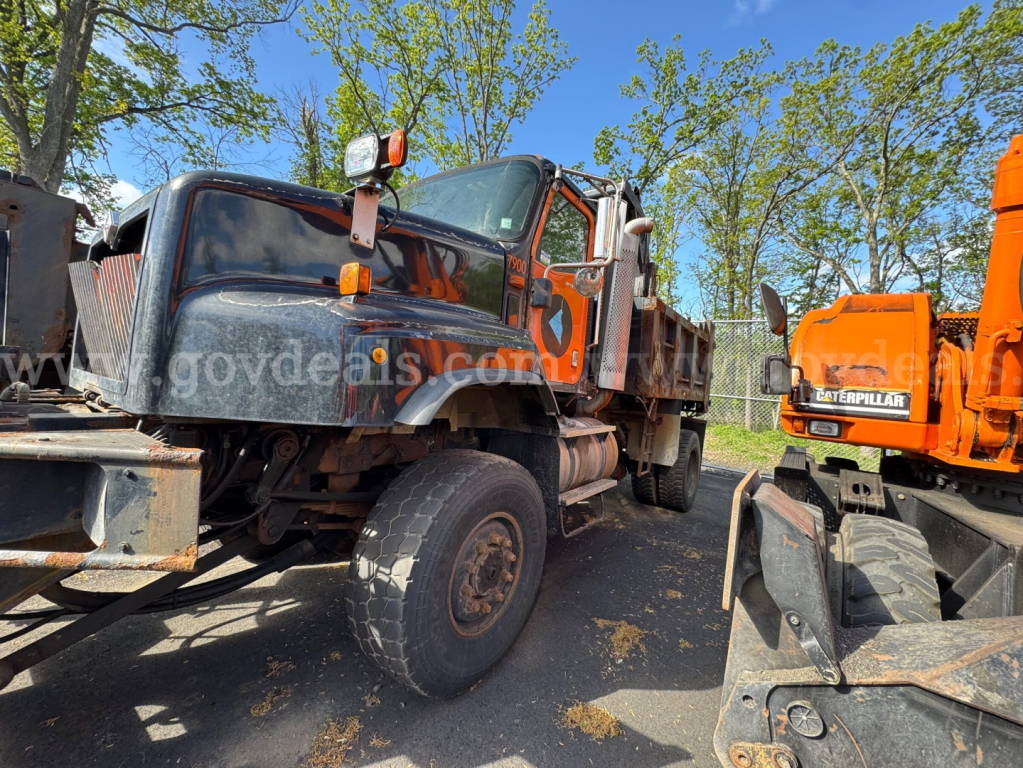

Have truck to sell? List it here to reach thousands of buyers.
About Trucks Near Nyack, New York
For general truck shopping, start with GVWR class, axle configuration, engine size, transmission type, and brake system. Medium-duty trucks such as common Class 6 and Class 7 platforms are often used for municipal work, utility fleets, local delivery, and specialized service bodies. Heavier vocational units may step into tandem or severe-duty configurations for higher payload, more robust suspensions, and PTO-driven equipment. Buyers should pay close attention to frame condition, wheelbase, hydraulic systems, steering play, rust in cab mounts and crossmembers, and the serviceability of body-specific components like winches, outriggers, booms, wheel lifts, hoists, or aerial devices.
In the lower Hudson Valley and greater New York market, corrosion and stop-and-go duty cycles can tell the real story of a used truck. Trucks that have spent time in municipal, utility, or highway service may have strong maintenance histories but also high idle hours, extensive PTO use, and exposure to road salt. Engine hours can matter as much as odometer miles on service and utility trucks. On a dump truck, look at hoist operation, floor and sidewall wear, tailgate condition, and front axle ratings. On a bucket or crane truck, verify boom inspections, hydraulic response, outrigger condition, and any dielectric or annual certification records if applicable. On a tow truck, inspect the bed, recovery equipment, hydraulic lines, and rear structure for signs of hard use or repairs.
A good used truck purchase comes down to matching the chassis, body, and operating environment. Buyers comparing trucks for sale should think through CDL requirements, bridge and road restrictions, body upfit replacement cost, and parts support for both the cab chassis and the mounted equipment. Older vocational trucks can still be productive assets if the driveline, frame, hydraulics, and body structure are sound. The best value is usually found in a truck with a clear application fit, documented service history, and specifications that leave enough capacity for the work instead of running at the edge of its ratings.
Frequently Asked Questions
What should I check first when buying a used vocational truck?
Start with the truck's intended application and confirm the chassis is rated for that work. Check GVWR, axle ratings, suspension type, frame condition, engine and transmission pairing, and PTO functionality. After that, inspect the mounted equipment closely because the body often drives the repair cost on a used vocational truck. Hydraulic leaks, structural cracks, rust, electrical issues, and worn controls can turn an otherwise usable truck into an expensive project.
Are miles or engine hours more important on utility and service trucks?
On many utility, aerial, crane, and municipal trucks, engine hours can be just as important as miles because these units spend a lot of time idling or operating PTO-driven systems on site. A truck with moderate miles but very high idle time may show more wear in the engine, emissions system, hydraulics, and accessory drives than the odometer suggests. Buyers should review both readings together and compare them with maintenance records and the condition of the body equipment.
What makes a dump truck different from other work trucks?
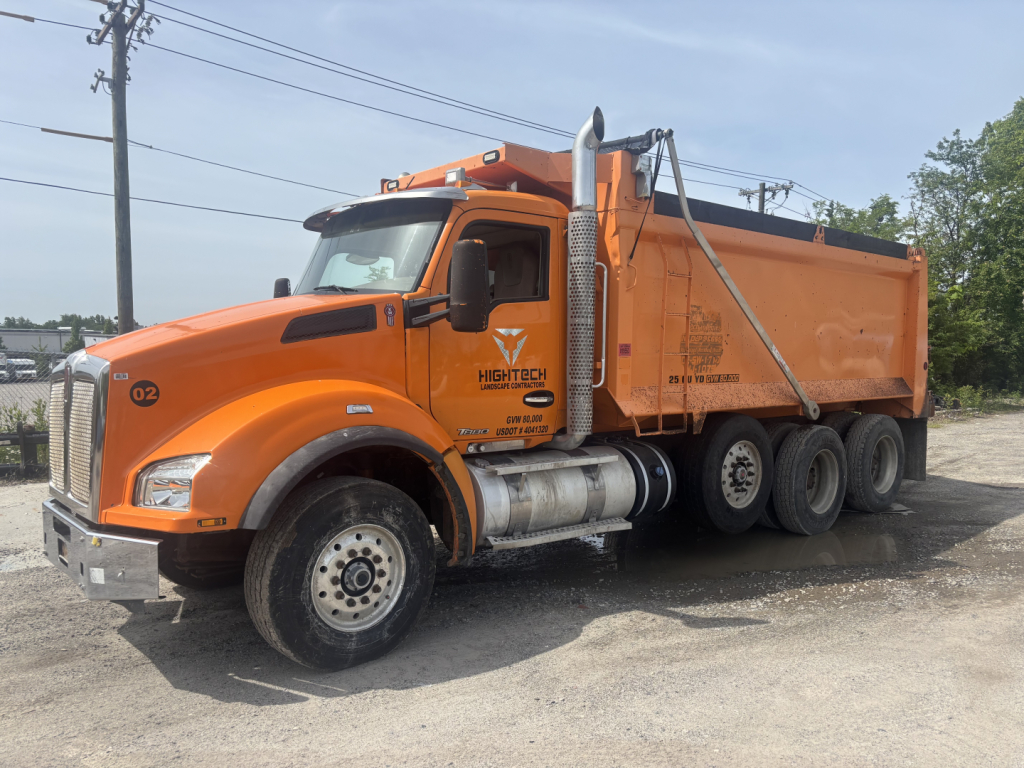
A dump truck is built around payload handling, body durability, and hoist performance. Key items include body size, steel or aluminum construction, single-axle or tandem configuration, suspension capacity, and the condition of the hoist, tailgate, and floor. Buyers should also verify PTO engagement, hydraulic operation, front axle capacity, and signs of cracking or previous structural repair around the body mounts and frame.
What documents matter when buying a bucket truck or crane truck?
Inspection and certification records are critical on aerial and crane-equipped trucks. Buyers should ask for annual inspection documentation, service records for the boom and hydraulic system, and any dielectric testing records when applicable to insulated aerial equipment. These documents help confirm the truck was maintained to fleet or regulatory standards and can reduce uncertainty about expensive body equipment that is harder to replace than a standard cab chassis.
How do I know if a truck needs a CDL to operate?
CDL requirements depend on the truck's GVWR, the combined weight rating with any trailer, air brake configuration, and the type of work being performed. Many medium-duty trucks can be spec'd below CDL thresholds, while heavier vocational trucks often require a CDL because of their weight class or brake system. Buyers should verify the truck's door tag, registration class, and intended operating rules in New York before purchase so the truck fits the driver pool and job requirements.