
Commercial Trucks For Sale in North Dakota
Browse trucks for sale in North Dakota, including vocational and on-highway models with specs, applications, axle setups, and buyer guidance.
No exact matches found for your search
Showing Commercial Trucks instead.

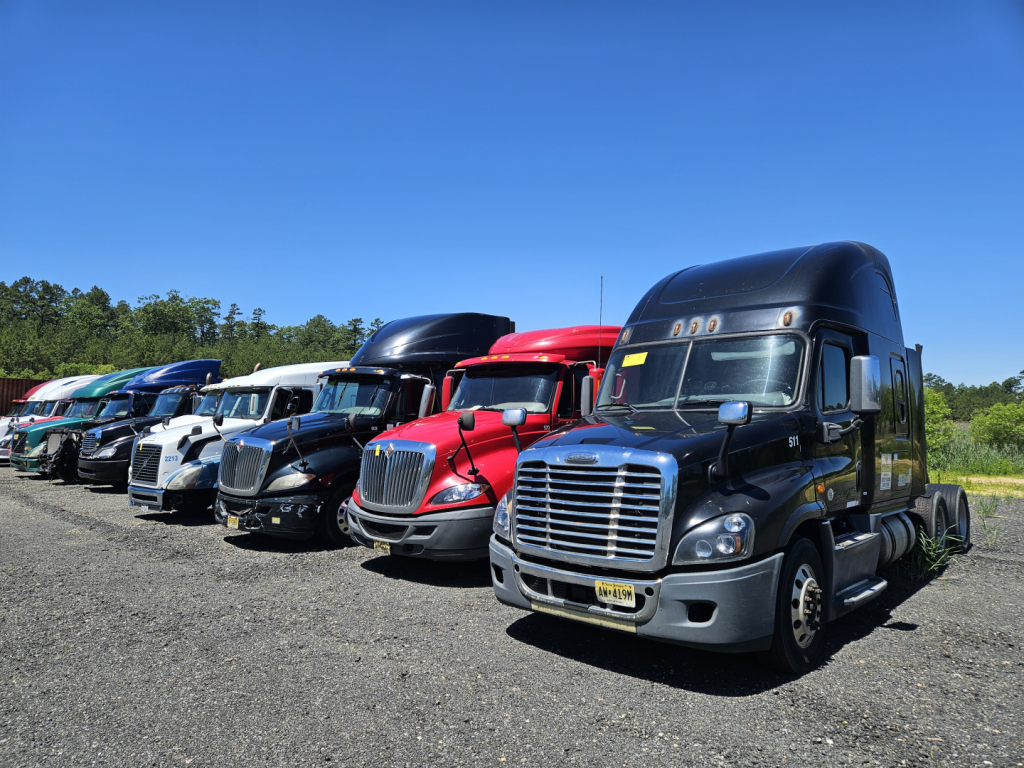
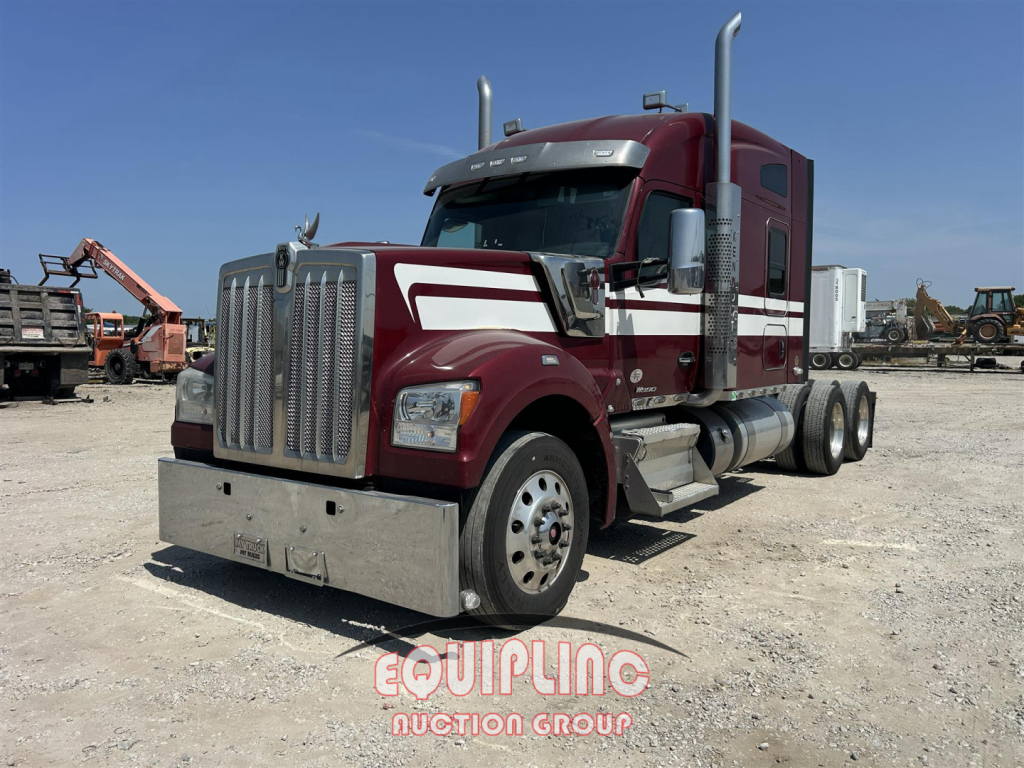
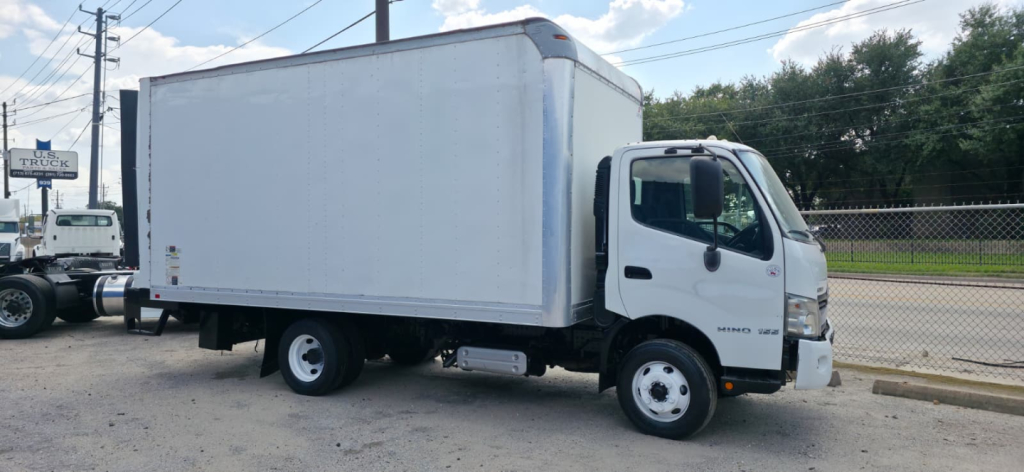
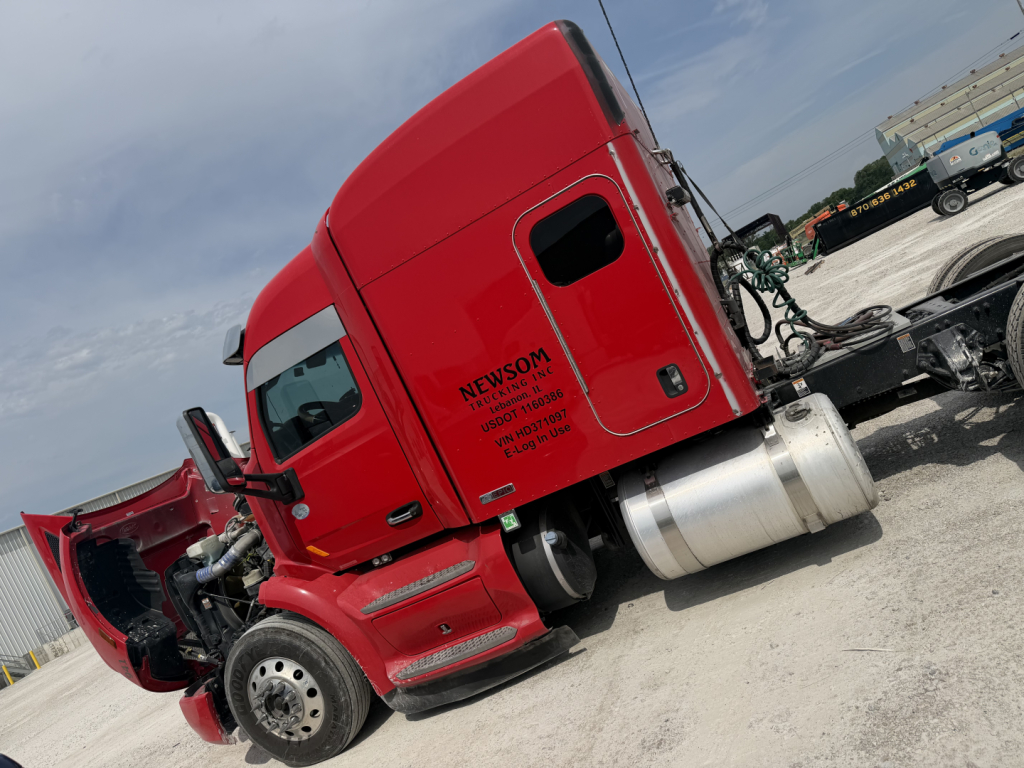
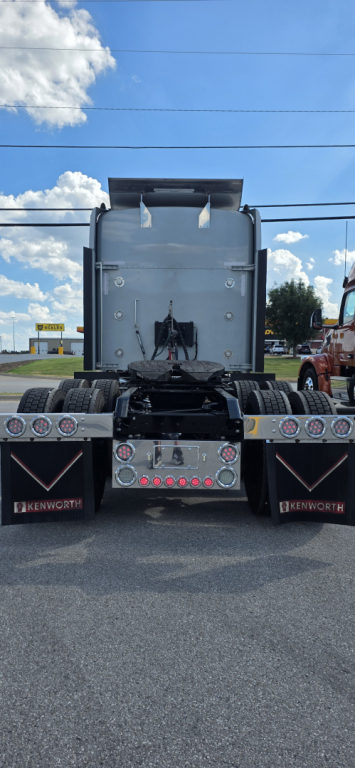
2023 Kenworth W900
521,745 mi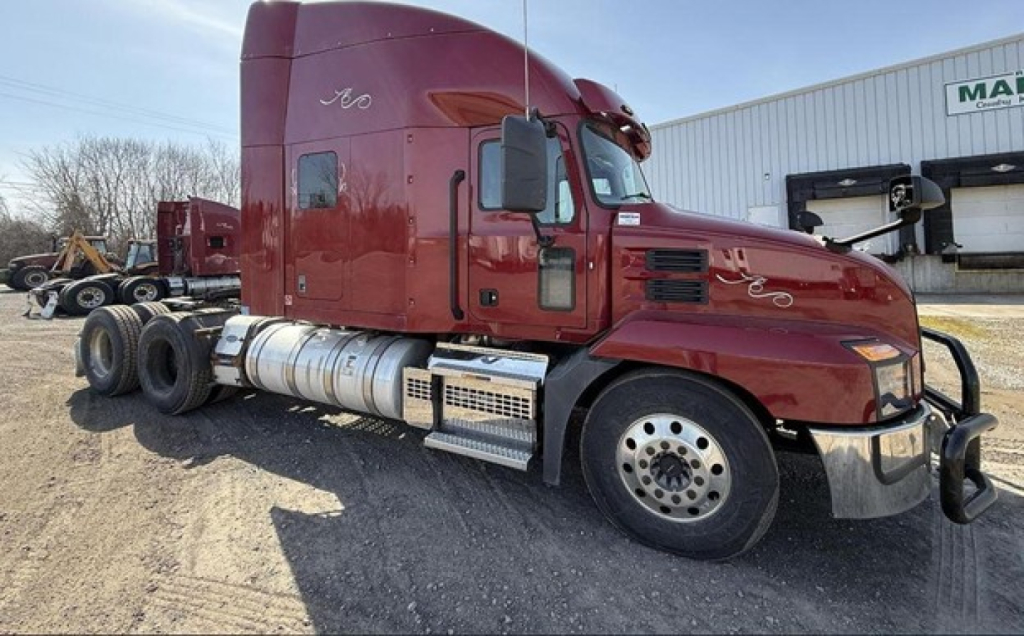
2020 Mack Anthem
395,122 mi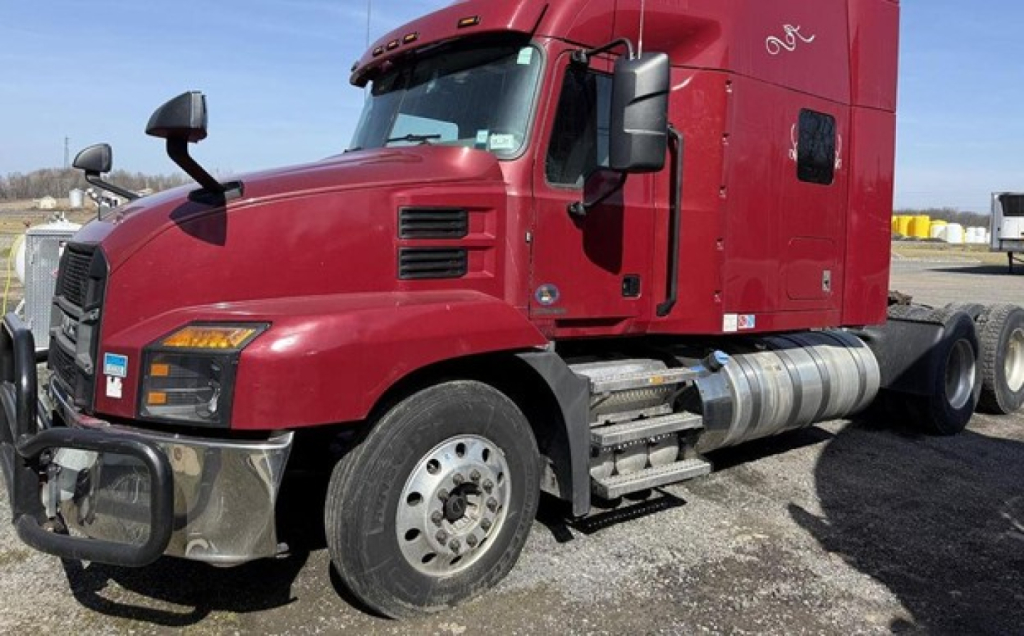
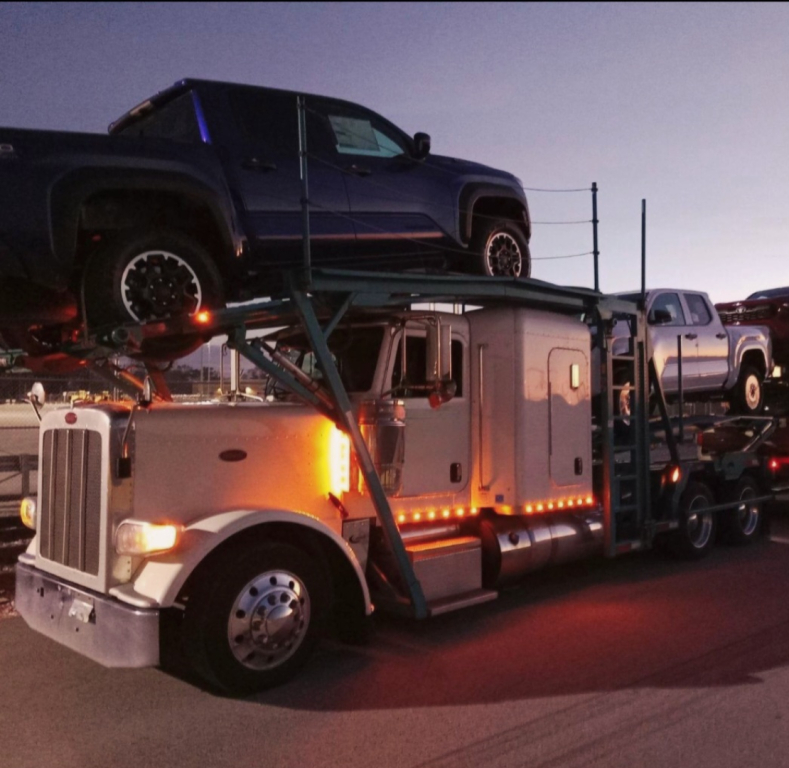
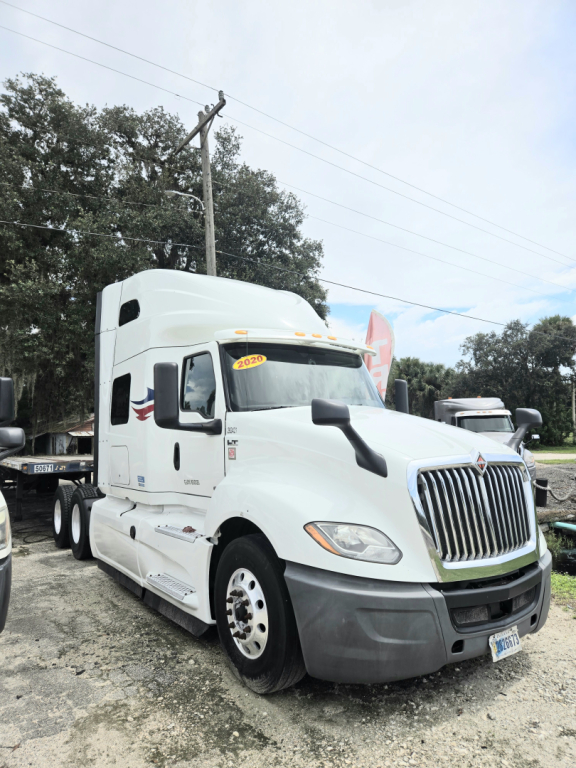
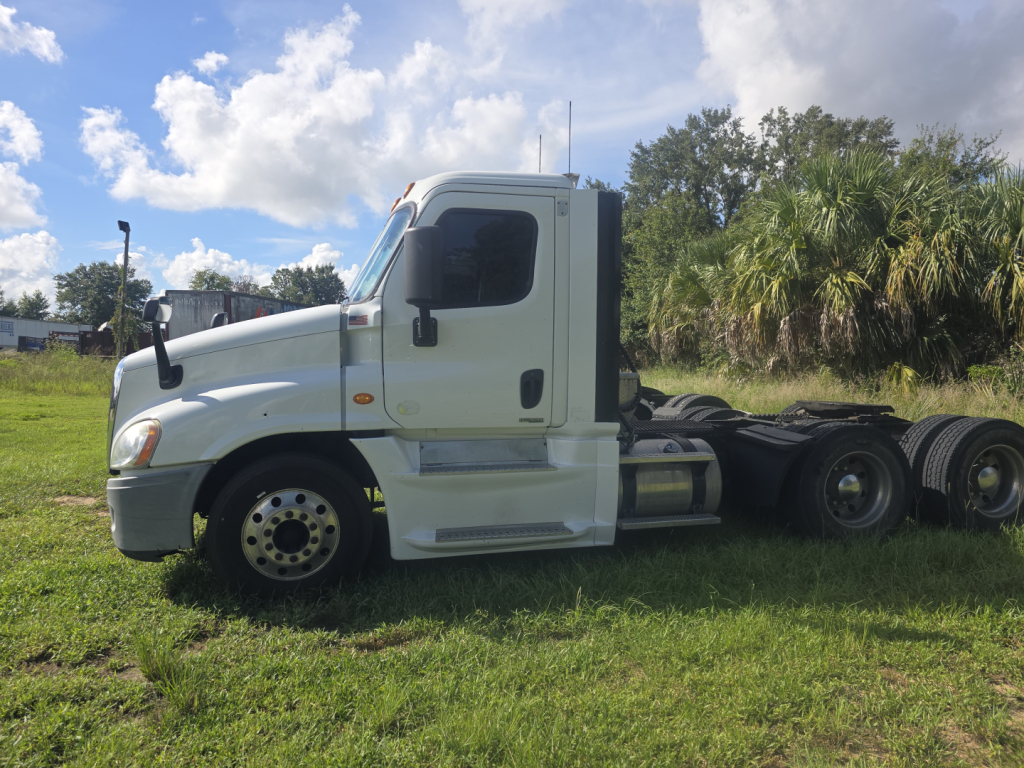
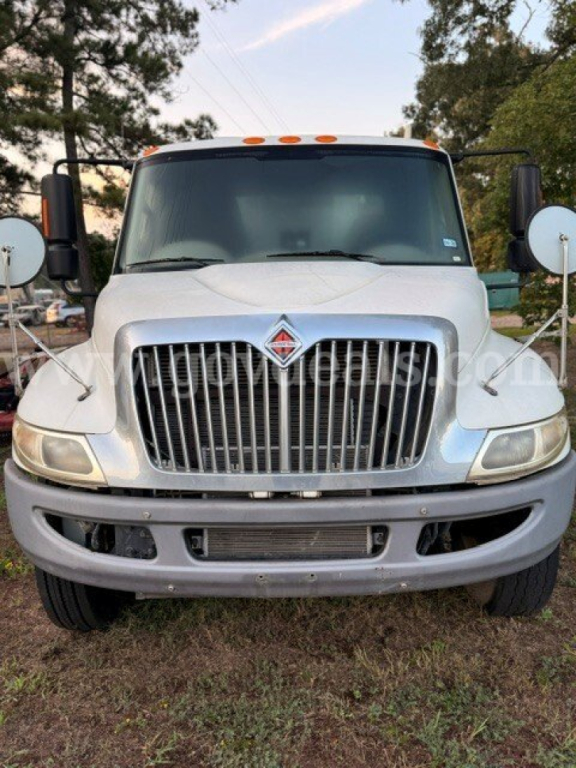
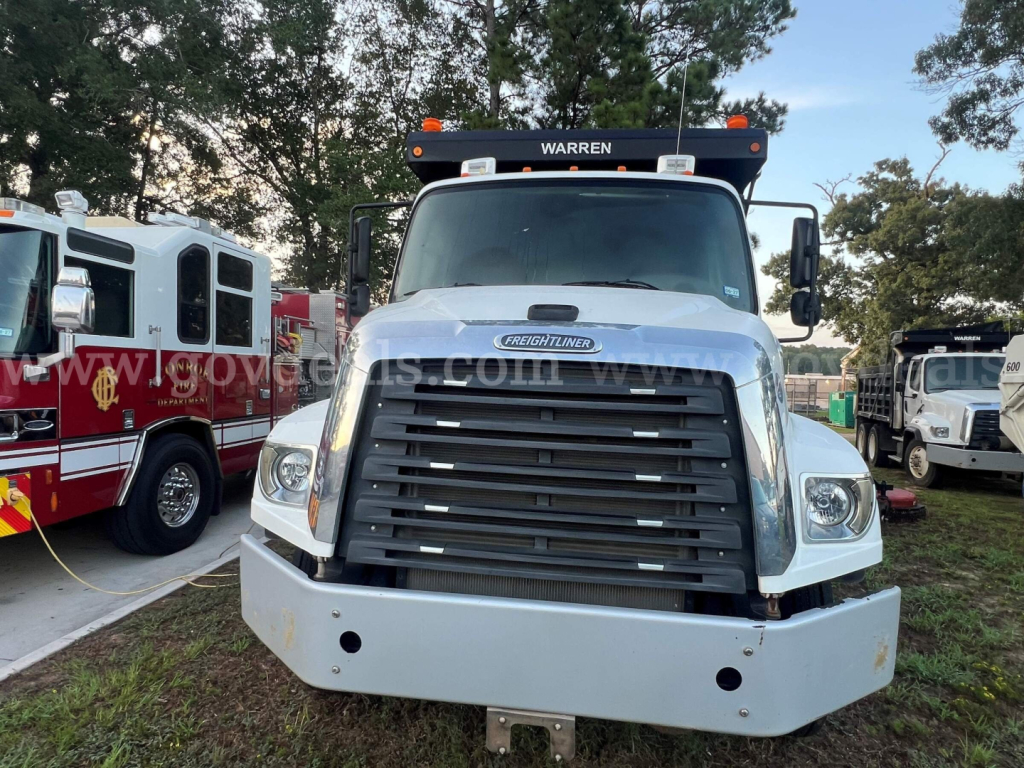
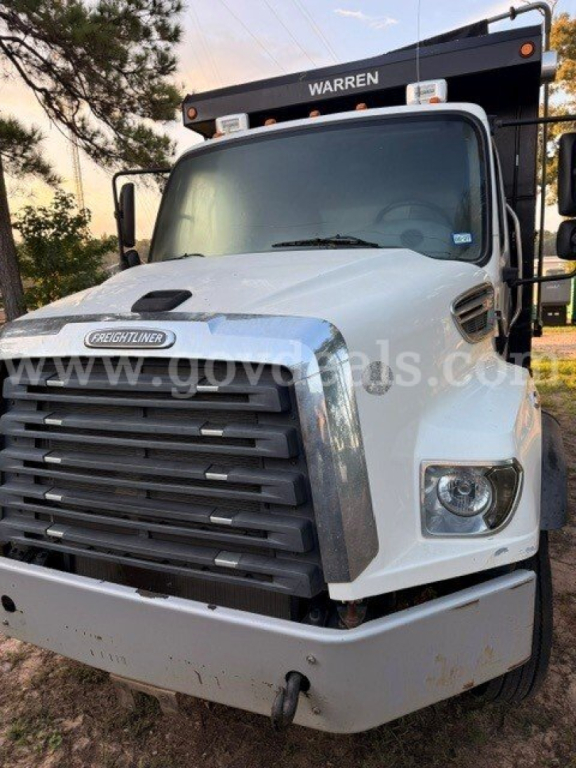
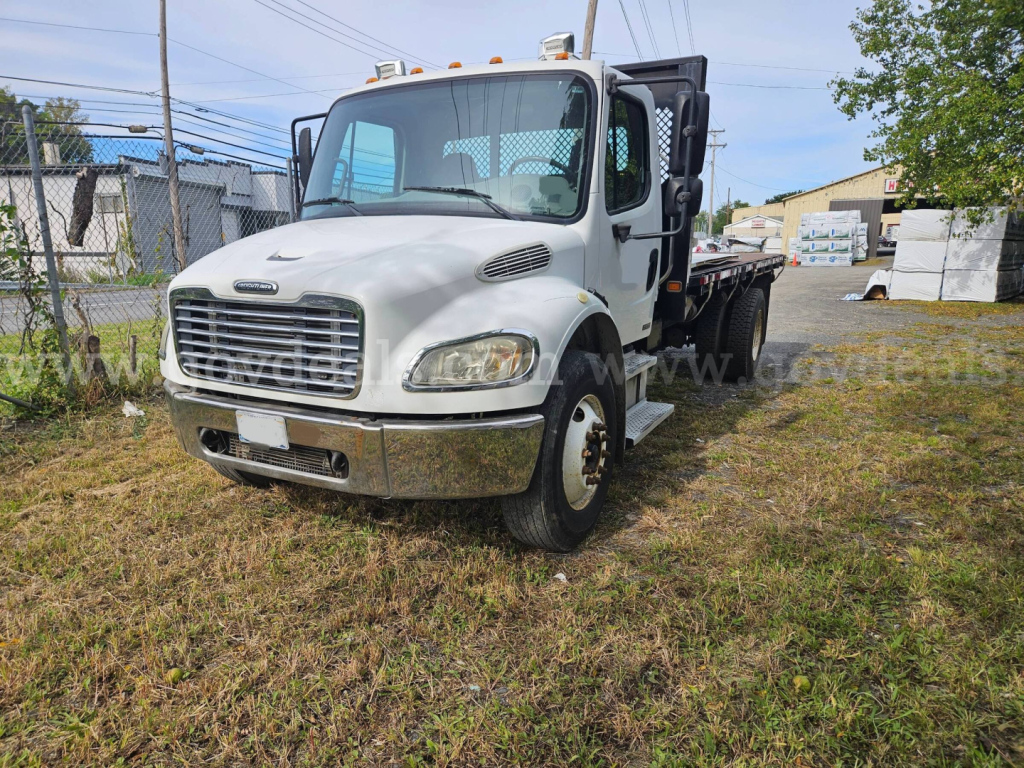
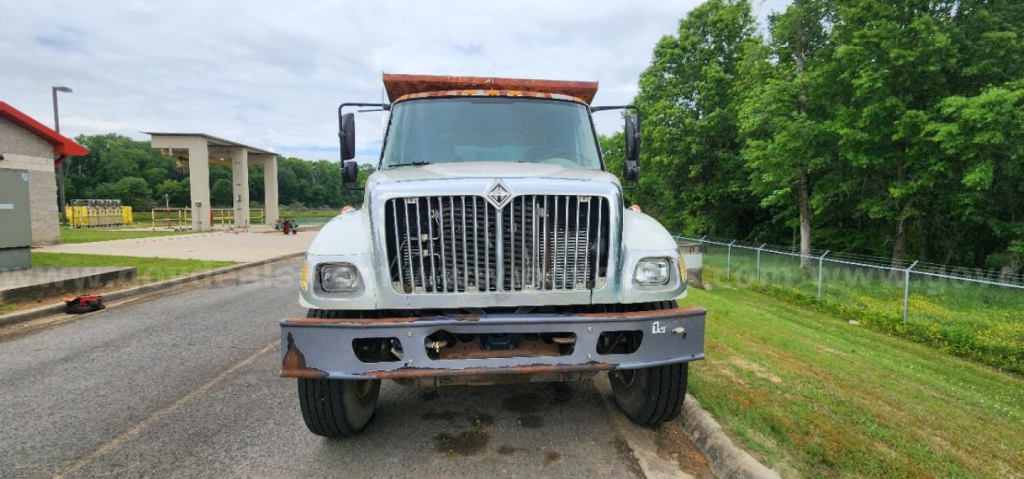
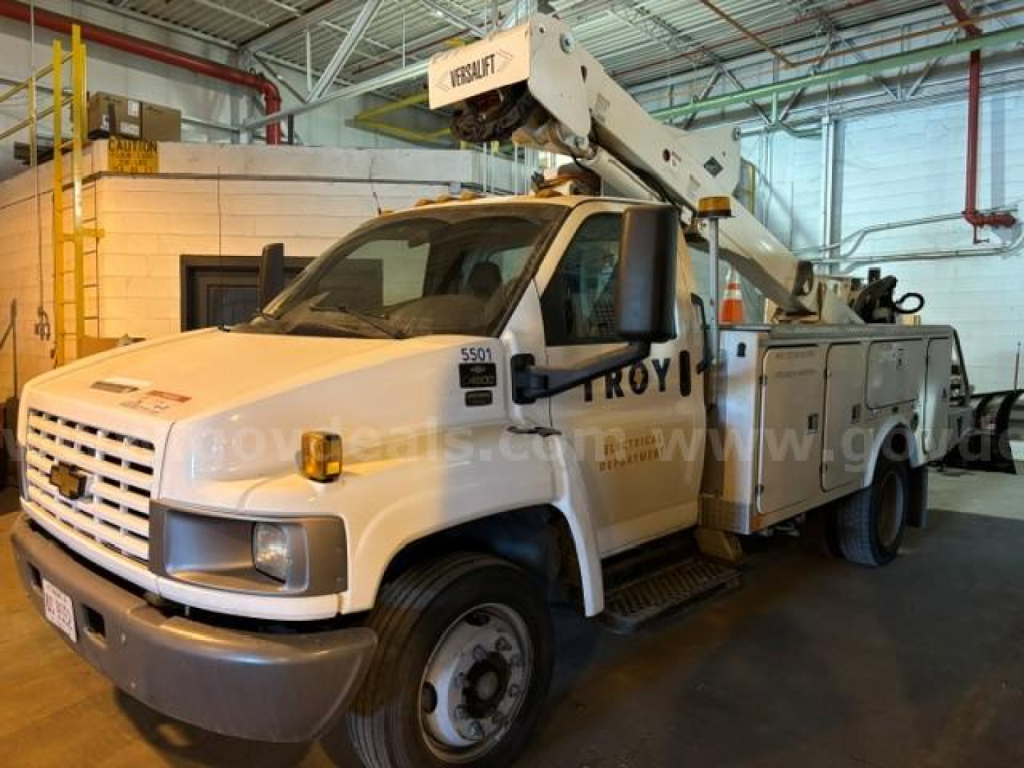
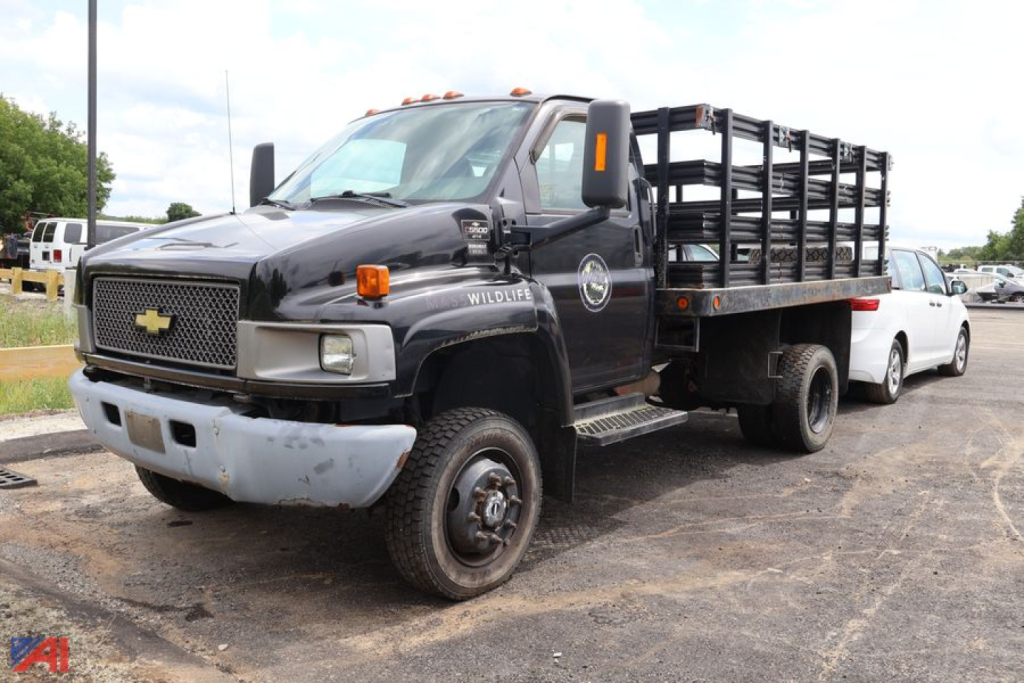
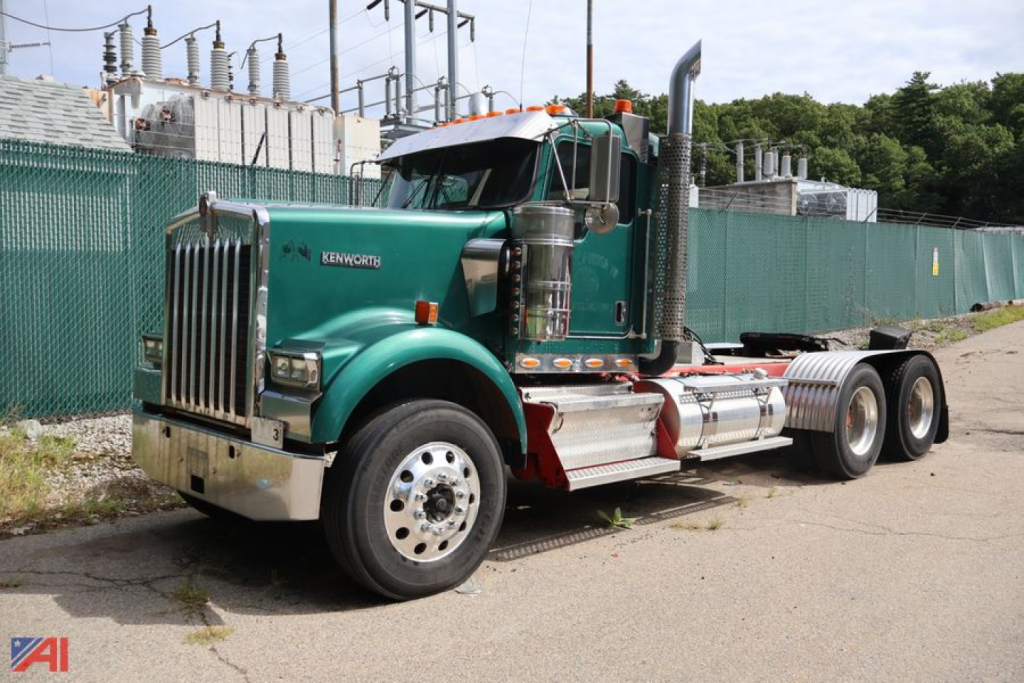
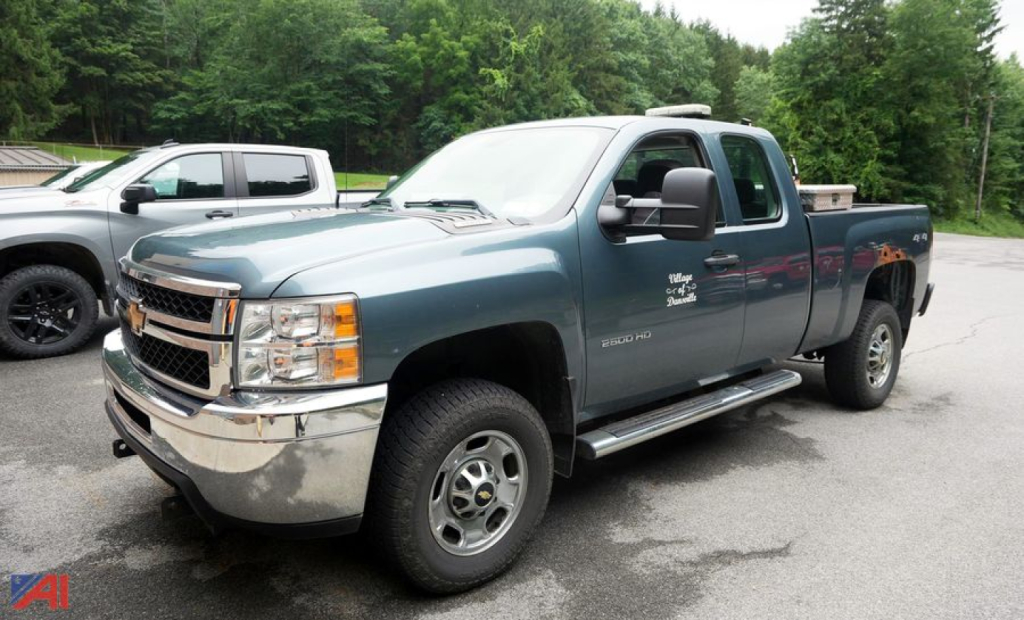
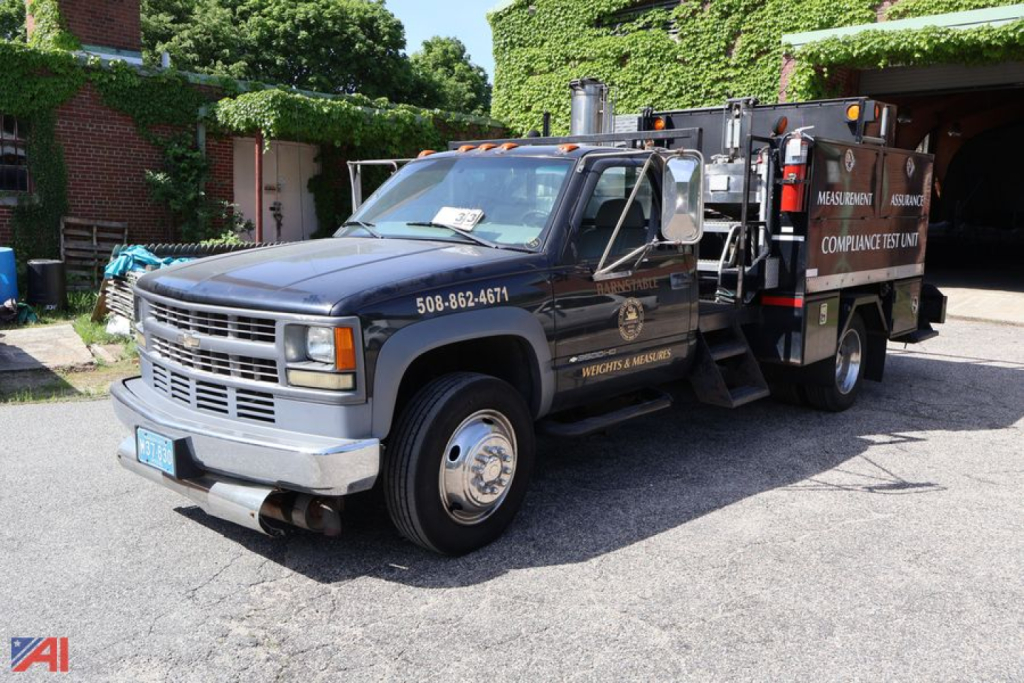
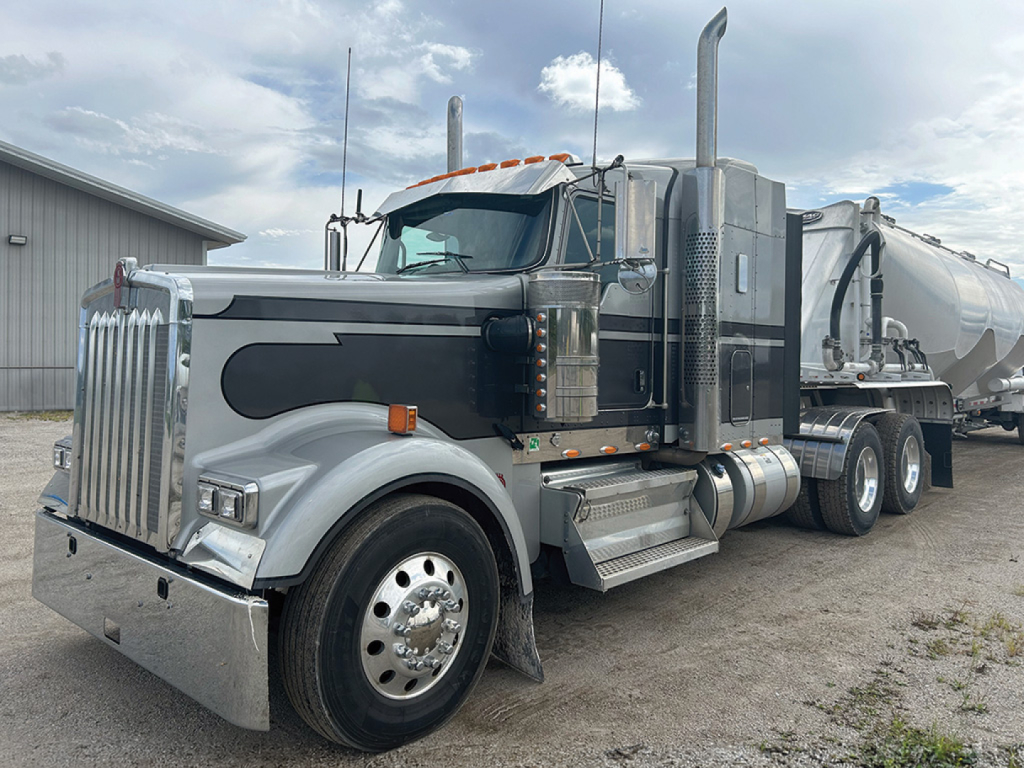
2024 Kenworth W-900L AeroCab
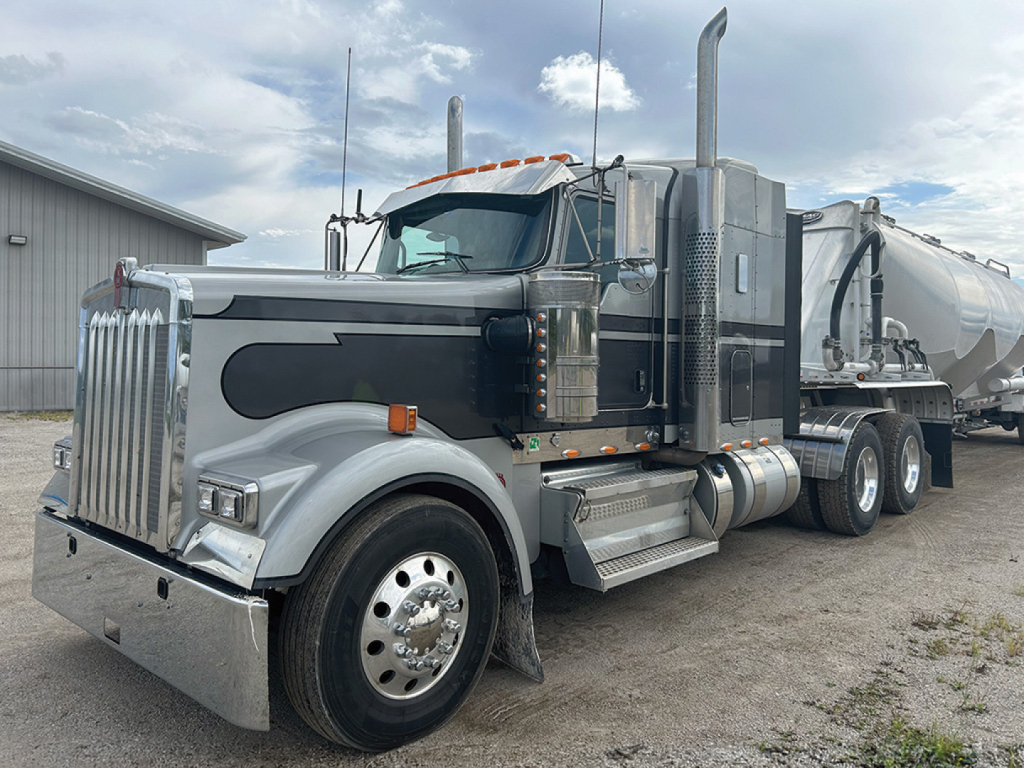
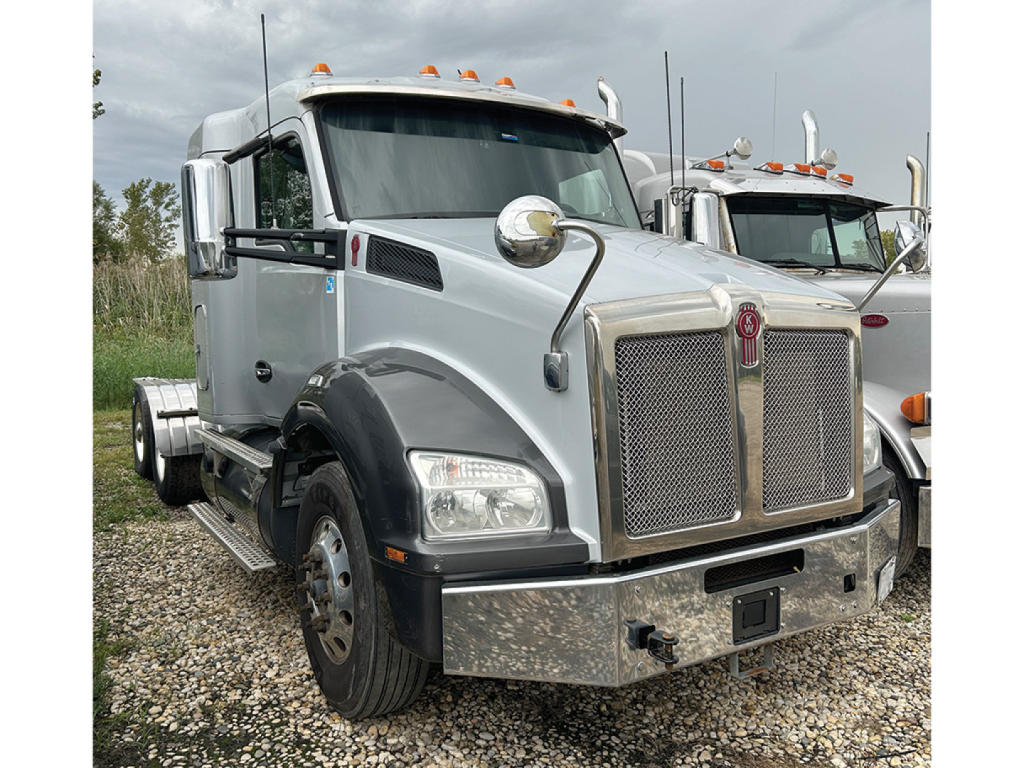
Showing 1 to 28 of 3,475 results
Have commercial truck to sell? List it here to reach thousands of buyers.
Commercial Trucks in North Dakota
Vocational trucks often carry the most job-specific value. A front loader or side loader refuse truck, for example, is built around body capacity, hopper design, packer performance, and cab visibility as much as the chassis itself. Cab-over models like the Peterbilt 320 are common in refuse and municipal work because they offer tight turning radius, excellent sightlines, and easier operation in alleys, transfer stations, and urban pickup routes. Other truck types in this category may be spec'd with tandem axles for payload, locking differentials for poor road conditions, or automatic transmissions for stop-and-go duty cycles. If the truck will run year-round in North Dakota, inspect corrosion points, heater and defroster performance, battery setup, and any hydraulic systems exposed to severe cold.
Powertrain choices vary widely across the truck market, so matching the spec to the work is the real buying decision. Medium-duty trucks may use diesel engines in the 200 to 350 horsepower range for city and utility work, while heavier vocational or highway trucks can run well above that depending on body, terrain, and legal weight. Transmission type, rear-end ratio, and suspension setup all affect drivability and operating cost. Air ride can improve ride quality and protect sensitive loads, while spring suspension may be preferred for severe service. For trucks with specialized bodies or attachments, confirm PTO operation, hydraulic pump condition, electrical integration, and remaining service life of wear items such as brakes, tires, bushings, and steering components.
A good truck purchase is less about brand alone and more about how the spec matches the route, load, and maintenance plan. In North Dakota, buyers should pay attention to hours as well as miles on vocational units, especially trucks that idle heavily or spend most of their life in low-speed operation. Service records, emissions system history, frame integrity, and body or equipment compatibility are usually more important than cosmetic condition. The strongest candidates in this category are the trucks that can go to work with minimal reconfiguration, have axle and body ratings that fit the intended use, and show evidence of consistent fleet maintenance.
Frequently Asked Questions about Commercial Trucks in North Dakota
What should I look for first when comparing trucks for sale in North Dakota?
Start with the intended application, then verify axle ratings, wheelbase, PTO requirements, and cold-weather readiness. In North Dakota, winter reliability is a major factor, so buyers should pay attention to batteries, block heater setup, starting performance, heater output, and hydraulic operation in low temperatures. Rust and corrosion on the frame, crossmembers, wiring, and body mounts also deserve close inspection, especially on municipal or snow-exposed equipment.
Are cab-over trucks a good choice for vocational work?
Cab-over trucks are often an excellent choice for refuse, municipal, and urban route work because they offer a short overall length, sharp maneuverability, and strong forward visibility. Models such as the Peterbilt 320 are commonly used for front load and side load applications where frequent stops and tight turns are part of the job. Buyers should also consider cab access, interior wear from route duty, and the condition of steering, suspension, and hydraulic systems because these trucks usually operate in demanding stop-and-go cycles.
How do miles and engine hours affect the value of a used truck?
Miles tell only part of the story. Vocational trucks often accumulate high engine hours with relatively low mileage because they spend much of their time idling, operating PTO-driven equipment, or working at low speed. A truck with modest miles but very high hours may show wear in the engine, cooling system, hydraulics, and emissions components comparable to a higher-mile unit. Buyers should review both readings together and compare them against maintenance records and overall condition.
What specs matter most on a vocational truck?
The most important specs are usually GVWR, front and rear axle ratings, wheelbase, suspension type, transmission, PTO capability, and body compatibility. For application-specific trucks such as garbage, dump, or utility units, body manufacturer, hydraulic setup, packer or hoist condition, and legal payload capacity are just as important as the engine and chassis brand. A truck that is correctly spec'd for the job will typically perform better, wear more evenly, and cost less to operate over time.
Should I prioritize engine make or overall maintenance history?
Maintenance history usually matters more than engine badge alone. A well-maintained truck with documented service, consistent fluid changes, emissions repairs, and regular brake and suspension work is often a better buy than a neglected truck with a more desirable nameplate. For used trucks in working fleets, evidence of routine inspections, repair records, and proper upkeep of the chassis and body equipment gives a clearer picture of remaining service life than brand reputation by itself.