
Commercial Trucks For Sale Near Newfield, New Jersey

Have commercial truck to sell? List it here to reach thousands of buyers.
Commercial Trucks Near Newfield, New Jersey
Powertrain choices in this market usually center on diesel engines from Cummins, Detroit, PACCAR, or similar heavy-duty platforms, paired with automatic or automated transmissions such as Allison automatics or automated manuals. For vocational trucks, buyers should pay close attention to horsepower, torque, PTO setup, suspension type, and rear axle ratio, since those details affect launch, gradeability, and PTO-driven equipment performance. On dump and vacuum trucks, look closely at frame condition, body hoist operation, hydraulic systems, pump hours if available, and signs of corrosion around crossmembers, tank mounts, or body sills. On tractors and wetline-equipped units, verify if the truck has the correct hydraulic plumbing, reservoir capacity, and control setup for the trailer or body you plan to run.
New Jersey operating conditions also make rust, emissions compliance, and maneuverability important buying factors. Trucks that have spent time on municipal, utility, or contractor duty may show wear from salt exposure, stop-and-go service, and long idle time, even when miles look reasonable. A local buyer should inspect brake condition, suspension bushings, steering play, tire wear patterns, and any evidence of frame repairs or body replacement work. Specialty units such as attenuator trucks, heavy wreckers, and vac trucks need an extra layer of scrutiny because the chassis may be sound while the revenue-producing body or equipment requires expensive repairs. Service records, PTO engagement, warning systems, lighting packages, and working hydraulics can matter more than cab cosmetics.
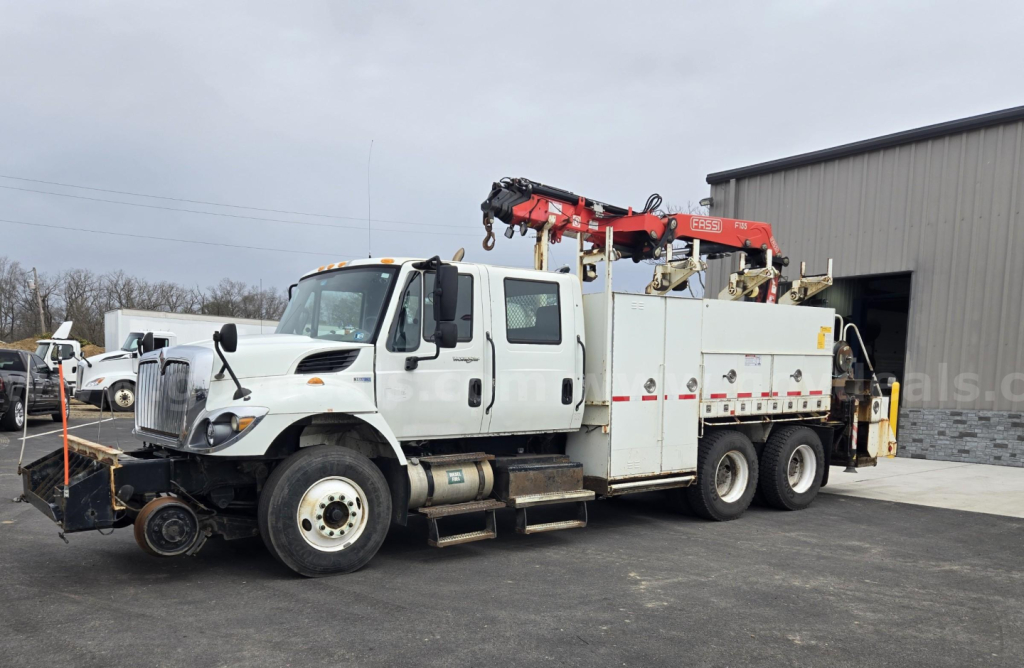
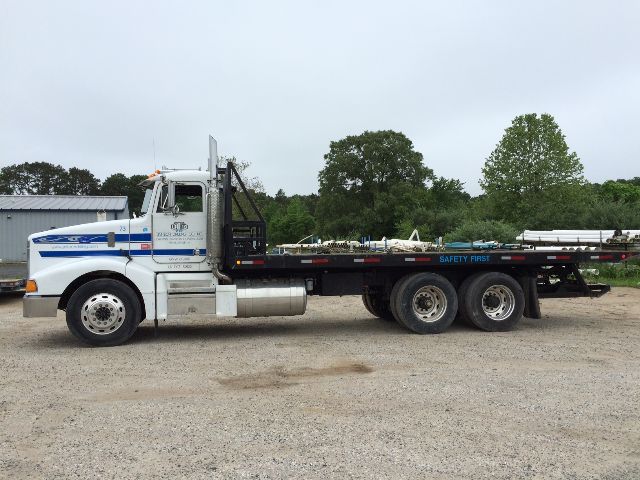
A good truck purchase in this category comes down to matching the chassis to the work. GVWR, wheelbase, axle rating, body length, and cab style should fit the route, payload, and jobsite access you deal with every day. A day cab tractor may be right for regional hauling or equipment moves, while a triaxle dump is better suited to aggregate, demolition, and paving support. Vacuum and traffic control trucks serve highly specific municipal and contractor roles, so uptime depends on both the base truck and the mounted equipment. When comparing listings, buyers usually get the best result by evaluating not just year and make, but the full operating package: engine, transmission, suspension, PTO capability, body condition, and how easily the truck can be put to work.
Frequently Asked Questions about Commercial Trucks Near Newfield, New Jersey
What should I look for first when comparing different types of used trucks?
Start with the intended job, then verify that the truck’s configuration supports it. The most important factors are GVWR, axle setup, wheelbase, body or equipment type, engine and transmission pairing, and PTO or hydraulic capability if the truck will power vocational equipment. A truck can have a strong drivetrain and still be a poor fit if the axle ratings, body dimensions, or upfit do not match your workload.
Are automatic transmissions a good choice in vocational trucks?
Yes, especially in dump trucks, tow trucks, vacuum trucks, and traffic management units that spend time in stop-and-go service or operate with multiple drivers. Allison automatic transmissions are common because they reduce driver fatigue, improve low-speed control, and work well with PTO-driven applications. Buyers should still confirm service history, shift quality, fluid condition, and that the transmission is correctly matched to the engine’s torque rating and intended load.
What matters most on a used dump truck?
Payload capacity and body condition are the two biggest concerns, followed closely by frame integrity and hydraulic performance. Check whether the truck is tandem or triaxle, inspect the hoist, hinges, tarp system, and body floor, and look for cracks, heavy patching, or corrosion around mounts and crossmembers. Tire condition, suspension wear, and rear axle ratings also matter because a dump truck’s earning potential depends on legal payload and dependable operation under load.
How do I evaluate a used tow truck or heavy wrecker?
On a wrecker, the towing equipment is just as important as the chassis. Buyers should confirm boom rating, underlift capacity, winch operation, hydraulic response, fork package, and any signs of structural fatigue around the body and recovery gear. Rear suspension, axle capacity, brake condition, and frame reinforcement should also be checked carefully because heavy recovery work puts far more stress on the truck than normal highway use.
Why do specialty trucks like vacuum or attenuator units need extra inspection?
Specialty trucks combine a commercial chassis with expensive mounted equipment, so repair exposure can be much higher than on a standard tractor or straight truck. A vacuum truck needs its pump, tank, valves, seals, and dumping system to function properly, while an attenuator truck depends on the crash cushion system, lighting, controls, and counterweight design. Even when the engine and transmission run well, downtime and repair costs can rise quickly if the specialty equipment is incomplete, damaged, or difficult to service.