
Trucks For Sale Near Newbury Park, California
Browse trucks for sale in Newbury Park, CA, including cargo, refrigerated, and service trucks with specs that fit local delivery and fleet use.
Learn more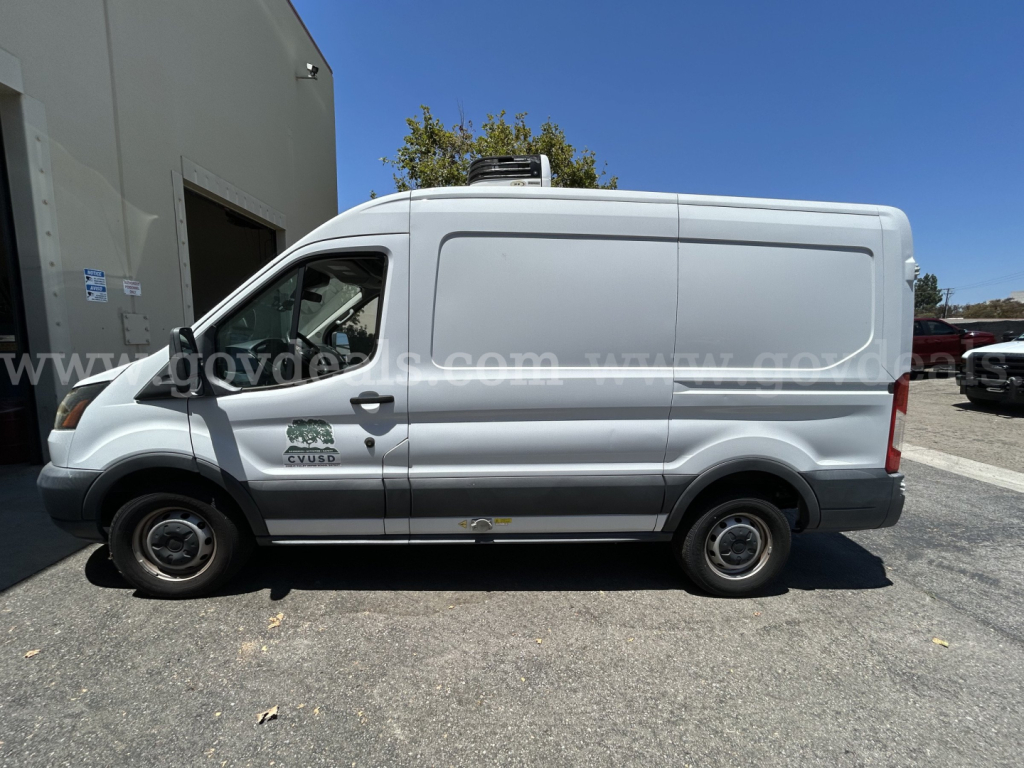
Have truck to sell? List it here to reach thousands of buyers.
About Trucks Near Newbury Park, California
For lighter commercial work, buyers often compare Class 1 through Class 4 trucks for maneuverability, fuel cost, and CDL requirements. Popular configurations include cargo vans for parcel and contractor work, cutaway box trucks for furniture or route delivery, and refrigerated trucks for food, floral, pharmaceutical, or catering operations. On reefer units, key items include insulation condition, evaporator performance, standby electric capability, temperature pull-down, and hours on the refrigeration unit. If the truck will spend time on local routes with frequent stops, look closely at door seals, bulkhead layout, floor condition, and how easily the cargo area can be cleaned and maintained.
On heavier vocational trucks, the buying decision usually centers on frame strength, suspension, PTO capability, and body equipment. Dump trucks, flatbeds, stake beds, hooklifts, and utility trucks each bring different spec priorities. Engine and transmission pairing matters, but so do brake type, wheelbase, front axle capacity, rear axle ratio, and upfit quality. Buyers in California should also confirm CARB compliance, diesel emissions equipment status, and any local operating restrictions that may affect where the truck can run. Service history, idle hours, corrosion around body mounts, and wear in high-cycle components often tell more about future operating cost than odometer mileage alone.
A good truck match comes down to duty cycle, loading method, and total cost of ownership. Short wheelbase trucks are easier to place in congested areas, while longer wheelbase units can improve body capacity and load distribution. Diesel remains common in heavier classes, while gas engines are often favored in lighter urban applications for lower acquisition cost and simpler maintenance. Buyers comparing trucks for sale should focus on payload after upfit, cab comfort for driver retention, visibility, turning radius, and the availability of replacement parts for both chassis and body equipment. The best value is usually the truck that is correctly spec'd for the work, not simply the newest or lowest-priced unit.
Frequently Asked Questions
What should I look for first when buying a used commercial truck?
Start with the truck’s intended job. The right GVWR, body type, wheelbase, and payload capacity matter more than brand preference alone. After that, review engine and transmission pairing, maintenance history, tire and brake condition, suspension wear, and signs of frame or body corrosion. On specialty trucks, inspect the upfit closely because refrigeration systems, dump bodies, liftgates, PTO-driven equipment, and service bodies can add major repair cost if neglected.
Are refrigerated trucks different from standard cargo trucks?
Yes. A refrigerated truck includes an insulated body and a reefer unit designed to hold a target temperature during transport. Buyers should inspect insulation integrity, door seals, floor drains if equipped, evaporator and condenser condition, reefer operating hours, and standby electric capability when present. Temperature consistency and pull-down performance are usually more important than chassis mileage alone because cargo protection depends on the refrigeration system working correctly under load.
Do I need a CDL to operate a truck in this category?
That depends on the truck’s gross vehicle weight rating and how it is equipped. Many cargo vans and lighter box trucks fall below the CDL threshold, while medium-duty and heavy-duty trucks may require a commercial driver’s license. Air brakes, passenger capacity, and hazardous materials use can also affect licensing requirements. Buyers should verify GVWR, GCWR, and intended use before purchase so the truck matches available drivers and operating plans.
What matters most for local delivery trucks in California?
For local delivery, maneuverability, door access, fuel or energy cost, and emissions compliance are usually top priorities. A shorter wheelbase can help in tighter streets and loading zones, while low step-in height and good visibility improve route efficiency. In California, buyers should also confirm current emissions requirements and make sure the truck can legally operate in the areas where it will be dispatched. For multi-stop work, stop-start durability and ease of cargo access often matter more than highway cruising performance.
How do I compare value between two trucks with different specs?
Compare usable payload, body condition, maintenance history, drivetrain suitability, and expected repair exposure instead of looking at price or mileage alone. A lower-mile truck with the wrong axle ratio, weak payload margin, or expensive emissions issues may cost more over time than a higher-mile unit that is properly spec'd and well maintained. The best comparison is cost per year of expected service, including fuel, maintenance, downtime risk, and how well the truck fits the intended route or jobsite.