
New Other Trucks For Sale
Shop new specialty trucks including propane bobtails, septic service trucks, and other vocational upfits built for demanding delivery and field work.
Learn moreBrowse Other Trucks by Make

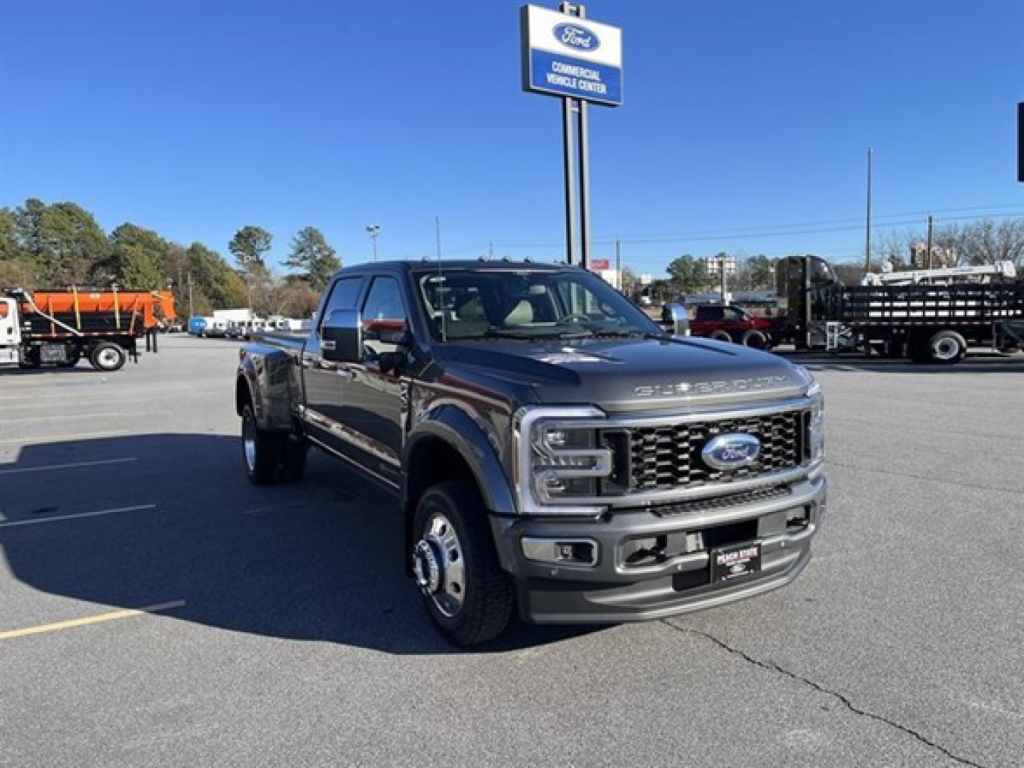
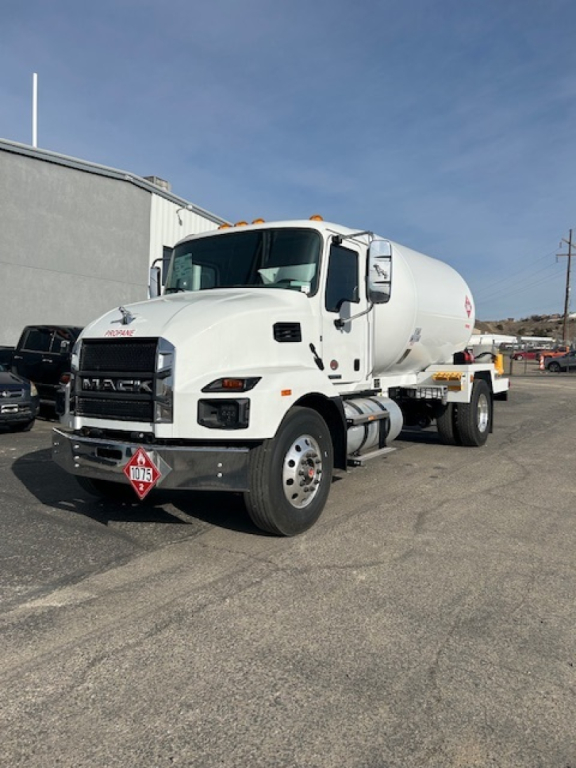
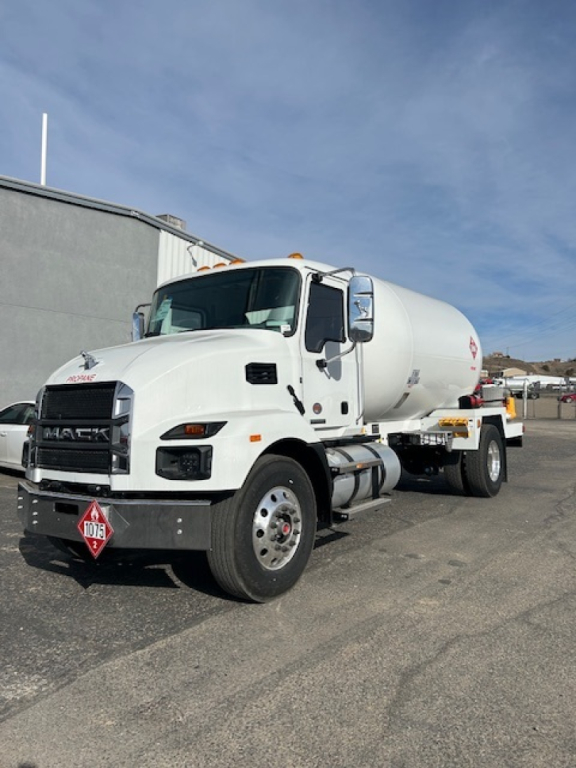
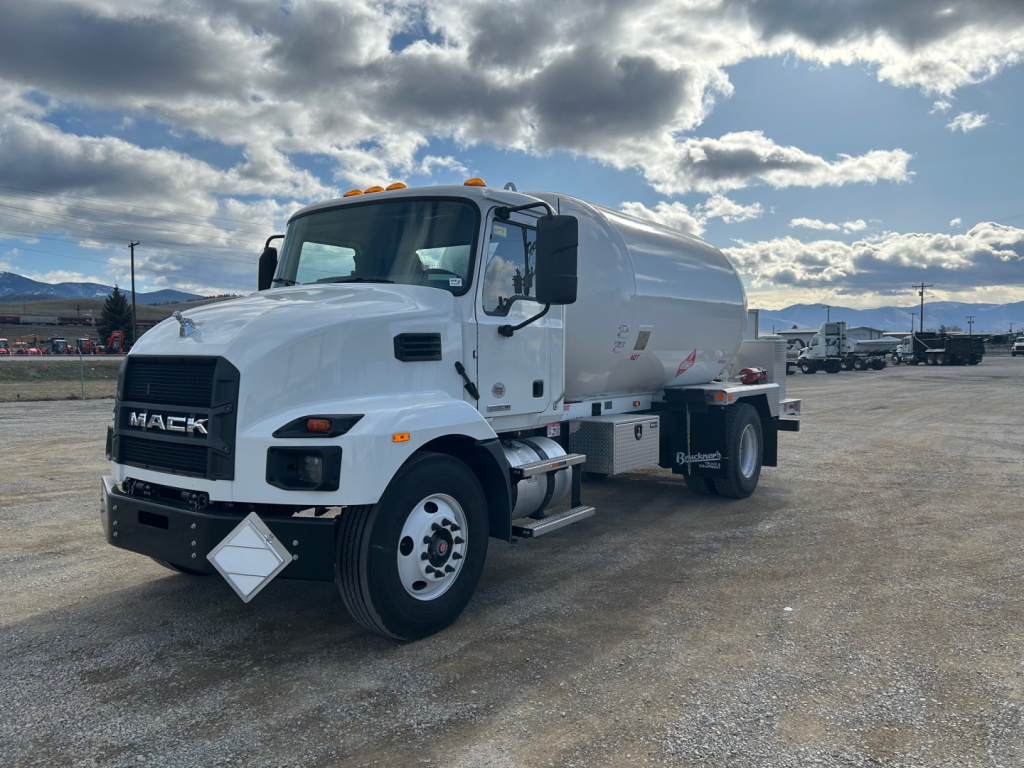
Have new other truck to sell? List it here to reach thousands of buyers.
About New Other Trucks
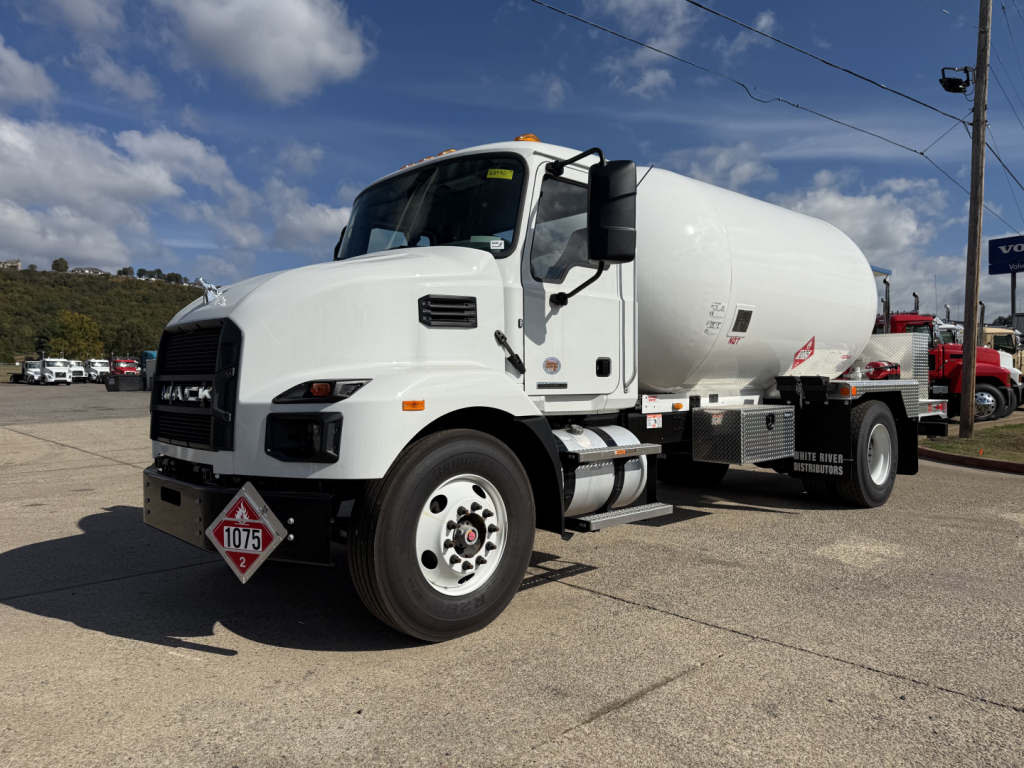
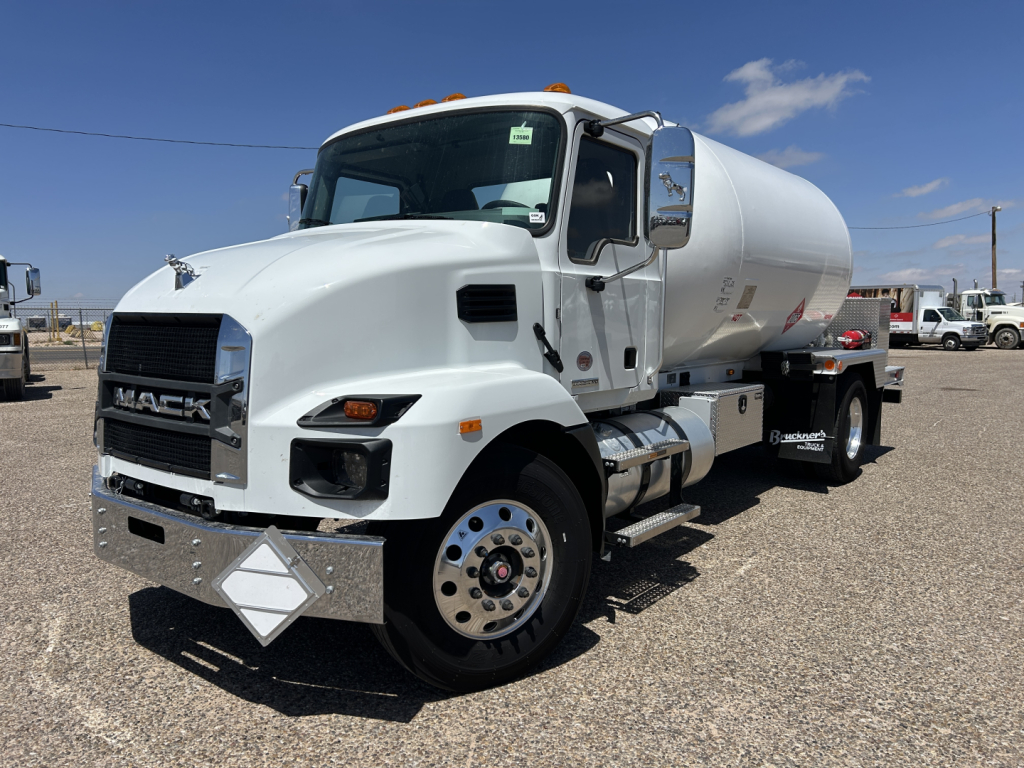
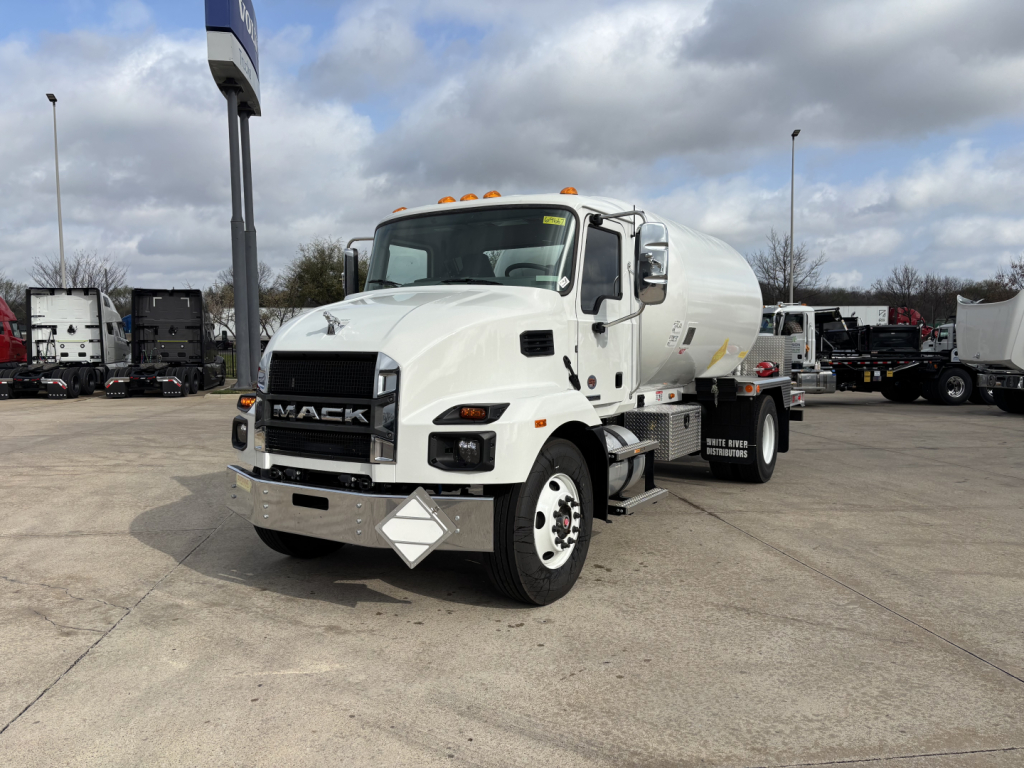
For propane delivery trucks, common configurations include 3,200 to 3,400 gallon bobtails on Class 6 or Class 7 chassis with diesel power and automatic transmissions built for stop-and-go routing. A typical spec in this segment is a Cummins 6.7L paired with an Allison 2500 or 3000 RDS, plus single rear axle ratings around 21,000 lbs and GVWRs in the low 30,000 lb range. Metering and delivery hardware matter as much as horsepower. Buyers usually compare tank builder reputation, liquid controls, hose reel brand, open-deck layout, and rear axle ratio for route terrain and seasonal demand. Payload, maneuverability, and service access are the key tradeoffs.
For septic and vacuum service trucks, the body spec should drive the decision. Important details include waste and fresh water capacity, vacuum pump model, pressure capability, hose storage, toolbox placement, sight glasses, manway access, and rear work lighting. A truck with a dual-compartment tank, reliable vacuum-pressure pump, and practical hose management will usually outperform a cheaper build that looks similar on paper. Wheelbase, brake type, suspension, and hitch provisions also affect daily usability, especially on mixed paved and rural routes. If the truck will see residential service, tighter wheelbase and easier curbside access can matter more than maximum capacity.
Across the category, new vocational trucks appeal to buyers who want current emissions systems, warranty coverage, clean body condition, and an upfit that is ready for immediate commercial service. Mack MD6 and MD7 chassis are common examples in this class, but the right decision depends on legal weight, product density, route length, pump duty cycle, and operator preference. When comparing listings, verify axle ratings against full payload, check that the transmission matches the PTO and operating pattern, and confirm the body equipment is compliant with your local inspection, hazmat, or environmental requirements. In specialty truck categories, small spec differences have a direct effect on uptime and profitability.
Frequently Asked Questions
What is included in the “other trucks” category?
The other trucks category usually includes specialty vocational trucks with dedicated commercial upfits that do not fall into standard body-style groups. Common examples are propane bobtails, septic service trucks, vacuum trucks, and niche delivery or service units built around a specific industry task. The chassis is important, but the tank, pump, meter, hose, storage, and body layout are usually the primary buying factors.
What should I check first when buying a new propane bobtail truck?
Start with tank capacity, legal payload, and the delivery system specification. Buyers should verify the tank manufacturer, gallon rating, meter and register package, hose reel brand, deck configuration, and whether the chassis GVWR and axle ratings support the intended operating weight. Engine and transmission matter too, but a propane truck earns its keep through reliable metering, safe product handling, and efficient route performance.
How do I choose the right septic service truck specification?
Match the tank and pump package to the type of service work you perform most often. Waste capacity, fresh water capacity, vacuum pump output, hose length, pressure capability, and storage layout all affect daily productivity. Residential and portable toilet routes may favor a more compact wheelbase and versatile compartment layout, while higher-volume commercial work may justify larger tank capacity and heavier-duty pump equipment.
Why are Allison automatic transmissions common in these trucks?
Allison automatics are widely used in vocational trucks because they handle repeated starts, low-speed maneuvering, and PTO-related duty cycles well. In propane delivery, septic, and service applications, the truck may spend much of the day in stop-and-go operation rather than steady highway cruising. An automatic transmission can improve driver consistency, reduce fatigue, and help protect driveline components in demanding route work.
Are axle ratings and wheelbase really that important on specialty trucks?
Yes. Specialty truck bodies add concentrated weight, and the body equipment often changes how that weight is distributed across the chassis. Front axle rating, rear axle rating, wheelbase, and rear ratio all affect legal loading, turning radius, ride stability, and how the truck performs on local routes. A truck can have the right tank or body equipment but still be a poor fit if the chassis dimensions and axle capacities do not match the job.