
New 2025 Trucks For Sale
New 2025 trucks, including day cabs, sleepers, box and reefer trucks, with specs for powertrain, tare weight, floor strength, and corrosion protection.
Learn morePopular Trucks Categories
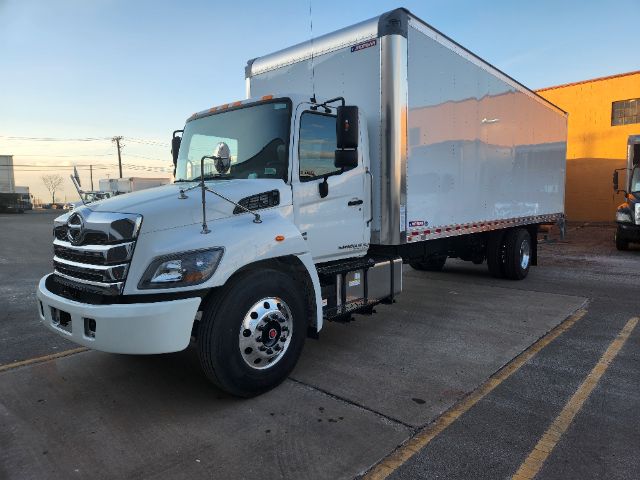
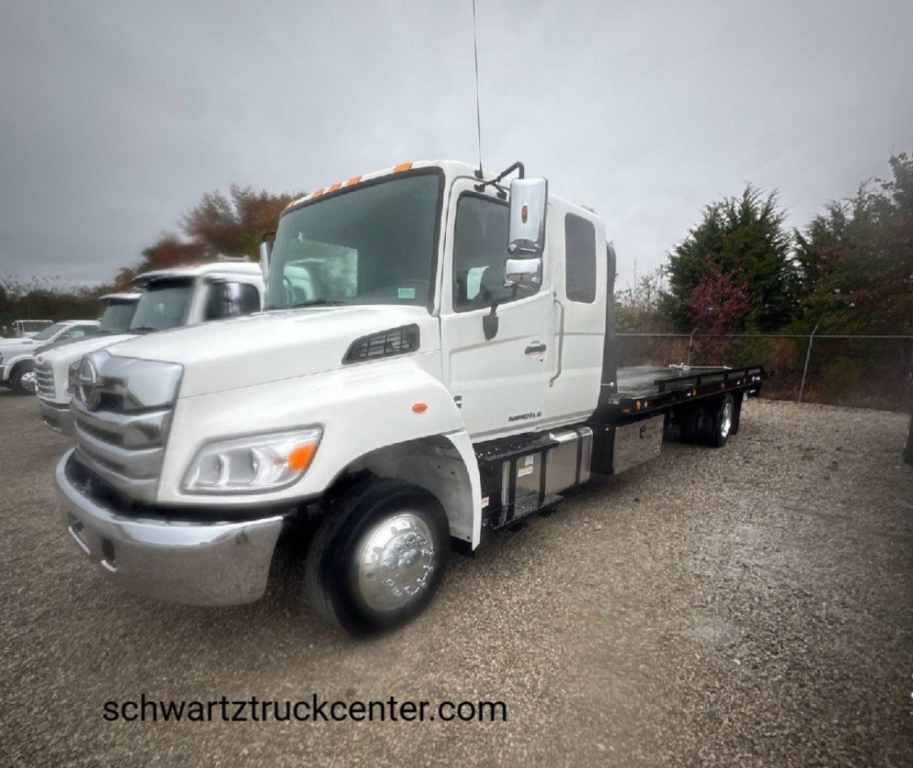
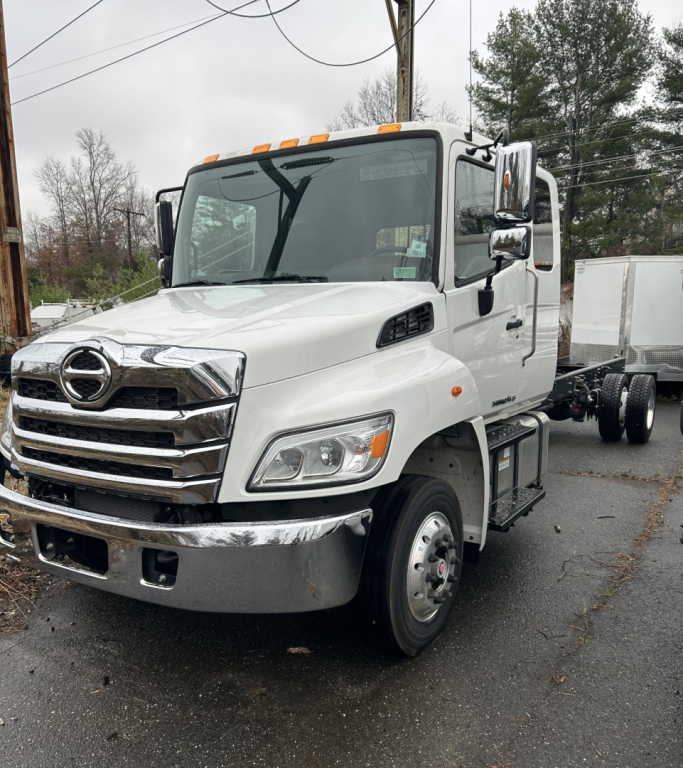
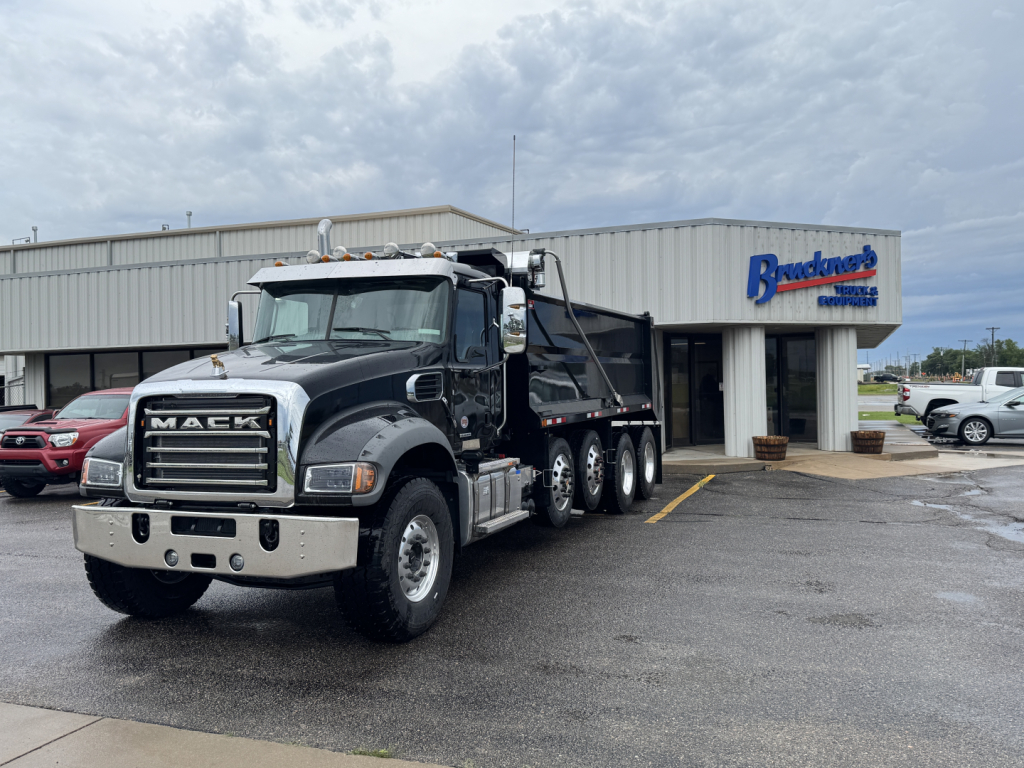
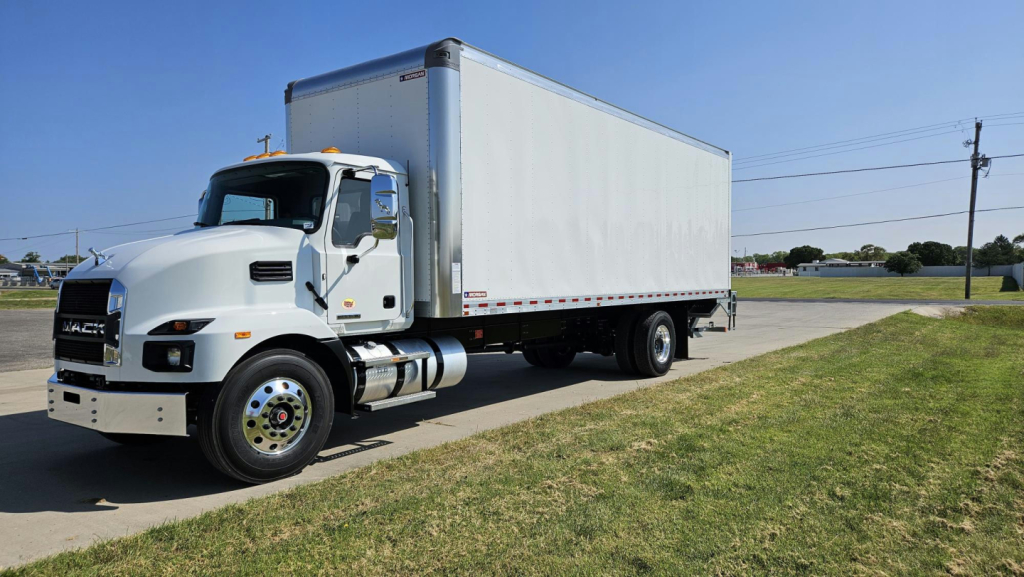
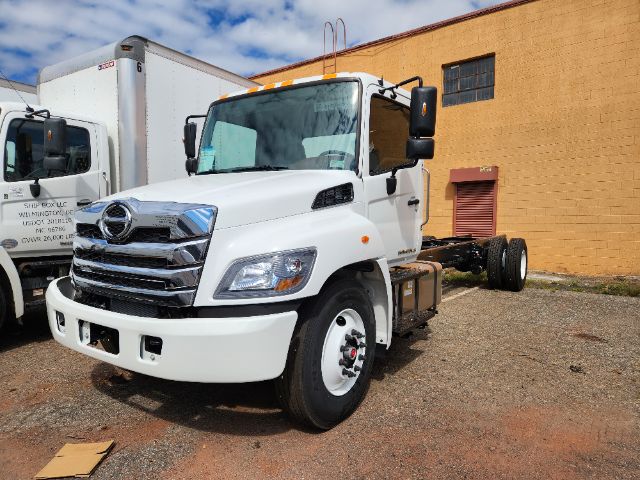
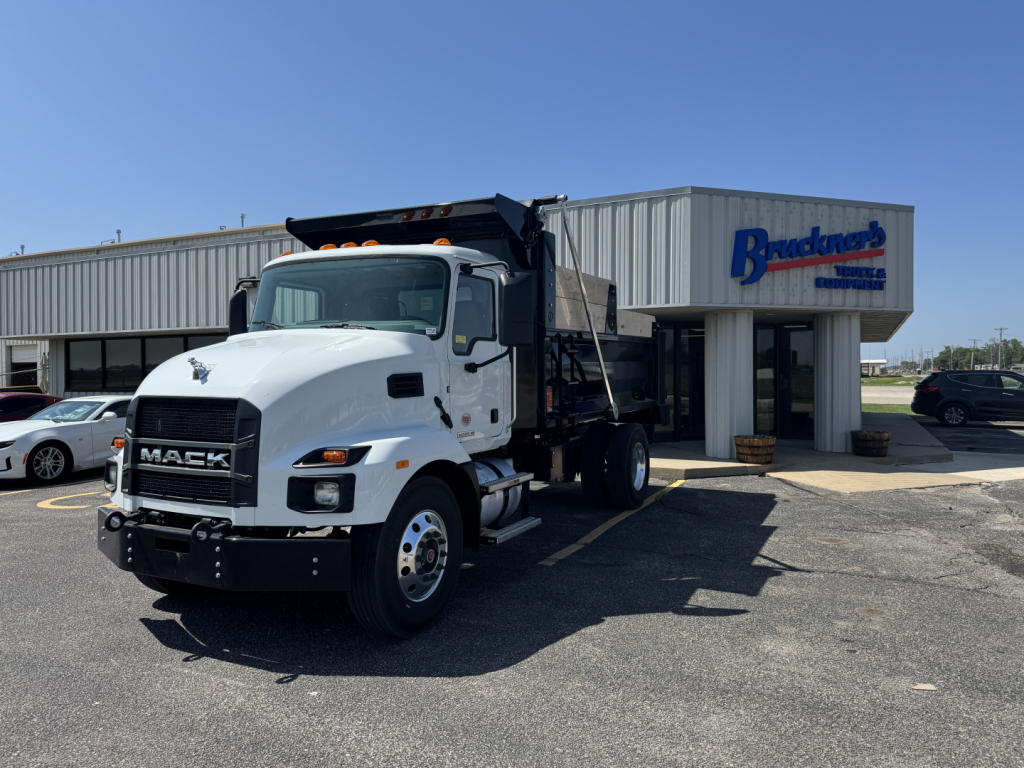
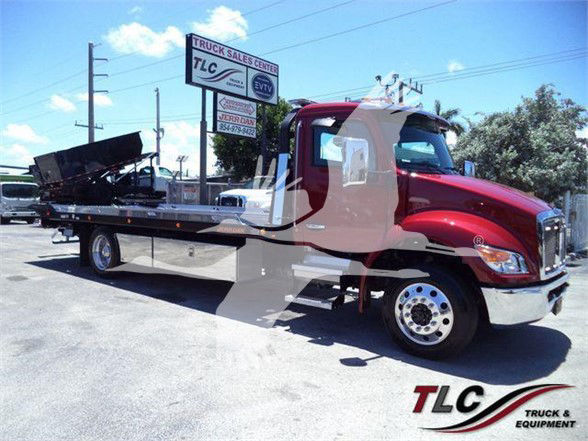
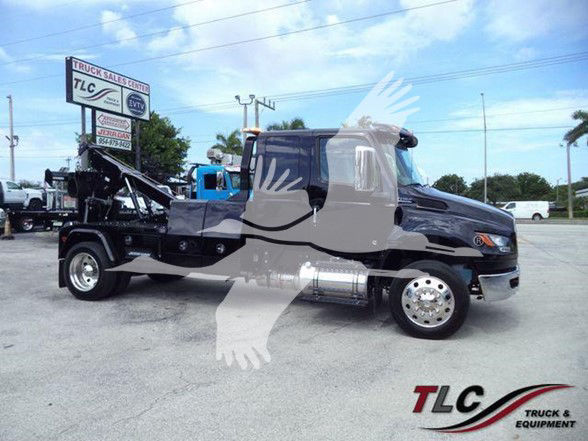
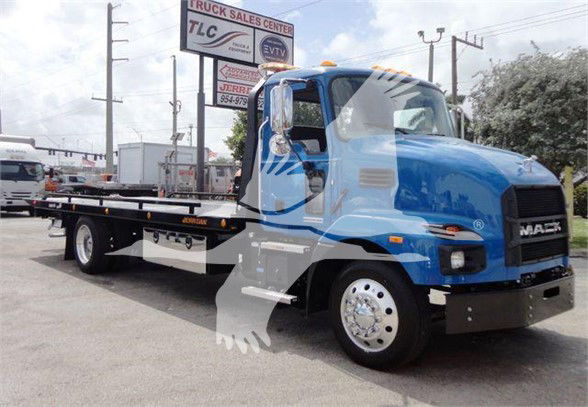
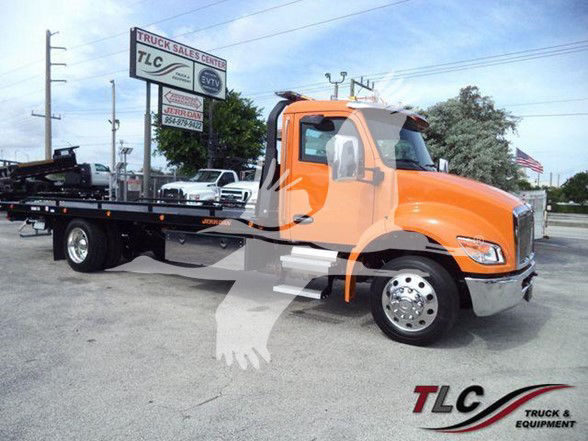
Showing 133 to 144 of 162 results
Have new 2025 truck to sell? List it here to reach thousands of buyers.
About New 2025 Trucks
Chassis durability and corrosion protection are critical on a 2025 semi truck or straight truck. Look for e coated frames with zinc rich primers, aluminum or composite cabs, stainless or coated fasteners, sealed Deutsch electrical connectors, and protected harness routing along the frame. Air disc brakes shorten stopping distances and simplify maintenance; hub sealed bearings and extended life brake linings reduce touch points. Tare weight can be lowered with aluminum wheels, air ride suspensions with optimized crossmembers, and smaller but higher efficiency cooling packages, but keep an eye on axle ratings, ride quality, and residual value as you delete steel components.
For box and reefer trucks, floor strength and thermal integrity drive lifecycle cost. Hardwood or laminated oak floors are forgiving under pallet jacks and are commonly rated for 18,000 to 24,000 pound forklift axle loads, aluminum duct floors improve airflow for reefers and resist moisture but can transmit impact if unsupported. Specify heavy threshold plates, steel rear sills, full length scuff liners at 12 to 24 inches, and logistic tracks that match your freight pattern. Thermal performance comes from foam in place insulation with high closed cell content, thermal breaks at posts and sills, quality door seals, insulated bulkheads for multi temp, and smooth interior liners that reduce moisture trapping; better thermal integrity lowers fuel burn on the TRU and preserves product temperature during stops.
Spec to the route and payload. Match engine torque and transmission ratios to GCWR, target cruise rpm at your governed speed, and choose axle ratios that hold top gear on grade without constant downshifts. Decide between 6x4 and 6x2 based on traction needs; 6x2 or liftable pusher configurations and wide base singles save weight and rolling resistance, but require traction management and may affect bridge compliance in some states. For sleepers, consider inverter ready electrical, factory idle reduction or APU, and HVAC efficiency that cuts hotel idling. Battery electric 2025 trucks fit short haul and urban duty cycles where daily miles are predictable; they add tare weight and demand charging access, but regenerative braking and reduced maintenance can offset part of the payload trade.
Frequently Asked Questions
How should I spec a 2025 tractor powertrain for fuel economy without sacrificing performance?
Start with the route speed and GCWR, then target cruise rpm in top gear within the engine’s peak torque band. Pair an integrated engine and automated manual transmission with a downsped axle ratio, for example mid to low twos for highway work, and use predictive cruise and adaptive cruise to hold torque efficiently on rolling terrain. Choose the lowest horsepower that meets your gradeability and startability targets, verify the rear axle and driveline torque ratings, and confirm cooling capacity for your climate and trailer frontal area.
What floor construction and rating should I choose on a 2025 box or reefer truck?
Match the floor to your handling equipment and freight density. Laminated hardwood floors tolerate point loads from pallet jacks and mixed freight, and common forklift axle ratings are 18,000 to 24,000 pounds when crossmembers and sills are spec’d correctly. Aluminum duct floors improve airflow and sanitation for refrigerated cargo, but need proper support spacing and robust rear threshold protection. Add full length scuff liners, heavy duty rear sills, and dock bumpers, and align logistics track placement to your load securement pattern to prevent wall damage.
Which corrosion protection features matter most on 2025 trucks?
Look for e coated frames with zinc rich primers, aluminum or composite cabs, sealed electrical systems with Deutsch connectors and water shedding harness routing, stainless or coated fasteners, and protected brake lines. Powder coated or galvanized crossmembers, sealed hub components, and composite suspension bushings extend service life in deicing regions. Ask about factory rust perforation coverage, and keep up with wash practices and underbody inspections to preserve residual value.
What are the trade offs between 6x4, 6x2, and wide base singles on a 2025 semi truck?
A 6x4 provides the best all weather traction and is preferred for off pavement or severe winter operations, but it adds weight and parasitic loss. A 6x2 or a liftable pusher saves weight and fuel, and can be managed with automatic load biasing and traction control, but it requires driver awareness on slick surfaces. Wide base singles reduce rolling resistance and tare weight, yet may affect traction and chain up requirements, and in some lanes can complicate roadside service and tire replacement logistics.
Are 2025 electric trucks viable for my routes and payloads?
They fit predictable regional or urban duty cycles where daily mileage is within battery range and overnight or opportunity charging is available. Expect higher tare weight that reduces payload, balanced by regenerative braking and lower routine maintenance. Evaluate grade profiles, stop density, climate, and auxiliary loads like liftgates or reefers, and consider available incentives and utility timelines. For mixed fleets, using BEVs on short routes and high efficiency diesels on long haul can optimize total cost of ownership.