
New 2025 Trucks For Sale in Montana
Have new 2025 truck to sell? List it here to reach thousands of buyers.
New 2025 Trucks in Montana
Montana buyers usually need a truck that can handle mixed terrain, long distances between jobs, and cold-weather starts. That makes axle ratings, suspension design, and rear ratios more important than headline horsepower alone. A single-axle truck with a 33,000 lb GVWR may be the right fit for delivery, utility, or smaller dump applications, while tandem and quad-axle configurations are better suited for payload-focused jobs. Front axles in the 12,000 to 20,000 lb range and rear axle capacities from 21,000 to 46,000 lb are common on new vocational specs. Buyers comparing trucks for mountain grades or off-pavement use should pay close attention to full-locking differentials, spring versus air-ride suspensions, wheelbase, and body upfit compatibility.
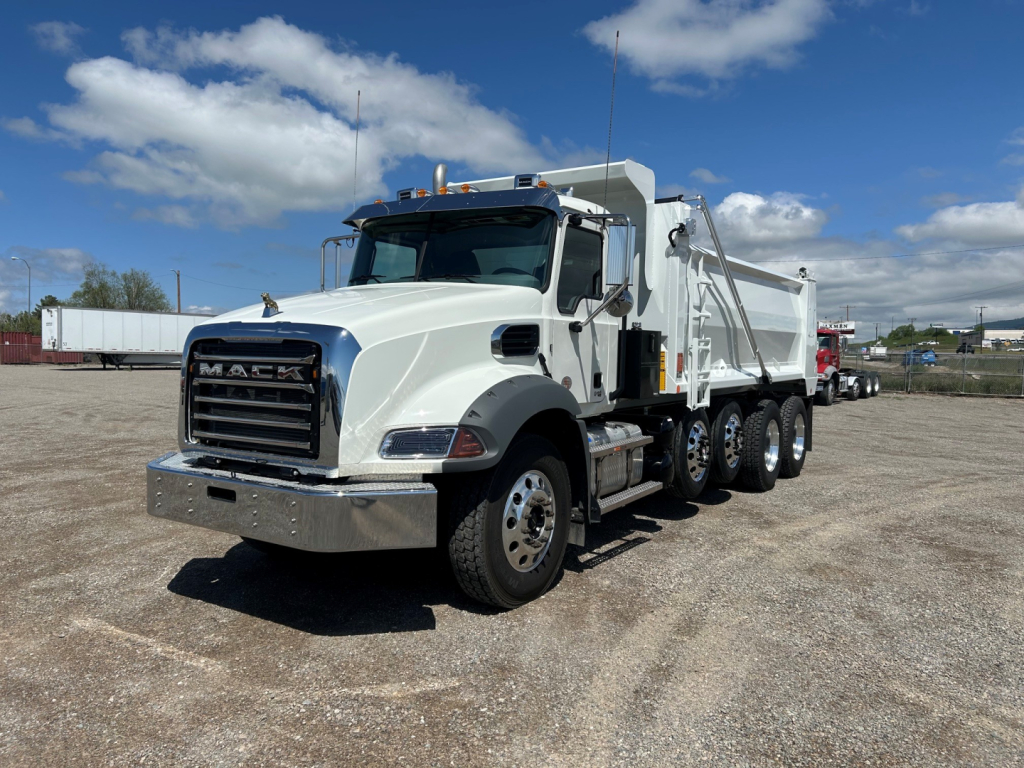
For dump truck buyers, body construction matters as much as the chassis. New 2025 dump trucks often feature steel bodies from builders like Beau-Roc, Pioneer Truckweld, Viking-Cives, or similar manufacturers, with floor thickness, side height, hoist type, tarp systems, and tailgate design all affecting productivity. Hardox or AR steel floors are common in rock, demolition, and abrasive material service. Pintle hitches, trailer plumbing, cab shields, vibrators, and electric tarps are frequent vocational options for fleets that run pup trailers or work in high-cycle hauling. A shorter wheelbase can improve maneuverability on jobsites, while a longer bridge and body combination may support higher legal payloads depending on local regulations.
Buying a new 2025 truck also means looking at emissions system support, warranty coverage, and service access for the brand in your operating area. Mack, Volvo, and other major builders offer a range of vocational chassis with factory-engineered integration for PTOs, body controls, and safety systems. Disc or drum brakes, heated mirrors, block heaters, high-back air-ride seats, and backup alarms are more than comfort items in Montana conditions. The right truck in this category is the one whose engine, transmission, axle package, and body spec match the exact duty cycle, because an overbuilt truck hurts operating cost and an under-specced truck will not last in severe service.
Frequently Asked Questions about New 2025 Trucks in Montana
What types of new 2025 trucks are most common in Montana?
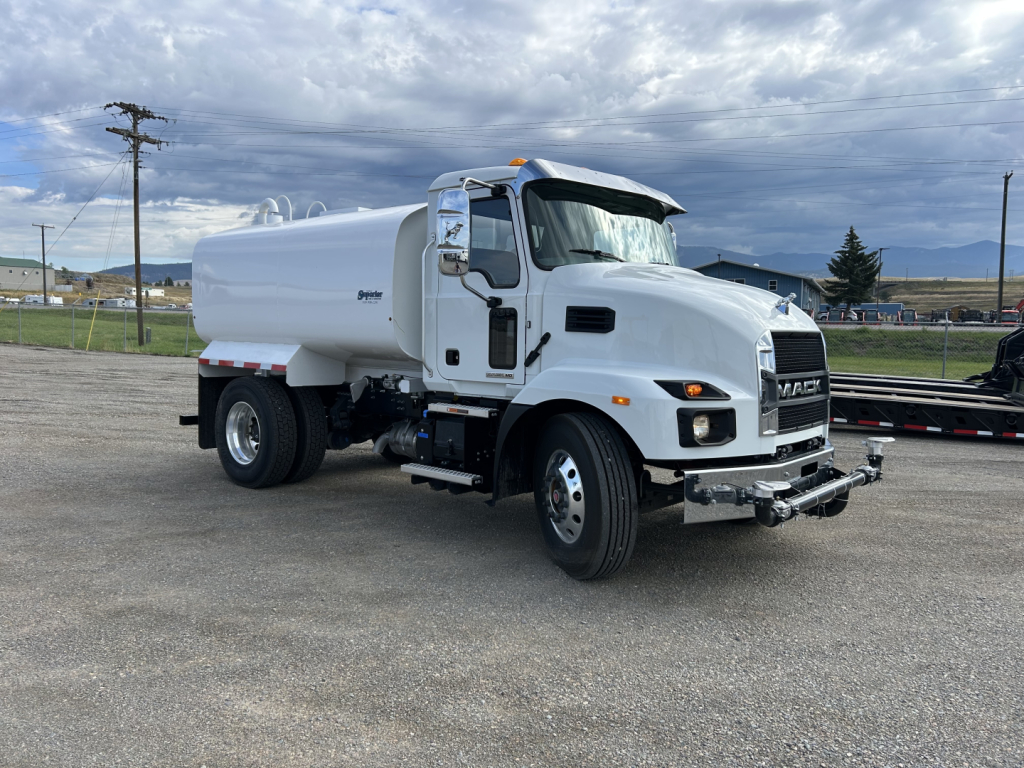
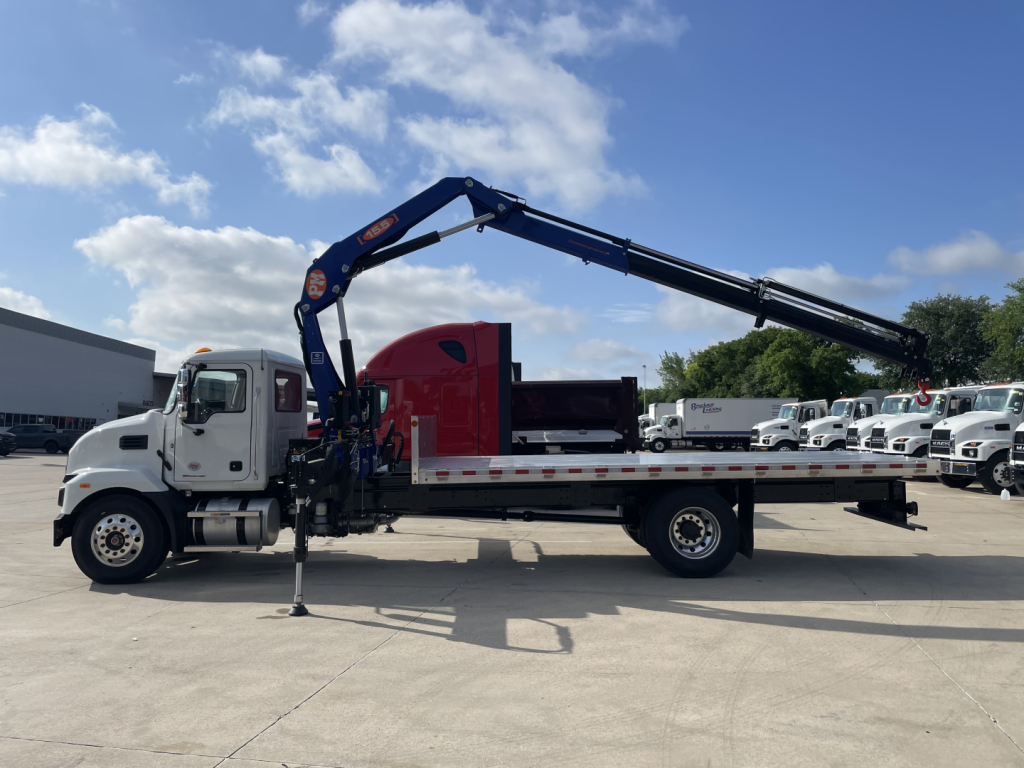
The most common new 2025 trucks in Montana are vocational dump trucks, medium-duty straight trucks, and other work-ready chassis used in construction, fuel and propane delivery, utility service, and municipal operations. Heavy-duty dump trucks are popular for gravel, excavation, and road work, while Class 6 and Class 7 trucks are often chosen for local delivery and service applications where maneuverability and lower operating cost matter more than maximum payload.
What should I look at first when comparing new 2025 trucks for sale?
Start with intended use, GVWR, axle ratings, and transmission type. Those four items will narrow the field faster than make or appearance. If the truck will run stop-and-go routes, an Allison automatic may be the better fit. If it will spend more time hauling at higher gross weights, an automated manual such as mDRIVE or I-Shift may improve efficiency and control. After that, review wheelbase, rear ratio, suspension, PTO setup, and body compatibility to make sure the truck matches the job.
Is a single-axle or tandem-axle truck better for Montana work?
It depends on payload, road conditions, and body type. A single-axle truck is often the better choice for tighter routes, lighter payloads, and medium-duty applications such as delivery or smaller dump work. A tandem-axle truck is generally better for heavier material hauling, rougher jobsites, and applications where traction, durability, and legal payload are more important. Quad-axle configurations can be useful when bridge laws and payload demands justify the added capacity.
What engine and transmission specs are common on new vocational trucks?
New vocational trucks commonly fall in the 300 to 505 horsepower range, depending on class and application. Medium-duty units often use engines like the Cummins ISB 6.7L with Allison automatic transmissions. Heavier dump and severe-duty trucks often use larger engines such as the Mack MP8 or Volvo D13 paired with automated manuals like Mack mDRIVE or Volvo I-Shift. The right combination depends on terrain, payload, PTO demands, and how much time the truck spends on-road versus off-road.
Why do body materials and dump body options matter so much?
Body construction directly affects service life, empty weight, and suitability for the material being hauled. Abrasive loads like rock, demolition debris, and riprap usually call for heavier steel such as AR plate or Hardox-type material. Buyers should also review floor thickness, side height, tailgate style, hoist design, tarp system, and hitch equipment. Those details determine how well the truck fits hauling cycles, trailer use, and jobsite demands, and they often have a bigger effect on day-to-day productivity than small differences in engine output.