
Commercial Trucks For Sale Near Naperville, Illinois

Have commercial truck to sell? List it here to reach thousands of buyers.
Commercial Trucks Near Naperville, Illinois
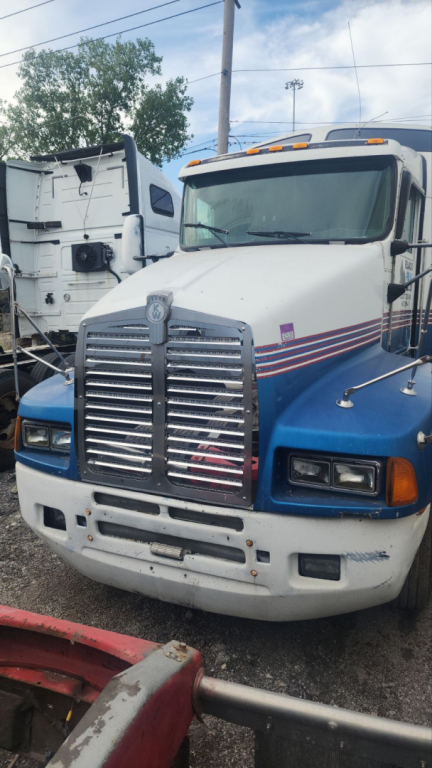
For highway tractors, the core decisions usually come down to sleeper size, engine platform, transmission type, axle ratio, and wheelbase. Common specs in this class include 4x2 and 6x4 configurations, engines such as Cummins, Paccar MX, Volvo D13, or Detroit platforms, and manual or automated transmissions in 10-speed, 12-speed, or 13-speed setups. Fuel capacity, fairing package, and roof height affect route suitability and operating cost, while suspension type and axle ratings influence ride quality and payload flexibility. A regional buyer around northern Illinois may prioritize maneuverability, cold-weather reliability, and service access, while an over-the-road buyer may focus more on sleeper comfort, fuel economy, and major component history.
For vocational trucks, especially dump trucks, body condition and upfit quality are just as important as engine and transmission specs. Buyers should pay close attention to hoist operation, PTO engagement, frame condition, crossmember rust, floor thickness, tailgate function, and any cracking around body mounts or hinge points. In the Midwest, corrosion is a real ownership factor, so rust at cab corners, underbody components, spreader systems, and hydraulic lines deserves a close inspection. Front axle capacity, spring or air suspension, brake condition, tire size, and wheelbase all affect how well a truck will handle jobsite work, plowing, aggregate hauling, or municipal duty.
Used trucks in this category are often evaluated on maintenance records, engine hours versus miles, title status, brake and tire life, and evidence of recent repairs to emissions, cooling, fuel, or aftertreatment systems. A strong listing usually gives enough detail to judge remaining service life in expensive wear items and to estimate near-term reconditioning costs. For buyers shopping trucks in Naperville and the surrounding Illinois market, it makes sense to compare not just price, but the full operating package: powertrain, axle spec, suspension, cab configuration, rust exposure, and how closely the truck matches the work it needs to do.
Frequently Asked Questions about Commercial Trucks Near Naperville, Illinois
What should I look for first when buying a used truck?
Start with the truck’s intended application and confirm that the chassis, axle configuration, engine, transmission, and cab style match the work. A sleeper tractor for highway freight should be judged differently than a dump truck or chassis cab used in construction or municipal service. After that, focus on maintenance history, miles and engine hours, tire and brake condition, signs of rust or frame damage, and any recent repairs to major systems such as cooling, fuel, transmission, or emissions equipment.
Are miles or engine hours more important on a used truck?
Both matter, but their importance depends on the truck type and duty cycle. Highway tractors are often judged heavily by total miles, service records, and component rebuild history because they accumulate mileage steadily at road speed. Vocational trucks can show lower miles but high engine hours from idling, PTO use, stop-and-go work, or jobsite operation. A truck with moderate miles and excessive hours may have more wear in the engine, aftertreatment, and PTO-related systems than the odometer alone suggests.
What is the best axle configuration for a truck?
There is no single best axle configuration because it depends on payload, terrain, and route structure. A 4x2 tractor can reduce weight and improve fuel economy for lighter highway work, while a 6x4 is more common for heavier freight, poor weather, and higher-traction applications. On dump trucks and vocational units, front axle capacity and rear axle rating are critical because legal payload, body size, and jobsite durability all depend on them. Buyers should match axle spec to the actual weight and surface conditions the truck will see.
How important is rust when buying a truck in Illinois?
Rust is a major buying factor in Illinois and throughout the Midwest because road salt can affect cab structure, frame components, brake lines, body mounts, dump bodies, and electrical connections. Surface rust may be manageable, but scaling, perforation, weakened crossmembers, rusted cab corners, and corrosion around suspension hangers or hydraulic components can lead to expensive repairs and downtime. A careful inspection underneath the truck is just as important as evaluating the cab and drivetrain.
What transmission is better in a used truck, manual or automated?
Manual and automated transmissions both have advantages, and the right choice depends on driver preference, route type, and maintenance priorities. Manual transmissions remain popular for buyers who want direct control, broad service familiarity, and simpler operation in certain vocational applications. Automated manuals can improve driver consistency, reduce fatigue, and support fuel economy in fleet-style highway work. The better choice is usually the one that fits the truck’s duty cycle and has documented service history, clean shifting behavior, and no signs of clutch or calibration problems.