
Commercial Trucks For Sale Near Nanuet, New York

Have commercial truck to sell? List it here to reach thousands of buyers.
Commercial Trucks Near Nanuet, New York
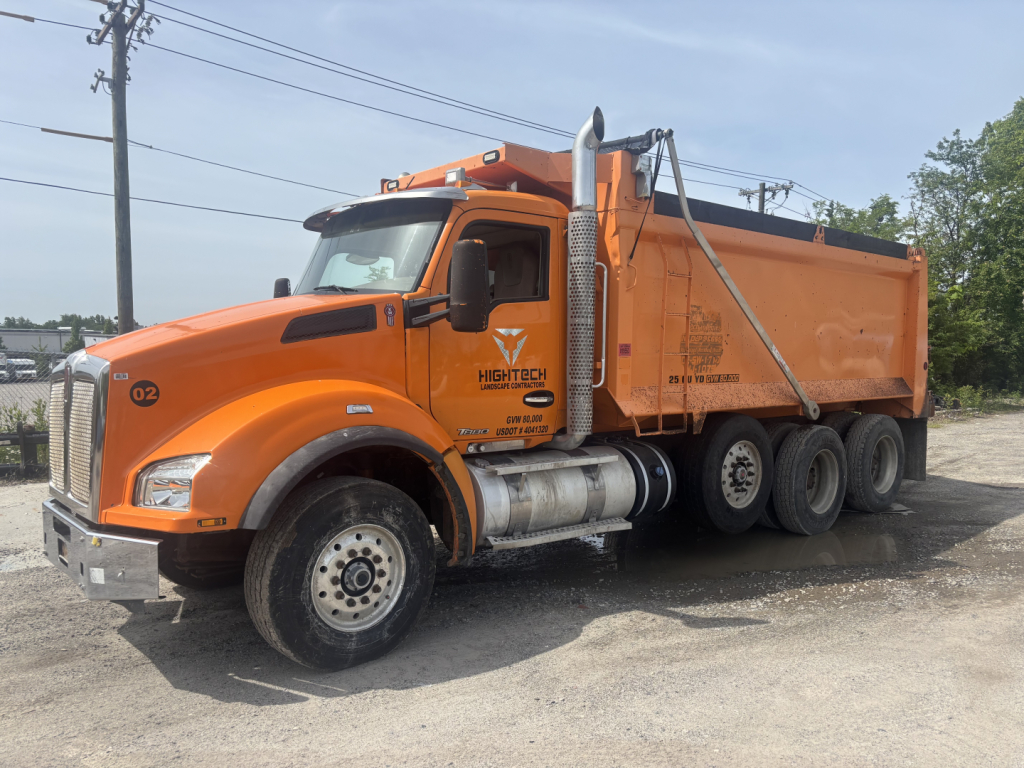
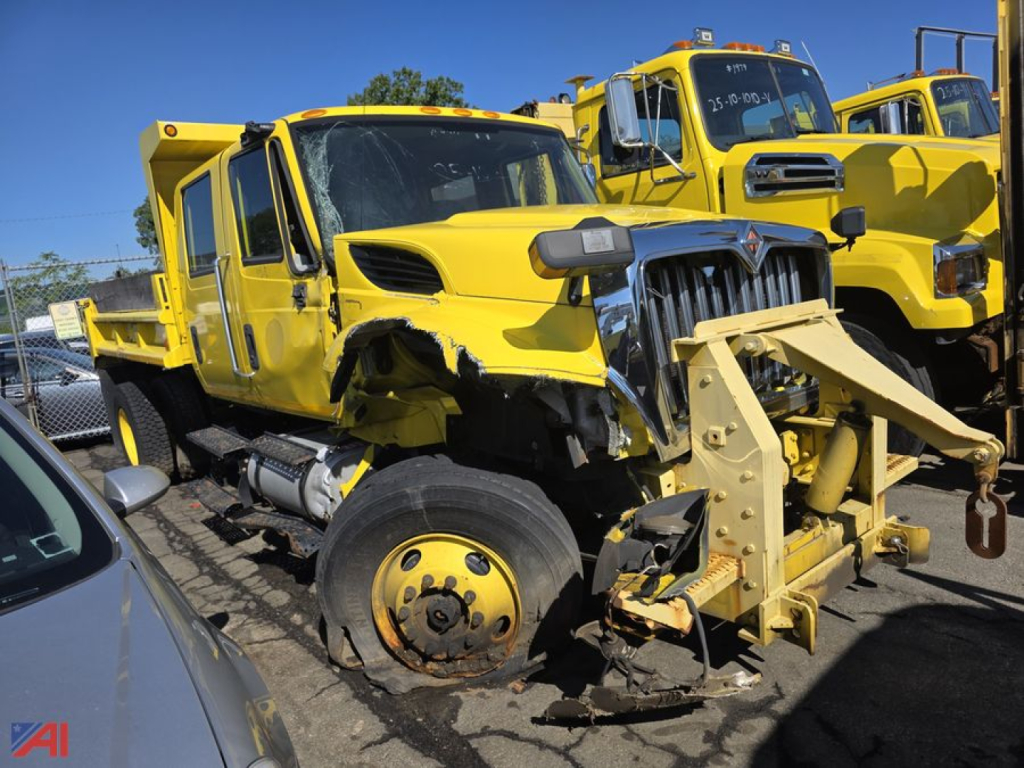
For dump truck shoppers, key specs usually start with GVWR, axle configuration, hoist type, and body material. Lighter Ford F-450 class dumps are common for landscaping, salt spreading, and local property maintenance, while heavier tandem or tri-axle trucks like a Kenworth T880 are built for aggregate, asphalt, and higher payload work. Steel bodies handle abrasive material better, while aluminum can save weight where payload matters more than impact resistance. In the Northeast, rust, frame condition, hydraulic performance, spreader or plow prep, and evidence of hard winter service deserve close attention.
Service trucks, also known as utility body trucks, are usually selected around storage layout, payload capacity, and power needs on the jobsite. A buyer should check compartment configuration, crane or compressor compatibility, fuel type, wheelbase, and cab style. Pickup-based service trucks such as an F-350 can work well for electricians, telecom crews, building maintenance, and smaller contractor fleets. Medium-duty utility chassis can offer better payload margins and longer body life when the truck carries generators, welders, or heavier tooling every day. In used vocational trucks, idle hours, body corrosion, PTO function, and evidence of upfit quality matter almost as much as engine mileage.
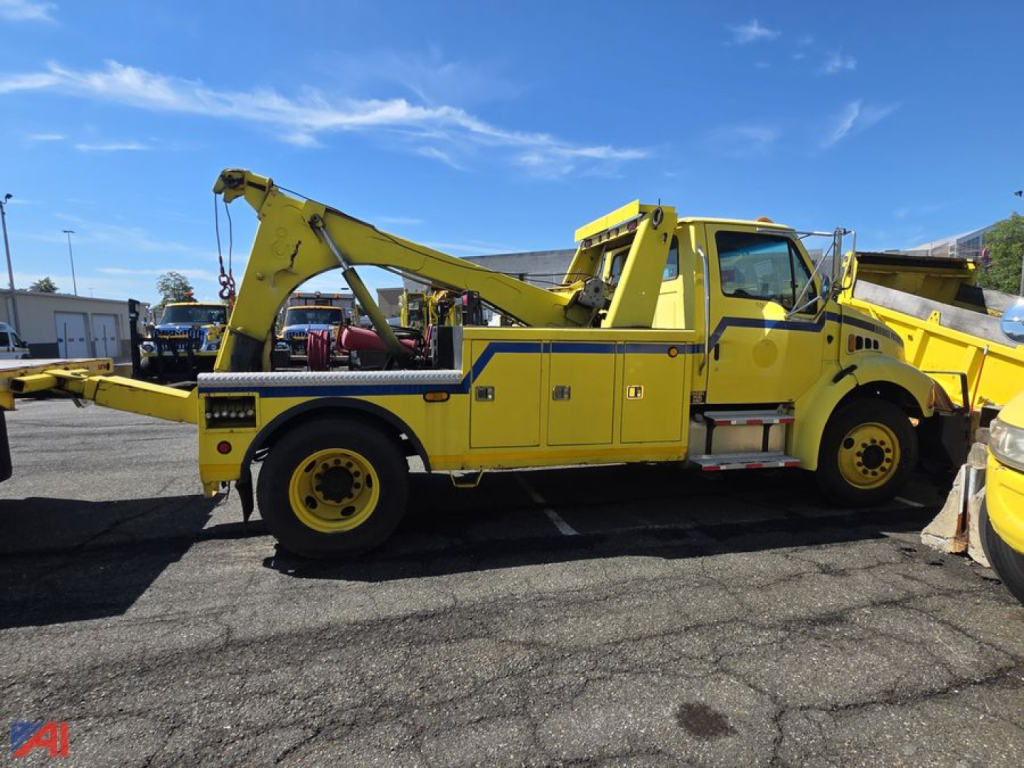
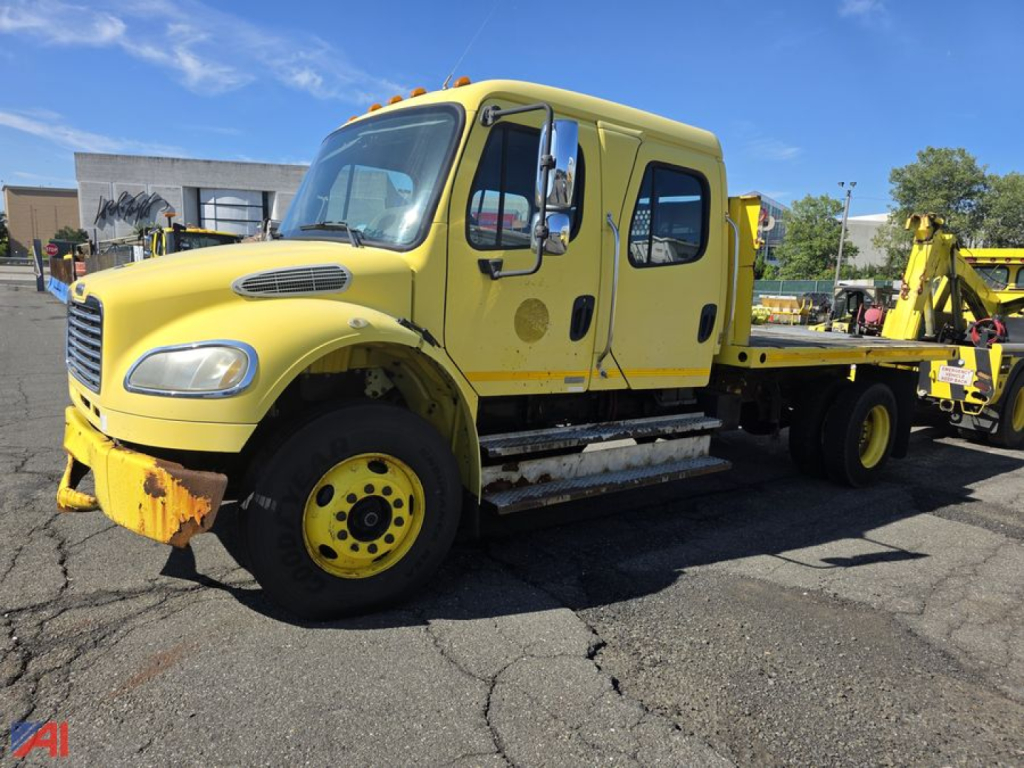
Tow trucks require an even closer review of intended use. A light-duty wrecker for cars and pickups is a different purchase than a medium-duty recovery truck built for commercial units. Buyers should verify boom rating, wheel-lift capacity, winch setup, underlift condition, and rear axle capacity before comparing price. Across all truck categories, it pays to confirm engine make, horsepower, transmission type, brake condition, tire size, frame integrity, and title status. In New York and the surrounding region, a truck that looks right on paper still needs to be evaluated for corrosion, prior municipal service, and how well the spec matches local routes, bridge weights, and stop-and-go operating conditions.
Frequently Asked Questions about Commercial Trucks Near Nanuet, New York
What types of trucks are commonly listed in the trucks category?
The trucks category usually includes a wide range of vocational and commercial units rather than one body style. Common examples include dump trucks, service or utility trucks, tow trucks, chassis cabs, and medium-duty or heavy-duty work trucks. The right choice depends on the work being done, required payload, body equipment, axle rating, and whether the truck will operate in local service, municipal duty, construction, or contractor applications.
What should I check first when comparing used trucks for sale?
Start with the truck's intended job and confirm that the chassis is rated for it. GVWR, axle configuration, engine horsepower, transmission type, PTO capability, and body condition are usually the first filters. After that, focus on frame condition, corrosion, hydraulic operation if equipped, brake and tire condition, and signs of severe vocational use such as plowing, salting, towing, or repeated heavy loading. A truck with the wrong spec can cost more in downtime and upgrades than a higher-priced unit that already matches the application.
Are dump trucks and service trucks built on the same kind of chassis?
They can be, but the upfit and intended duty cycle make them very different purchases. A lighter Class 4 or 5 chassis may be used for a compact dump or a service body, while heavier Class 7 or 8 chassis are more common for high-payload dumps or large utility applications. Dump trucks need proper hoist, body, and suspension support for material handling, while service trucks are built around compartment storage, equipment mounting, and jobsite accessibility. The body type should always be considered together with axle ratings, wheelbase, and payload capacity.
Why does location matter when buying a used truck in New York?
Regional conditions have a major effect on used truck value and service life. In New York, many vocational trucks see winter duty involving salt, plowing, and wet road exposure, which can accelerate corrosion on frames, bodies, crossmembers, wiring, and hydraulic components. Local buyers should pay close attention to rust, prior municipal or contractor use, and the truck's suitability for tight roads, stop-and-go traffic, and seasonal workload. A clean inspection underneath is often just as important as engine or transmission condition.
What is the difference between a light-duty, medium-duty, and heavy-duty truck?
The difference is based mainly on gross vehicle weight rating and the level of work the truck is designed to handle. Light-duty commercial trucks are often pickup-based and suited for service bodies, light dumps, or contractor use. Medium-duty trucks step up in chassis strength, payload, braking, and body options for more demanding commercial work. Heavy-duty trucks are built for the highest payloads and toughest vocational applications, including tandem and tri-axle dump work, larger wreckers, and severe-service construction use.