
Commercial Trucks For Sale Near Morton, Illinois

Have commercial truck to sell? List it here to reach thousands of buyers.
Commercial Trucks Near Morton, Illinois
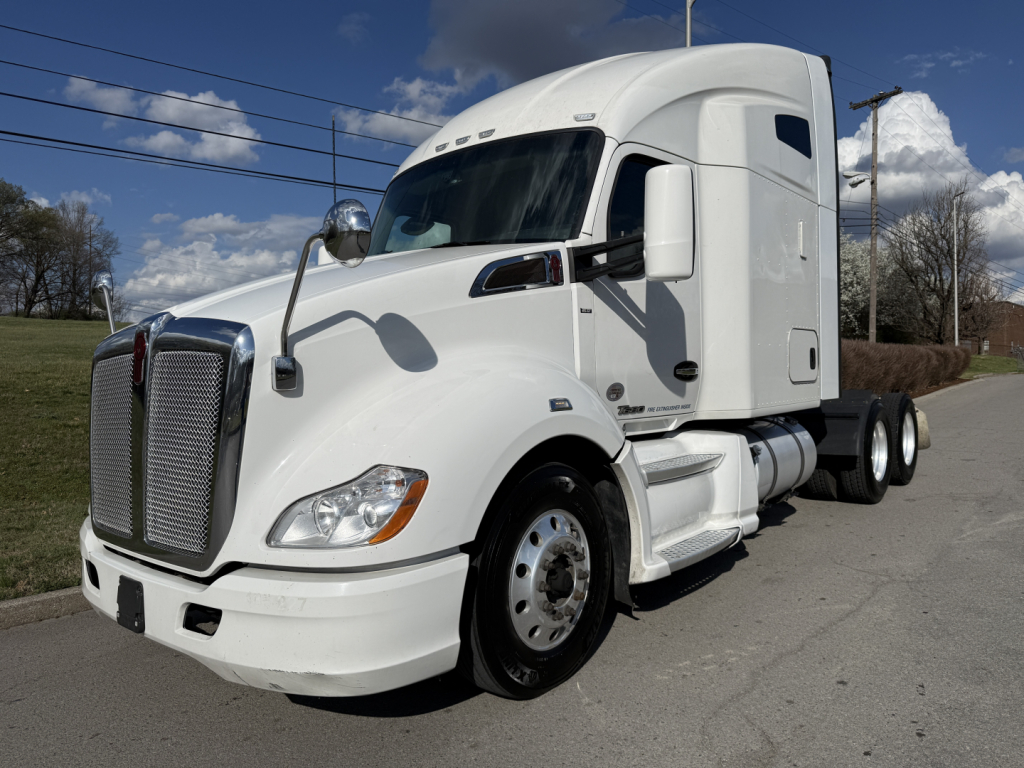
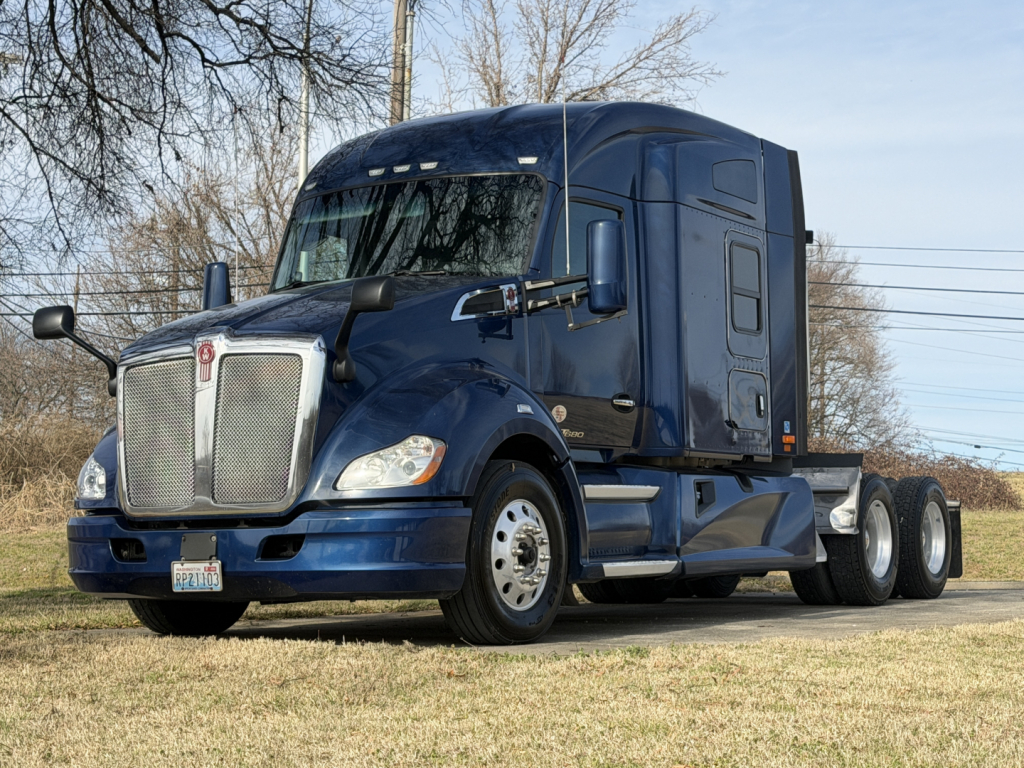
For highway tractors, the key buying points are engine and transmission pairing, rear axle ratio, suspension, and sleeper configuration. Late-model sleeper trucks commonly run 425 to 455 horsepower with automated manual transmissions such as Volvo I-Shift or Detroit DT12, 40,000-pound tandem rears, and fuel-saving ratios in the 2.64 to 2.79 range. Those specs fit regional and long-haul freight where low cruise RPM, air ride suspension, and aerodynamic fairings matter. Buyers should also look closely at fifth wheel type, wheelbase, bunk layout, APU or bunk heater equipment, and brake spec, especially when comparing dedicated fleet trucks to general freight tractors.
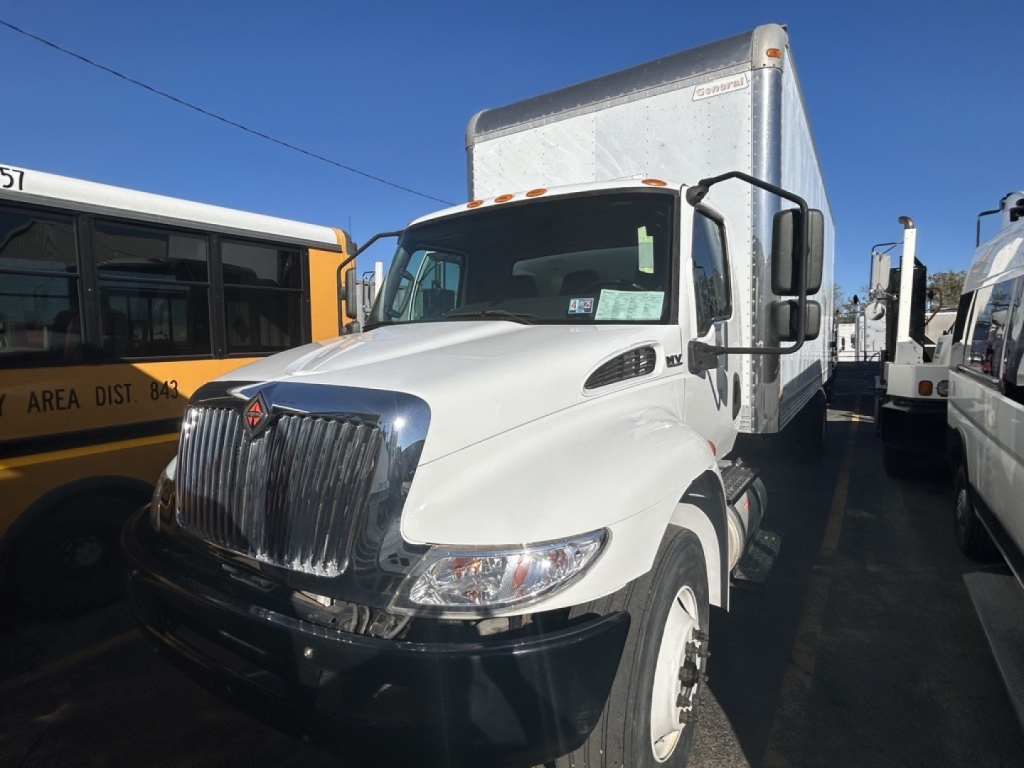
Medium-duty trucks in this category often serve a very different job. A cabover like an Isuzu NPR is built around visibility, maneuverability, and easy dock work, while a conventional straight truck such as a Kenworth T-270 is more common in regional pickup and delivery with larger van bodies. Typical considerations include diesel engine output in the 200 to 300 horsepower range, automatic transmissions for stop-and-go work, single-axle rear ratings, and spring suspension for payload support and durability. If the truck has a van body, buyers should check body length, floor type, translucent roof condition, roll-up door operation, E-track layout, scuff liners or scuff plate protection, and overall cargo cube.
A good truck purchase starts with matching the chassis to the route and freight, not just the model badge. Long wheelbase sleepers with tandem axles make sense for interstate miles and heavier trailer work. Shorter wheelbase day cabs, cabovers, and straight trucks are usually a better fit for dense metro service, retail deliveries, and routes with frequent backing. In Central Illinois, many buyers also weigh emissions system history, tire and brake condition, rust exposure, and service access for major powertrain brands like Cummins, Detroit, Volvo, PACCAR, and Isuzu. The right truck is the one with a spec that fits the job, keeps operating cost predictable, and can be serviced without downtime headaches.
Frequently Asked Questions about Commercial Trucks Near Morton, Illinois
What types of trucks are usually included in a trucks for sale category?
This category typically includes Class 8 road tractors such as sleeper and day cab conventionals, along with medium-duty cabover and straight trucks. Buyers may see highway tractors designed for pulling semitrailers, plus box trucks or van body straight trucks used for local delivery, route sales, and regional freight. The category is broad, so the most important first step is separating tractor applications from straight truck applications.
How do I choose between a sleeper truck, day cab, cabover, and straight truck?
The choice depends on route length, freight type, and operating environment. Sleeper trucks are built for over-the-road work and driver rest accommodations. Day cabs are better for local and regional trailer hauling where overnight stays are not needed. Cabovers offer a tight turning radius and better forward visibility in urban service. Straight trucks carry their cargo body on the chassis and are often used for final-mile, moving, dry freight, or dedicated delivery routes.
What truck specs matter most when comparing highway tractors?
Engine horsepower, transmission type, rear axle ratio, suspension, axle capacity, wheelbase, and sleeper setup are usually the core comparison points. A 40,000-pound tandem rear, automated manual transmission, and a taller highway ratio such as 2.64 or 2.79 are common in fuel-conscious fleet specs. Buyers should also review the brake package, fifth wheel type, fuel tank capacity, fairings, and any idle-reduction equipment such as an APU or bunk heater.
What should I inspect on a used straight truck with a van body?
Look beyond the chassis and inspect the body as carefully as the engine and drivetrain. Body length, interior width, floor wear, roof condition, roll-up door operation, threshold plate damage, E-track condition, and scuff liner integrity all affect usefulness and repair cost. On the chassis side, confirm axle rating, transmission performance in stop-and-go driving, brake wear, tire condition, and whether the wheelbase and body size match the payload and route demands.
Are automatic transmissions common in used commercial trucks?
Yes. Automated manual transmissions are now standard in many late-model highway tractors, and full automatics are very common in medium-duty delivery trucks. For tractors, systems like Volvo I-Shift and Detroit DT12 are popular because they help with fuel economy and driver consistency. In straight trucks and cabovers, automatic transmissions reduce driver fatigue in city traffic and can simplify hiring for fleets with multiple operators.