
Commercial Trucks For Sale Near Monroe, North Carolina

Have commercial truck to sell? List it here to reach thousands of buyers.
Commercial Trucks Near Monroe, North Carolina
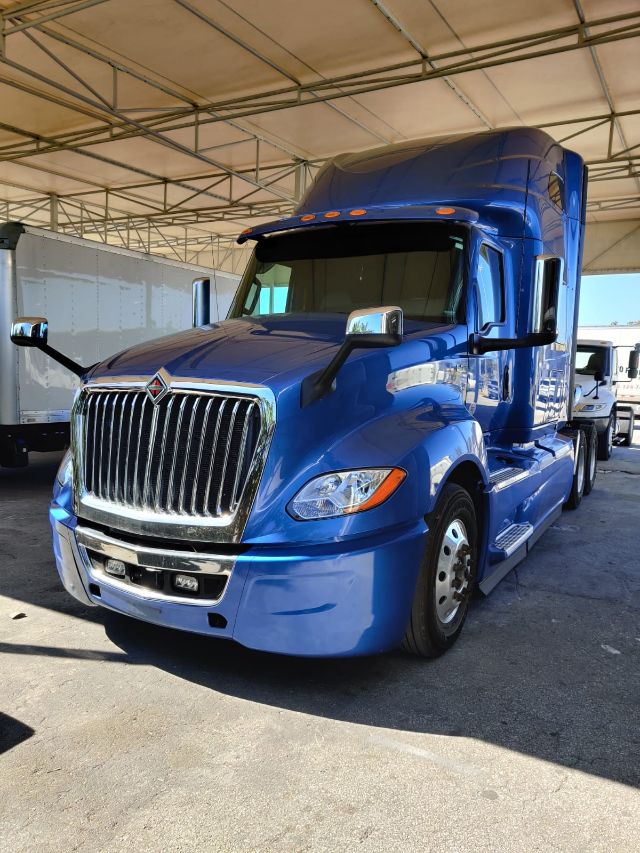
On the highway side, common specs include tandem axles, diesel engines in the 400 to 500 horsepower range, and automated or automatic transmissions paired with heavy-duty drivetrains. Popular engines in this class include Cummins, Detroit, Paccar, and International powerplants, with buyers often comparing emissions system history, mileage, idle hours, and documented maintenance. Sleeper tractors, also known as conventional sleeper trucks or semi tractors, may include features such as an APU, double bunk, fairings, and driver-comfort packages that matter for retention and long-distance utilization. Day cab tractors shift the focus toward regional hauling, maneuverability, and lower tare weight.
Medium-duty and vocational trucks in this category can include service trucks, utility trucks, boom trucks, and chassis built for local government or contractor use. Buyers should pay close attention to GVWR, engine displacement, PTO compatibility, hydraulic equipment condition, and whether the truck spent its life on local routes or in heavier off-road service. A utility or service truck may offer strong value if the chassis has been maintained on a regular interval and the mounted equipment, such as a crane, compressor, or storage body, matches the intended work. Tire condition, brake wear, suspension type, cab corrosion, and signs of frame modification are all worth checking before purchase.
Regional factors matter in Monroe and the broader North Carolina market. Trucks operating in the Southeast are often evaluated for cooling system performance, rust exposure, and suitability for a mix of interstate and local routes. Buyers comparing listings should look beyond model year and mileage and confirm axle ratio, suspension spec, engine brake, wheelbase, title status, and any recent work on aftertreatment components. A well-matched truck is less about finding the newest unit and more about matching cab style, drivetrain, payload demands, and duty cycle to the job it will do every week.
Frequently Asked Questions about Commercial Trucks Near Monroe, North Carolina
What types of trucks are commonly listed in the trucks category?
This category usually includes both highway tractors and vocational trucks. Highway units can include conventional sleeper tractors and day cabs used for long-haul, regional, or dedicated freight. Vocational models can include service trucks, utility trucks, boom-equipped chassis, and medium-duty work trucks used by contractors, municipalities, and local fleets. The category is broad, so the key is to sort listings by application before comparing price, mileage, or model year.
What should I look for when buying a used highway tractor?
Focus on drivetrain and operating history first. Engine make and model, horsepower, transmission type, axle configuration, mileage, idle hours, and emissions system repairs all have a direct effect on operating cost. Sleeper size, APU, bunk layout, and cab condition matter if the truck will be used over the road. Buyers should also verify maintenance records, tire and brake life, title status, and whether the axle ratio and suspension spec fit the intended freight and lanes.
What matters most on a utility or service truck?
The mounted equipment matters as much as the chassis. Buyers should confirm the truck's GVWR, wheelbase, PTO setup, hydraulic system condition, and the operating status of any crane, knuckleboom, compressor, or service body accessories. It is also important to inspect frame condition, outriggers if equipped, body corrosion, and signs of hard municipal or construction use. A well-maintained chassis with the correct body configuration can be more valuable than a newer truck that needs immediate upfitting or hydraulic repairs.
Is an automatic transmission a good choice in used trucks?
For many fleets and owner-operators, yes. Automatic and automated transmissions can reduce driver fatigue, improve consistency in stop-and-go service, and simplify hiring in markets where drivers prefer easier operation. The right choice still depends on the job. Long-haul tractors, urban service trucks, and utility applications all benefit from smooth drivability, but buyers should confirm transmission model, service history, and calibration status to make sure the truck fits the duty cycle and expected loads.
How do I compare trucks with very different mileage and age?
Mileage and model year only tell part of the story. A higher-mileage truck with complete maintenance records, recent aftertreatment work, and the correct drivetrain can be a better buy than a lower-mileage truck with poor documentation or the wrong spec. Buyers should compare total condition, hours, service intervals, tire and brake life, suspension wear, cooling system health, and the truck's original application. Matching the truck to the intended route, payload, and annual utilization is usually more important than chasing the lowest odometer reading.