
Commercial Trucks For Sale Near Moline, Michigan
Have commercial truck to sell? List it here to reach thousands of buyers.
Commercial Trucks Near Moline, Michigan
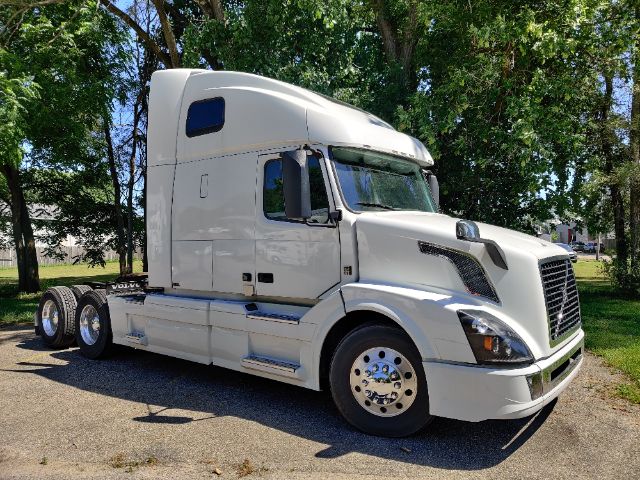
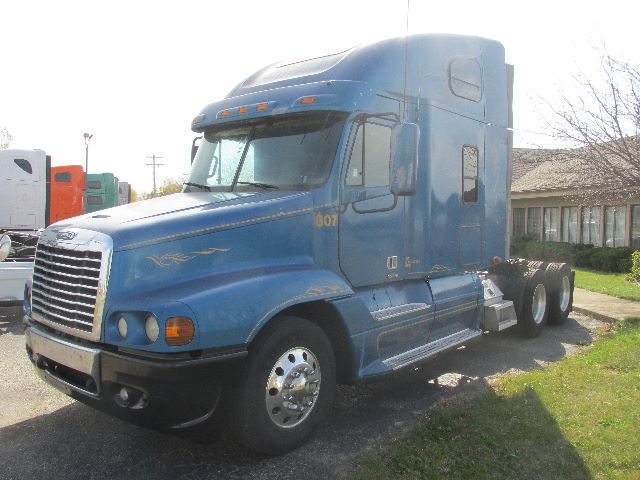
Powertrain and axle configuration matter more than brand loyalty once the application is clear. Tandem-axle sleepers often carry 12,000-pound front axles and 40,000-pound rears, with popular engines such as the Volvo D13, Cummins ISX, and other 400 to 500 horsepower platforms. Transmission choice usually comes down to automated manuals, traditional 10-speed or 13-speed manuals, and full automatics in medium-duty units. Rear axle ratios, wheelbase, suspension type, and tire size all affect fuel economy, maneuverability, and payload performance. Air ride suspension is common on road tractors for driver comfort and freight protection, while spring suspension still appears on many lighter vocational and flatbed trucks.
For buyers in Michigan, corrosion, cold-weather starting, and drivetrain condition deserve close attention. Heated mirrors, bunk heaters, engine brakes, sliding fifth wheels, lift gates, and air ride cabs are more than convenience items in this market. They can directly affect uptime and driver acceptance. On sleeper trucks, fuel capacity, sleeper size, inverter setup, and features like fridge or APU preparation can make a big difference for over-the-road use. On flatbeds and delivery trucks, bed length, GVWR, lift gate condition, and frame integrity are key, especially if the truck will handle palletized freight, building materials, or equipment.
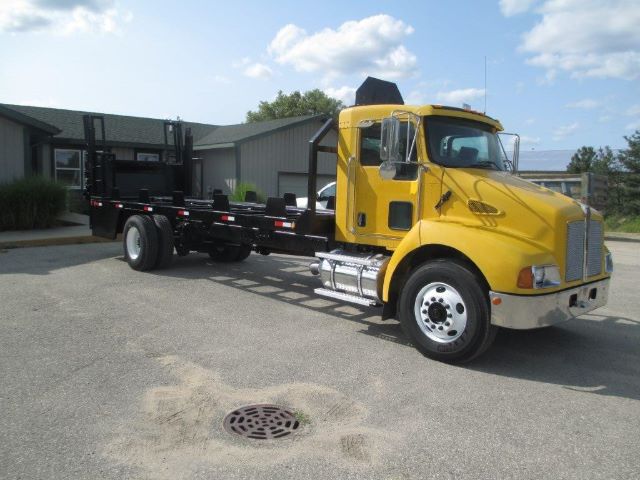
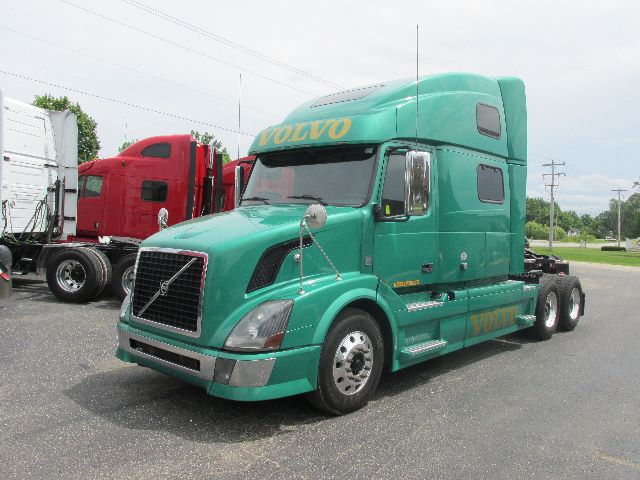
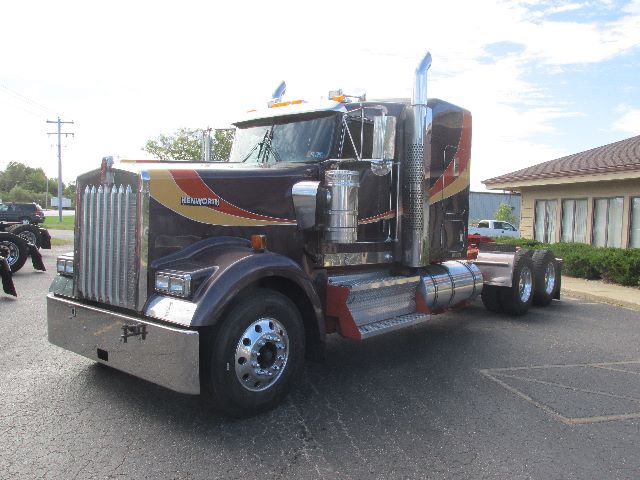
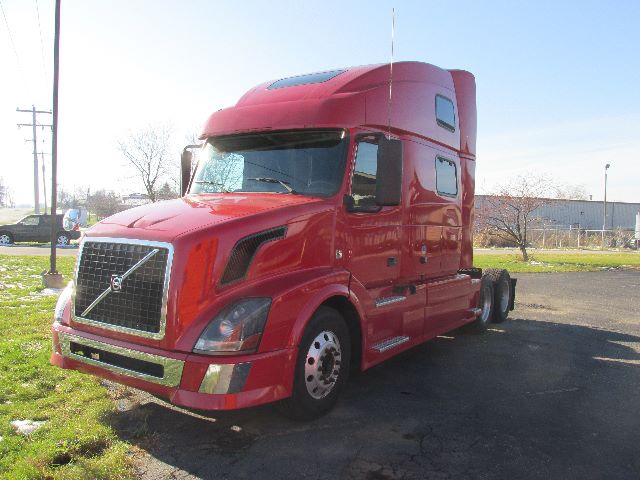
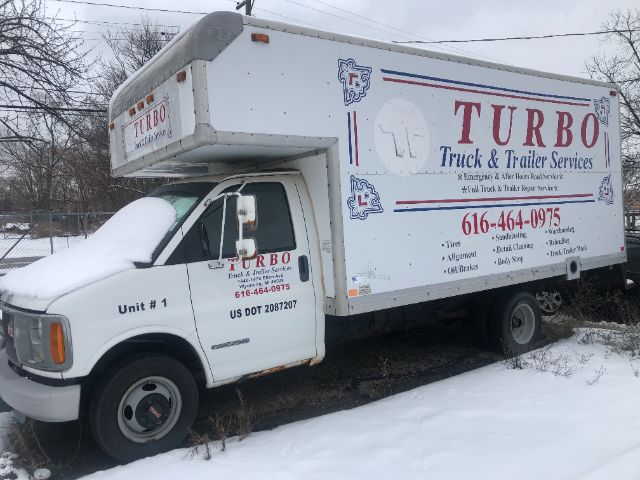
A strong used truck in this category is usually defined by service history, emissions system condition, tire and brake life, and how closely the spec matches the intended route. Long wheelbase conventionals like a Kenworth W900 appeal to buyers prioritizing ride quality, appearance, and highway use, while aerodynamic models such as Volvo VNL and 670 or 780 series typically attract buyers focused on fuel economy and fleet-friendly operation. Medium-duty models like a Kenworth T300 fill a different role entirely, offering easier urban access and lower operating costs for local work. Buyers comparing listings should focus on engine model, transmission type, axle setup, suspension, mileage, and documented maintenance before narrowing down by make or trim.
Frequently Asked Questions about Commercial Trucks Near Moline, Michigan
What types of trucks are usually included in a general trucks for sale category?
A general trucks for sale category often includes sleeper tractors, day cabs, flatbed trucks, straight trucks, medium-duty delivery trucks, and some truck-and-trailer combinations. The exact mix depends on the local market, but buyers should expect both highway units and work trucks. The most important step is separating road tractors from medium-duty and vocational trucks, because the chassis, axle ratings, drivetrain, and body style are built around very different jobs.
What specs matter most when comparing used trucks?
The key specs are engine make and model, horsepower, transmission type, axle configuration, rear axle ratio, suspension, wheelbase, GVWR or axle ratings, and tire size. For sleeper tractors, fuel capacity, sleeper dimensions, fifth wheel setup, and emissions system history are also important. For flatbeds and medium-duty trucks, body length, lift gate condition, frame condition, and payload suitability usually matter more than sleeper comfort features. Service records and evidence of regular maintenance should carry as much weight as the spec sheet.
Is an automatic or manual transmission better in a used truck?
That depends on the route and driver pool. Automated and automatic transmissions can reduce driver fatigue, simplify training, and help with consistency in stop-and-go or fleet use. Manual transmissions still appeal to buyers who want lower complexity, more direct control, or easier service familiarity in certain operations. In a used truck, condition is often more important than transmission type alone. A well-maintained automated manual can be a strong choice, but buyers should verify clutch, shift performance, calibration, and service history.
What should Michigan buyers check on a used truck before purchase?
Michigan buyers should pay close attention to rust, frame condition, brake and drum life, tire condition, suspension wear, and signs of corrosion around cab mounts, fuel tanks, wiring, and underbody components. Cold-weather equipment such as bunk heaters, block heaters, batteries, and charging system health can also affect winter reliability. If the truck is a sleeper, inspect seals, HVAC performance, and interior electrical accessories. If it is a flatbed or straight truck, check the deck, crossmembers, lift gate operation, and any signs of overloading or previous structural repair.
How do I choose between a sleeper tractor and a medium-duty work truck?
Choose based on route length, trailer use, and payload needs. A sleeper tractor is built for towing semi-trailers, carrying highway gearing, and supporting long-distance operation with tandem axles, higher horsepower, and driver living space. A medium-duty work truck is better for local delivery, service work, pallet freight, and applications where maneuverability and lower operating costs matter more than highway comfort. If the truck will not regularly pull a semi-trailer or run overnight routes, a medium-duty flatbed or straight truck may be the better fit.