
Trucks For Sale Near Moline, Illinois
Have truck to sell? List it here to reach thousands of buyers.
Trucks Near Moline, Illinois
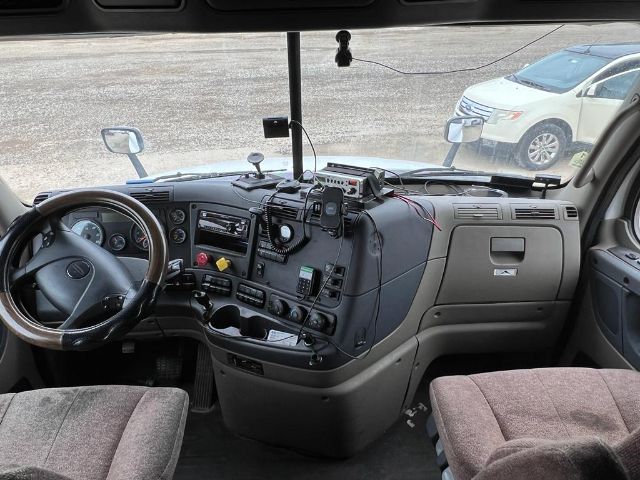
For over-the-road and regional use, the biggest buying decisions usually center on cab configuration, engine rating, transmission type, axle ratio, and wheelbase. Sleeper trucks are designed for longer runs and driver comfort, while day cabs typically fit shorter haul, drayage, and dedicated route work. Buyers should look closely at mileage, engine hours, emissions system history, maintenance records, and spec details such as tandem versus single axle, suspension type, brake configuration, and fuel capacity. On used highway trucks, drivetrain alignment matters as much as the badge on the hood. A well-matched engine and transmission combination can make a major difference in fuel economy, gradeability, and maintenance cost.
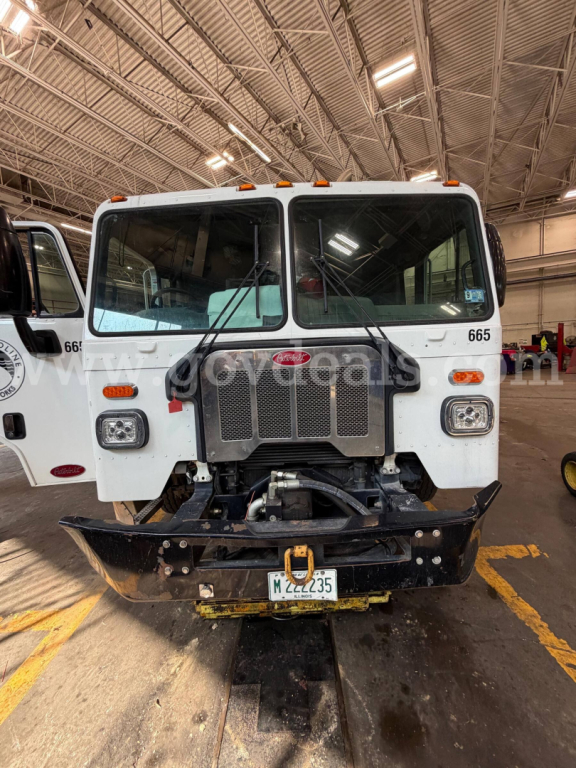
Vocational trucks require a different evaluation. Models built for vacuum, dump, utility, tanker, refuse, or municipal work are often selected by PTO compatibility, front axle capacity, frame strength, body integration, and hydraulic system condition. Many buyers focus first on miles, but engine hours, idle time, and body wear are often more important on jobsite and service trucks. Front discharge requirements, set-forward or set-back axle layout, locking differentials, lift axle configuration, and vocational transmission choices can all affect productivity. In the Upper Midwest, corrosion exposure is also a practical concern, so frame condition, crossmembers, wiring, plumbing, and underbody rust deserve a careful look.
A broad trucks-for-sale category is less about one model and more about matching a chassis to the job. Buyers in western Illinois and the Quad Cities area often compare local-route tractors, municipal units, and heavy-duty vocational trucks side by side, so it helps to verify GVWR, GCWR, wheelbase, body specs, engine family, and intended application before narrowing the field. A truck that looks similar on paper can perform very differently once loaded, tied into a PTO-driven system, or assigned to regional interstate miles. The best purchase usually comes from balancing current condition, service history, legal weight needs, and operating environment rather than chasing the lowest upfront price.
Frequently Asked Questions about Trucks Near Moline, Illinois
What should I check first when comparing used trucks for sale?
Start with the truck’s intended application, then confirm the major matching specs. Cab style, axle configuration, GVWR or GCWR, engine rating, transmission, wheelbase, and suspension all need to fit the work. After that, review maintenance history, mileage, engine hours, emissions repairs, tire condition, brake wear, and any signs of frame damage or corrosion. On vocational trucks, body condition and PTO or hydraulic operation are just as important as the chassis itself.
Is mileage or engine hours more important on a used truck?
It depends on the type of truck. On highway tractors, mileage is a key benchmark because it reflects road use and drivetrain wear over time. On vocational and municipal trucks, engine hours can be more important because many units spend long periods idling or running auxiliary systems. A lower-mile truck with very high hours may show more wear in certain components than the odometer suggests, especially in PTO-driven or stop-and-go applications.
What is the difference between a sleeper truck and a day cab?
A sleeper truck has a compartment behind the seats for rest and storage, making it the standard choice for long-haul and multi-day runs. A day cab has no sleeper and is typically lighter, shorter, and easier to maneuver in urban, regional, port, or dedicated-route work. The choice affects wheelbase, weight, fuel capacity, driver comfort, and the kind of freight lanes the truck can handle efficiently.
What matters most on a vocational truck in Illinois?
Frame condition, rust exposure, axle capacity, PTO compatibility, hydraulic performance, and body condition should all be high on the list. Illinois trucks used in municipal, utility, construction, or winter service work may see corrosion from road treatment and seasonal exposure, so underbody inspection matters. Buyers should also confirm that the truck’s axle layout, wheelbase, suspension, and front-end capacity match the body or equipment mounted on it.
Are alternative-fuel trucks common in the used market?
They are less common than diesel trucks, but they do appear in certain fleet, municipal, and specialty applications. CNG and other alternative-fuel trucks can make sense when fuel infrastructure, route length, and maintenance support are already in place. Buyers should verify tank certification status, service access, parts availability, and technician familiarity before choosing an alternative-fuel platform over a conventional diesel truck.