
Commercial Trucks For Sale Near Missoula, Montana

Have commercial truck to sell? List it here to reach thousands of buyers.
Commercial Trucks Near Missoula, Montana
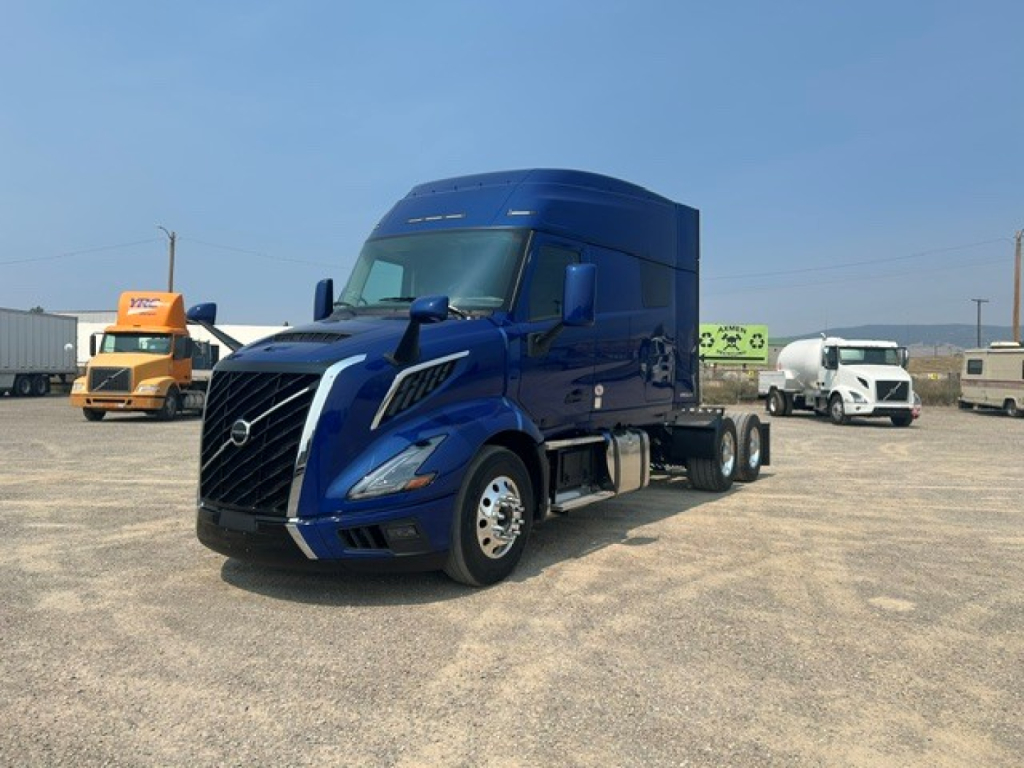
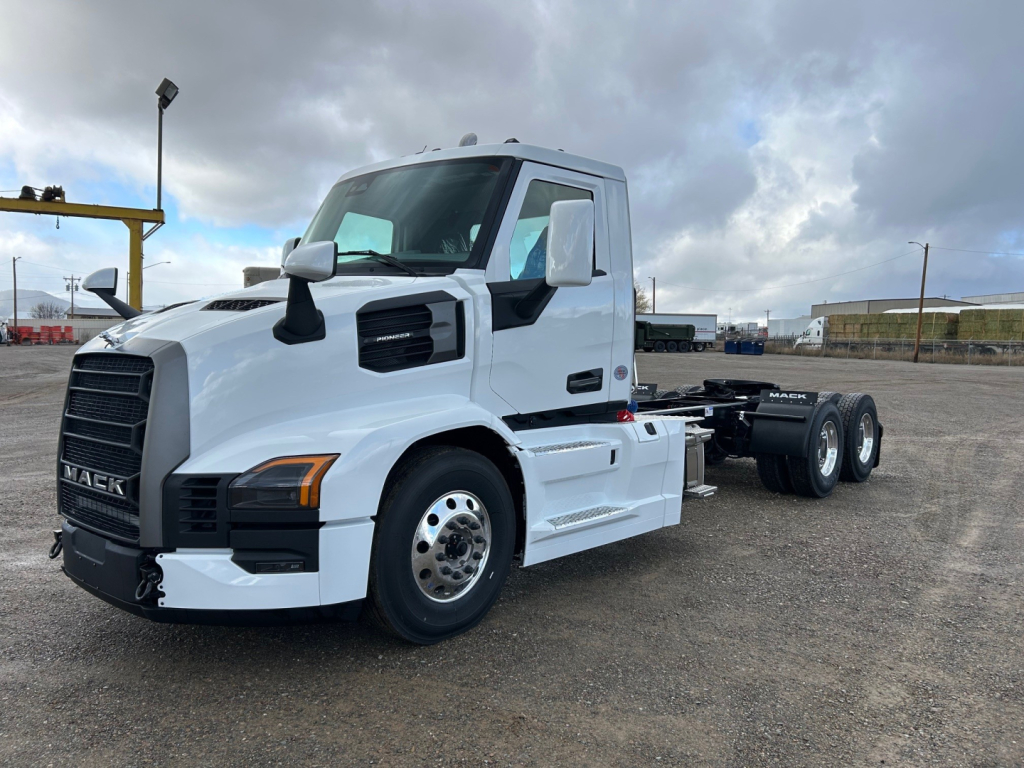
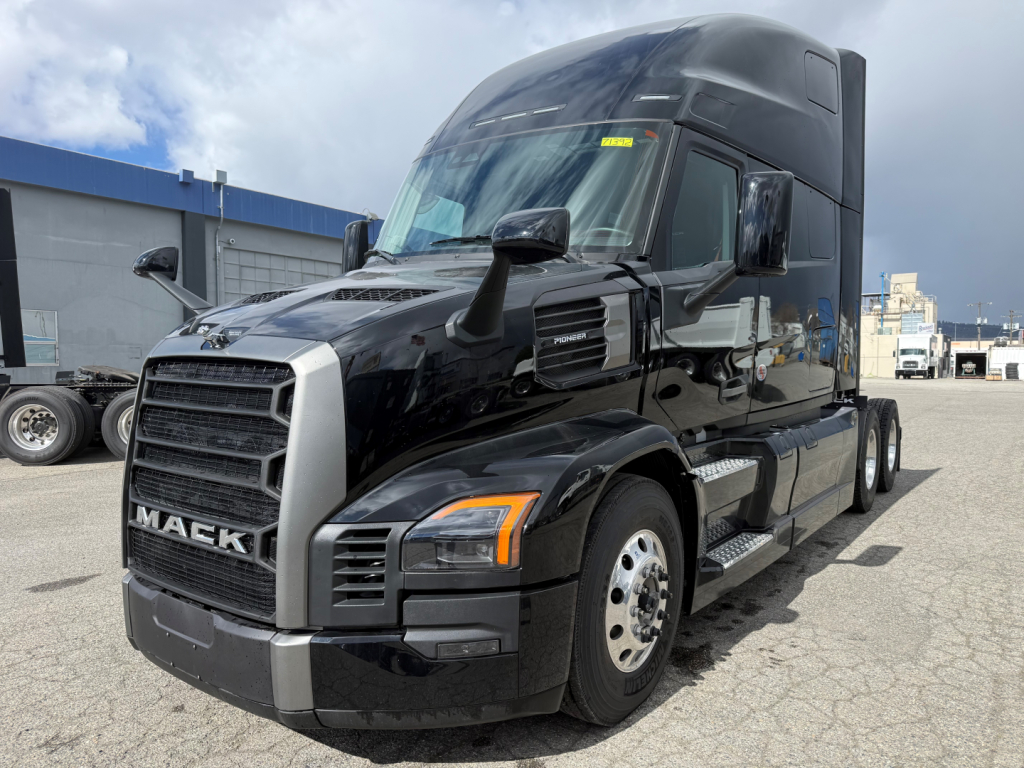
For over-the-road and regional hauling, conventional highway trucks are typically evaluated around engine size, automated or manual transmission spec, rear axle ratio, wheelbase, and cab configuration. Day cabs make sense for local and dedicated lanes where maneuverability and lower tare weight matter. Sleeper trucks are built for long-haul use, with high-roof configurations, larger fuel capacity, integrated storage, and driver comfort features that affect retention as much as uptime. Common buyer checkpoints include horsepower and torque ratings, 6x4 tandem axle setup, disc or drum brake preference, fairing and aero package condition, and whether the truck is spec'd for fuel economy or heavier pulling through grade changes.
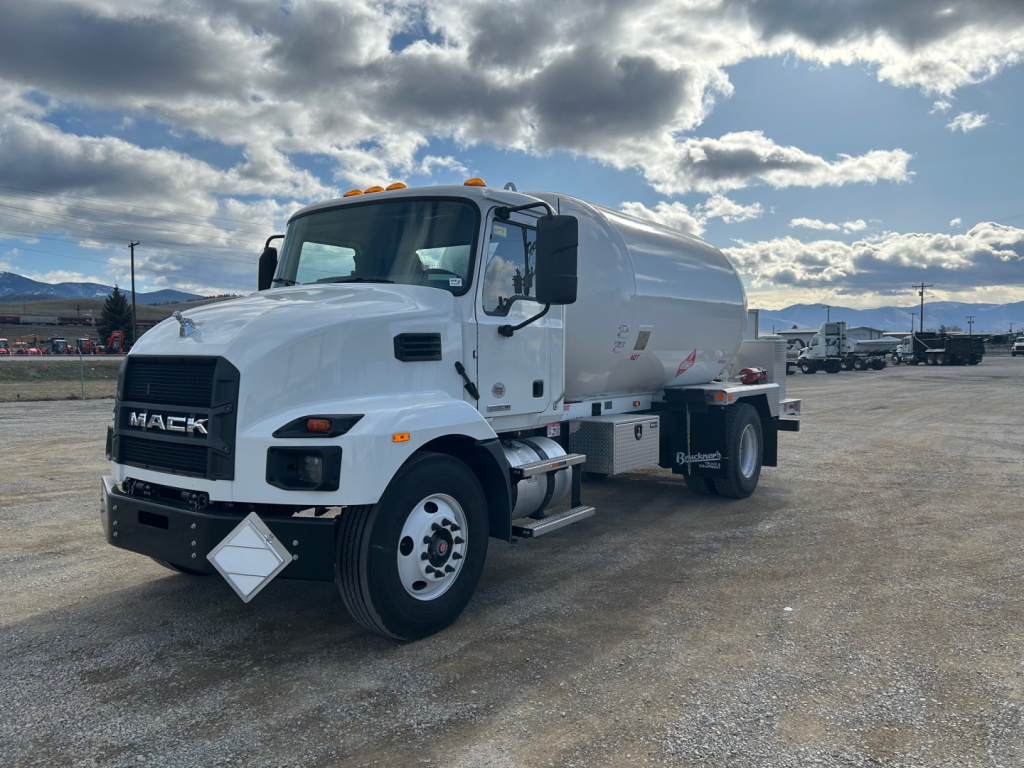
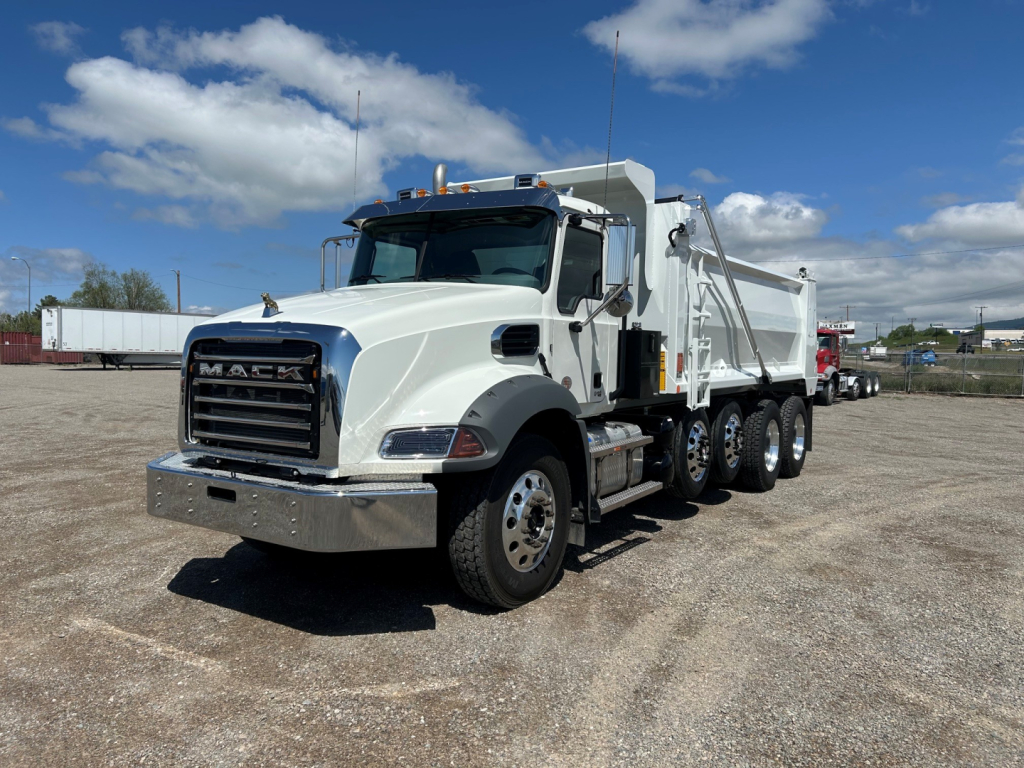
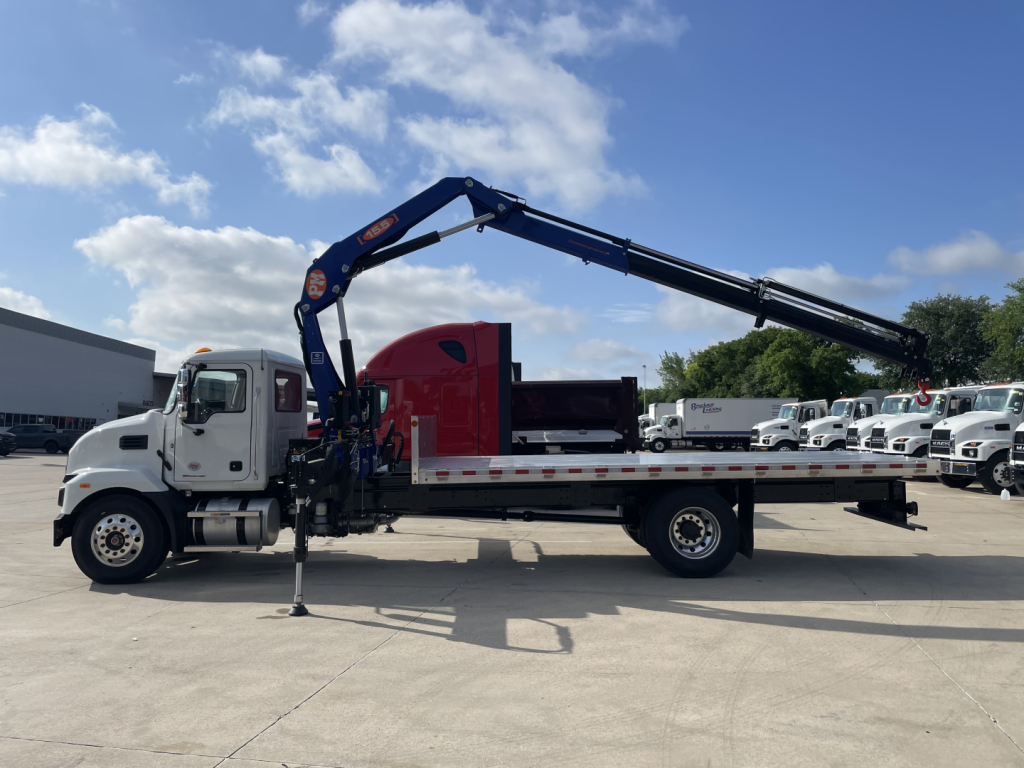
Vocational trucks in this category demand a different review process. Dump trucks should be checked for hoist type, body material, side height, hitch equipment, tarp system, rear suspension, and front axle capacity. Water trucks are typically judged by tank size, pump and spray configuration, fill method, and how the chassis handles full-load stability. Rollback and carrier trucks need attention to deck length, winch rating, wheel-lift capacity, PTO setup, toolbox layout, and whether the GVWR stays under CDL thresholds when that matters to the operation. Across vocational segments, Allison automatic transmissions, medium-duty diesel engines, single-axle layouts, and 33,000-pound class GVWR specs are common because they balance payload, drivability, and municipal or contractor use.
A smart truck comparison also looks past headline specs. In Montana, cold-weather items such as block heaters, heated mirrors, and durable interior trim can matter as much as horsepower. Suspension choice affects ride quality, traction, and body stability. Brake type, axle ratio, and wheelbase all influence how the truck performs when loaded, backing into tight jobsites, or running secondary roads. Buyers comparing trucks for sale in Missoula should focus on the truck’s actual intended duty cycle first, then confirm that the chassis, axle ratings, cab style, and installed equipment support that work without expensive reconfiguration later.
Frequently Asked Questions about Commercial Trucks Near Missoula, Montana
What types of trucks are commonly listed for sale in Missoula, Montana?
Truck listings in Missoula often include highway tractors such as conventional day cabs and sleeper trucks, along with vocational units like dump trucks, water trucks, rollback carriers, and medium-duty work trucks. That mix reflects local demand from long-haul carriers, construction fleets, towing operations, municipalities, and contractors who need equipment suited for both interstate travel and rugged local service.
What should I look at first when comparing trucks for sale?
Start with the intended application, then work backward into the chassis and drivetrain. A buyer should confirm GVWR, axle configuration, wheelbase, engine horsepower and torque, transmission type, rear axle ratio, and cab layout before focusing on convenience features. On vocational trucks, the body or upfit is just as important as the truck itself, because hoists, tanks, carriers, hitches, PTO equipment, and body dimensions determine how usable the truck will be on day one.
Is a day cab or sleeper truck better for Montana hauling?
That depends on route structure and driver needs. A day cab is usually the better fit for local, regional, and dedicated routes where lower weight, shorter wheelbase, and easier maneuvering are priorities. A sleeper truck is the stronger choice for long-haul or multi-day runs because it provides rest space, added storage, and often a more highway-oriented spec. In Montana, where trips can cover long distances between stops, sleeper trucks are often preferred for over-the-road work.
Why do axle ratings and wheelbase matter so much on vocational trucks?
Axle ratings and wheelbase determine how well a truck carries its body, payload, and mounted equipment without compromising stability or legal capacity. A dump body, water tank, or rollback deck changes weight distribution substantially, so the front axle, rear axle, suspension, and frame need to support the intended load. Wheelbase also affects turning radius, bridge law considerations, body fitment, and how the truck handles on uneven jobsites or narrow access roads.
Are medium-duty vocational trucks commonly equipped with automatic transmissions?
Yes. Many medium-duty dump, water, and rollback trucks are spec'd with Allison automatic transmissions because they improve drivability in stop-and-go service, reduce driver fatigue, and perform well in vocational applications that require frequent shifting or PTO operation. For fleets with multiple drivers or municipal use, an automatic transmission can also simplify training and help reduce wear associated with inconsistent shifting habits.