
Mini Trucks For Sale
Browse mini trucks for sale including compact urban delivery and service units with efficient gas or diesel power and easy maneuverability.
Learn more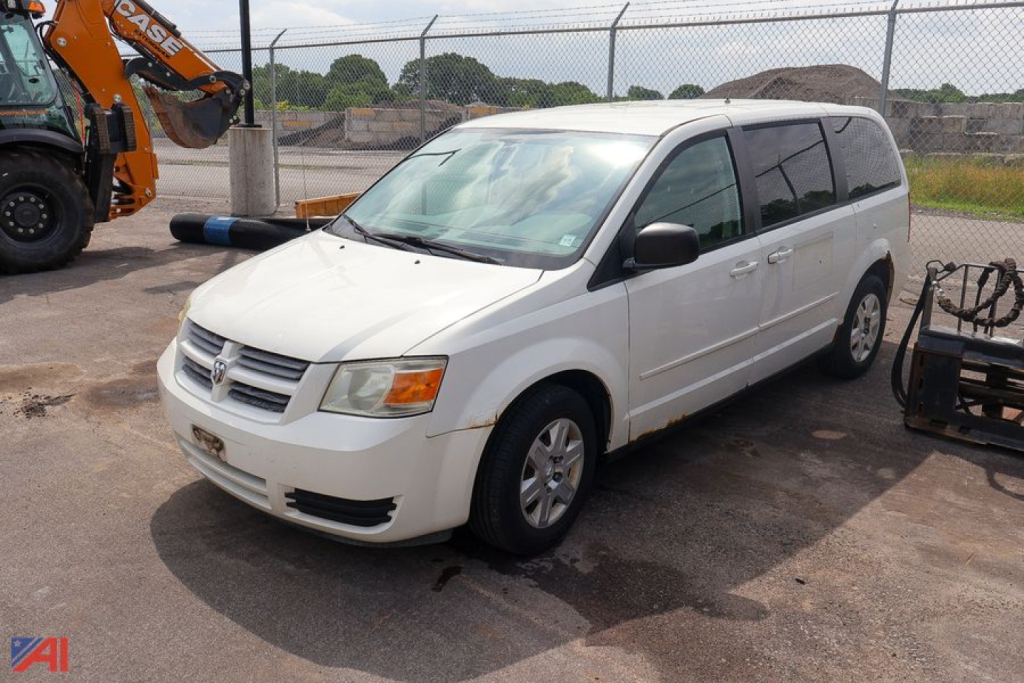
Have mini truck to sell? List it here to reach thousands of buyers.
About Mini Trucks
The key buying decision is matching payload, cargo volume, and body style to the work. Some mini trucks are open-bed units with fold-down sides for landscaping, groundskeeping, and small material handling. Others are enclosed cargo or mini-van configurations designed for tools, parcels, or technician inventory. Wheelbase, turning radius, roof height, rear door opening, and curb height all matter on urban routes and in dense commercial areas. If the truck will run inside parking garages, alleys, campuses, or residential neighborhoods, overall height and width should be checked as closely as GVWR.
Powertrain and operating cost are usually the next filters. Many mini trucks use small displacement gas engines, though some import-style or specialty units may be diesel or even electric. Fuel economy, parts availability, front-wheel drive versus rear-wheel drive, and transmission type all affect long-term cost and uptime. On used units, pay attention to sliding door rollers, rear hinges, suspension wear, brake condition, tires, and any signs of repeated overloading. For fleet buyers, service history, idle hours, and upfit quality can matter just as much as mileage.
A good mini truck earns its keep by lowering operating cost on jobs that do not need a larger chassis. Buyers comparing listings should focus on real working dimensions, legal payload, access to replacement parts, and how the truck was previously used. A compact truck that fits the route, the load, and the driver’s daily workflow will usually outperform a larger unit that costs more to fuel, park, and maintain.
Frequently Asked Questions
What is considered a mini truck?
A mini truck is a compact commercial truck or van-based work vehicle designed for light-duty hauling and delivery in confined or urban environments. In the U.S. market, this category can include small cab-over trucks, kei-style imports where legal and applicable, and compact commercial vans used in truck-duty roles. The common traits are small exterior dimensions, modest payload capacity, and low operating cost compared with full-size pickups or medium-duty trucks.
How much can a mini truck carry?
Payload varies widely by design, axle rating, and body style. Some compact mini trucks are intended for very light municipal or property-maintenance use, while heavier commercial platforms can handle significantly more. Buyers should verify the actual GVWR, curb weight, and payload sticker on the specific truck rather than relying on appearance alone, because upfits, shelving, ladder racks, and enclosed bodies can reduce usable payload.
Are mini trucks good for business use?
Mini trucks are a strong fit for businesses that run short routes, make frequent stops, and operate in places where space is limited. They are commonly used for maintenance crews, local courier work, locksmiths, HVAC and electrical service, parking operations, and campus support. They are less suitable when the job requires towing, high-speed interstate travel with heavy loads, or repeated hauling near full-size truck capacities.
What should I check when buying a used mini truck?
Focus on service records, body condition, drivetrain wear, and evidence of commercial use intensity. Check door operation, cargo area condition, suspension sag, brake wear, tire wear patterns, fluid leaks, and transmission shift quality. If the truck has an upfit, inspect the electrical work, shelving attachment points, bulkheads, roof penetrations, and any added equipment that could affect safety or payload.
Are mini trucks better than full-size pickups for city routes?
For many city applications, a mini truck is more efficient because it is easier to park, easier to maneuver, and often cheaper to fuel and maintain. A full-size pickup still makes more sense when the operation needs higher towing capacity, four-wheel-drive capability in rough conditions, or a more versatile platform for mixed-duty use. The better choice depends on route density, cargo type, and how much payload the job actually requires each day.