
Commercial Trucks For Sale Near Milton Freewater, Oregon
Have commercial truck to sell? List it here to reach thousands of buyers.
Commercial Trucks Near Milton Freewater, Oregon
Powertrain spec is where a truck either fits the job or becomes expensive to own. Diesel engines in this class commonly range from medium-duty ratings up to 15-liter platforms, paired with manual, automated manual, or automatic transmissions depending on route and driver preference. Buyers should compare horsepower and torque against gross combination weight, expected cruise speed, and terrain. Rear axle ratios, suspension type, and tandem configuration affect pull, fuel economy, and tire wear. For used trucks, maintenance history, engine hours, emissions system condition, clutch life, and signs of prior drivetrain repairs are just as important as odometer mileage.
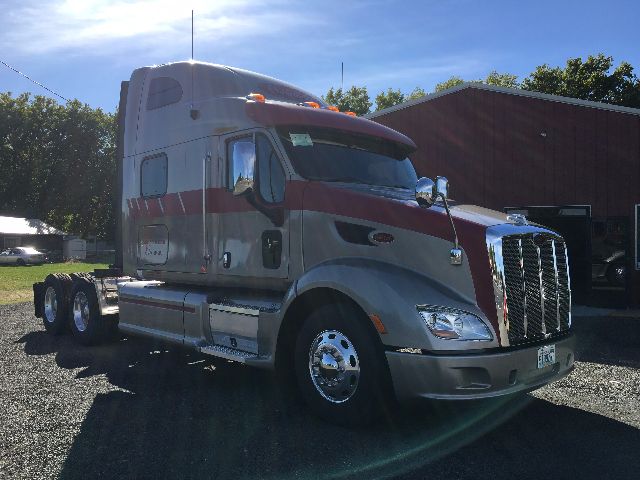
Cab and chassis setup deserves close attention because the same truck model can be spec'd very differently. Conventional trucks, also known as semi tractors or road tractors when used to pull trailers, may be configured as sleepers or day cabs. Key details include wheelbase, fifth wheel position, frame condition, PTO capability, brake type, and axle ratings. Inside the cab, buyers often look for air ride seats, power windows and locks, HVAC performance, storage, and overall interior wear. On working trucks, a clean interior and straight body panels can say a lot about how the unit was treated, but the undercarriage, crossmembers, suspension bushings, and tire condition tell the deeper story.
A good truck purchase comes down to matching the spec to the lane, the load, and the cost structure of the business. Regional operators may prioritize fuel economy and driver comfort, while heavier haul or vocational buyers may focus on durability, gearing, and axle capacity. In a market like Milton-Freewater, many buyers are balancing highway use with agricultural or local freight demands, so versatility can be valuable. Comparing cab configuration, engine family, transmission type, suspension, and service records will usually narrow the field faster than make alone.
Frequently Asked Questions about Commercial Trucks Near Milton Freewater, Oregon
What should I look for first when comparing trucks for sale?
Start with the truck's intended job. The right choice depends on load weight, trailer type, route length, terrain, and how often the truck will run loaded versus empty. Once the application is clear, compare engine rating, transmission type, axle configuration, wheelbase, suspension, and cab style. A truck that is well spec'd for the job will usually perform better, use less fuel, and cost less to maintain than a unit chosen mainly by brand or appearance.
Is mileage the most important factor on a used truck?
Mileage matters, but it should not be viewed alone. Engine hours, maintenance records, prior use, idle time, and emissions system condition can be just as important. A lower-mileage truck with poor maintenance can be a risk, while a higher-mileage truck with documented service history and clean inspections may be the better buy. Buyers should also check for oil or coolant leaks, drivetrain noise, clutch wear, suspension wear, brake life, and signs of frame or body repair.
What is the difference between a sleeper truck and a day cab?
A sleeper truck has a built-in compartment behind the seats for rest and storage, making it better suited for long-haul and multi-day routes. A day cab does not have that sleeper area and is usually shorter, lighter, and easier to maneuver in city or regional work. The best choice depends on how the truck will be dispatched. Sleeper tractors generally offer better long-distance comfort, while day cabs can improve payload flexibility and turning radius for local operations.
Should I choose a manual, automated manual, or automatic transmission?
The right transmission depends on driver preference, route profile, and maintenance strategy. Manual transmissions remain common in some heavy-duty applications and can offer strong control in demanding conditions. Automated manuals are popular in highway fleets because they improve consistency, reduce driver fatigue, and can support fuel economy goals. Full automatics are common in certain vocational or stop-and-go applications. Buyers should match the transmission to driver availability, service support, and the type of hauling the truck will do.
Why do axle ratio and suspension matter on a truck?
Axle ratio affects launch performance, gradeability, cruise RPM, and fuel economy. A lower geared truck may pull heavier loads more effectively, while a faster ratio may be better for long highway runs with lighter demand. Suspension choice also changes how the truck rides, handles weight, and holds up over time. Air ride suspension is often preferred for ride quality and freight protection, while other setups may be chosen for durability or specific vocational use. These details have a direct effect on operating cost and day-to-day performance.